
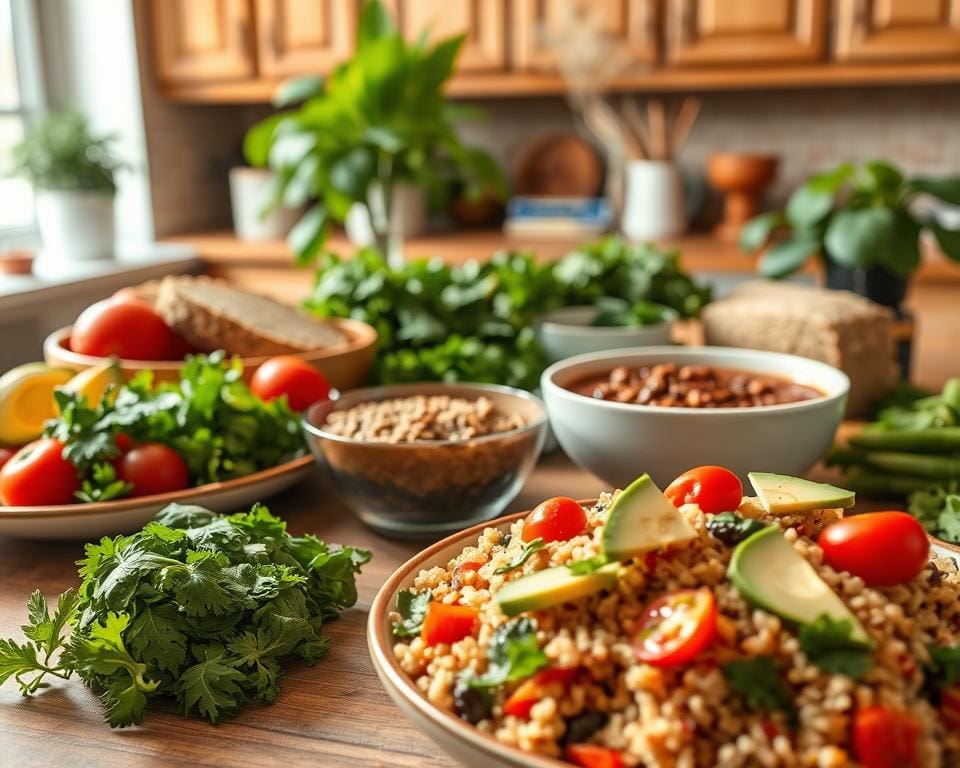
The rising popularity of plant-based meals has led many to explore the profound satisfaction they can provide. A plant-based diet not only offers myriad health benefits but also a delightful culinary experience. Research shows that these meals, rich in diverse textures and flavours, contribute to overall satisfaction during dining. When people embrace the array of options within plant-based eating, they’re often rewarded with a deeper sense of fulfilment and pleasure. Indeed, studies such as those published in the American Journal of Lifestyle Medicine have highlighted the benefits of diet diversity, illustrating that a varied plate can lead to more enjoyable dining moments.
The Pleasure of Variety in Plant-Based Meals
Exploring the vast landscape of plant-based meals offers an unparalleled opportunity for taste and creativity. A diverse range of international cuisines allows for the celebration of flavours while ensuring a variety in meals that excite the palate. From the aromatic spices of Indian curries to the comforting textures of Italian pasta dishes and the colourful presentations of Middle Eastern mezze, the world of plant-based dining is endless.
Exploring Different Cuisines
Each cuisine brings its unique character to plant-based dining, showcasing intriguing ingredients and preparation methods. The fusion of flavours found in Thai vegetable stir-fries contrasts beautifully with the hearty, robust dishes from Mexican kitchens. These culinary traditions transform what might seem ordinary into extraordinary experiences, ensuring that every meal can become an adventure.
Seasonal Ingredients for Freshness
Emphasising seasonal ingredients not only enhances the freshness in cooking but also nurtures a connection with local agriculture. Ingredients such as freshly harvested tomatoes in summer or vibrant root vegetables in autumn lead to meals that burst with flavour and nutrition. The Soil Association advocates the merits of seasonal eating, recognising its role in promoting health and sustainability. Embracing these ingredients allows home cooks to not only support local farmers but also to create meals that are as dynamic as the seasons themselves.
What Makes Plant-Based Meals So Satisfying?
The appeal of plant-based meals extends beyond flavour; it encompasses the diverse food texture found in each dish. A variety of textures can elevate the overall dining experience, turning a meal into a memorable sensory experience. Whether it’s the crunch of toasted seeds, the creaminess of ripe avocados, or the chewiness of whole grains, these elements contribute to culinary satisfaction.
The Role of Texture in Culinary Enjoyment
Textures play a crucial role in enhancing the mouthfeel of a dish. By balancing different elements such as crispy, smooth, and hearty, cooks can create exciting contrasts that delight the palate. For example, a salad featuring crisp greens topped with creamy dressing and nutty croutons can provide a culinary adventure with each forkful.
Moreover, understanding the importance of food texture can inspire creativity in preparation. Imagine experimenting with silken tofu in a creamy sauce, combined with the satisfying crunch of roasted vegetables. Such pairings not only enhance the meal’s aesthetic but also amplify the overall enjoyment, inviting diners to explore the diverse world of plant-based eating.
The Importance of Nutritional Balance
A well-rounded approach to plant-based nutrition relies heavily on achieving the right nutritional balance. This entails understanding macronutrients and micronutrients, both essential for overall health. Incorporating a diverse range of plant foods aids in meeting personal dietary needs while enjoying the benefits of nutritious meals.
Macronutrients in Plant-Based Diets
Macronutrients form the foundation of any diet, providing energy and contributing to various bodily functions. In plant-based diets, these essential nutrients come primarily from sources such as:
- Legumes, rich in protein and fibre
- Whole grains, providing carbohydrates and essential energy
- Nuts and seeds, offering healthy fats
Understanding the balance of these macronutrients helps ensure that meals not only satisfy hunger but also promote enhanced well-being.
The Power of Micronutrients
While macronutrients are crucial for energy, micronutrients play a significant role in maintaining health. Vitamins and minerals found in colourful fruits and vegetables contribute to:
- Boosting immunity
- Supporting bone health
- Promoting healthy skin
Including a wide variety of plant-based foods leads to a rich intake of necessary micronutrients. Ensuring a vibrant plate enhances both nutrition and visual appeal.
Harnessing Flavours: Herbs and Spices
Incorporating herbs and spices transforms plant-based meals into extraordinary culinary experiences. These natural ingredients elevate the overall sensory appeal, creating moments of pure delight. Whether you use them to emphasise natural flavours or to create depth in your dishes, the right seasonings can truly make a significant impact.
Emphasizing Natural Flavours
A key aspect of flavour enhancement lies in allowing the natural ingredients to shine through. Fresh herbs like parsley, coriander, and chives offer vibrant notes that resonate with the dish’s inherent taste. When used thoughtfully, these herbs lift the profile of vegetables and grains, making them passionately enjoyable.
Transformative Power of Aromatics
Aromatic cooking brings forth a realm of possibilities. Imagine using garlic, ginger, or cumin to create warmth and complexity. The transformative power of these elements can turn an ordinary meal into a feast for the senses. Incorporating diverse herbs and spices can enrich textures and create unforgettable taste combinations, showcasing the versatility of plant-based ingredients.
Culinary Creativity in Plant-Based Cooking
Plant-based creativity lies at the heart of enjoyable cooking experiences. By embracing innovative cooking techniques, individuals can transform ordinary ingredients into extraordinary dishes. Experimentation fuels both the palate and the imagination, inviting home cooks to take risks in their culinary endeavours.
Innovative Cooking Techniques
Utilising cutting-edge cooking techniques can elevate plant-based meals. Spiralising vegetables introduces a fun and artistic presentation, while fermentation adds tangy flavours and digestive benefits. Sous-vide methods can enhance precision, allowing for perfectly cooked textures. Each approach contributes its unique touch to the culinary art, inspiring cooks to explore new dimensions in plant-based cuisine.
Inspired Pairings of Ingredients
Exploring unexpected combinations can awaken a sense of discovery in the kitchen. Creative pairings, such as watermelon with feta or chickpeas alongside sweet potatoes, blend flavours and textures, resulting in exciting new dishes. Such innovative pairings not only tantalise the taste buds but also showcase the versatility of plant-based ingredients, inviting all to experience the joys of culinary exploration.
Emotional Connections to Food
Food is not merely sustenance; it often reflects our memories and emotions. Emotional eating plays a significant role in how we prepare and enjoy meals, especially comfort food. This connection allows us to relive treasured moments through flavours and aromas. Plant-based comfort provides a creative avenue to recreate those cherished dishes in a healthier way.
Comfort Foods Reimagined
Reimagining comfort food using plant-based ingredients can transform nostalgia in food into a culinary delight. Classic favourites like creamy pasta or rich casseroles can be adapted without compromising flavour or satisfaction. For example, a traditional creamy pasta can be reinvented with a cashew-based sauce, bringing back those comforting memories while embracing plant-based principles.
Engaging in this type of cooking not only satisfies hunger but also nurtures emotional well-being. Food experiences tied to nostalgia can evoke happiness and warmth. Creating these dishes from a plant-based perspective enhances their appeal while making them accessible to a broader audience, reinforcing that comfort does not have to be sacrificed for health.
The Role of Plant-Based Meals in Well-Being
In today’s world, the importance of a balanced diet cannot be overstated. Plant-based meals have gained recognition for their remarkable contributions to both physical and mental health. As more individuals embrace these dietary choices, the connection between nutritional intake and overall well-being has become increasingly clear.
Physical Benefits of Plant-Based Eating
Opting for plant-based foods can yield numerous health benefits. Studies demonstrate that these diets are linked to:
- Reduced risk of chronic diseases such as diabetes and heart disease
- Improved heart health through lower cholesterol levels
- Effective weight management thanks to the lower calorie density of plant foods
Incorporating whole, nutrient-dense foods into one’s diet not only supports physical health but also enhances vitality and energy levels. This connection emphasises the essential role that a varied and balanced plant-based diet plays in fostering overall well-being.
Mental and Emotional Satisfaction
Plant-based meals contribute significantly to mental health and emotional well-being. Nutrient-rich foods, such as fruits, vegetables, legumes, and grains, provide essential vitamins and minerals that support cognitive function and mood regulation. Research suggests that diets high in these foods are associated with:
- Improved mood and emotional stability
- Enhanced mental clarity and focus
- Decreased symptoms of anxiety and depression
As people become more mindful of their dietary choices, the emotional satisfaction derived from nourishing meals becomes an integral part of their experience. This holistic approach to dining not only enriches the palate but also nurtures the mind and spirit, reinforcing the profound impact of plant-based eating on overall well-being.
Community and Shared Experiences with Plant-Based Dining
The beauty of plant-based dining lies not just in the dishes themselves, but in the communal experience they inspire. Community dining, through shared meals with friends, family, or neighbours, fosters deeper food connections that elevate the entire eating experience. Whether it’s a potluck showcasing everyone’s favourite plant-based dishes or a community dinner at a local café, these gatherings create an atmosphere where individuals bond over a common passion: delicious, nourishing food.
Cooking classes dedicated to plant-based cuisine present another unique opportunity for connection within the plant-based community. Participants come together to learn new skills, share tips and recipe ideas, and enjoy the fruits of their collective labour. These shared culinary experiences often lead to lasting friendships, highlighting the essential role that food plays in human interactions and emotional well-being.
In today’s digital age, social media has dramatically expanded the reach of plant-based communities. Platforms such as Instagram and Facebook have become vibrant spaces where enthusiasts can connect, share meal inspirations, and celebrate their journey toward plant-based living. Research indicates that participating in communal dining experiences can significantly enhance satisfaction while also contributing positively to mental health, making the case for shared meals as an essential element in our dining culture.