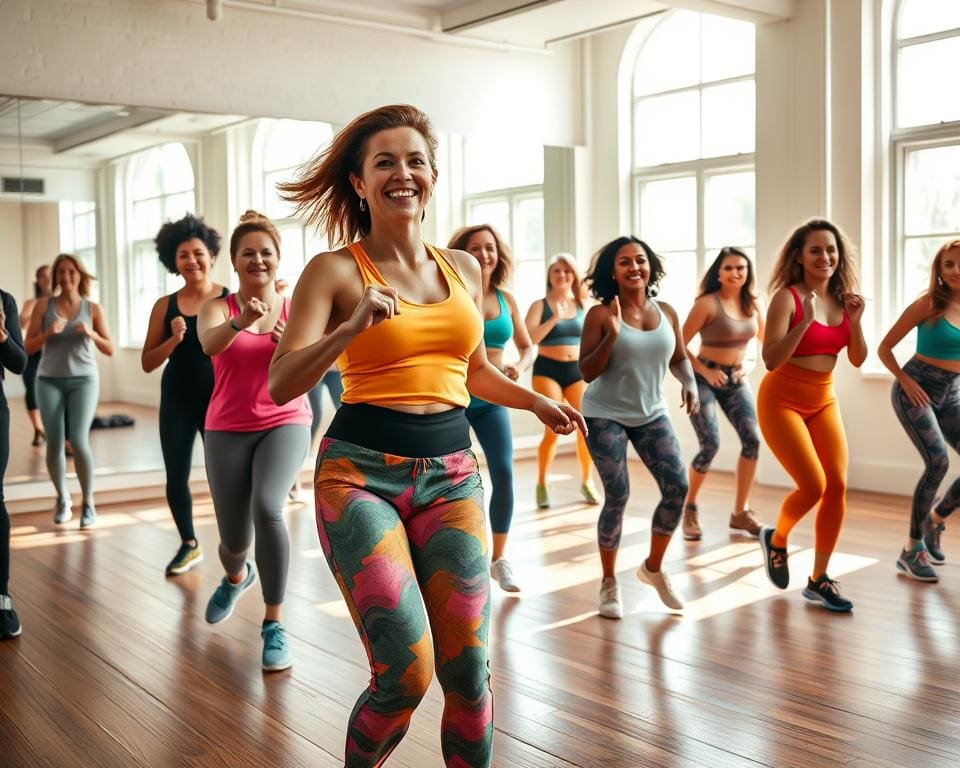
Dance workouts are far more than a fun way to exercise; they serve as a transformative journey towards enhancing self-esteem and fostering self-expression. Engaging in rhythmic movement allows individuals to connect with their emotions, ultimately promoting improved mental well-being. The communal atmosphere of dance creates a supportive environment where participants can celebrate their unique abilities, enabling them to boost confidence and embrace their individuality. By incorporating dance into your routine, you can achieve not only physical fitness but also a profound sense of empowerment.
The Link Between Movement and Confidence
Engaging in various forms of physical activity can yield remarkable improvements in both mood and emotional well-being. This notion stems from the scientific research demonstrating the profound benefits of physical activity on mental health.
The Science Behind Physical Activity
Physical activity triggers the release of endorphins, which are hormones that enhance feelings of happiness and self-worth. Such biochemical responses illustrate the vital connection between movement and confidence. Individuals who incorporate regular exercise into their lives often experience a notable elevation in their moods as well as a stronger sense of self-acceptance.
How Dance Influences Mental Well-being
Among various forms of exercise, dance stands out as a unique pathway for fostering emotional health. Dance not only engages both mind and body but also paves the way for self-expression and creativity. This dynamic form of exercise promotes a sense of connection to oneself and others, providing a supportive environment for people to cultivate their dancing and well-being. Regular participation in dance can significantly reduce feelings of anxiety, thereby enhancing overall confidence and promoting a feeling of community.
How can dance workouts boost confidence?
Dance workouts serve as a vibrant platform for individuals to embark on journeys of self-discovery and acceptance. Through expressive movement, participants can unlock emotions and develop a more profound connection with their bodies. This process plays a crucial role in building self-esteem, allowing each dancer to embrace their uniqueness and strengths.
Building Self-Esteem Through Expressive Movement
The power of expressive movement in dance cannot be underestimated. It allows individuals to articulate their emotions physically, creating a safe space for personal exploration. Engaging in dance workouts fosters a sense of liberation, promoting body positivity while redefining personal narratives. As individuals learn to move freely, they often witness a remarkable transformation in their self-image, enhancing feelings of worth and confidence.
Overcoming Insecurities and Embracing Your Body
Dance can serve as a valuable tool for overcoming insecurities. Each session presents an opportunity for participants to confront societal beauty standards and shift focus towards self-acceptance. Through dance, individuals can appreciate their bodies in a new light, learning to celebrate what makes them unique. This journey not only encourages body positivity but also supports lasting change in how one views themselves, paving the way for a more confident and empowered future.
The Role of Community in Dance Workouts
The transformative nature of dance workouts extends beyond the movement itself. Participation within a vibrant dance community fosters an atmosphere of encouragement and accountability. Group classes serve as a foundation for social support, enabling dancers to build confidence through shared experiences and collaboration.
Finding Support and Encouragement in Group Classes
Engaging in group classes allows individuals to connect with others who have similar interests. This setting is ideal for cultivating relationships that motivate dancers to push their boundaries. The support found in group dynamics can be a vital part of overcoming challenges, both in terms of skill and self-confidence. Key benefits include:
- Camaraderie: Dancers uplift and inspire one another, creating a nurturing environment.
- Increased motivation: A collective attitude enriches each individual’s journey, sparking a desire to improve.
- Shared challenges: Facing difficulties in dance together cultivates resilience and solidarity.
Sharing Experiences with Fellow Dancers
Shared experiences contribute significantly to the sense of belonging that many find in dance communities. Whether it’s celebrating milestones or discussing struggles, these interactions enhance the overall learning experience. The bonds formed through these dialogues further establish a supportive network, offering a safe space for expression. Participants often find that their personal growth is expedited through collaboration, as they learn from each other and draw strength from their collective journey.
Dance as a Tool for Personal Empowerment
Engaging in dance workouts creates an extraordinary avenue for personal empowerment, particularly through the process of setting and achieving performance goals. This proactive approach to self-improvement allows dancers to redefine their capabilities and expand their horizons.
Setting and Achieving Performance Goals
Setting performance goals cultivates a sense of direction and motivation within dancers. By mastering challenging choreography or preparing for competitive showcases, individuals can witness a remarkable transformation in their self-efficacy. Establishing clear objectives not only boosts confidence but also reinforces commitment to personal growth.
Transforming Self-Perception Through Dance Techniques
Participating in various dance techniques can significantly transform one’s self-perception. As individuals work on their skill sets, the confidence gained through mastering intricate moves fosters a more positive view of oneself. Enhanced body awareness through practice often leads to improved posture and presence, promoting an enriched self-image. Transformative moments during practice create ripples of confidence that extend beyond the dance floor.
Different Dance Styles and Their Impact on Confidence
The world of dance encompasses a plethora of styles, each with its distinctive flair and potential for nurturing confidence. Delving into various dance genres can reveal paths to personal growth through dance, allowing individuals to discover their unique rhythms and expressions. Understanding the impact on confidence that different dance styles provide is vital in selecting one that aligns with personal aspirations.
Exploring Various Dance Genres
From the elegance of ballet to the exuberance of hip-hop, exploring diverse dance genres opens up opportunities for self-discovery. Each style contributes uniquely to personal growth through dance and presents varying forms of expression. For example, while ballet emphasises discipline and grace, hip-hop encourages creativity and spontaneity. Participants can experience an enhanced sense of self through these distinctions, fostering an environment where self-esteem flourishes.
Selecting the Right Style for Personal Growth
Choosing the most suitable dance style can significantly influence one’s journey towards confidence. A dance style that resonates with personal identity can create moments of joy and satisfaction. Many find that contemporary dance offers a platform for expressing individuality, while ballroom dance promotes collaboration and social interaction. By identifying a genre that aligns with personal values and preferences, individuals not only enjoy learning but also cultivate a deeper sense of belonging and boost their confidence levels.
Incorporating Dance Workouts into Your Routine
Embracing dance workouts can transform your fitness journey, enriching your life with joy and energy. To make the most of these activities, developing a sustainable dance schedule is essential. By thoughtfully incorporating dance workouts into your daily or weekly routine, you can ensure consistency and commitment. This will help enhance both your confidence and skill level as you progress.
Creating a Sustainable Dance Schedule
A well-structured dance schedule is fundamental to integrating dance into your lifestyle. Here are some tips for creating a sustainable plan:
- Assess your current commitments to find the best times for your workouts.
- Set realistic goals to keep motivation high and avoid burnout.
- Incorporate a mix of different styles to maintain excitement and challenge.
- Plan your sessions around moments when you feel energetic and ready to dance.
Types of Dance Workouts for Every Skill Level
The beauty of dance lies in its versatility, offering a plethora of types of dance workouts designed for all skill levels. Beginners can explore:
- Ballet fundamentals to understand proper technique and posture.
- Zumba classes that provide a fun and engaging way to start dancing.
Intermediate and advanced dancers can delve into:
- Hip-hop routines that push their limits and creativity.
- Contemporary styles that allow for expressive movement and emotional storytelling.
By recognising your skill level, you can choose workouts that align with your experience, fuelling your passion for dance.
Real-Life Experiences: Stories of Transformation
Across the UK, numerous individuals have embarked on remarkable dance journeys that showcase the essence of real-life transformation. These confidence-building stories highlight how dance workouts have led to profound changes in self-perception and personal growth through dance. From those who first stepped into a studio seeking fitness to others who wished to overcome shyness, the narratives are as varied as the dance styles themselves.
One inspiring account reveals how a participant in a local contemporary dance class initially struggled with body image issues. Through the rhythm and movement, they not only shed physical insecurities but discovered newfound strength and confidence. Such stories echo a common theme: the power of dance to foster self-empowerment and resilience against life’s challenges, demonstrating that commitment to dance can indeed alter the course of one’s life.
These personal testimonies serve as reminders of the communal aspect of dance. Each individual, while on their unique path, contributes to a shared environment where encouragement and support flourish. As dancers engage in this collective experience, they inspire one another to face their fears and embrace their true selves, turning rehearsal time into a celebration of personal growth and transformation through dance.