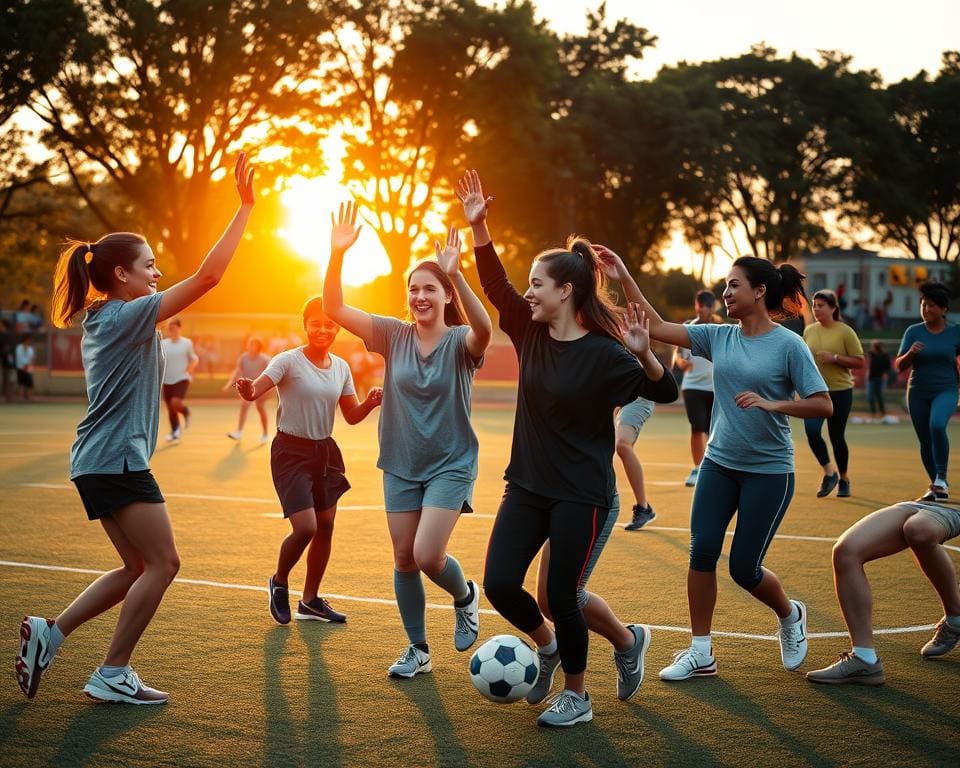
The allure of group sports for beginners lies in their unique capacity to foster motivation through teamwork and camaraderie. As novices engage with others in these dynamic environments, they find encouragement that significantly enhances their experience. The shared goal of improving and succeeding together not only cultivates a sense of belonging but also makes the journey enjoyable. Research shows that beginners often remain committed to their activities when they feel connected to their teammates, pushing past their limitations while relishing every moment of the fitness journey.
The Power of Camaraderie in Group Sports
Engaging in group sports opens the door to not just physical fitness but also invaluable social connections. The camaraderie developed among participants enhances the overall experience, making it more enjoyable and fulfilling. This strong bond lays the groundwork for lasting relationships that motivate individuals to persist and excel.
Building Strong Relationships
In the realm of group sports, forming relationships goes beyond casual interactions. The shared experiences and challenges help forge connections that often extend beyond the sports field. Participants often find that having friends within their teams creates a deeper sense of commitment. This sense of belonging catalyses motivation, encouraging team members to actively participate and push each other towards achieving collective goals.
Creating a Supportive Environment
A supportive environment plays a crucial role in fostering motivation, especially for beginners. This atmosphere nurtures trust and collaboration, allowing individuals to feel secure enough to tackle initial challenges. The encouragement from teammates and coaches creates a layer of reassurance, helping individuals to overcome obstacles and maintain their interest. In such an environment, players can thrive, enhancing their performance while enjoying the journey.
Enhanced Accountability Through Team Dynamics
Participation in group sports fosters a unique sense of accountability. Engaging with teammates often motivates individuals to embrace their roles within the group. This dynamic transforms not only the way players perceive their participation but also how they commit to their training and performance.
Peer Motivation to Engage
The nature of team dynamics encourages a culture of peer motivation. When players see their teammates giving their best effort, it ignites a spark to reciprocate. This shared experience leads to heightened enthusiasm, resulting in a collective drive to improve. In essence, accountability emerges from the understanding that every member’s performance contributes to the team’s success.
Commitment to Attend Practices and Games
Being part of a team creates social obligations that enhance commitment levels. Players feel a responsibility not only to themselves but to their peers as well. This accountability translates into consistent attendance at practices and games. The desire to support one another and strive for collective goals solidifies a reliable practice regime, shining a light on the importance of being there for each other.
Why are group sports motivating for beginners?
Engaging in group sports provides a unique platform for motivation, especially for beginners. The energy and enthusiasm shared among teammates can create an uplifting environment that fosters a desire to improve. This collective spirit often ignites a sense of excitement, encouraging newcomers to push their limits and embrace the challenges ahead. The visibility of progress within a supportive group adds to the motivation, as individuals witness firsthand the achievements of their peers.
Commitment plays a crucial role in the journey of beginners in group sports. Participating with others not only keeps individuals accountable but also instils a sense of responsibility towards the team. This camaraderie enhances a beginner’s commitment to showing up, training hard, and participating fully in games. The bond formed through shared struggles and victories often leads to lasting friendships, further solidifying the motivation to continue.
Through shared goals and experiences, beginners develop not just sport-specific skills, but also self-confidence. The encouragement received from teammates can amplify one’s sense of achievement, which fuels further progress. In essence, group sports cultivate an atmosphere of positivity that empowers beginners, turning the act of participation into an inspiring journey of growth and fulfillment.
Developing Essential Skills in a Team Setting
Participating in group sports fosters essential skills that play a significant role in a person’s personal and social development. Engagement in a team setting provides individuals with the opportunity to refine their communication and teamwork abilities. These skills not only enhance performance on the field but also extend to daily interactions and relationships.
Improving Communication Skills
Effective communication serves as the backbone of any successful team. Athletes quickly learn to articulate strategies, share constructive feedback, and express their thoughts clearly. This exchange not only improves performance but also builds trust among teammates, creating a harmonious environment that is conducive to success.
Learning Teamwork and Collaboration
Team sports require collaboration, making teamwork an essential skill to master. Players develop an understanding of how to work together towards a common goal, recognising the strengths and weaknesses of each participant. This synergy fosters mutual respect and lays the groundwork for lifelong partnerships both on and off the field.
The Impact of Positive Reinforcement
Positive reinforcement plays a crucial role in fostering a motivating atmosphere within group sports. By celebrating small victories, participants learn to appreciate their progress and achievements, both individually and as part of a team. This culture of recognition not only boosts morale but also cultivates a sense of belonging among team members.
Celebrating Small Victories Together
Each small victory deserves recognition, as it contributes significantly to the overall progress of a team. Acknowledging these moments encourages participants to strive for improvement. Whether it is completing a challenging drill or achieving a personal best in performance, these milestones instil a sense of accomplishment. Celebrating together fosters camaraderie, reinforcing the value of teamwork and the joy of shared success.
Encouragement from Coaches and Peers
Coaching styles that emphasise encouragement lead to heightened self-confidence among beginners. When coaches offer positive reinforcement and constructive feedback, individuals are more likely to push their boundaries. Peer encouragement also amplifies this effect, as teammates motivate each other to overcome challenges. This supportive environment nurtures resilience, encouraging participants to view setbacks as opportunities for growth and development.
Physical Health Benefits of Group Sports
Engaging in group sports remarkably enhances physical health and overall fitness levels. The dynamic nature of team activities fosters an environment where participants not only enjoy themselves but also reap significant health advantages. Regular involvement in these sports can lead to improved cardiovascular fitness, heightened endurance, and a robust sense of well-being.
Boosting Overall Fitness Levels
Participating in group sports naturally encourages an increase in fitness levels. The collaborative aspect of team sports motivates individuals to push their boundaries, resulting in greater stamina and muscular strength. Group activities often involve various exercises, ensuring a well-rounded approach to fitness and reducing the monotony commonly associated with solitary workouts.
Promoting Healthy Lifestyle Choices
Involvement in group sports cultivates a healthy lifestyle among participants. Being part of a team instils a sense of responsibility towards oneself and others, promoting healthy habits both on and off the field. Regular training and social interaction encourage individuals to stay active, leading to sustained engagement in fitness routines that bolster long-term health benefits.
Expanding Social Circles and Friendships
Engaging in group sports provides an excellent opportunity to expand social circles and build meaningful friendships. As beginners participate in various activities, they naturally connect with like-minded individuals who share similar interests. The environment of teamwork and collaboration fosters a sense of belonging, making it easier to forge connections that extend beyond the sports field.
Meeting People with Similar Interests
Group sports attract individuals who are interested in similar activities, enhancing the chances to meet new people. Shared passions develop common ground, allowing for conversations to flow and friendships to blossom. Participants often discover that their interactions bring joy and support, enriching their experiences both in and out of sports.
Fostering Long-lasting Connections
The time spent in practice sessions and friendly competitions creates lasting bonds among teammates. These long-lasting connections provide a support network, encouraging individuals to remain active in sports while forging deeper friendships. Emotional ties formed through shared challenges and triumphs lead to a strong sense of community, allowing social circles to flourish and friendships to endure over time.
The Element of Fun and Enjoyment
In the realm of group sports, the element of fun and enjoyment serves as a cornerstone for motivating beginners to engage consistently. The thrill of participating in a team setting often transforms the perception of physical activity from a mundane task into a captivating experience. When individuals find joy in the activities they undertake, they are far more likely to commit to their practice sessions and competitions, thus fostering a healthy rapport with exercise.
The camaraderie formed among teammates contributes significantly to this enjoyment. Sharing laughs, celebrating successes, and overcoming challenges together enhances the overall experience, reinforcing motivation to stay active. This social aspect not only encourages friendly competition but also ignites a spirit of support that propels beginners to transcend their perceived limits.
Furthermore, the collective pursuit of goals within group sports infuses participants with a sense of belonging, making the journey all the more rewarding. As enjoyment becomes a central theme, the barriers to entry diminish, allowing novices to immerse themselves fully. Ultimately, embracing the fun inherent in group sports ensures that motivation is nurtured, paving the way for a lasting commitment to an active lifestyle.