
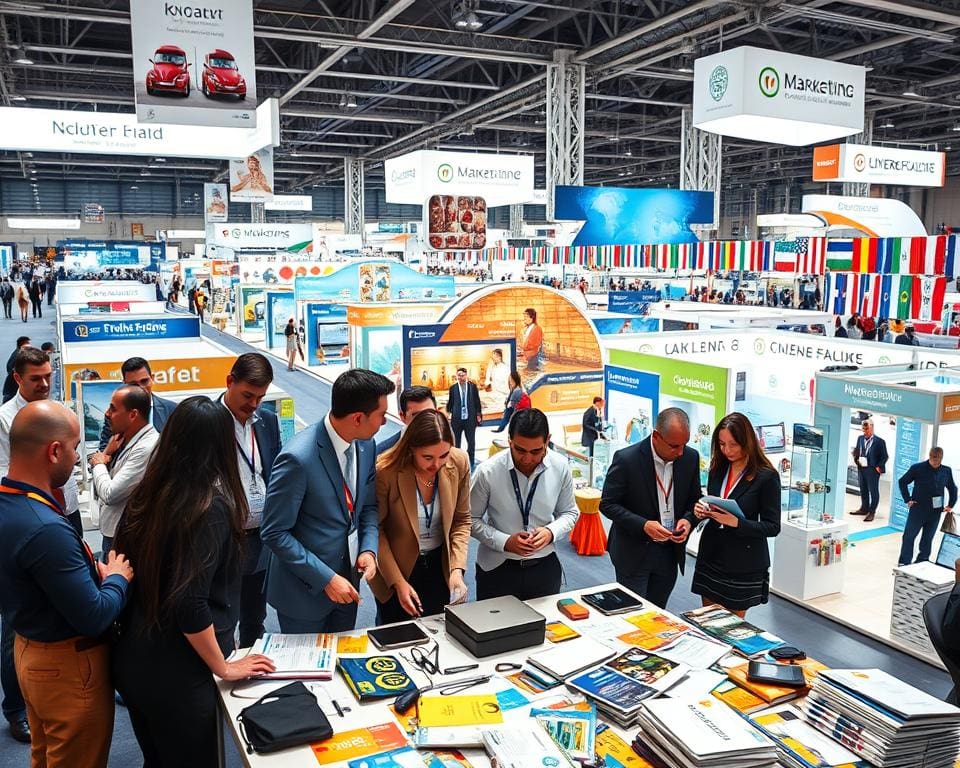
Participating in international fairs is a significant endeavour that demands meticulous planning and strategic foresight. Marketing teams must adopt effective marketing strategies for international fairs to maximise their impact and achieve their objectives. The preparation for trade shows begins long before the event itself, with extensive research and logistical arrangements setting the foundation for success. From identifying key audiences to developing compelling event marketing materials, each aspect plays a critical role in ensuring a cohesive and engaging presence at global exhibitions.
Moreover, the branding at international fairs must resonate with diverse audiences, integrating cultural sensitivities to foster meaningful connections. Proper preparation not only helps in showcasing products effectively but also positions brands as leaders within their respective industries. By understanding the nuances of international events and employing thoughtful marketing approaches, teams can transform potential challenges into rewarding opportunities.
Understanding the Importance of International Fairs
International fairs serve as a crucial platform for businesses aiming to expand their reach and forge meaningful connections. These events attract participants from various sectors, fostering an environment where companies can showcase their products, exchange ideas, and ultimately enhance their brand visibility. For many businesses, participating in trade fairs is a strategic move that paves the way for developing robust international business connections, which can significantly influence their growth trajectory.
The benefits of networking at international fairs cannot be overstated. Engaging directly with potential partners, suppliers, and customers allows businesses to cultivate B2B relationships that might otherwise take months to establish. This face-to-face interaction is invaluable, as it builds trust and rapport, which are essential in today’s competitive market. Furthermore, the exchange of knowledge and insights during these events can inspire new product developments and marketing strategies.
The Role of Networking in International Fairs
Trade fair networking is not only about personal interactions; it’s also a chance to gather market intelligence. Businesses can observe and learn from competitors, identify industry trends, and gauge customer preferences. This holistic understanding enables organisations to tailor their offerings more effectively, ensuring they remain relevant in an ever-evolving marketplace. Ultimately, the connections made at these international fairs are foundational in driving long-term success and sustainability within the global economy.