
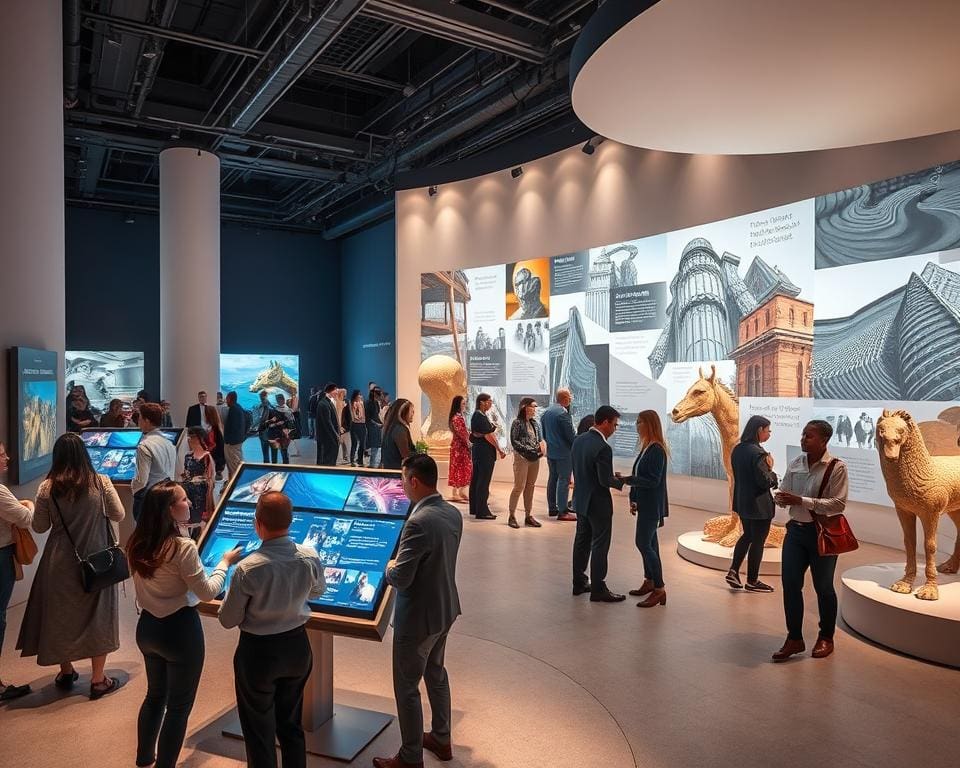
In the realm of exhibition design, visual storytelling emerges as a vital component that shapes immersive experiences for attendees. By seamlessly integrating narratives with visual elements, designers can communicate intricate ideas in an engaging and straightforward manner. Exhibitions serve as transformative platforms where brands and institutions convey their values, stories, and innovations, making the design importance undeniable. With effective visual storytelling strategies, exhibitions not only captivate but also resonate with visitors, fostering connections that extend beyond mere informational content. The impact of visual storytelling is profound, engaging, informing, and inspiring action among audiences to enhance their overall experience.
The Power of Visual Storytelling in Design
In the realm of exhibition design, visual storytelling holds transformative power. It enables creators to forge emotional connections with visitors while enhancing overall audience engagement. The ability to weave compelling visual narratives significantly amplifies the storytelling impact, driving visitors to interact with the exhibits on a deeper level.
Creating Emotional Connections
Effective visual storytelling evokes emotions such as nostalgia, excitement, and empathy. These emotional connections become pivotal, allowing visitors to relate intimately to the themes being presented. When immersive installations reflect personal stories or highlight community histories, they evoke powerful responses that increase visitor interest and engagement.
Enhancing Audience Engagement
Engaging audiences goes beyond merely showcasing visuals. Integrating interactive elements invites visitors to actively participate in the experience. Touchscreen displays, augmented reality features, and tactile exhibits leverage the visual design power to deepen connections with the content. As a result, visitors leave with a more memorable and meaningful experience, further illustrating the storytelling impact of thoughtfully crafted exhibition designs.
Key Elements of Effective Exhibition Design
Creating an engaging exhibition experience relies heavily on several key elements. The strategic use of colour imagery, the integration of technology, and thoughtful spatial arrangement all play pivotal roles in crafting a memorable environment. Each element works in harmony to draw visitors in and guide them through an enriching journey.
Utilising Colour and Imagery
The power of colour imagery cannot be overstated. Colours evoke emotions and can significantly influence how visitors perceive the exhibit. Warm hues may create feelings of comfort, while cooler tones can impart a sense of calm. Coupled with striking imagery, these colours capture attention and effectively convey the desired messages, reinforcing the theme of the exhibition.
Integrating Technology
Technology integration adds a dynamic layer to exhibitions, engaging modern audiences in ways that traditional displays cannot. Interactive displays, augmented reality experiences, and virtual reality elements spark curiosity and enable visitors to explore the content more immersively. Such innovative approaches enhance the overall narrative and keep the audience interested throughout their visit.
Spatial Arrangement and Flow
Efficient spatial arrangement ensures that the exhibition flows seamlessly. A well-considered layout guides visitors intuitively from one section to another, promoting a narrative that unfolds logically. This careful consideration of spatial arrangement enhances the overall experience, allowing attendees to absorb information in a structured manner while encouraging exploration.
Why is visual storytelling important in exhibition design?
Visual storytelling serves as a robust foundation for enhancing exhibition design. This approach not only captivates audiences but also plays a vital role in shaping brand identity. Through the careful crafting of visual narratives, brands can effectively communicate their core values, creating lasting impressions on visitors.
Fostering Brand Identity
Visual storytelling importance becomes evident as brands leverage curated narratives to forge connections with their audience. Elements such as imagery, colour palettes, and design themes harmoniously reflect a brand’s ethos. This careful alignment allows visitors to engage with the brand on a deeper level, ensuring that the identity is not just seen but felt.
Encouraging Interaction and Participation
The design of interactive elements within exhibitions greatly enhances visitor experience. By integrating opportunities for interaction and participation, brands encourage visitors to immerse themselves in the narrative. Activities such as hands-on displays, feedback stations, and participatory workshops foster a sense of community and involvement, reinforcing emotional ties to the brand. Through these engaging experiences, visitors are more likely to leave with a memorable impression, leading to increased loyalty.
The Role of Narrative in Exhibition Experiences
In the realm of exhibition design, the narrative role serves as a powerful conduit for communication. It is essential for conveying a clear and impactful message definition to the audience. An artful narrative weaves together the various elements of an exhibit, directing visitors on a purposeful journey. This approach transforms data and visuals into a compelling experience that resonates with viewers.
Defining Your Message
At the heart of effective exhibition design lies a well-defined message. This clarity acts as a cornerstone, informing decisions regarding layout, visuals, and interactive components. A focused message definition ensures that every aspect of the exhibition supports the primary aim, guiding visitors effortlessly through each segment. This alignment not only captivates attention but also fosters a deeper connection to the subject matter.
Building a Cohesive Narrative
For cohesive storytelling to flourish, it is important to construct a storyline that seamlessly integrates with the exhibition’s visual themes. Each detail, from the choice of colours to the arrangement of artefacts, should harmoniously contribute to the overall narrative arc. This approach allows visitors to engage with the content on multiple levels, forging a connection that is both emotional and informative. By encouraging exploration and reflection, a well-crafted narrative keeps the audience engaged throughout their experience.
Case Studies of Successful Visual Storytelling
Exploring successful case studies in visual storytelling offers invaluable insights into effective exhibition design. The V&A Museum in London exemplifies this approach through its immersive storytelling techniques that beautifully highlight the history of design and fashion. By creating captivating experiences, the museum not only informs its visitors but also inspires a deeper appreciation for the art of design.
Another remarkable example can be seen at the Science Museum, which utilises interactive experiences to engage visitors in scientific exploration through visual narratives. These exhibitions combine cutting-edge technology with informative displays, resulting in dynamic exhibition success stories that captivate diverse audiences. The integration of visual storytelling in this context demonstrates its power to transform conventional displays into remarkable learning experiences.
These visual storytelling examples illustrate how thoughtful narrative development can elevate exhibitions beyond mere displays of artefacts. By crafting well-structured narratives, institutions like the V&A and the Science Museum show how visual storytelling can leave a lasting impression on visitors, fostering a more profound connection with the exhibition’s themes and messages.