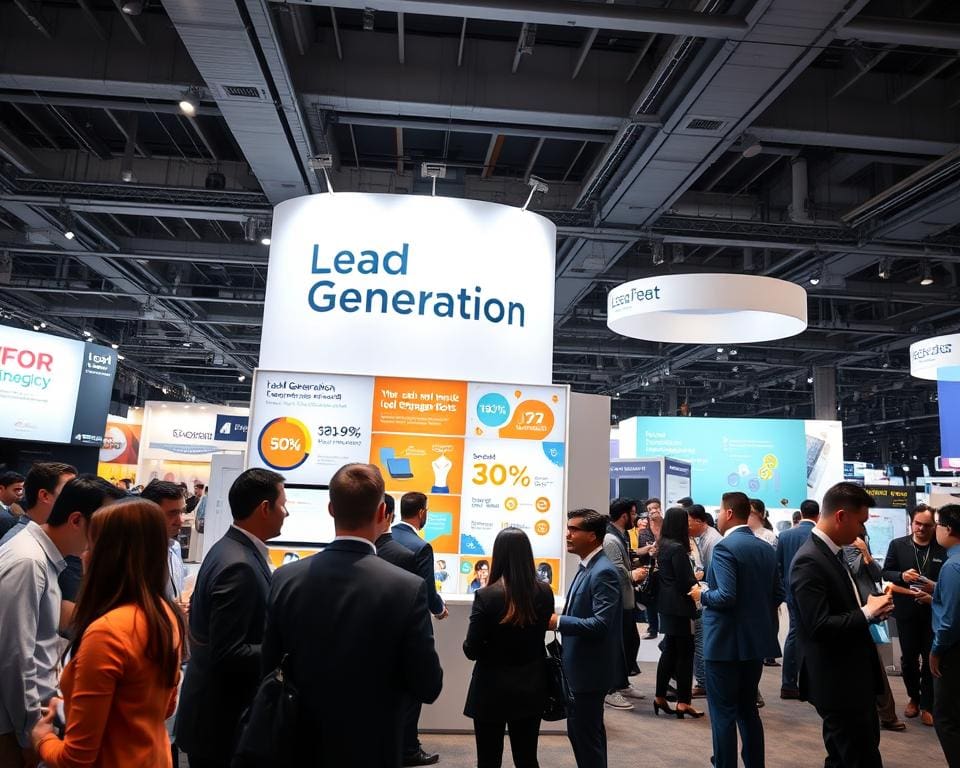
Exhibitions play a pivotal role in reinforcing lead generation strategies within today’s dynamic business landscape. As venues for insightful networking, they foster critical connections that can elevate marketing efforts and drive substantial business growth. Trade fairs serve as a unique platform where brands can amplify their presence, engage intimately with potential customers, and showcase innovations. The benefits of participating in exhibitions extend beyond mere visibility; they are an investment that can yield impressive returns. By understanding how to leverage these opportunities, companies can unlock their full potential and set the stage for long-term success.
The Role of Exhibitions in Modern Marketing
In the evolving landscape of modern marketing, exhibitions stand out as a vital platform for businesses looking to engage with potential clients. These events provide unique opportunities for face-to-face interaction, allowing brands to convey their message directly and authentically. Research demonstrates that personal engagement significantly influences customers’ purchasing decisions, making exhibitions a cornerstone of successful marketing strategies.
Understanding the Impact of Face-to-Face Interaction
Face-to-face interaction at exhibitions creates an invaluable opportunity for brands to establish personal connections with their audience. These direct encounters encourage dialogue, allowing for immediate feedback and the chance to tailor messaging on the spot. Engaging with prospects in person fosters a sense of community and connection, which can be crucial in a market saturated with digital communication.
The Emotional Connection: Building Trust with Prospects
Building trust through emotional connection during exhibitions is essential for cultivating lasting relationships. When representatives of a brand engage sincerely with attendees, they convey authenticity and reliability. This personal touch can differentiate a company from its competitors, creating a loyal customer base. By prioritising these connections, businesses can pave the way for repeat business and long-term loyalty.
Consumer Engagement at Exhibitions
Exhibitions serve as dynamic platforms for enhancing consumer engagement, with a focus on creating memorable experiences that leave a lasting impression on attendees. Engaging the audience goes beyond traditional marketing; it involves weaving narratives and utilising unique booth designs that resonate deeply with visitors, fostering an emotional connection with the brand.
Creating Memorable Experiences for Attendees
To truly captivate an audience, exhibitions must offer memorable experiences that stand out in a visitor’s mind. Tactical storytelling plays a pivotal role in crafting these experiences. By presenting the brand’s journey or the narrative behind a product, exhibitions can evoke emotions and create a sense of belonging among attendees. This approach drives higher retention rates and bolsters brand recall, ensuring that visitors not only remember the exhibit but also the message it conveys.
Utilising Interactive Technology: Attracting the Right Audience
Interactive technology functions as a powerful tool for audience attraction at exhibitions. Implementing elements such as virtual reality (VR) and augmented reality (AR) engages visitors in innovative ways, offering them unforgettable experiences that traditional displays cannot match. For instance, showcasing products through immersive 3D simulations allows potential customers to interact with offerings, dramatically enhancing their understanding and interest. Successful case studies illustrate that leveraging these technologies not only boosts consumer engagement but also significantly increases the likelihood of conversion.
How do exhibitions support lead generation strategies?
Exhibitions serve as a pivotal platform for businesses to enhance lead qualification through direct engagement. Close interactions with prospects enable companies to grasp their needs and preferences in real-time. This deep understanding leads to a more informed categorisation of leads, aligning them with appropriate follow-up strategies for optimal conversion.
Breaking Down Lead Qualification through Direct Engagement
At exhibitions, the opportunity for direct engagement allows businesses to establish a connection with potential leads. By conversing face-to-face, organisations can gain insights that are often lost in digital communications. These interactions not only help in qualifying leads based on interest and engagement but also mark the beginning of meaningful exchanges that can progress into long-term relationships.
Following Up: Turning Leads into Long-term Relationships
The key to nurturing these connections lies in proactive follow-up strategies. Timely communication after an exhibition can significantly increase the chances of converting leads into loyal customers. Businesses should consider employing personalised messages that reflect the conversations held during the event. Consider utilising various mediums, such as emails or phone calls, to maintain engagement and foster long-lasting relationships with prospects.
Metrics for Success: Measuring Lead Generation at Exhibitions
Understanding the effectiveness of lead generation strategies requires an in-depth look at various metrics. Businesses can track key performance indicators (KPIs) to gain insights into their exhibitions’ impact. These KPIs encompass a range of factors that contribute to lead generation success.
Key Performance Indicators for Evaluating Impact
Key performance indicators serve as essential tools for assessing the outcomes of exhibitions. A few important metrics include:
- Number of leads generated
- Conversion rates
- Overall return on investment (ROI)
- Engagement levels at the event
- Follow-up success rates
By analysing these indicators, businesses can identify which strategies performed effectively and which areas require enhancement for future exhibitions.
Using Data Analytics to Enhance Future Strategies
Data analytics plays a pivotal role in interpreting lead generation success. By harnessing data, organisations can make informed decisions that improve their approach in subsequent exhibitions. For example, tracking attendee behaviour might reveal the most engaging exhibit features, allowing businesses to invest in what resonates most with potential leads.
Moreover, data-driven strategies can lead to:
- Tailored marketing messages based on audience preferences
- Optimised booth design for improved attendee interactions
- Refined follow-up processes for greater lead conversion
Ultimately, leveraging metrics and data analytics allows companies to create more effective lead generation frameworks, ensuring they remain competitive in a rapidly evolving marketplace.
Best Practices for Maximising Lead Generation at Exhibitions
When it comes to exhibitions, implementing the best practices can significantly enhance the potential to maximise lead generation. Focused effort on both exhibit design and staff training plays a crucial role in attracting visitors and converting interest into actionable leads. Here are some strategies to consider.
Preparing a Compelling Exhibit: Designing for Success
A well-designed exhibit serves as the heart of your exhibition presence. Effective exhibit design should reflect your brand, create an inviting atmosphere, and encourage engagement. Consider these core elements:
- Layout: Ensure that your exhibit flows well and promotes easy navigation. Open spaces encourage foot traffic, while designated areas for interaction should be strategically positioned.
- Signage: Use clear and visible signs that communicate your messages succinctly. Eye-catching graphics can attract passers-by while conveying essential information about your offerings.
- Creative Elements: Incorporate interactive features and multimedia presentations to captivate your audience. Engaging experiences make a lasting impression and increase the likelihood of lead capture.
Training Staff to Effectively Engage with Potential Leads
Even the most compelling exhibit can fall short without properly trained staff. Effective staff training is pivotal for meaningful engagement with potential leads. Consider adopting following initiatives:
- Product Knowledge: Ensure that staff are well-versed in your products or services, enabling them to answer questions confidently and accurately.
- Active Listening: Encourage representatives to actively listen to visitors’ needs, fostering a more personalised interaction and demonstrating genuine interest in their concerns.
- Interpersonal Skills: Focus on developing the ability to build rapport and establish trust with attendees. Positive interactions can significantly influence conversion rates.
Case Studies: Successful Lead Generation through Exhibitions
Examining real-world examples of businesses that have capitalised on exhibitions reveals how diverse strategies can lead to successful lead generation. One such case involves a tech company that transformed its booth into an interactive experience featuring virtual reality demonstrations of its products. This creative approach not only drew visitors in but also significantly increased the qualified leads collected during the event. By inviting attendees to engage with the product in a tangible way, the company surpassed its lead generation targets.
Another illuminating case study comes from a consumer goods brand that focused on post-event follow-up processes. By ensuring their sales team had tailored communications ready to go immediately after the exhibition, they managed to convert many leads into lasting business relationships. This approach highlighted the importance of not just capturing lead information, but also nurturing it efficiently. The brand reported a substantial increase in conversion rates as a direct result of their systematic follow-up strategy.
These case studies serve as powerful reminders that successful lead generation through exhibitions is not merely about flashy booths or promotional giveaways. Instead, it is about integrating creativity with well-planned follow-up processes. Businesses that learn from these real-world examples can better tailor their own exhibition strategies to maximise their lead generation opportunities while fostering authentic connections with potential clients.