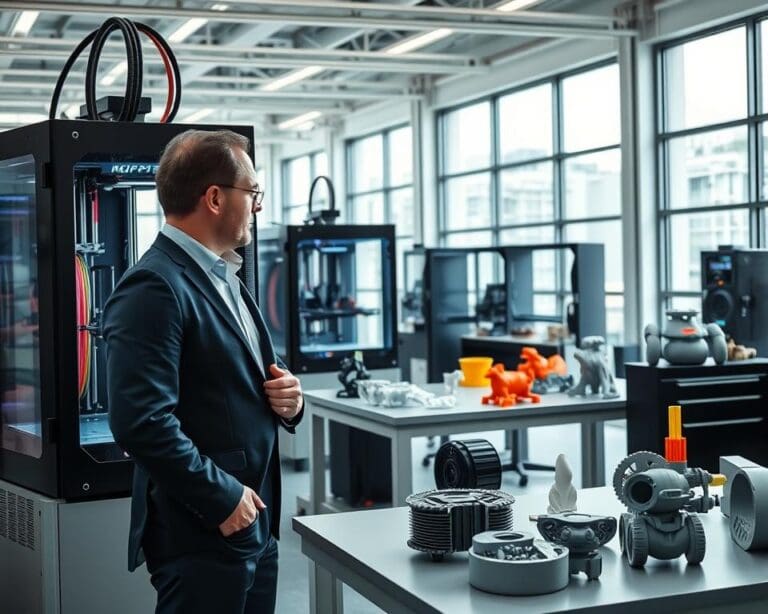
In the realm of workplace safety, the integration of technical standards plays a paramount role in safeguarding employees and enhancing equipment reliability. Adherence to these standards not only ensures compliance with safety regulations but also fosters an environment where safety becomes a shared responsibility. As organisations strive to minimise risks, understanding the intrinsic value of technical standards is essential. By cultivating a culture that prioritises safety, workplaces can effectively reduce accidents, boost productivity, and promote a more secure work environment.
The Importance of Technical Standards in Workplace Safety
The role of technical standards in workplace safety cannot be underestimated. These standards provide essential guidelines to ensure that equipment, processes, and services meet defined requirements, promoting not just efficiency but also safety for all employees. Technical specifications outline the necessary criteria for design, manufacturing, and performance, aligning with the importance of standards in various industries.
Defining Technical Standards
Technical standards are formal documents that establish criteria for the quality, safety, and efficiency of products and services. They include a wide array of guidelines, from design specifications to testing methods. Institutions like the International Organisation for Standardisation (ISO) create these comprehensive frameworks, ensuring that businesses can operate safely and effectively. Such standards play a crucial role in enhancing workplace safety measures, facilitating a safer environment for all workers.
The Role of Compliance in Safety
Compliance with technical standards is vital to maintaining a safe workplace. Regulatory bodies, such as the Health and Safety Executive (HSE) in the UK, outline compliance guidelines that organisations must follow. This adherence not only minimises risk but also fosters a culture of safety and responsibility in the workplace. By following these technical specifications, companies can mitigate hazards, protecting employees from potential accidents and injuries, thus reinforcing the importance of standards as a fundamental aspect of operational integrity.
How do technical standards improve workplace equipment safety?
Standardisation plays a crucial role in enhancing workplace equipment safety across various sectors. By establishing consistent protocols, industries can achieve a higher level of safety for both employees and equipment. Cross-industry standards provide a framework that not only ensures equipment functionality but also sets benchmarks for performance and reliability. These standards effectively bridge the gap between different sectors, fostering collaboration and innovation.
Standardisation Across Industries
The adoption of standardisation facilitates a streamlined approach to safety protocols. Various industries, from manufacturing to healthcare, have begun to embrace harmonised standards that help to mitigate risks associated with equipment use. For instance, in the healthcare sector, medical devices adhere to rigorous safety standards, ensuring they are reliable and effective in critical situations.
By implementing consistent safety measures, organisations can greatly reduce equipment failure rates and enhance overall operational efficiency. Reliable equipment functionality is essential for maintaining productivity and safeguarding the well-being of employees. Moreover, the establishment of cross-industry standards enables sectors to learn from each other, driving continual improvement in safety practices.
Key Technical Standards to Consider
In considering workplace safety and equipment reliability, technical safety standards serve as the backbone for operational excellence. Recognised frameworks such as ISO standards and BSI standards are essential in establishing protocols that ensure safety across various applications in industry. Understanding these standards contributes significantly to compliance and effective risk management.
ISO Standards and Their Applications
ISO standards, particularly ISO 45001, focus on occupational health and safety management systems. This standard guides organisations in creating a safe working environment by effectively managing risks. The applications in industry for ISO standards are vast, covering areas such as manufacturing, construction, and healthcare. By adhering to these guidelines, companies not only protect their workforce but also enhance operational efficiency and reputation.
BSI Standards: A Trusted Resource
BSI standards provide an invaluable resource for organisations aiming to meet technical safety standards. The British Standards Institution develops these standards through extensive research and stakeholder consultation. This collaborative effort ensures that BSI standards reflect current best practices applicable across different industries. Implementation of BSI standards allows businesses to navigate compliance with confidence, fostering a culture of safety and continual improvement.
The Impact of Non-Compliance with Technical Standards
Understanding the implications of failing to adhere to technical standards is crucial for any organisation. Non-compliance risks can lead to serious consequences of neglect, affecting both safety and business operational integrity. Awareness of these risks paves the way for proactive measures that can prevent devastating outcomes.
Potential Risks and Consequences
Non-compliance with technical standards creates a spectrum of risks that can endanger employees and the workplace environment. Some of the key consequences include:
- Increased likelihood of equipment failures, resulting in costly repairs or replacement.
- Legal penalties including fines and sanctions that can significantly impact finances.
- Injury to employees, which can lead to lawsuits and damage to the organisation’s reputation.
- Operational downtime caused by accidents or equipment malfunctions.
Case Studies of Non-Compliance
Real-world examples illustrate the dangers associated with neglecting technical standards. Consider the case of a manufacturing company that suffered an equipment failure due to outdated safety protocols. This incident not only caused physical harm to workers but also resulted in substantial legal costs and a damaged public image.
Another instance involved a construction firm where non-compliance risks led to a major accident on-site. The safety inspection revealed several violations of established standards, prompting a thorough investigation that revealed serious gaps in safety training.
These case studies reveal the undeniable reality that neglecting technical standards can culminate in disastrous outcomes, emphasizing the need for rigorous adherence to safety protocols.
How Technical Standards Enhance Equipment Design
Technical standards play a pivotal role in shaping equipment design, focusing on safety features and ergonomics that significantly improve user experience. By integrating these standards, manufacturers ensure that their products are not only compliant but also cater to the safety and comfort of the workforce.
Incorporating Safety Features
Safety features form the backbone of effective equipment design, as they help mitigate risks associated with workplace operations. Technical standards dictate essential aspects such as:
- Emergency stop mechanisms that ensure swift action can be taken in critical situations.
- Protective guards that prevent access to hazardous areas while the equipment is in use.
- Warning indicators that alert users to potential dangers.
Such safety features not only comply with regulations but also foster a culture of safety, thus reducing the likelihood of accidents across various sectors.
The Role of Ergonomics in Equipment Design
Ergonomics remains an essential component of innovative equipment design, focusing on user-friendly design that enhances comfort during operation. By adhering to ergonomic principles, manufacturers create products that reduce physical strain and fatigue. For instance:
- Adjustable workstations allow users to customise their environment according to their individual needs.
- Handles and grips designed with comfort in mind can significantly enhance user efficiency.
- Control layouts that prioritise ease of use minimise cognitive load on operators.
Investing in ergonomic considerations supports productivity and employee well-being, demonstrating that thoughtful equipment design pays dividends in both health and output.
Training and Awareness: The Role of Technical Standards
In the realm of workplace safety, effective employee training and compliance education form the backbone of success. Educating staff on technical standards is paramount for fostering a culture prioritising safety. Awareness programs are instrumental in equipping employees with the knowledge needed to navigate their responsibilities confidently. Practical strategies exist to drive this education forward.
Educating Employees on Compliance
Implementing robust training initiatives is essential for ensuring compliance with technical standards. Employees should be introduced to the relevant regulations and best practices through comprehensive workshops or interactive sessions. This empowers them to understand the implications of non-compliance and reinforces the importance of adopting safety protocols. Utilizing various mediums such as:
- Interactive e-learning modules
- Informative seminars
- Hands-on demonstrations
can significantly enhance the learning experience. Tailoring content to suit different learning styles encourages active participation and retention of vital information.
Ongoing Training and Development
Continuous development opportunities are crucial in maintaining employee knowledge and competency in safety protocols. Regular updates to training programs ensure that the workforce remains informed about evolving regulations and safety practices. Companies should consider establishing a structured programme that includes:
- Refresher courses at set intervals
- Access to up-to-date materials and resources
- Incentives for completing additional training modules
By investing in ongoing training, organisations not only stay compliant but also cultivate a proactive culture of safety amongst employees. Such commitment to employee training unifies the workforce under shared values of safety and compliance, ultimately leading to a more secure working environment.
The Future of Technical Standards and Workplace Safety
As we look towards the future of standards in workplace safety, it becomes increasingly clear that technical standards will adapt to meet the needs of a rapidly changing environment. With the emergence of advanced technologies, organisations must embrace evolving safety protocols that leverage automation and digital resources. This innovation not only enhances compliance but also empowers businesses to cultivate a culture of safety that is both proactive and responsive to new challenges.
The integration of environmentally sustainable practices into safety protocols will play a pivotal role in shaping workplace safety developments. Safety leaders and industry experts are already advocating for standards that not only protect workers but also contribute to ecological preservation. This shift towards sustainability signifies a broader commitment to corporate responsibility and reflects the growing awareness of the interconnectedness between workplace safety and environmental health.
Moreover, as training and compliance evolve, the focus will shift to fostering continuous professional development. Future technical standards will require organisations to invest in upskilling employees, ensuring that everyone is equipped to navigate the complexities of modernised safety practices. By prioritising education and resources, businesses can secure more resilient and safer workplaces, ultimately paving the way for a brighter future where technical standards remain a cornerstone of safety excellence.