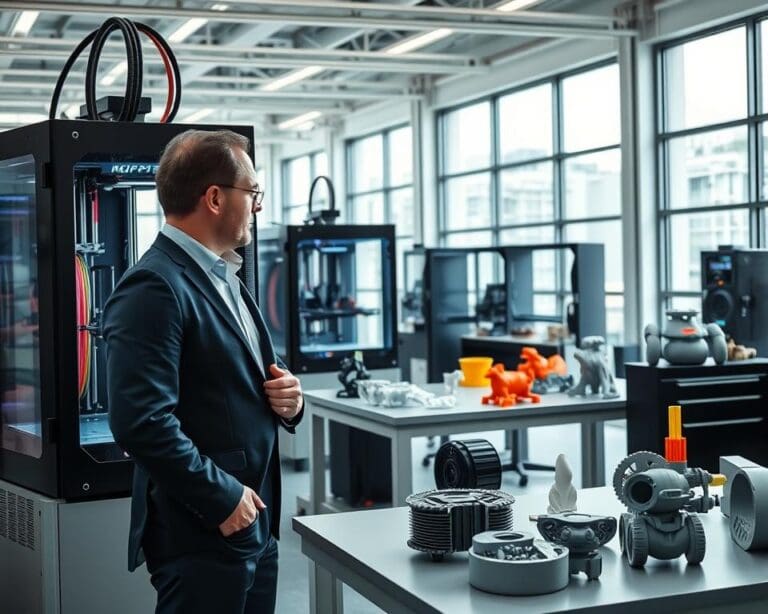
In today’s dynamic industrial landscape, ensuring machinery safety and workplace compliance is paramount. PUWER assessor training is not just a regulatory necessity; it serves as the cornerstone for cultivating a robust safety culture within organisations. By equipping machinery inspectors with the skills to identify hazards, assess risks, and implement safe practices, this training fosters an environment where safety is prioritised. Through such comprehensive training, professionals are empowered to make informed decisions that significantly enhance safety standards across various sectors, creating safer workplaces for everyone.
Understanding PUWER and Its Importance in Machinery Safety
The Provision and Use of Work Equipment Regulations (PUWER) form a fundamental part of UK safety legislation, establishing essential safety requirements for the operation of machinery. Compliance with these regulations is crucial for protecting employees and reducing incidents in the workplace.
The Background of PUWER Regulations
Introduced as part of the Health and Safety at Work Act 1974, PUWER regulations address the safe use of work equipment across various industries. The intent behind these regulations is clear: to mitigate risks associated with machinery and ensure safety for all employees working within potentially hazardous environments.
Key Objectives of PUWER
The primary objectives of PUWER are to ensure:
- Work equipment is suitable for intended use.
- Machinery is maintained in a safe condition.
- Operators are adequately trained and informed about the risks associated with the equipment.
- Appropriate safeguards are in place to prevent accidents.
Benefits of Compliance with PUWER
Adhering to PUWER regulations not only protects employees but also provides significant advantages for businesses, including:
- A reduction in workplace accidents and injuries.
- Enhanced reputation for prioritising employee safety.
- Compliance with machinery safety laws which can lead to lower insurance premiums.
- Improved overall efficiency in operations.
Why is PUWER assessor training essential for machinery inspectors?
In the realm of workplace safety, the role of machinery inspectors has become increasingly vital. They are charged with the significant task of ensuring that equipment adheres to safety standards, safeguarding both workers and the integrity of operations. Understanding their critical functions and enhancing their skills through PUWER assessor training can lead to improved safety practices across various industries.
Roles and Responsibilities of Machinery Inspectors
Machinery inspectors are key players in maintaining compliance with safety regulations. Their PUWER responsibilities include assessing machinery conditions, identifying potential hazards, and ensuring that safety standards are met. By conducting thorough inspections, they play a pivotal role in preventing accidents and fostering a secure working environment. Without their diligence, the risks associated with machinery could escalate, jeopardising workplace safety.
Enhancing Knowledge of Safety Standards
Investing in PUWER assessor training is essential for those in workplace safety roles. This training not only broadens the knowledge of inspectors regarding current safety standards but also equips them with the tools to implement necessary corrective measures. Understanding the nuances of PUWER regulations empowers machinery inspectors to effectively manage risks, ensuring that workplace environments remain safe and compliant.
The Components of PUWER Assessor Training
The PUWER assessor training curriculum is designed to equip participants with the knowledge and skills necessary to ensure machinery operates safely and efficiently. Understanding the core topics of PUWER training plays a crucial role in achieving compliance and promoting workplace safety. This training covers various essential aspects that underpin safe machinery use.
Core Topics Covered in the Training
Among the core topics of PUWER training, participants delve into the following areas:
- Understanding PUWER regulations and their implications
- Risk assessment techniques that identify potential hazards
- Safe operational practices to minimise accidents
- Equipment maintenance procedures to ensure longevity and safety
Practical Assessments and Real-World Applications
Hands-on learning is a fundamental component of machinery safety training. Participants engage in practical assessments, tackling real-world scenarios that allow them to apply theoretical knowledge. Through case studies, they gain insights into effective compliance strategies, reinforcing their understanding of the implemented standards.
Certification and Its Professional Value
Upon completing the training, candidates achieve certification that validates their expertise in PUWER regulations. This credential not only enhances their professional profile but also fosters trust among employers and clients. A recognised qualification in PUWER assessor training elevates career prospects and demonstrates a commitment to maintaining high safety standards in the workplace.
Choosing the Right PUWER Training Course
Selecting a suitable PUWER training course is crucial for ensuring that inspectors are equipped with the necessary skills and knowledge to uphold safety standards. An insightful choice can significantly enhance professional capabilities and contribute to workplace safety. Consider the following key training course features when evaluating options.
Key Features of a Quality PUWER Inspection Training Course
A quality PUWER inspection training course should encompass various essential components, such as:
- Comprehensive Coverage: The course must thoroughly address PUWER regulations and practical applications.
- Qualified Trainers: Trainers should possess relevant expertise and experience in machinery safety.
- Flexibility: The format, whether in-person or online, should cater to diverse learning preferences.
- Interactive Learning: Opportunities for practical assessments and peer engagement enhance the learning experience.
Benefits of IIRSM Approved PUWER Training
Undertaking an IIRSM approved PUWER training course offers numerous advantages that contribute to effective training. Participants can expect:
- Recognised Certification: Enhance credibility and demonstrate commitment to safety standards.
- Networking Opportunities: Connect with industry professionals and share insights.
- Access to Resources: Gain access to materials and support that enrich the learning journey.
Choosing the right training course not only fosters personal growth but also contributes to a culture of safety within organizations.
Impact of PUWER Assessor Training on Workplace Safety
The impact of PUWER training extends far beyond the classroom, fundamentally transforming workplace safety standards. By equipping assessors with the tools needed for comprehensive evaluations, the training enables them to accurately identify potential hazards and implement essential corrective actions. This proactive approach leads to significant reductions in accidents and injuries, fostering a safer working environment for all employees.
Moreover, the emphasis on machinery safety compliance instills a strong safety culture within organisations. When trained personnel lead by example, it boosts employee morale and strengthens the overall organisational performance. Workers who feel secure in their environment are not only more productive but also more engaged, creating a ripple effect that enhances workplace dynamics.
In conclusion, the benefits of PUWER assessor training significantly contribute to a culture of safety, establishing a direct link between effective training and workplace safety improvement. In today’s industrial landscape, prioritising such training is not merely an option but a necessity for promoting safety and reliability in operations.