In today’s rapidly advancing industrial landscape, technology plays a pivotal role in enhancing machine safety across various sectors. Historically, machine operation has often been fraught with risks, but recent innovations have significantly transformed safety protocols, making workplaces safer than ever before. From automated systems to predictive analytics, these technological advancements not only aim to minimise accidents but also foster a culture of safety within organisations. As we delve into the realm of machine safety, it becomes clear that the integration of technology is not merely beneficial but essential for ensuring safer operation in modern workplaces.
The Importance of Machine Safety in Modern Workplaces
Ensuring machine safety within today’s industrial environment is essential for protecting workers against potential fatalities and injuries. Understanding the risks associated with unsafe machine operation can help organisations implement necessary measures to mitigate workplace hazards. By acknowledging these dangers, businesses not only comply with safety standards but also foster a safer work atmosphere.
Understanding the Risks of Unsafe Machine Operation
Unsafe machine operation can lead to various accidents, often resulting in severe injuries or even death. Common risks include:
- Mechanical failures that result from improper maintenance or faulty equipment.
- Improper use when operators lack training or understanding regarding the equipment.
- Human error caused by fatigue or inadequate attention during operation.
Training and awareness are crucial in addressing these risks. By prioritising machine safety, organisations can significantly reduce workplace hazards and promote a culture of safety among employees.
The Role of Compliance and Standards in Machine Safety
Compliance regulations are vital in upholding industry standards for machine safety. In the United Kingdom, frameworks like ISO 45001 and the Health and Safety at Work Act provide guidelines that foster a secure working environment. Adhering to these safety standards ensures equipment is maintained correctly and operated safely, thereby:
- Protecting workers from potential hazards.
- Reducing liability for companies facing incidents.
Integrating regulatory compliance into daily operations enhances machine safety significantly, benefiting both employees and employers alike.
Innovative Technologies Enhancing Machine Safety
Modern industries are experiencing a transformative shift in machine safety through the adoption of innovative technologies. Tackling the common issues associated with human error, these advancements are paving the way for a more secure working environment.
Automation and Its Impact on Reducing Human Error
Automation significantly diminishes the chances of human error by taking over routine and repetitive tasks. For instance, robotic arms in manufacturing streamline operations, ensuring precision and consistency. By shifting the focus away from mundane activities, workers can concentrate on more complex processes, which promotes safety and efficiency.
Artificial Intelligence in Predictive Maintenance
The infusion of artificial intelligence into predictive maintenance represents a breakthrough in operational safety. AI systems can analyse vast amounts of data collected from machinery, allowing for precise forecasts regarding when maintenance should occur. This proactive approach can avert potential breakdowns or safety hazards, maintaining the integrity of equipment and safeguarding the workforce.
How does technology support safer machine operation?
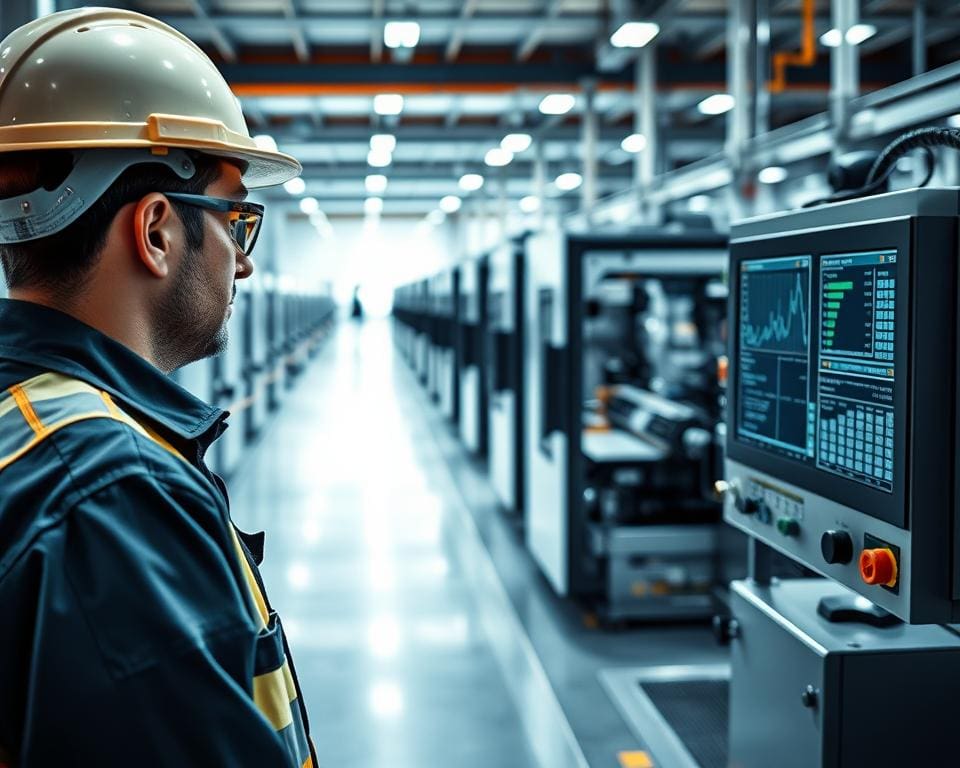
In the realm of machine operation safety, technology plays a pivotal role in safeguarding both equipment and personnel. Innovative advancements have led to the creation of systems that offer real-time monitoring and wearable devices to enhance safety protocols. These technologies provide immediate insights into equipment performance and operator conditions, ensuring proactive measures can be implemented swiftly.
Real-Time Monitoring Systems and Their Benefits
Real-time monitoring systems have revolutionised the landscape of machine operation safety. By utilising an array of sensors and Internet of Things (IoT) devices, these systems collect and analyse critical data related to machinery and workplace environments. The benefits include:
- Immediate alerts for potential malfunctions or hazards, allowing for timely intervention.
- Enhanced data analytics for understanding trends, which aids in predictive maintenance.
- Increased operational efficiency by ensuring machines run within optimal parameters.
Such advantages underscore the importance of integrating real-time monitoring into safety technology frameworks, capable of not only preventing accidents but also fostering a culture of safety within the workplace.
Wearable Technology for Enhanced Safety
Wearable devices are at the forefront of enhancing safety in high-risk environments. Technologies such as smart helmets and vests equipped with sensors have emerged as essential tools for machine operators. These devices afford operators the ability to:
- Monitor environmental conditions, such as air quality and temperature.
- Track movements in real-time, ensuring workers remain within safe zones.
- Receive immediate alerts when potential dangers arise, promoting quick responses to incidents.
Through the adoption of these wearable technologies, businesses can significantly improve their machine operation safety measures while prioritising the well-being of their workforce.
The Role of Training in Technological Integration
Integrating new technologies within the workplace goes beyond simply implementing equipment upgrades. Proper training is essential for ensuring that operators can effectively use new safety technologies. This multifaceted approach to operator education enhances understanding and fosters a safer environment.
Educating Operators on New Safety Technologies
Comprehensive training programmes should focus on the specific features and functionalities of advanced machinery. Emphasising hands-on experience ensures that operators feel comfortable and confident when engaging with new systems. Knowledge of the technology paves the way for more efficient machine operation and reduces the likelihood of accidents.
Interactive Training Simulations for Real-World Scenarios
Simulation training offers a unique opportunity to prepare operators without exposing them to the dangers associated with real machinery. Through realistic scenarios, operators can practise and refine their skills, gaining vital experience in a controlled environment. This method of technological integration allows for immediate feedback, promoting continuous improvement and bolstering safety standards.
Case Studies: Success Stories in Safer Machine Operation
Across various industries, companies have embraced safety technology implementation as a pivotal step towards enhancing operational safety. These case studies illustrate how innovative solutions have transformed workplace practices, leading to significant incident reduction and improved outcomes for employees and businesses alike.
How Companies Have Implemented Safety Technology
Leading firms have adopted diverse safety technologies tailored to their specific operational needs. For instance, automotive manufacturers have introduced automated robotic systems that take on hazardous tasks. These systems not only minimise the risk of injury to human workers but also streamline production processes. In the construction sector, wearable safety devices equipped with real-time monitoring capabilities allow for immediate alerts concerning potential hazards, ensuring that employees remain vigilant and safe on-site.
Measurable Outcomes: Reducing Incidents with Tech
The impact of safety technology implementation is evident in the results seen by these companies. Many organisations have reported a dramatic decrease in incident rates following the integration of advanced safety systems. For example, a manufacturing plant noted a remarkable 40% reduction in workplace accidents after deploying AI-driven predictive maintenance tools. Employees expressed greater job satisfaction as a result of these improvements, contributing to enhanced morale. Furthermore, businesses have experienced considerable cost savings related to fewer accidents and lower insurance premiums, showcasing the tangible benefits of these technologies.
Future Trends in Machine Safety Technology
The landscape of machine safety technology is evolving rapidly, driven by innovative advancements that promise to reshape operational practices in various industries. Emerging future trends, such as machine learning and artificial intelligence, offer unprecedented opportunities for enhancing safety protocols. These technologies enable predictive analytics, allowing organisations to foresee potential equipment failures and take preventative actions before incidents occur, thereby significantly elevating workplace safety standards.
Another trend gaining traction is the incorporation of virtual reality in training programs. This method not only immerses operators in realistic simulations but also provides an engaging platform for developing critical skills in a controlled environment. By utilising virtual reality, companies can deliver safety innovations that make training more effective, ensuring that employees are well-prepared to respond to potential hazards in real-world scenarios.
Furthermore, the rise of interconnected devices through the Internet of Things (IoT) is revolutionising how safety is monitored and maintained. As machines communicate seamlessly with one another, real-time data sharing enhances situational awareness and allows for immediate responses to safety risks. The convergence of these technologies heralds a new era of collaboration between machines and humans, underpinned by intelligent insights that drive machine safety technology to unprecedented heights. Together, these advancements reflect a steadfast commitment to creating safer workplaces for all.