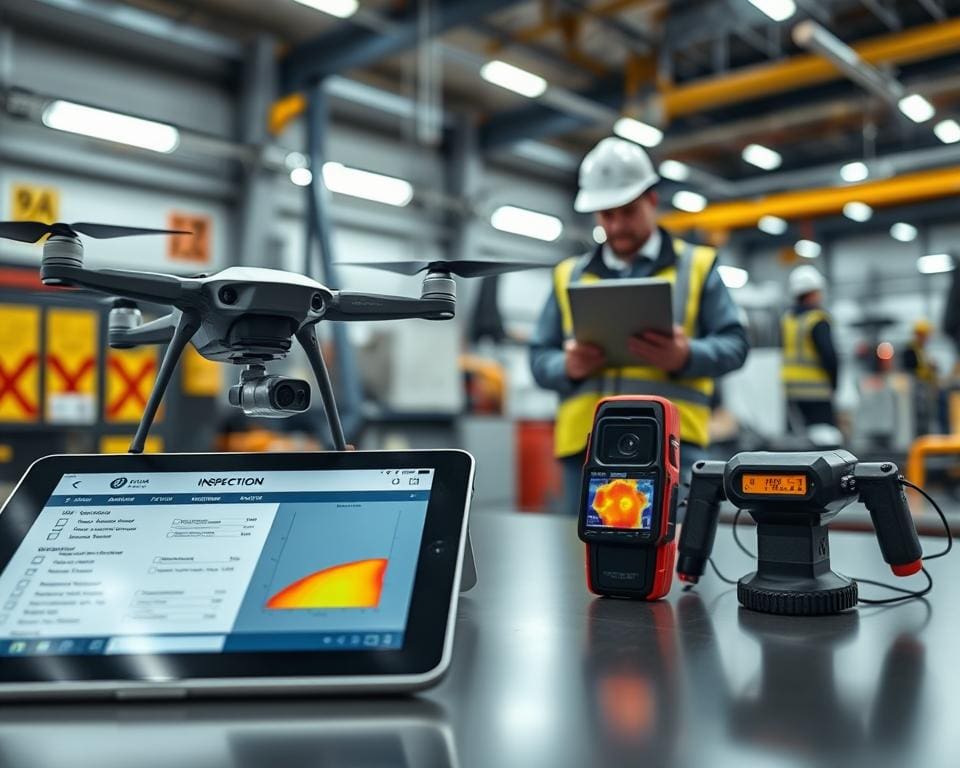
In today’s rapidly evolving landscape, the integration of digital tools in safety inspections is transforming traditional practices across various industries. This shift brings unprecedented efficiency and thoroughness to safety protocols, enabling organisations to comply with regulations more effectively while managing risks. The utilisation of technology in safety inspections not only enhances the precision of evaluations but also streamlines processes, leading to improved outcomes that prioritise worker safety and operational integrity.
The Evolution of Safety Inspections in the Digital Age
The landscape of safety inspections has undergone a remarkable transformation, shaped by the relentless march of technology. The evolution of safety inspections reflects changing societal needs and innovations that have redefined how these assessments are carried out. Once rooted in manual, paper-based processes, safety practices now leverage digital transformation to enhance efficiency and accuracy.
In the historical context, safety inspections began as straightforward checklists, labour-intensive and prone to human error. As the demand for higher standards of safety escalated, the industry turned to technology. The introduction of mobile applications marked a significant milestone, empowering inspectors to access data in real-time and complete assessments on-site.
AI-driven analytics emerged as another game-changer, enabling professionals to analyse patterns and identify potential issues before they escalate. Cloud computing plays a vital role in this evolution, allowing seamless data sharing and collaboration across teams, ultimately promoting a culture of accountability and transparency.
This journey from basic paper documentation to sophisticated digital platforms highlights the profound impact of technology on safety inspections. Each advancement builds upon the last, driving a commitment to continuous improvement and heightened safety standards across various sectors.
Benefits of Digital Tools for Enhancing Safety Inspections
Digital tools play a pivotal role in refining safety inspections, presenting multiple advantages that significantly contribute to workplace safety. By automating processes, organisations can experience heightened accuracy and consistency, reducing the likelihood of human error. The integration of these tools fosters a systematic approach to inspections, streamlining the entire procedure and ensuring that standards are met with precision.
Improved Accuracy and Consistency
One of the primary benefits of digital tools lies in their ability to enhance accuracy and consistency throughout safety inspections. With automated data capture, organisations minimise variations caused by manual entry. Consequently, this results in more reliable inspection reports and data sets, allowing for better assessment of safety conditions. Furthermore, the use of checklists and templates promotes uniformity, ensuring all inspectors adhere to the same rigorous standards.
Real-Time Data Collection
Real-time data collection offers immense advantages, enabling immediate identification of potential hazards. By leveraging technology, inspectors can swiftly document findings and share insights with relevant teams, improving overall inspection efficiency. This timely sharing of information allows for quicker interventions, ultimately safeguarding employees and enhancing the overall safety culture within organisations. As organisations integrate these practices, the cumulative effects of real-time data and improved accuracy drive a more proactive approach to workplace safety.
How do digital tools support safety inspections?
In the realm of safety inspections, robust communication among teams plays a pivotal role in achieving successful outcomes. Digital tools have transformed traditional methods, fostering efficiency and collaboration. These advancements not only facilitate timely exchanges but also cultivate an environment where teamwork thrives.
Streamlining Communication Among Teams
Digital tools enhance communication by incorporating features that allow for instant messaging and real-time updates. This immediate access to information significantly reduces the chances of misinterpretation and ensures that all team members are on the same page regarding safety protocols. The impact of streamlined communication on safety inspection collaboration cannot be underestimated.
- Instant Messaging: Teams can share updates in real-time, enabling quick responses to any safety concerns detected during inspections.
- Collaborative Platforms: Centralised systems encourage teamwork by allowing team members to contribute insights and document findings collectively.
- Real-Time Updates: Immediate notifications regarding safety inspections enhance situational awareness and expedite decision-making processes.
By promoting efficient communication, digital tools reinforce the importance of teamwork in maintaining safety standards. Adopting these technological solutions can lead to a more vigilant and proactive approach to safety inspections, thereby enhancing overall organisational safety culture.
Case Studies: Successful Implementation of Digital Tools
Exploring various case studies reveals the profound effects of the implementation of digital tools across multiple sectors. Each example illustrates how adopting innovative technology has transformed safety inspections, leading to significant improvements in compliance and operational efficiency.
Impact on Different Industries
The industry impact of digital tools is evident in sectors such as construction, manufacturing, and healthcare:
- Construction: Companies that utilised digital checklists saw a 30% reduction in compliance issues, promoting a safer work environment.
- Manufacturing: The introduction of mobile inspection software facilitated real-time data collection, enhancing the speed and accuracy of safety audits.
- Healthcare: Implementing digital reporting tools resulted in a 25% decrease in incident reports, demonstrating the effectiveness of technology in monitoring safety protocols.
Lessons Learned from Early Adopters
As organisations embraced the implementation of digital tools, several critical lessons emerged:
- The importance of training staff to ensure successful adoption and optimal use of new technologies.
- Engaging all team members in the transition process fosters a culture of safety and accountability.
- Regular evaluations of digital tools can lead to ongoing improvements, enhancing overall inspection strategies.
Key Features of Effective Safety Inspection Digital Tools
In the realm of safety inspections, the selection of appropriate digital solutions hinges on understanding their key features. An effective safety inspection tool should possess a user-friendly interface, allowing staff to navigate easily without extensive training. This accessibility is vital for fostering consistent use across various teams and enhancing overall effectiveness.
Another crucial aspect is the robust analytics capabilities that these tools offer. Advanced analytics enable users to analyse data trends and identify potential hazards promptly, ensuring preventive measures can be taken swiftly. Coupled with integration with existing systems, these tools streamline workflows and ensure a seamless transition to digital processes.
Mobile compatibility stands out as a significant feature. With many inspections taking place on-site, safety inspection tools that operate well on mobile devices empower inspectors to collect data in real-time. This immediate access to data supports informed decision-making, ultimately improving workplace safety.
Finally, the ability to customise features according to industry-specific needs cannot be overlooked. Most digital solutions allow for tailored settings, ensuring they meet unique inspection requirements across various sectors. Recognising these key features enhances the understanding of how effective safety inspection tools can transform safety practices.
Challenges and Considerations in Adopting Digital Tools
The journey towards digital tool adoption for safety inspections often presents several challenges. Organisations must navigate the complexities of integrating new technologies while addressing the inherent resistance to change within teams. By understanding these challenges, companies can better position themselves for a successful transition.
Overcoming Resistance to Change
One of the most significant hurdles in digital tool adoption is the resistance to change among personnel. Teams may find comfort in established processes, leading to reluctance to embrace new methodologies. To combat this, organisations should prioritise effective change management strategies. Engaging employees through transparent communication and training can foster a culture of adaptability. Recognising the contributions and concerns of team members helps create a more supportive atmosphere, encouraging them to embrace the benefits that digital tools offer.
Ensuring Data Security and Privacy
As organisations increasingly rely on digital tools, data security and privacy must remain top priorities. With the rise of cyber threats, protecting sensitive information from breaches is paramount. Implementing robust security measures, such as encryption and access controls, can safeguard data throughout its lifecycle. Furthermore, compliance with data protection regulations ensures that organisations remain accountable while building trust with their workforce and stakeholders. By aligning their practices with recognised security protocols, organisations can mitigate risks associated with digital tool adoption.
The Future of Safety Inspections with Digital Innovations
As we look towards the future of safety inspections, the role of digital innovations cannot be overstated. Emerging trends such as Artificial Intelligence, machine learning, and the Internet of Things (IoT) are reshaping how these inspections are conducted. These technologies offer unprecedented capabilities that promise to elevate the standards of safety across various industries, leading to safer work environments and a significant reduction in accidents.
Artificial Intelligence, for instance, is set to enhance predictive analytics in safety inspections. By analysing data patterns, AI can identify potential hazards before they escalate, allowing organisations to proactively address risks. This shift towards a more preventive approach signifies a major evolution in the future of safety inspections, fundamentally altering the traditional methodology.
Furthermore, IoT devices will increasingly play a vital role in real-time data collection and monitoring. With continuous connectivity, these technologies ensure that safety protocols are adhered to consistently and efficiently. As organisations embrace these advancements, they will not only streamline their safety processes but also foster an organisational culture that prioritises safety above all, showcasing the true potential of technology as a catalyst for positive change.