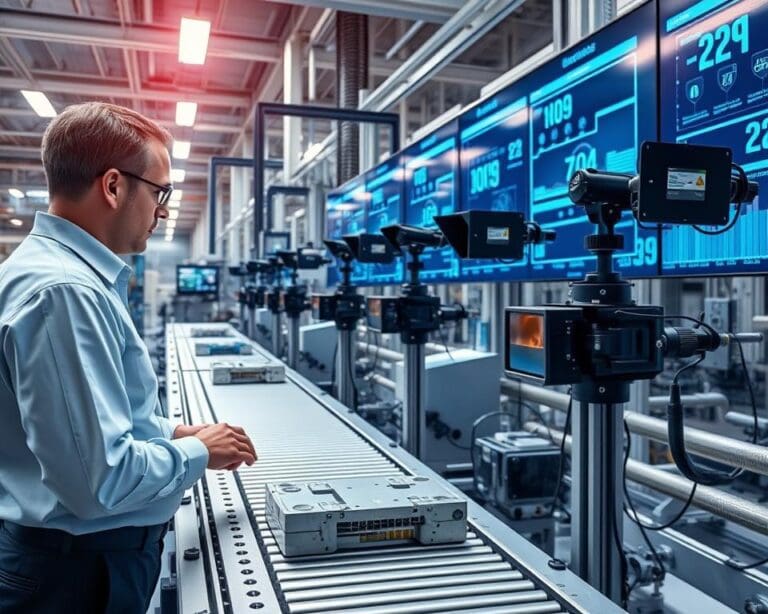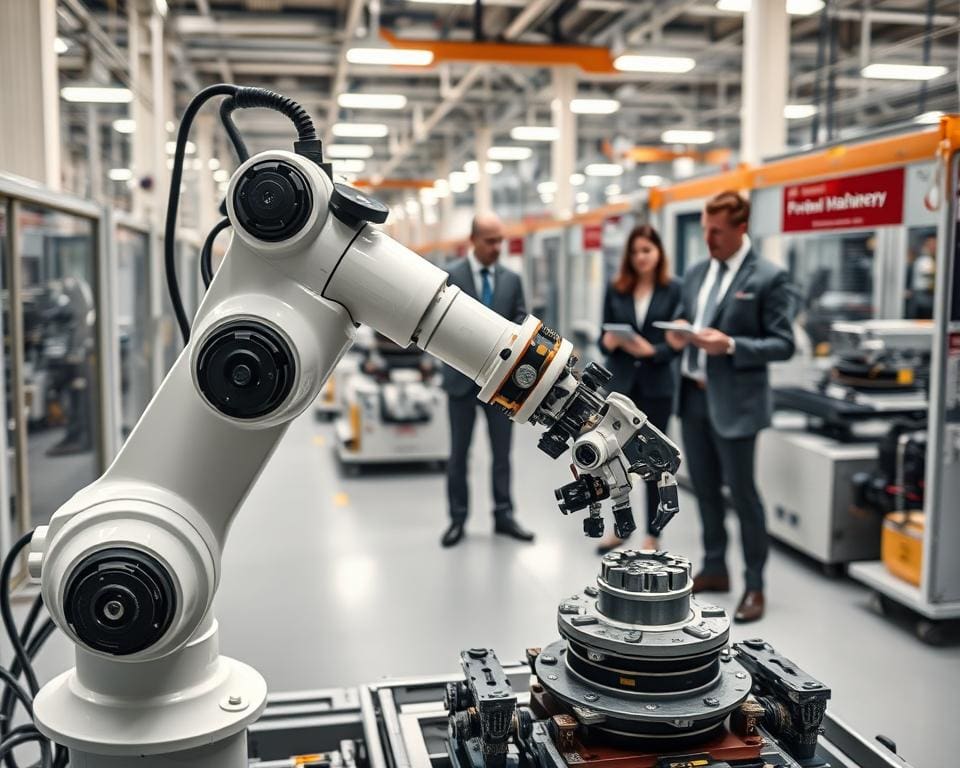
The integration of automation within industrial environments is revolutionising machinery safety requirements, transforming how businesses approach industrial compliance and safety standards. As automated systems become increasingly prevalent, the need for robust safety protocols intensifies, ensuring that machinery operates not only efficiently but also safely. This transformation underscores the importance of revisiting existing safety regulations to align with the advancements technology brings. In this section, we will explore the foundational shifts initiated by automation and establish a framework for understanding the evolving landscape of machinery safety in the context of modern compliance mandates.
The Evolution of Machinery Safety Standards
The landscape of machinery safety measures has transformed significantly over the years, driven by a commitment to protect workers within industrial environments. A thorough examination of historical regulations reveals a gradual shift towards comprehensive industrial safety protocols. The evolution of these standards reflects both the changing nature of industry and growing awareness of the risks involved in machinery operation.
The Historical Context of Machinery Safety Regulations
Tracing the roots of machinery safety standards leads to pivotal moments in compliance history. The Health and Safety at Work Act of 1974 in the UK emerged as a landmark legislation, reinforcing the need for systematic safety practices across all sectors. This act laid down the foundation for subsequent regulations aimed at safeguarding workers and reducing workplace accidents.
Key Safety Standards in the Industrial Sector
Modern machinery safety standards have evolved from these early regulations, focusing on risk assessment and operator protection. Standards like ISO 12100 guide the design process for machinery, ensuring that it adheres to safety principles. The Machinery Directive 2006/42/EC further complements these efforts by stipulating essential requirements for machinery safety, promoting a culture of rigorous safety checks and compliance within the industrial framework.
The Role of Automation in Enhancing Safety
In the quest for improved workplace safety, automation has emerged as a crucial ally. Automated systems significantly enhance automation safety by introducing advanced technologies that minimise human error—often cited as a leading cause of accidents. The implementation of such systems facilitates risk reduction through mechanisms designed to protect both workers and equipment.
Automated Systems and Risk Reduction
Automated systems incorporate a variety of features aimed at reducing risks. Among these are safety interlocks that prevent machines from operating under unsafe conditions, as well as emergency stop systems which allow for immediate halting of operations when needed. Furthermore, real-time monitoring technologies provide instant feedback on equipment status, helping to identify potential issues before they escalate into hazards. Such innovations represent a vital step towards achieving a safer working environment.
The Importance of Safety Protocols in Automation
Establishing robust safety protocols specific to automation is essential to ensuring ongoing compliance with safety regulations. Frequent maintenance checks and system updates play a pivotal role in sustaining the integrity of automated systems. These practices not only bolster the reliability of machinery but also enhance automation safety. Engaging staff in the understanding and application of these protocols ensures a comprehensive approach towards workplace safety, fostering both accountability and vigilance among all team members.
How does automation affect machinery safety requirements?
Automation plays a crucial role in reshaping machinery safety requirements. As industries embrace advanced technologies, companies must reassess their compliance obligations to meet evolving standards. The dynamics of automated systems influence the way safety protocols are established, challenging traditional paradigms and introducing new considerations in risk management.
Changes in Compliance Obligations
With the integration of automation into manufacturing processes, compliance obligations have become more complex. Businesses are now required to document and analyse risks associated with intelligent machinery. Adapting to these changes ensures that companies not only adhere to modern safety standards but also foster a culture of safety awareness. Understanding these evolving compliance obligations is essential for maintaining operational integrity and safeguarding employee well-being.
The Influence of Industry 4.0 on Safety Standards
The advent of Industry 4.0 has significantly influenced safety standards across various sectors. The fusion of cyber-physical systems within manufacturing processes is redefining safety requirements, particularly regarding data protection and machine interoperability. This technological shift emphasises the need for comprehensive safety frameworks that align with modern advancements. Consequently, organisations must navigate these new safety landscapes to ensure they remain compliant while embracing innovation.
Integrating Smart Technologies to Improve Safety
The integration of smart technologies into industrial processes has transformed the landscape of machinery safety. The use of the Internet of Things (IoT) and artificial intelligence (AI) plays a significant role in this evolution, offering innovative solutions that enhance safety measures while optimising operational efficiency.
Benefits of IoT in Machinery Safety
The Internet of Things offers remarkable benefits when it comes to machinery safety. By leveraging connected devices, organisations can gather extensive data in real time concerning equipment conditions. This connectivity allows for:
- Immediate monitoring of machine performance, enabling rapid responses to any anomalies.
- Enhanced data collection that supports informed decision-making.
- Real-time alerts to prevent accidents before they escalate into serious incidents.
Such capabilities underline the vital role IoT plays in maintaining elevated standards of machinery safety across various sectors.
Artificial Intelligence and Predictive Maintenance
Artificial intelligence significantly complements IoT applications by facilitating predictive maintenance strategies. Through advanced algorithms, AI analyses historical data and current conditions to predict potential failures. This predictive analysis not only reduces downtime but actively contributes to:
- Minimising risks associated with equipment malfunctions, ensuring a safer workplace.
- Improving operational efficiency through timely maintenance interventions.
- Extending machinery lifespan by preventing conditions that lead to excessive wear or damage.
The collaboration of IoT and AI fosters a proactive approach to machinery safety, shifting focus from reactive measures to a forward-thinking strategy that prioritises worker protection and operational integrity.
Challenges Faced in Maintaining Safety Compliance
In an era marked by rapid technological advancements, maintaining safety compliance poses significant challenges for organisations across various sectors. The rise of automation introduces complexities that require companies to quickly adapt, prompting a strong focus on continuous staff training and a thorough understanding of regional compliance demands.
Technological Adaptation and Staff Training
As machinery becomes more sophisticated, the safety compliance challenges for businesses intensify. Technological adaptation is essential, requiring teams to stay abreast of new tools and systems. Continuous staff training emerges as a crucial component in equipping employees to navigate these changes effectively. Inadequate training can lead to operational inefficiencies and increased risks, making it imperative for organisations to invest in upskilling their workforce. Regular workshops, hands-on training sessions, and access to updated resources can bridge gaps in knowledge and support a safer work environment.
Understanding Compliance Across Different Regions
Navigating the landscape of regional compliance presents another layer of complexity. Each area possesses unique compliance requirements that organisations must understand and follow. These regional compliance differences can create confusion, particularly for global businesses aiming for uniformity in their safety standards. Failing to adhere to local regulations may result in severe penalties and reputational damage. Developing a robust strategy that includes regular compliance audits and establishing connections with local regulatory bodies can help mitigate these risks. By fostering a culture of safety that values both compliance and innovation, organisations can pave the way for a more secure future.
Case Studies: Success Stories in Automation Safety
The integration of automation in various industries has yielded remarkable improvements in safety standards. Numerous case studies illustrate how organisations have successfully harnessed automation safety to enhance their operations. The automotive and manufacturing sectors stand out as pioneers, showcasing innovative approaches that set the benchmark for industry innovation.
Industries Leading the Way in Safety Innovation
Several industries have embraced automation technology, effectively minimising risks and promoting a culture of safety. For instance, major automotive manufacturers have incorporated robotics into their assembly lines, significantly reducing human error and increasing precision. The implementation of smart machinery allows for real-time monitoring, which further ensures compliance with stringent safety standards.
- In the food and beverage sector, companies employ automated systems for packaging, enabling consistent quality control.
- The aerospace industry has integrated automation in maintenance checks, using advanced AI to detect potential safety hazards swiftly.
- Pharmaceutical firms utilise automated inspection technology to ensure that products meet regulatory safety requirements.
Lessons Learned from Automation Failures
While many companies have successfully implemented automation, some have faced challenges leading to safety failures. These setbacks have provided vital lessons for the industry. For example, a well-known manufacturing plant experienced a malfunction in their automated system, resulting in a temporary halt of production due to safety risks. The incident prompted a comprehensive review of their safety protocols.
“Mistakes are often the best teachers. This failure led us to rethink our approach to automation safety.” – Industry Executive
By adopting a proactive stance, companies are now reinforcing training programmes for their personnel, ensuring thorough understanding of automated systems. Regular audits and updates to safety procedures have become commonplace to mitigate any future risks.
Future Trends in Machinery Safety and Automation
The landscape of machinery safety is on the cusp of remarkable transformation, influenced by automation advancements that are rapidly redefining operational standards. With the rise of autonomous machines and cutting-edge safety technology, industries are poised to revolutionise their safety protocols. This evolution ensures that compliance with safety regulations becomes more intuitive and efficient, adapting seamlessly to the dynamic nature of manufacturing environments.
Emerging trends in the integration of machine learning and artificial intelligence are pivotal for enhancing machinery safety. These technologies not only predict maintenance needs but also facilitate real-time monitoring, allowing for swift responses to potential hazards. As the industrial sector embraces these innovations, companies are empowered to cultivate safer workplaces, ultimately fostering a culture of preventative care rather than reactive compliance.
Looking ahead, the confluence of automation and safety technology promises a future where machinery safety is not merely regulatory compliance but a core organisational value. With ongoing advancements ensuring that safety measures keep pace with technological progress, the industrial landscape of tomorrow will embody a commitment to safeguarding both workforce and machinery alike. As we step into this new era, the possibilities for improved safety standards and practices are boundless.