Lisbon feels like a sun-soaked package holiday for curious travellers. This Lisbon travel guide begins by asking a simple question: why choose Lisbon for your next escape from the UK? The answer lies in a mix of warm climate, compact city charm and easy access from London, Manchester and Edinburgh.
For UK tourists, Lisbon holiday options range from short city breaks to longer stays. Flights are short and frequent, English is widely spoken in tourist areas and trams, trains and ferries make sight-seeing straightforward. That accessibility makes Lisbon an attractive Lisbon getaway for families, couples and solo travellers alike.
The city pairs historic neighbourhoods with modern comforts. You will find winding streets in Alfama, riverside cafés in Belém and lively bars in Bairro Alto. Add renowned pastéis de nata, fresh seafood and Portuguese wines, and you get a memorable stay that still offers great value for money.
This article will serve as a practical, inspirational Lisbon travel guide. It will compare Lisbon to other European capitals, map the best times to visit, and recommend neighbourhoods, eateries and day trips that suit British tastes and budgets.
Why is Lisbon a great vacation destination?
Lisbon draws UK visitors with short flights and an easy, welcoming vibe. Typical journeys from London or Manchester take around two and a half to three hours on carriers such as British Airways, easyJet, Ryanair and TAP Air Portugal. English is widely spoken in hotels and restaurants, making practicalities simple for holidaymakers.
Border formalities at Humberto Delgado Airport are straightforward for British passport holders who follow short‑stay rules. The city uses the euro, which often works in travellers’ favour for dining and accommodation compared with many north‑west European capitals. Portuguese hospitality, safety and a compact layout suit solo travellers, couples and families alike.
Lisbon vs other European cities
Lisbon offers a different rhythm from Paris or Rome. It tends to be less costly and less crowded in many months, with a maritime feel and a compact, walkable centre. The tram network and seven hills add charm you will not find in the same way elsewhere.
Compared with Barcelona, Lisbon shares beaches and lively nightlife, yet it leans toward nostalgic fado music, historic trams and an Atlantic breeze. Porto feels more intimate and focused on port wine, while Lisbon is bigger, more cosmopolitan and serves as a hub for day trips to Sintra and Cascais.
Best time to visit Lisbon for British tourists
Spring, from April to June, is often the best time to visit Lisbon. Mild temperatures, jacaranda blooms and fewer crowds make walking and sightseeing pleasurable.
Late summer into early autumn, September to October, brings warm sea temperatures and late sunshine. This period suits swimmers and festival‑goers who want well‑timed weather and better value than peak August.
Winter months, November to March, are milder than much of the UK and work well for budget travellers and cultural trips. You should expect occasional rain and shorter daylight hours.
Peak summer, July and August, guarantees sunshine but means busier sites and higher prices. Book ahead if you plan to travel in this period to secure the best accommodation and timed entries for popular attractions.
The city’s microclimate makes Lisbon travel seasons attractive year round, with more sunny days than many European counterparts and a pleasant Lisbon climate for most outdoor plans.
Historic neighbourhoods and must-see landmarks
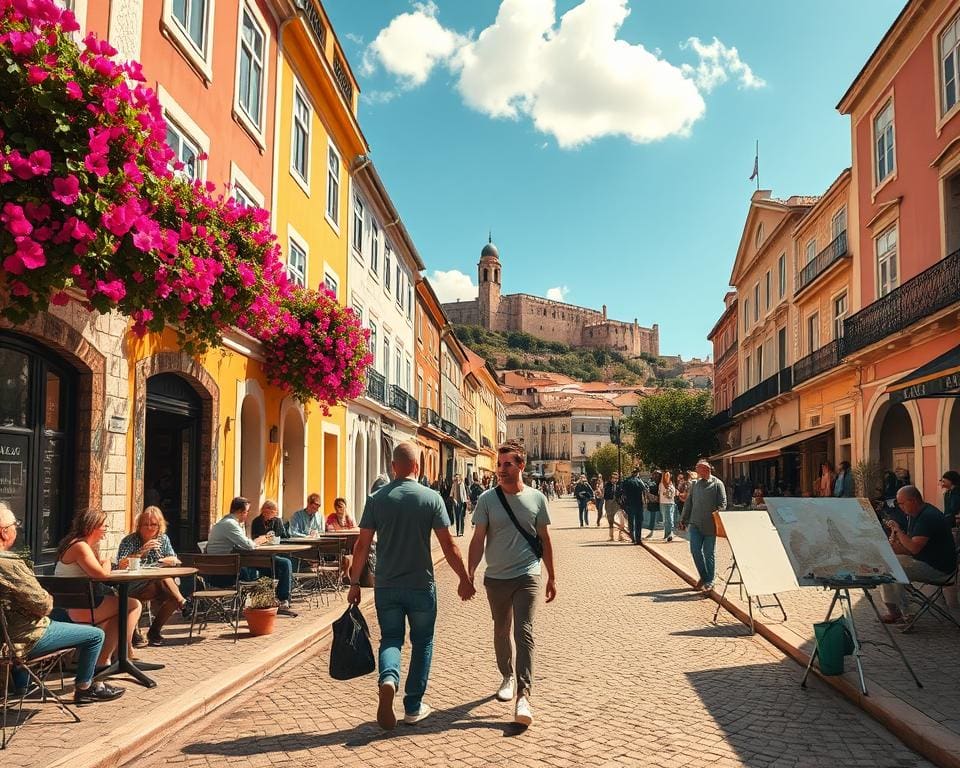
Lisbon’s past lives in its streets and façades. Wander from hilltop castles to riverside promenades and you feel the city’s long history around every corner. These neighbourhoods mix intimate alleys, grand monuments and lively cultural spots that reward slow exploration.
Alfama unfolds as a maze of tiled façades, steep lanes and narrow stairways that keep whispers of old Lisbon alive. Cobbled streets demand sensible shoes and patience for steep climbs. From many points here you can see São Jorge Castle rising above the red roofs, a perfect panorama over the city and the Tagus River.
Fado is the soul of certain intimate venues in this quarter and in Mouraria. Seek out genuine houses for live performances where voices tell stories of longing and home. Note that the terrain can be difficult for those with mobility issues; plan ahead if accessibility is a concern.
Belém sits along the Tagus to the west and holds some of the most recognisable Lisbon landmarks. The UNESCO-listed Jerónimos Monastery stands as a testament to the Age of Discoveries. Nearby, the 16th-century Belém Tower guards the riverfront and marks an era of sea voyages and trade.
Belém monuments draw visitors for history and for food. Try the original pastéis de Belém at the historic bakery, born from recipes tied to the monastery’s monks. The Monument to the Discoveries and the riverside promenades offer gentle walks and dramatic sunsets.
Transport here is straightforward: tram 15 and frequent trains from Cais do Sodré provide easy links to the central districts. Plan a slow afternoon to take in the monuments and nearby cafés.
Chiado blends elegant theatres, longstanding bookshops and refined cafés into a compact cultural quarter. A Brasileira café and the statue of Fernando Pessoa are city icons. Galleries and the Museu do Chiado sit alongside independent boutiques, giving the area a distinct sense of Chiado culture.
Across from Chiado, Bairro Alto keeps a different rhythm. By day it is calm; by night it hums with bars, live music and convivial energy. Rooftop terraces and viewpoints such as Miradouro de São Pedro de Alcântara serve up memorable sunsets and city vistas.
Bairro Alto nightlife is vibrant and can be loud late into the evening. Choose accommodation with sound considerations if sleep matters. For a cultural mix, spend afternoons in Chiado and evenings sampling Bairro Alto’s music and bars.
Culinary delights and local food culture
Lisbon feeds the senses. Street smells, riverside restaurants and bustling stalls form a food scene that rewards curiosity. Start small and plan to share plates so you can taste more.
Pastéis de nata and iconic bakeries to try
Pastéis de nata are Portugal’s signature custard tarts: flaky pastry with a caramelised custard top. For a historic experience, visit Pastéis de Belém in Belém for the original recipe and warm tarts straight from the oven. Manteigaria in Chiado and Baixa serves fresh pastéis de nata hot at the counter and is ideal for a quick treat.
Pair a tart with a strong bica (espresso) to balance sweetness. Mornings are busiest; arrive early or look for the oven where the best ones appear. Ordering a couple to share lets you savour texture and temperature without overindulging.
Seafood specialities and where to sample them
Lisbon sits close to the Atlantic, which explains the city’s love of seafood. Try grilled sardines (sardinhas assadas) in June during festival season when streets fill with smoke and music. Bacalhau appears in many regional styles, from baked to shredded salads.
For the best seafood Lisbon offers, head to riverside neighbourhoods like Cais do Sodré and the Docas de Santo Amaro for views with your meal. Mercado da Ribeira (Time Out Market) brings together selected stalls that showcase top chefs and family recipes. Seek out small tascas for honest octopus, clams and seafood rice cooked the local way.
Autumn and winter bring excellent shellfish. Ask vendors about daily catches and order simple, grilled preparations to taste the sea.
Wine, miras, and food markets for a sensory experience
Portuguese wine ranges from the spritely Vinho Verde to the structured reds of the Douro and the rich Alentejo bottles. Choose a Vinho Verde with lighter seafood dishes and a Douro or Alentejo red with heartier fish stews or meatier plates.
Try a shot of ginjinha near Rossio to sample Lisbon’s cherry liqueur culture. Local liqueurs and regional spirits—sometimes called miras in casual speech—are best enjoyed in small amounts and with food.
Food markets are living showcases. Mercado da Ribeira (Time Out Market) curates high-quality stalls where you can sample tapas-style portions. Mercados de Campo de Ourique offers neighbourhood produce, cheeses and charcuterie for a picnic. Look for pratos do dia at lunchtime for good value and consider booking tables at popular restaurants to avoid long waits.
Accessible travel and transport for UK visitors
Lisbon is remarkably easy to reach from Britain and simple to explore once you arrive. Short flights and a compact city make it perfect for a long weekend or a longer break. Plan ahead for summer travel to avoid high fares and busy terminals.
Flight connections and short-haul convenience
Typical flight durations from London, Manchester and regional UK airports are about 2.5–3 hours. Carriers that serve Lisbon include TAP Air Portugal, British Airways, easyJet and Ryanair, along with other low-cost operators. Frequency increases in spring and summer, with the busiest months in July and August.
Humberto Delgado Airport sits close to the city. Options into central Lisbon include the metro, Aerobus shuttles, regular taxis and app-based ride services. Journey times to Baixa or Chiado are normally 20–30 minutes, depending on traffic.
Public transport, trams and easy walkability
Lisbon public transport uses metro lines, urban CP trains, buses, ferries and the historic yellow trams. The Viva Viagem reloadable travel card covers metro, tram and bus fares for convenience.
Lisbon trams, especially tram 28, offer scenic rides through Alfama and Graça. Carriages get crowded and pickpocketing can occur. Step off to explore streets and viewpoints rather than staying aboard for the full loop.
Central districts such as Baixa, Chiado and Alfama are very walkable. Hills are steep in places, so bring comfortable shoes. Use the funicular lifts and the Elevador de Santa Justa for steep climbs and to save time on foot.
Day trips by train or car: Sintra, Cascais and Arrábida
Trains to Sintra run from Rossio station and take about 40–50 minutes. Sintra’s palaces, including Pena Palace and Quinta da Regaleira, sit in lush hills and enjoy UNESCO World Heritage status. Begin early to beat crowds and use local buses or tuk-tuks to reach higher sites.
A Cascais day trip is simple by rail from Cais do Sodré, with rides of around 30–40 minutes. Cascais offers sandy beaches, a marina and a pleasant promenade to Estoril, plus excellent seafood restaurants for a relaxed half- or full-day outing.
Arrábida Natural Park lies south of Setúbal and suits visitors with a rental car or those on an organised tour. Dramatic cliffs, sheltered beaches like Praia do Portinho da Arrábida and options for hiking, kayaking and wine tasting make it worthwhile.
Trains and timetables are regular for popular routes; car hire is widely available from international firms and local agencies. Guided tours remove parking stress and add local knowledge for safer, smoother day trips from Lisbon.
Accommodation options and value for money
Lisbon serves a wide range of stays to suit every traveller. From high-end suites to compact city flats, you can choose comfort, character or cost savings without sacrificing location. Below are practical options to help plan where to sleep and how to get the best value.
Luxury hotels with panoramic views
Top-tier hotel experiences include international brands and Portuguese luxury hotels that boast rooftop terraces, river vistas and full spa facilities. Properties near Praça do Comércio and Avenida da Liberdade offer sweeping outlooks over the Tagus and easy access to landmarks.
British travellers benefit from services such as airport transfers, English-speaking staff and on-site dining. These features suit special occasions or visitors who prefer minimal planning and high service standards.
Boutique guesthouses and historic Pousadas
Small, design-led options in Chiado, Alfama and Bairro Alto combine local character with modern comforts. boutique guesthouses Lisbon often feature individually styled rooms, curated breakfasts and personal recommendations for restaurants and fado venues.
Pousadas Portugal are historic-house conversions or state-run properties that deliver heritage charm. While many classic pousadas sit outside the capital, Lisbon-area historic hotels and restored buildings capture a similar atmospheric stay for culture-focused travellers.
These choices provide a strong price-to-experience balance, making them ideal for couples seeking authenticity and a sense of place.
Budget-friendly stays and apartments for longer visits
For longer trips or family stays, Lisbon short-stay apartments and serviced aparthotels offer kitchen facilities and more space. Hostels with private rooms and budget hotels can reduce costs without cutting convenience.
Neighbourhoods such as Arroios and Anjos present lower nightly rates with good transport links. Check noise levels, safety and walking distance to main attractions before booking.
- Compare platforms to spot the best rate for budget accommodation Lisbon.
- Read recent guest reviews and check cancellation policies.
- Verify proximity to metro or tram stations for easy sightseeing.
Experiences that make Lisbon unforgettable
Sunsets from a miradouro are among the most memorable experiences Lisbon offers. Head to Miradouro da Senhora do Monte or Miradouro de Santa Luzia for sweeping views of the Tagus and terracotta roofs. For romantic Lisbon evenings, pair the view with a rooftop cocktail or an intimate fado set nearby to feel the city’s soft glow and old-world song.
Take a ride on Tram 28 for a classic snapshot of Lisbon’s lanes, but keep visits short to reduce crowding and support tram conservation. If you prefer deeper context, opt for guided walking tours; they count as unique Lisbon tours and bring the Alfama and Mouraria quarters to life with stories and hidden corners.
Food and river experiences sit at the heart of Lisbon activities. Sample regional dishes at Time Out Market or book a culinary tour to taste cod, petiscos and pastries alongside local wines. A sunset Tagus cruise adds maritime history to your itinerary, while day trips to Sintra, Cascais and Arrábida deliver fairytale palaces, coastal promenades and secluded beaches as perfect Lisbon day experiences.
Blend cultural stops like LX Factory and MAAT with seasonal moments such as Santo António street festas to capture photographic and festive highlights. Practical tips: book key activities ahead, carry a travel card for smooth connections, pace yourself on the hills, and leave gaps for serendipity. These choices make for genuinely memorable experiences Lisbon visitors cherish.