Florence rewards every visitor with concentration of art, architecture and history that feels almost impossible in such a compact city. This Florence travel guide begins with a single question: which sights make Florence special? Strolling from piazza to piazza reveals masterpieces from the 14th–16th centuries within easy walking distance.
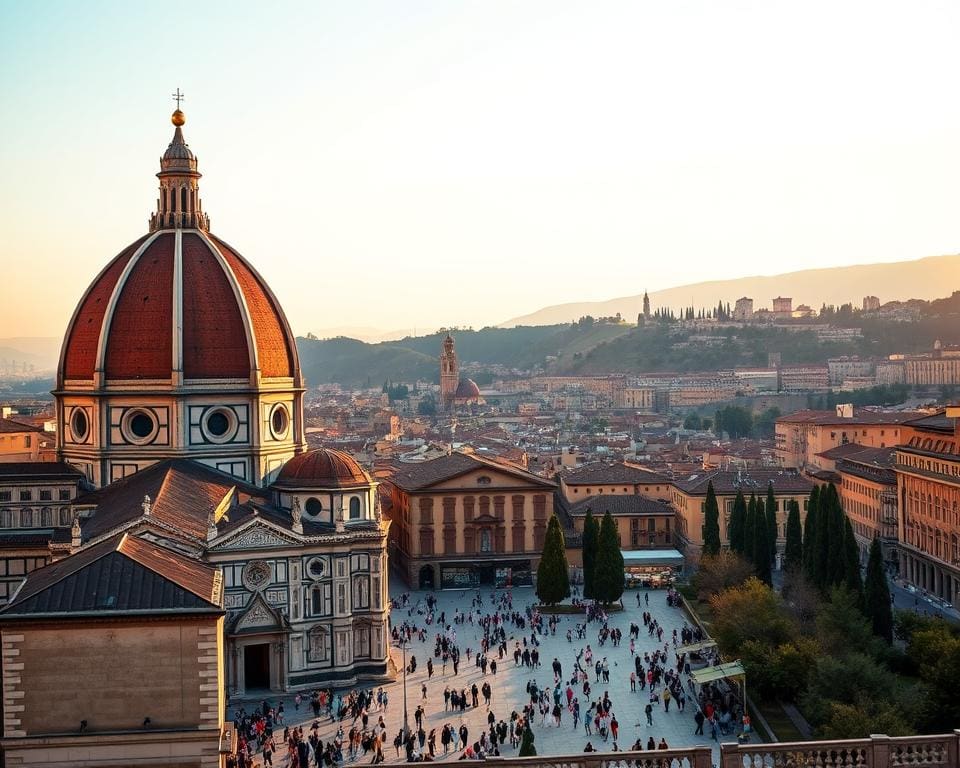
The Duomo, with Brunelleschi’s dome, dominates the skyline and anchors many Florence highlights. Nearby stand the Baptistery and Giotto’s Campanile, while Palazzo Vecchio and Palazzo Pitti show the civic and private faces of Renaissance power. World-class museums, notably the Uffizi and the Accademia with Michelangelo’s David, concentrate artistic treasures that reward repeat visits.
Beyond monuments, the Oltrarno quarter, the Ponte Vecchio and riverside promenades offer atmosphere and craft; markets such as Mercato Centrale and San Lorenzo add flavour and local colour. This piece reads like a product review: it assesses emotional impact, accessibility, best times to visit and practical visitor tips for those planning to visit Florence from the United Kingdom.
Practical notes: the currency is the euro, and direct flights from Heathrow, Gatwick or regional UK airports link to Florence or Pisa, with Trenitalia and Italo providing onward rail options. High season runs late spring to early autumn; November–February is quieter. Many landmarks have steps; consider mobility needs and timed tickets to avoid queues.
Which sights make Florence special?
Walk the streets and you feel history shaping every corner. Florence wears its past with confidence, a Renaissance city where churches, palaces and workshops still speak of artistic revolutions and civic pride.
Overview of Florence as the cradle of the Renaissance
From the fourteenth century, patronage by the Medici family helped fund painters, sculptors and architects who rewrote visual language. Filippo Brunelleschi solved the engineering puzzle of the Duomo, changing how builders conceived space.
Donatello and Michelangelo transformed sculpture with naturalism and emotion. Painters experimented with perspective and humanist subjects, setting artistic standards that spread across Europe.
These breakthroughs created a compact cultural landscape. Churches, civic palaces and galleries remain living records of innovation, allowing visitors to trace the rise of modern art and thought.
How Florence’s landmarks shape cultural identity
The Duomo functions as religious heart and engineering triumph. Palazzo Vecchio stands for civic authority while the Ponte Vecchio symbolises merchant life and continuity across the Arno.
Craft traditions such as goldsmithing, leatherwork and bookbinding sustain local trades. Festivals and artisan workshops feed a sense of belonging that blends past and present.
Conservation efforts and pedestrian-friendly zones support respectful tourism. Visitors encounter a city that balances preservation with daily life, from frescoed chapels to contemporary studios.
Why visitors from the United Kingdom are drawn to Florence
British visitors to Florence find familiarity in the stories taught at school and university. The Grand Tour left literary echoes in the work of Lord Byron and John Keats, forging a long bond with Italy.
Practical advantages help too: short flights from the UK, English spoken widely in tourist areas and good rail links across Tuscany make the city easy to add to any itinerary.
The emotional pull remains strongest. A compact historic centre offers intimate encounters with masterpieces at the Uffizi and Accademia, together with the pleasures of Tuscan food and wine that complete the experience of a true Renaissance city.
Iconic architectural marvels to visit in Florence
Florence rewards visitors with a compact cluster of masterpieces that tell the story of Renaissance ambition. Walks here move from Gothic facades to daring engineering feats, from ornate baptisteries to grand palaces. Each site offers a mix of art, structure and city views that stay with you long after you leave.
Florence Cathedral (Il Duomo) and Brunelleschi’s dome
The Cathedral of Santa Maria del Fiore greets you with a Gothic façade clad in polychrome marble and the imposing Brunelleschi dome crowning the city centre. Filippo Brunelleschi completed the dome in 1436 using a pioneering double-shell design and herringbone brickwork. His solution avoided centring and changed architectural practice across Europe.
Climbing the dome requires a ticket and stamina for 463 steps. Inside, Vasari and Zuccari’s frescoes of the Last Judgment draw the eye. Early morning or late afternoon visits reduce crowds and give better light for photographs. From the top, panoramic views show how the Duomo dominates Florence’s skyline.
Baptistery and Giotto’s Campanile: exterior splendour and photo opportunities
The Baptistery of St John stands before the cathedral with its octagonal plan and famed bronze doors. Lorenzo Ghiberti’s east entrance, nicknamed the Gates of Paradise, remains a highlight. Interior mosaics reward those who step inside.
Giotto’s Campanile sits adjacent with its polychrome marble cladding and carved decoration. Climbing the bell tower is an alternative to the dome climb and offers striking views back to the Brunelleschi dome. For photographers, the best façade light arrives early or late in the day. If dome tickets are sold out, the campanile provides comparable vistas for your shots.
Historic palaces such as Palazzo Vecchio and Palazzo Pitti
Palazzo Vecchio acts as Florence’s town hall and a civic emblem. Inside, the Salone dei Cinquecento and the historic apartments display art and power. The Arnolfo Tower gives a commanding view over Piazza della Signoria.
Across the Arno, Palazzo Pitti speaks of Medici grandeur. Its Palatine Gallery, royal apartments and Boboli Gardens show how art and landscape shaped courtly life. Combined tickets often cover palace and gardens. Allow time to stroll Boboli for shade, sculpture and formal garden design that influenced Europe.
World-class museums and masterpieces that define the city
Florence museums hold some of the most potent artworks from the Renaissance and beyond. A short visit here can turn into an immersive day of painting, sculpture and hidden curiosities. Plan your time and you will leave with a clearer sense of why the city shaped Western art.
The Uffizi Gallery offers an unrivalled sequence of paintings by Botticelli, Leonardo, Titian and Caravaggio. For visitors from the United Kingdom and elsewhere, the Uffizi Gallery is essential for seeing The Birth of Venus and Primavera in person. Book timed-entry tickets in advance to avoid long queues, aim for early slots to enjoy cooler galleries and consider a guided tour to place highlights in context. Bear in mind that works may be on loan or in conservation, so check opening schedules before you go.
The Accademia, Florence is home to Michelangelo’s David, a marble masterpiece completed around 1504. Seeing the Michelangelo David in person is a moving experience that rewards patience. Timed tickets are essential; early morning visits usually mean smaller crowds. Allow extra time for the Accademia Florence’s other sculptures and its collection of musical instruments. If you prefer a quieter encounter, view the city’s replicas and interpretive displays that explain David’s symbolism.
Smaller museums and specialised collections Florence maintain offer surprising depth beyond the big names. The Bargello showcases Renaissance sculpture and decorative arts. Museo dell’Opera del Duomo displays original Duomo sculptures and artefacts. Museo Galileo traces scientific innovation with historic instruments. In Palazzo Pitti, the Museo degli Argenti reveals an extraordinary silver collection.
For off-the-beaten-path discovery, visit Museo di San Marco for Fra Angelico frescoes, the Stibbert Museum for an eclectic arms and armour array and Gucci Garden for fashion history. Many venues have limited hours or seasonal closures. Group visits by neighbourhood to save time and always check each museum’s timetable before setting out.
Atmospheric neighbourhoods, markets and streets that enchant
The city reveals itself through districts where craft, food and river views meet. Wander beyond the tourist trails to find hands-on workshops, lively squares and market stalls that give Florence its local rhythm. These streets invite slow exploration and small discoveries.
Oltrarno artisan quarter is the creative heart beyond the Arno. Antique dealers and leathermakers line streets such as Via Maggio and Via de’ Serragli. Visit Santo Spirito square to feel the neighbourhood hum and to watch goldsmiths and papermakers at work.
Plan an afternoon for browsing. Artisans often work in situ and offer bespoke pieces like hand-tooled leather, marbled paper and delicate jewellery. These ateliers represent centuries-old trades that make Florence shopping truly special.
Ponte Vecchio stands as the oldest surviving bridge in the city, its medieval arches topped by the Vasari Corridor. Jewellers’ shops cling to the bridge, creating a jewel-box vista that changes with the light.
For peaceful views, greet the bridge at sunrise when the streets are quiet and the light is clean. For a warmer mood, return at sunset to catch golden-hour reflections, though expect more visitors then. Walk the Lungarno towards Ponte Santa Trinita for classic scenes and a chance to pause with gelato or an aperitif by the river.
Mercato Centrale is a two-level feast for the senses. The ground floor remains a bustling traditional market with fresh produce, cheeses and meats. The upper floor is a modern food hall, where independent vendors plate regional flavours with contemporary flair.
Outside the church, the San Lorenzo market offers open-air stalls ideal for bargain hunting. Take time to check leather quality before you buy. Learn to spot well-made pieces and avoid rushed purchases during busy midday or early evening crowds.
Sample street food such as lampredotto, taste ribollita or order a bistecca alla Fiorentina paired with Chianti or Vernaccia di San Gimignano. Florence markets deliver flavour and character in equal measure, making every visit a sensory experience.
Experiential highlights and practical tips for an unforgettable visit
Start with moments that turn sightseeing into memory. Climb Brunelleschi’s dome at dawn for light-filled views, join a small-group Uffizi tour that traces Renaissance stories, or book an evening concert in a historic church to hear music tied to Florence’s past. For hands-on Florence experiences, take a leathercraft or bookbinding workshop in Oltrarno to meet artisans and make something personal.
Plan a few short excursions to round out your Florence itinerary. Visit Fiesole for Etruscan and Roman remains and city panoramas, spend a day tasting wines in the Chianti hills, or explore Siena and San Gimignano for medieval contrast. Think seasonally: spring brings flowers, autumn hosts truffle and wine festivals, and summer features music events such as Firenze Rocks when scheduled.
Buy tickets Florence sites in advance and choose timed-entry for the Uffizi, Accademia and the Duomo complex to avoid long queues. Compare a Firenze Card with individual bookings depending on your stay length. The best time to visit Florence is the shoulder seasons (April–May, September–October) for mild weather and fewer crowds; winter offers lower prices but shorter opening hours at some attractions.
Remember practicalities on the move: the historic centre is compact and best explored on foot, though buses and taxis help for longer trips. Watch for ZTL restricted-traffic zones if you drive. Many sites have steps and narrow passages, so check accessibility options ahead. Carry both card and some cash for markets, respect dress codes in churches, and use standard precautions against pickpocketing. With thoughtful planning—book key tickets, follow these Florence travel tips, and leave room for serendipity—you will experience why Florence’s concentration of masterpieces and living traditions feels uniquely special.