Kyoto stands as a rare place where history, ritual and nature meet in everyday life. As Japan’s imperial capital from 794 to 1868, it shelters 17 UNESCO World Heritage Sites and more than 2,000 temples and shrines, a scale of preservation few cities can match. This Kyoto travel guide begins by celebrating that continuity and the city’s quiet authority.
Unlike neon Tokyo, Kyoto’s streets keep seasonal rhythms. You will see wooden machiya townhouses alongside contemporary cafés and boutique shops, and traditional ceremonies still shape public life. The Kyoto uniqueness lies in that seamless blend of past and present, offering a contemplative contrast to other Japanese cities.
For British travellers planning to visit Kyoto, direct flights from London take around 12 hours with one-stop options common via major carriers. Best times to travel depend on priorities: spring for cherry blossom, autumn for foliage, winter for serene temples and summer for lively festivals. Allow three to six days to sample Kyoto attractions and absorb the city’s atmosphere.
This piece will appraise Kyoto’s sights, experiences and hospitality with an eye to authenticity, value and memorability. Whether you consult this as a practical Kyoto travel guide or an inspiration to visit Kyoto, the goal is to show why it remains a must-see for visitors from the United Kingdom.
Why is Kyoto such a unique destination?
Kyoto’s story stretches back to 794, when Heian-kyō became Japan’s capital. That long sweep of Kyoto history gives the city a rare continuity. Streets, shrines and palaces carry layers of time that feel immediate to visitors.
Historical depth and preserved heritage
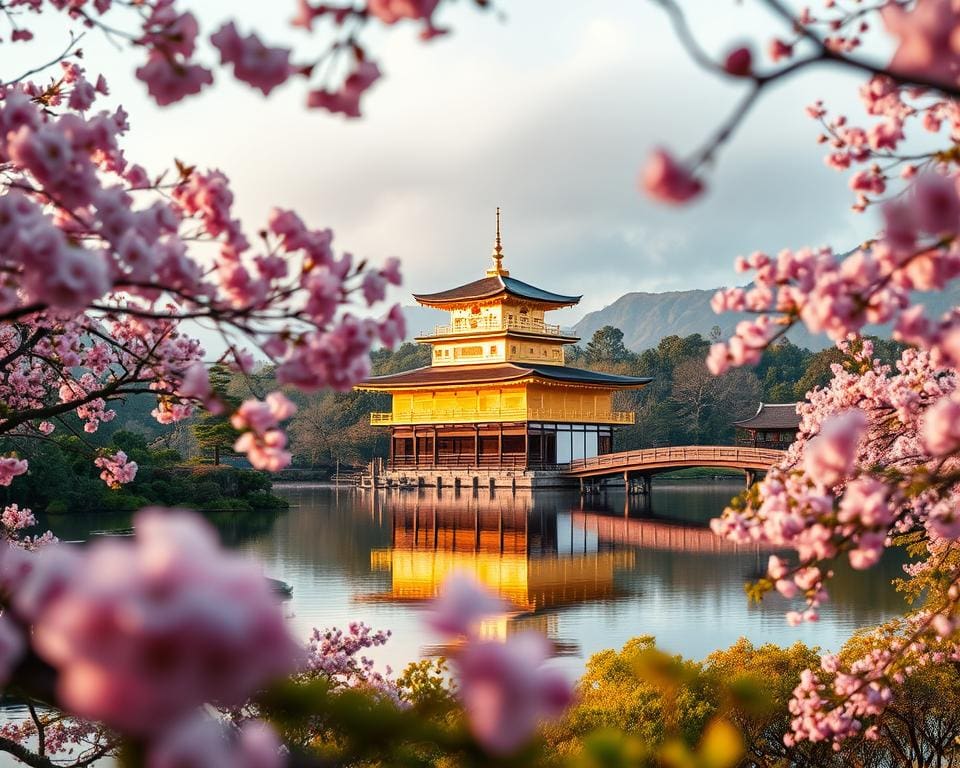
Landmarks such as Kiyomizu-dera, Kinkaku-ji and Ginkaku-ji sit within a dense tapestry of temples and castles. Nijo Castle and countless smaller temples hold dozens of national treasures and important cultural properties. UNESCO recognises the Historic Monuments of Ancient Kyoto for their architecture and garden design, which is why so many Kyoto heritage sites remain carefully protected.
Traditional machiya townhouses line preserved streets in Higashiyama. The alleys of Gion and Pontocho show how urban life evolved while keeping classical forms intact.
Living traditions: temples, shrines and geisha districts
Kyoto’s culture is active, not museum‑bound. Shinto and Buddhist rites continue daily. Fushimi Inari Taisha draws visitors with its torii pathways and ongoing worship. Many temples offer morning chants, sutra copying and zazen meditation sessions that travellers can observe or join.
The Gion geisha world remains a living craft. Apprentices, known as maiko, train in music, dance and conversation before becoming geiko. At dusk you can sometimes glimpse traditionally dressed practitioners moving between teahouses, a reminder that heritage here is practiced as well as displayed.
Why this matters to visitors from the United Kingdom
British travellers to Kyoto often find familiar pleasures in the city’s sense of history. Those who cherish places like York or Bath will recognise Kyoto’s careful preservation of urban fabric and landscape.
Practical comforts make visiting straightforward. English-language guided tours, multilingual signage and audio guides are widely available. Kyoto’s compact scale suits shorter holiday windows that many UK visitors prefer.
- Respectful etiquette helps travel go smoothly: bowing, shoe removal and quiet conduct in temples.
- Carry cash for smaller vendors; many prefer it over cards.
- Tipping is not expected in Japan, so prices usually include service.
Timeless cultural experiences that set Kyoto apart
Kyoto invites travellers into rituals and seasons that shape daily life. A short walk through temple precincts or historic streets reveals layers of practice, from quiet tea rooms to vibrant festival processions. These Kyoto cultural experiences feel lived-in, not staged, and reward slow exploration.
Tea ceremony and traditional arts demonstrations
The chanoyu is a precise ritual that emphasises hospitality, seasonality and aesthetic restraint. Visitors can join a Kyoto tea ceremony at temple tea houses, such as those around Nanzen-ji, or through specialist schools offering short demonstrations and participatory sessions.
Expect guided matcha preparation, lessons in formal etiquette and clear explanations of utensils and seasonal themes. Many providers offer English commentary or translated materials, making the tea ceremony experience accessible to first-time attendees.
Complementary demonstrations enrich the visit. You may see Noh or Kyogen excerpts, ikebana displays or koto and shakuhachi recitals staged at cultural centres and temple events. These performances help explain the forms behind the tea room’s quiet drama.
Seasonal festivals and cultural calendars
Kyoto festivals follow a rhythm set by the seasons. Major annual events include Aoi Matsuri in May, Gion Matsuri in July with its grand floats, Jidai Matsuri in October with historical costume processions and Setsubun temple rites in early February.
Seasonal activities shape visits. Hanami for cherry blossom viewing arrives in late March to April. Momiji for autumn leaves peaks in November. Many temples stage evening illuminations timed to these displays, creating memorable night scenes.
Plan ahead for busy dates. Book accommodation early around festival times, especially Gion Matsuri. Expect crowds on main days and consider smaller neighbourhood events for a more intimate feel.
Hands-on experiences: calligraphy, kimono rental and craft workshops
Practical classes let visitors take part in heritage. Shodō calligraphy sessions teach brush technique and character form in short, English-friendly lessons. Ceramics workshops offer wheel-throwing and glazing tailored to beginners.
Kimono rental Kyoto services are concentrated around Higashiyama and Gion. Many shops provide professional dressing, optional hair-styling and photoshoots in historic lanes. Wearing a kimono or yukata for the day deepens a visit and produces lasting images.
Craft centres near Nishijin focus on textiles, while lacquerware (urushi) and dyeing studios run compact workshops suited to travellers. The Kyoto International Manga Museum hosts crossover classes that blend traditional craft with contemporary culture.
- Choose studios that advertise English-friendly sessions.
- Book kimono rental Kyoto slots early for weekend plans.
- Look for combined experiences that include photos or a short guided tour.
Stunning natural scenery and well-preserved gardens
Kyoto’s landscape offers calm vistas, seasonal drama and carefully tended green spaces that reward slow travel. Walks beside ponds and through mossy paths reveal why visitors come for both peace and picture-perfect moments. Plan visits to match light and tides of colour for the best experience.
Top hanami and foliage sites shine in spring and autumn. Maruyama Park, the Philosopher’s Path and Kiyomizu-dera are classic Kyoto cherry blossom spots for late March to mid-April. Heian Shrine’s gardens add broad lawns and reflective ponds to the display. For autumn leaves Kyoto, Tofuku-ji, Eikando and the temple precincts of Arashiyama are prime choices, with peak colour often in mid- to late November.
Timing matters. Visit early in the morning or late afternoon to avoid crowds. Several temples offer night illuminations during peak bloom and foliage seasons; book tickets in advance where required. Small changes in weather shift peak dates from year to year, so check forecasts before you travel.
Traditional garden types reveal deep design thought. Karesansui or dry rock gardens, such as Ryoan-ji, use stones and raked gravel to suggest water and mountains. Stroll gardens at Kinkaku-ji centre around ponds and framed views, while tea gardens or roji guide guests along a simple approach to the tea house.
Philosophy shapes every planting choice. Wabi-sabi prizes imperfection and the passage of time, giving spaces a quiet, reflective mood. Shakkei, or borrowed scenery, integrates distant hills and temples into a garden’s composition, making the surrounding landscape part of the design.
Must-see historic sites reward planning. Saiho-ji’s moss garden requires advance reservation and shows the subtle textures of Japanese gardening. The pond gardens of Heian Shrine and guided visits to Katsura Imperial Villa demonstrate the precision of Japanese landscape gardens and the discipline of craft across centuries.
Day trips expand the palette of experiences. The Arashiyama bamboo grove sits alongside the Ōi River and pairs well with Tenryu-ji and temple walks. Mount Hiei hosts the Enryaku-ji complex and offers sweeping views over the city. Kurama and Kibune to the north provide forest trails and shrine visits for quieter mountain air.
Access is straightforward by train from central Kyoto on JR lines and private railways, making combined itineraries practical. Spring and autumn bring peak colours, winter offers solitude on the trails and summer shows dense, lush growth with riverside activities.
Culinary uniqueness and regional flavours
Kyoto offers a food scene that feels like a living museum of taste. Expect delicate textures, seasonal plates and rituals that turn a meal into an event. This city’s approach to dining blends centuries-old technique with local produce to form a distinct Kyoto cuisine that rewards slow, attentive eating.
Kaiseki cuisine and the art of seasonal dining
Kaiseki is the haute-cuisine tradition of multiple small courses, each chosen to reflect the season and served with careful presentation. Bookings at templeside ryokan such as Hiiragiya or established kaiseki restaurants like Kikunoi give the fullest experience. Expect prices to rise for true multi-course omakase style menus. Reserve well in advance and tell venues about dietary needs.
For a gentler introduction, try kaiseki Kyoto-style meals at local eateries that offer pared-back multi-course sets. These let you taste the rhythm of seasonal vegetables, yudofu near Nanzen-ji and delicate seafood without the steep price tag.
Local markets, street food and vegetarian Buddhist fare
Nishiki Market is the city’s culinary artery. Stalls sell pickles, tsukemono, yuba (tofu skin), sweets and fresh seafood. Walk the main lanes at mid-morning to sample dango, grilled skewers and soy-based snacks before crowds gather.
Street food here complements sit-down dining with instant gratification. Matcha sweets and quick bites appear alongside more savoury stalls, giving a snapshot of daily Kyoto cuisine. Peak times are late morning to early afternoon on weekends.
Shōjin ryōri, the Buddhist vegetarian cuisine served at temples and specialist restaurants, offers a plant-led, seasonal approach. These dishes showcase restraint, texture and umami without animal products, appealing to vegetarians and travellers seeking contemplative food.
Tea culture and matcha experiences for food-loving travellers
Kyoto and nearby Uji are central to Japan’s tea history. Tea houses and specialist cafés across the city offer matcha tastings, sweets and guided ceremonies. Try pairing matcha Kyoto-grade powder with wagashi to appreciate balance between bitter tea and delicate confections.
When buying matcha, look for vivid colour and fresh aroma as signs of quality. Store powder in a cool, dark place and consume it within weeks after opening. For reliable names, visit established shops in Uji and Kyoto that disclose origin and grinding date for premium purchases.
- Book kaiseki Kyoto experiences early and state dietary needs.
- Explore Nishiki Market in the morning for the best variety.
- Sample shōjin ryōri for seasonal, plant-based Kyoto cuisine.
- Choose matcha Kyoto from reputable Uji vendors and check colour and aroma before buying.
Accommodation and hospitality that enhance the experience
Choosing where to stay in Kyoto shapes your trip more than you might expect. Options range from time-honoured tatami rooms to sleek modern design. Each style brings a different rhythm to your days and nights in the city.
Traditional ryokan and contemporary boutique hotels
For a classic experience, a Kyoto ryokan offers tatami flooring, futon bedding and meals such as kaiseki served in your room. Many ryokan include communal bathing that echoes onsen culture when available. Boutique hotels Kyoto tend to focus on curated interiors, modern comforts and bespoke local touches.
Pick Gion or Higashiyama for historic streets and evening atmosphere. Kawaramachi and downtown suit those who want shopping and nightlife. Staying near Kyoto Station gives fast access to shinkansen and regional buses.
Omotenashi: the practice of Japanese hospitality
Omotenashi means anticipatory, meticulous service that values respect and personal attention. Expect careful check-in rituals, neatly presented amenities and staff who go out of their way to help with reservations or local directions.
Most high-end hotels and many ryokan offer English-speaking staff. Smaller, family-run ryokan may have limited English, so a quick message in advance eases arrival. Tipping is uncommon; spotless rooms and discreet assistance are part of the experience.
Practical tips for booking and choosing the right stay
- Book early for peak periods such as cherry blossom and autumn foliage. Availability fills fast.
- Check whether meals are included. A ryokan dinner can be the highlight of your stay.
- Confirm access: many machiya-style properties have stairs and no elevator.
- Ask about ensuite bathrooms versus shared facilities and luggage forwarding (takkyubin) services.
- Consider transport: close proximity to bus routes or the subway saves time when exploring.
- Balance price and experience. Budget ryokan, mid-range hotels and luxury properties each offer distinct value depending on what you prioritise.
Use these Kyoto accommodation tips to decide what matters most: historic ambience, designer comforts or simple convenience. The right choice will deepen your sense of place and leave lasting memories of omotenashi in Kyoto.
Practical travel insights for a memorable visit
Visiting Kyoto from UK is straightforward for most travellers; UK passport holders usually enjoy visa-free short stays for tourism. From Kansai International Airport or Osaka Itami, the Haruka limited express and JR lines offer direct, comfortable links to Kyoto Station, typically taking about 75–90 minutes from Kansai and 50 minutes from Itami by airport limousine or shuttle plus train. These Kyoto travel tips help you plan arrival times and connections without stress.
Once in the city, public transport is efficient but varied: buses, subways and regional trains each serve different districts. An IC card such as ICOCA or Suica speeds journeys and avoids repeated ticket purchases. Note that many temples and shrines lie off rail lines and rely on buses, so allow extra time in your Kyoto itinerary for short bus rides and walking between sites.
For sample plans, a 3-day Kyoto itinerary can focus on Kinkaku-ji, Kiyomizu-dera and the Gion quarter with an evening in Pontocho; a 5-day visit adds Arashiyama and Nishiki Market plus a day trip to Nara; a 7-day schedule permits slower exploration and a choice of Uji for tea culture. These Kyoto travel tips aim to balance must-see highlights with quieter neighbourhoods to savour the city’s subtle rhythms.
Money and connectivity matter. Many small vendors and tea houses prefer cash, so carry yen and use convenience store or Japan Post ATMs when needed. Pocket Wi‑Fi rental or an eSIM from a UK provider keeps maps and bookings at hand. Kyoto practical tips also include safety reassurance: crime rates are low, but vigilance with belongings is wise.
Observe simple etiquette: remove shoes indoors, keep voices low in sacred spaces, and follow queuing manners. Accessibility varies; historic sites often have steps and limited ramp access, so check ahead for wheelchair needs. For festival dates and popular experiences such as kaiseki dinners or ryokan stays, pre-booking is recommended to secure the best options.
These Kyoto travel advice points should help you design a trip that feels both smooth and richly textured. Allow time for slow moments in gardens and tea houses; Kyoto rewards curiosity and a patient pace, offering sensory rituals and quiet beauty that linger long after you return to the UK.