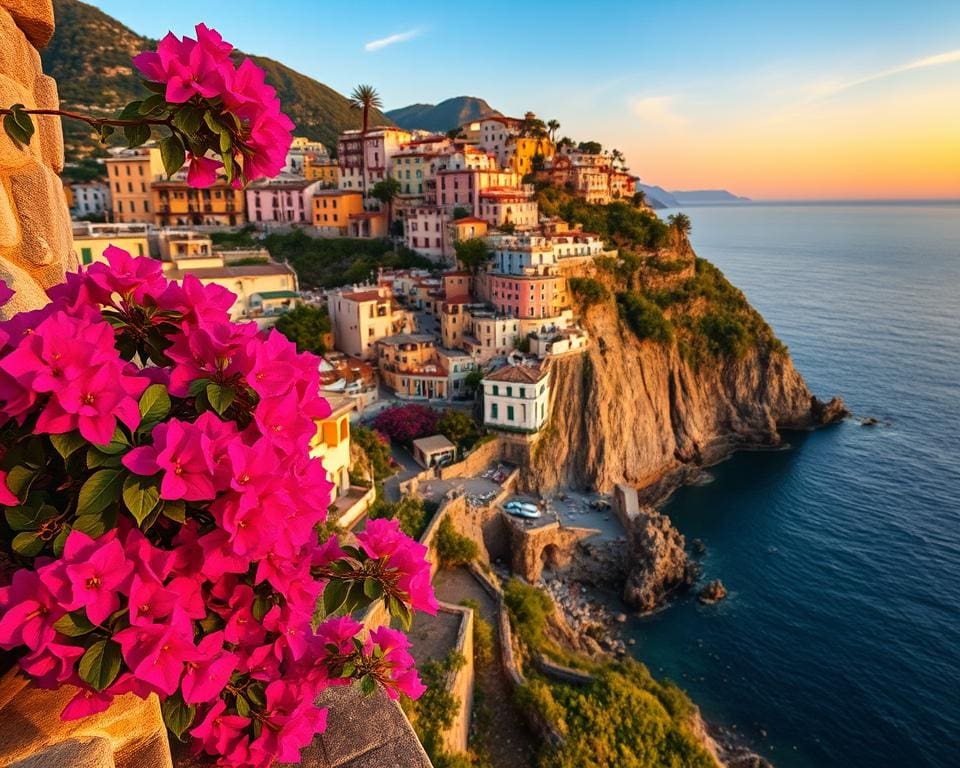
The Amalfi Coast is a UNESCO‑listed ribbon of coastline in Campania, roughly 50 kilometres between Sorrento and Salerno. Its dramatic cliffs, stepped terraces, lemon groves and azure sea form the most recognisable Amalfi Coast highlights. Towns such as Positano, Amalfi, Ravello, Praiano, Furore and the island of Capri punctuate the shore with colourful houses, marinas and narrow lanes.
This guide asks a simple question: which spots stand out along the Amalfi Coast? It aims to be an inspiring, practical review for UK travellers, weighing scenery, accommodation quality, cultural experiences and accessibility. Expect recommendations to help you choose the best places Amalfi Coast has to offer, whether you want boutique stays in Positano, history in Amalfi, or tranquil gardens in Ravello.
The tone is sensory and useful. Picture golden light on cliffside verandas, panoramic terraces for an aperitivo, and the scent of lemon groves. The article will help couples seeking romance, families needing straightforward tips, and independent travellers planning day trips or longer stays in Positano Amalfi Ravello Capri.
What follows is a compact roadmap: an overview of the coastline’s highlights, focused chapters on Positano, Amalfi town, Ravello, Praiano and Furore, Capri and island escapes, then practical travel advice on getting around, seasonality and costs. Each section evaluates scenery, accessibility and local experiences to make choosing where to stay or visit straightforward.
Which spots stand out along the Amalfi Coast?
The Amalfi Coast unfolds as a string of cliffside villages, sunlit terraces and hidden coves. Pastel houses cling to steep slopes above the Tyrrhenian Sea. The SS163 snakes between towns, while terraced lemon orchards supply Limoncello to local cafés. Pebble beaches and sandy inlets sit beside dramatic cliffs. Easy boat links make the Bay of Naples and Mount Vesuvius simple day-trip options.
Overview of the coastline’s highlights
Key towns and islands offer varied charms. Positano delights with vertical streets and vibrant shops. Amalfi town centres on the Cathedral of Sant’Andrea and lively piazzas. Ravello perches above the sea with Villa Rufolo and Villa Cimbrone gardens. Praiano provides calm bays. Furore hides the Fiordo di Furore, a dramatic narrow inlet. Capri brings glamour, the Blue Grotto and boutique shopping.
Notable features repeat along the coast: cliffside villages, narrow serpentine roads, terraced orchards, small beaches and strong links to regional maritime routes. This Amalfi Coast overview highlights both popular vistas and quieter corners worth exploring.
Why the Amalfi Coast is a must‑see for British travellers
The coastline combines rich history, Mediterranean cuisine and a relaxed café culture that appeals to honeymooners, couples and culture seekers. Photographic vistas and classical music events add a sensory layer to the trip.
Flights from Heathrow, Gatwick and other UK airports reach Naples in around two and a half hours, making the area reachable for short breaks or longer stays. Ferries and hydrofoils knit towns together when driving feels difficult.
Climate suits most seasons. Hot summers attract sunseekers. Spring and autumn offer milder temperatures and fewer crowds, which helps when planning quieter visits or walks along coastal paths.
How this article evaluates each spot (scenery, accessibility, experiences)
Profiles follow clear travel evaluation criteria to guide choices. Scenery covers viewpoints, coastal panoramas and natural wonders such as the Blue Grotto and Fiordo di Furore.
Accessibility examines road quality, public-transport links, the number of steps and ferry connections. This helps readers choose towns that fit their mobility and transport preferences.
Experiences assess accommodation, dining, cultural events, beaches and water activities. Hotel and restaurant recommendations are judged for quality and value. Notes on best times to visit and suitability for couples, families or walkers appear with each profile.
Positano: iconic cliffside vistas and boutique stays
Perched above the Gulf of Salerno, Positano unfolds like a painted amphitheatre of pastel houses, stairways and terraces that tumble down to Spiaggia Grande and the quieter cove at Fornillo Beach. Visitors arrive expecting charm and leave with images of narrow alleys, photogenic stairways and sweeping panoramas along Via Cristoforo Colombo and the Sentiero degli Dei.
What makes Positano visually unforgettable
The town’s steep layout creates constant viewpoints. From the path above Spiaggia Grande you can see boats bobbing on cobalt water framed by stacked villas. Small terraces reveal sunlit façades that change with the hour, offering golden-hour light that photographers prize.
Strolling the alleys, you discover secret terraces and rooftop outlooks. The Sentiero degli Dei provides higher vantage points for a wider sweep of coastline, while Via Cristoforo Colombo serves up classic cliffside scenes close to town.
Top boutique hotels and recommended sea‑view rooms
Positano boutique hotels range from legendary luxury to intimate guesthouses. Le Sirenuse and Il San Pietro di Positano remain standout addresses for service, dining and sweeping vistas. Smaller B&Bs and family-run inns offer charm and better value for travellers on tighter budgets.
Booking Positano sea view rooms or a balcony room transforms the stay. Prioritise private terraces, in-house restaurants with terrace dining and concierge services that arrange boat trips and transfers. Properties offering direct beach access or a shuttle to Spiaggia Grande are particularly convenient.
Expect premium rates for suites in July and August. Shoulder months often present better value and easier availability for top sea‑view rooms.
Best times to visit to avoid the crowds and enjoy the light
The best time to visit Positano is late April through June and September into early October. These windows bring warm weather, softer light for photography and fewer day-trippers than peak months.
July and August are busy. Beaches fill, prices rise and parking becomes scarce. If travel in high season is unavoidable, plan early-morning walks or late-afternoon wanderings to enjoy calmer streets and the most flattering light for photos.
Amalfi town: history, cathedral and seaside charm
Amalfi unfolds like a living postcard. Narrow alleys lead from sunlit piazzas to the water, where fishermen and ferries share space in a lively scene. This town has layers of history, vivid local life and easy access to coastal islands.
The Cathedral of Sant’Andrea and cultural highlights
The Cathedral of Sant’Andrea dominates the main square with an Arab‑Norman façade that catches the light. Inside, the transept, mosaics and the crypt reputed to hold Saint Andrew’s relics tell of Amalfi’s medieval importance as a maritime republic from the 9th to the 11th century.
Close by, Museo della Carta explains the town’s paper‑making craft and the Chiostro del Paradiso offers a quiet cloister to admire stonework. Local festivals still fill the historic piazzas, providing moments of ritual, music and regional colour.
Harbour life, boat trips and local dining experiences
Amalfi harbour bustles with ferries to Capri and Positano, private charters and shared excursions to coastal grottos such as Grotta dello Smeraldo. Day trips range from short hops to full‑day sails, ideal for swimmers and photographers.
For Amalfi dining, choose a seaside trattoria for fresh seafood or order scialatielli at a family run restaurant. Promenade cafés and gelaterie tempt with espresso, pastries and limoncello made from local Sfusato Amalfitano lemons.
Practical tips for exploring narrow streets and stairs
Streets can be steep and pavements uneven. Wear comfortable shoes and plan for limited mobility on steps and staircases. Timed morning visits help avoid crowds at the cathedral and along the harbour.
- Arrive by ferry to skip parking hassles at busy times.
- Book a guided walking tour to gain context while someone else navigates the shortcuts.
- Carry a small bottle of water and pause often; shaded spots appear between narrow lanes.
Ravello: serene gardens, classical music and panoramic terraces
Perched above the Amalfi Coast, Ravello rewards slow wandering. Terraces, olive groves and quiet lanes invite reflection between visits to iconic sights and intimate concerts.
Villa Rufolo and Villa Cimbrone gardens worth visiting
Villa Rufolo is famed for its Moorish towers and terraced gardens that drop toward the sea. The ruined, romantic architecture inspired Richard Wagner and gives striking viewpoints for photographers and history lovers.
Walk to the Terrazza dell’Infinito at Villa Cimbrone for a sweeping panorama framed by a stone parapet. That terrace rewards early visitors with still air and clear light, ideal for contemplation and pictures.
Opening hours vary by season. Aim to arrive at opening time to avoid coach groups and to enjoy quieter paths through the Villa Cimbrone gardens and Villa Rufolo grounds.
Music festivals and experiences for culture lovers
The annual Ravello music festival stages classical concerts at Villa Rufolo and nearby venues, drawing international performers. Summer schedules fill fast, so book tickets in advance for popular weekend recitals.
Pair a concert with chamber music evenings, gallery visits and walks through lemon terraces and olive groves. Small guided tours add context and deepen appreciation of the music and setting.
Where to find peaceful luxury and recommended restaurants
Luxury stays range from historic villas to refined hotels such as Belmond Caruso, each offering quiet terraces, infinity pools and fine dining with panoramic views. Choose mid‑week or the shoulder seasons for greater tranquillity.
Ravello restaurants serve fresh seafood and seasonal produce on sunset terraces. Reserve ahead for prime seats and request a table overlooking the coast to make the most of evening light.
- Visit early to beat the tourist coaches.
- Book festival tickets and restaurant tables in advance.
- Combine gardens, concerts and local walks for a full sensory day.
Praiano and Furore: quieter villages, authentic atmosphere
Set midway between Positano and Amalfi, Praiano feels like a secret kept by locals. Low-rise buildings, fishermen’s boats and sunsets over the Tyrrhenian Sea give the village a lived-in charm. Visitors seeking calm choose Praiano travel for intimate stays, smaller beaches and a slower pace away from coach crowds.
Marina di Praia and other pebble coves are easy to reach and far less busy than the big towns. Couples find affordable, authentic accommodation and quiet streets ideal for evening walks. Family-run trattorias serve fish straight from the nets, with cliffside terraces that reward slow meals and good conversation.
Furore sits a short drive along the coastal road, famous for the Fiordo di Furore. This narrow sea inlet is framed by sheer cliffs and a photogenic arched bridge. The fjord’s dramatic lines attract photographers, filmmakers and anyone who loves raw coastal scenery.
Walk the coastal road for sweeping views of the fiord and the sea beyond. Occasional art installations add cultural flavour to the rugged landscape. A tiny pebble beach at the fjord base invites quiet reflection and strong photographic opportunities.
Small coves around Praiano and Furore offer excellent Praiano snorkelling. Clear water and rocky bottoms bring colour and marine life close to view. Some spots need a descent down steps, others are best reached by water taxi; snorkel hire is often available from local operators.
For food lovers, simple menus highlight fresh catch, homemade pasta and limoncello. Seek out cliffside trattorias for long lunches and sunset suppers. Quiet Amalfi Coast villages keep traditions alive, making every meal feel part of the place.
- Best for calm stays: choose Praiano travel over busier towns.
- Top photo spot: Furore Fiordo di Furore from the bridge vantage point.
- Snorkel tips: bring fins for Praiano snorkelling and check tide access.
Capri and island escapes: glamour, grottos and shopping
Capri draws visitors with dramatic coastal scenery, elegant piazzas and a sense of old‑world glamour. A day on the island can mix natural wonder, high fashion and relaxed Mediterranean pace. Many travellers from the Amalfi Coast plan a full day to take in the highlights without haste.
Blue Grotto and other must‑see natural wonders
The Blue Grotto, or Grotta Azzurra, is famed for water that glows sapphire when sunlight enters through a low underwater gap. Access depends on sea state; small rowing boats ferry visitors from larger craft when conditions allow. Expect queues and brief visits, so arrive early or book a private tour for more flexibility.
Beyond the grotto, the island offers the Faraglioni rock stacks rising from the sea and the Gardens of Augustus with tiered floral beds and sweeping views. The Punta Carena lighthouse sits on the island’s rugged south‑west tip and marks excellent coastal walks. Trails along the coastal rim reward walkers with panoramas that stay with you.
Shopping and luxury experiences on Capri
Capri shopping centres on the Piazzetta and Via Camerelle, where designer boutiques and jewellers line narrow streets. Look for bespoke sandals and traditional leatherwork from artisan shoemakers who craft pieces to measure. These make superior souvenirs to mass‑market items.
Luxury experiences include private boat tours around the island, table reservations at Michelin‑level restaurants and access to exclusive beach clubs and lidos. Booking ahead secures the best tables, vessels and sunbeds during the busy summer months.
Day‑trip logistics from Amalfi Coast towns
Regular ferries and hydrofoils sail to Capri from Amalfi, Positano and Sorrento in high season. Timetables change by month, so check crossings before you travel. Private charters give you control over timing and route if you prefer a bespoke itinerary.
Plan for a full day on the island to visit multiple sites and enjoy unhurried lunch. Morning departures reduce the chance of choppy seas and help you avoid the peak crowds near the Blue Grotto. When travelling in July and August, book return crossings well in advance to avoid sold‑out sailings on a Capri day trip from Amalfi.
These island escapes Amalfi Coast visitors treasure combine nature, style and unforgettable views. With careful timing and a few bookings, a visit to Capri becomes a highlight of any Amalfi itinerary.
Practical travel advice: getting around, seasonality and costs
Getting around the Amalfi Coast calls for a mix of planning and flexibility. Driving the SS163 delivers spectacular views but the road is narrow and parking is scarce; hiring a local driver or private transfer is a sensible option if you want comfort and fewer parking headaches. SITA buses link the main towns for a budget-friendly route, while ferries and hydrofoils—seasonal but often quicker—connect coastal ports. Many villages are best explored on foot, so pack sturdy shoes and consider the Sentiero degli Dei for one unforgettable walk.
Seasonality shapes both atmosphere and prices. Peak season (July–August) brings warm seas and lively nights but heavy crowds and higher rates. The shoulder months (April–June, September–October) offer milder weather, clearer light for photos and better value. Winter is quiet with reduced services but lower prices and a gentler pace. Keep sea conditions in mind: boat trips and grotto access can be cancelled in rough weather, so check forecasts before booking.
Understand typical Amalfi travel costs to budget with confidence. Accommodation ranges from modest guesthouses to hotels charging several hundred pounds per night. Meals vary from inexpensive trattoria lunches to lavish, terrace dining; boat charters and guided excursions are premium spends. Save money by staying in Praiano or Atrani, travelling in shoulder months, prebooking ferries and hotels, and favouring public ferries over private charters where practical.
Book popular hotels, restaurant terraces and experiences like the Blue Grotto and Ravello concerts well in advance for high season. For safety, watch your step on steep paths and wet rocks, heed local advice about sea conditions before swimming, and use authorised taxis or licensed charter services. Balance must‑see icons such as Positano, Amalfi and Capri with quieter gems like Praiano, Furore and Ravello to shape an Amalfi Coast trip that fits your budget and travel style.