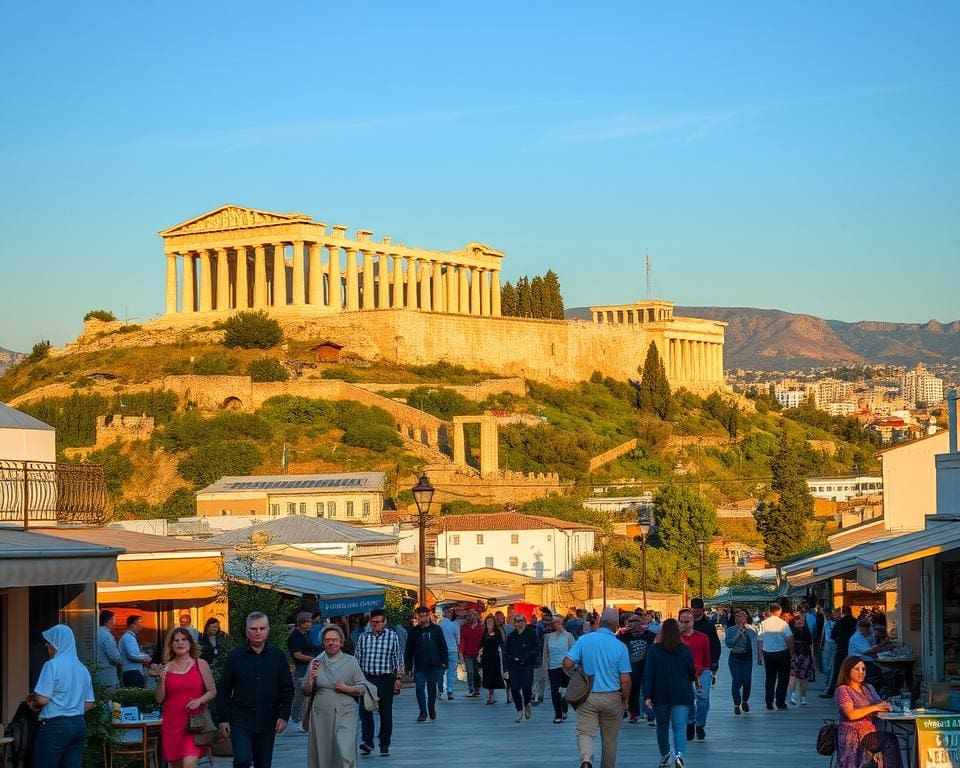
Deciding what should you see when visiting Athens is the first step to a memorable trip. This short visit Athens guide helps British travellers pick the highlights without feeling rushed. Think sunlit marble at the Acropolis, lively markets in Monastiraki and rooftop dinners with views of the Parthenon.
Athens is compact and walkable, so a well-planned Athens itinerary can pack ancient wonders, world-class museums and buzzing neighbourhoods into a short break. Key Athens travel highlights include the Acropolis and Parthenon, the Acropolis Museum and the National Archaeological Museum, plus viewpoints like Mount Lycabettus and Philopappos Hill.
This guide is a curated, practical review rather than a mere checklist. Expect time-saving tips, sensory snapshots — warm marble underfoot, street‑food aromas at Varvakios Market — and clear priorities for both first-time visitors and returning travellers. It also notes when to visit for comfortable sightseeing and easy flights from UK airports.
What should you see when visiting Athens?
Athens combines ancient grandeur with lively modern culture in a compact, walkable centre. This mix of monuments, theatre, music and vibrant neighbourhoods explains why visit Athens is a common question for curious travellers. Use the short sections below to plan priorities, whether you have a day or a long weekend.
Why Athens deserves a spot on your travel list
The city is the cradle of Western civilisation, with the Acropolis as its emblem. You will find world-class museums, cutting-edge galleries and lively music venues beside historic ruins. Street cafés in Plaka and the nightlife in Psyri make clear Athens travel reasons extend beyond history to a full sensory experience.
How to balance ancient sites and modern experiences in a short stay
For 24–72 hour trips, start early at the Acropolis and the Acropolis Museum to beat heat and crowds. Spend the afternoon wandering Plaka and Monastiraki for shops and local life. Pick one major museum, such as the National Archaeological or the Benaki Museum, for deeper context.
Book guided tours or skip-the-line tickets for time efficiency. Finish evenings on a rooftop terrace with views of the lit Parthenon or explore Psyri for live music and tavernas. These Athens short stay tips keep your itinerary balanced and memorable.
Best times of year to tour the city for comfortable sightseeing
Shoulder months—April to June and September to October—offer mild weather, fewer queues and blooming parks, making them the best time to visit Athens for most travellers. Summer is hot yet lively, with island-hopping on offer and late dining culture at its peak.
Winter brings lower prices and thinner crowds, useful for budget trips or museum-focused visits. Check festival dates, such as the Athens & Epidaurus Festival in summer, when the city fills with performances and special events tied to Athens seasons.
Essential ancient landmarks and the Acropolis experience
A visit to Athens feels like stepping into layered history. Start with a calm plan that lets you savour each site and avoid rush. Wear sensible shoes, bring water and protect yourself from the sun to make the day comfortable while exploring Athens ancient landmarks.
Visiting the Parthenon: history, tips and photography spots
The Parthenon dates to the fifth century BCE and honours Athena as a Doric temple of supreme importance. Notice the surviving columns and the carved friezes that hint at the original sculptural programme. Use practical Acropolis Parthenon tips: arrive at opening to avoid crowds, carry sun cream and water, and wear sturdy shoes for the uneven marble surfaces.
For photos, try the Propylaea steps for a frontal composition. Climb Areopagus Hill for wide panoramas showing the Parthenon above the city. Aim for dusk to capture warm light across the columns.
The Acropolis Museum: what to expect and must-see exhibits
The Acropolis Museum combines modern design with original artefacts from the hill. It houses the Parthenon marbles and the original Caryatids from the Erechtheion, with replicas standing on the rock above. Glass floors reveal excavation layers beneath the galleries.
Book timed entry ahead and allow 90 to 120 minutes for the main displays. Pay attention to the Parthenon marbles gallery and contextual displays that trace the site from prehistoric to Roman times. The museum café offers a calm pause with a view of the Acropolis.
Other nearby ancient sites: Erechtheion, Theatre of Dionysus and Areopagus Hill
The Erechtheion is compact but intricate, famed for the Porch of the Caryatids and its unusual plan that reflects sacred topography. Study the carved capitals and the subtle shifts in the structure’s levels.
The Theatre of Dionysus sits on the south slope and marks the birthplace of Greek drama. Look for the semicircular orchestra and the tiered seating that once hosted Aeschylus and Sophocles.
Areopagus Hill is an easy climb close by and rewards visitors with superb viewpoints. The rock links to classical speeches, later visits by St Paul and expansive city views. Consider combined-ticket options for the Acropolis area and be mindful that paths can be uneven for some visitors.
Historic neighbourhoods to explore for authentic atmosphere
Wandering Athens neighbourhoods to visit reveals layers of city life where ancient stones meet neighbourhood rhythm. Each quarter offers a distinct mood, from sun-dappled alleys to lively squares where locals gather. Take time to move on foot and let the streets set the pace.
Plaka: winding streets, neoclassical houses and local cafés
Plaka feels like a village under the Acropolis. Narrow lanes wind between pastel neoclassical houses and small Byzantine churches.
Pop into family-run cafés for a coffee and watch residents chat at their leisure. Anafiotika, a Cycladic-feeling enclave on the slopes, rewards careful exploration and quiet photos. For the best light and smaller crowds, visit in the morning or late afternoon.
Monastiraki: flea market finds and lively squares
Monastiraki pulses with energy around its square and stalls. The Monastiraki flea market draws bargain hunters seeking antiques, vintage clothing and curious souvenirs.
Ermou Street sits close by for mainstream shopping, while cafés and tavernas provide prime people-watching spots. When browsing, haggle gently and inspect items closely to avoid disappointing purchases. Keep valuables secure in busy areas.
Psyri and Psyrri nightlife: tavernas, live music and street art
Psyri has transformed into a hub for evening entertainment. Rustic tavernas serve meze and ouzo, while contemporary restaurants push modern Greek cuisine.
Live-music venues present rebetiko alongside newer acts. Street art and intimate courtyards add colour after dark. Seek rooftop bars or tucked-away courtyards for memorable nights, and be mindful of local noise norms when leaving late.
Top museums and cultural attractions beyond antiquity
Athens rewards visitors who venture past the Acropolis. A short itinerary that mixes archaeological giants with modern art spaces gives a fuller sense of the city’s cultural life. Below are three focused stops to add to a thoughtful day of museum-going and gallery-hopping.
National Archaeological Museum
The National Archaeological Museum Athens is Greece’s largest archaeological museum and a must for first-time visitors. Key highlights include the Mask of Agamemnon, Mycenaean goldwork, the Antikythera mechanism fragments, classic Kouros statues and haunting Cycladic figurines.
Practical tips: allow two to three hours, book ahead in high season and use floor maps to decide which galleries to prioritise. The site has cloakroom facilities, accessible routes and a café and shop stocking specialist publications. Temporary exhibitions arrive often, so check listings before you go.
Benaki Museum and nearby collections
The Benaki Museum excels at tracing Greek culture from prehistoric times to the present across several buildings. Benaki Museum collections include fine examples of Islamic art, 19th- and 20th-century Greek painting, and notable fashion and costume displays.
Visitor advice: check opening hours for individual sites and look for combined tickets that cover annexes. The museum’s gardens and bookshop offer calm spots to reflect on the exhibits after a busy gallery walk.
Contemporary art spaces and alternative galleries
For a pulse on modern creativity, explore the National Museum of Contemporary Art (EMST) and the compact scene in Metaxourgeio and Kerameikos. These Athens contemporary art galleries range from major curated shows to pop-up events and late-night openings.
Many venues stage performance nights and artist talks. Follow local listings, join a gallery opening night and plan an art walk that pairs exhibitions with cafés and small ateliers for a vivid, current view of Athens culture.
Parks, viewpoints and places for spectacular city panoramas
Athens offers a mix of leafy calm and high viewpoints that reveal the city’s layers. Stroll, climb or pause at a café terrace to appreciate light across ruins and sea. The following spots deliver some of the best panoramas Athens has to offer.
Mount Lycabettus: best routes, sunrise and sunset suggestions
Mount Lycabettus is the city’s highest point, offering sweeping Mount Lycabettus views of the Acropolis, the Saronic Gulf and the suburbs beyond.
Walk from Kolonaki for a 20–40 minute climb along clear paths, or take the funicular from Aristippou Street for an easy ascent. Aim for sunrise or sunset for golden light and cooler air. Bring a camera and a light jacket for breezy conditions at the summit. Look for the chapel of St George and relax at the hilltop café with a terrace view.
Philopappos Hill and quiet spots with views of the Acropolis
Philopappos Hill feels calmer than the Acropolis slopes and rewards walkers with an excellent Philopappos Hill Acropolis view of the Parthenon.
Follow shaded paths past the Philopappos Monument and choose a grassy knoll for a picnic. The hill pairs well with a short walk to Anafiotika and the Acropolis, giving contrasting angles for photography and reflection.
National Garden: a peaceful retreat in central Athens
Behind Syntagma Square, the National Garden Athens is a leafy oasis with ponds, shaded promenades and a small zoo. Families favour its playgrounds and quiet corners for a restful break from busy streets.
Combine a gentle wander here with a civic walk past the Hellenic Parliament and the Tomb of the Unknown Soldier. The garden provides a gentle contrast to panoramic high points, offering peaceful greenery between museum visits.
Food, markets and culinary experiences to try
Athens rewards curiosity with bold flavours, lively markets and rooftop evenings beneath the Acropolis glow. Use this short guide to plan where to taste classic plates, hunt local produce and savour skyline views.
Where to sample classic Greek dishes and street food favourites
Begin with a list of must-try dishes to order on your first day. Try souvlaki and gyros for a quick hit of charred meat wrapped in pita. Order moussaka at a traditional taverna to taste layered aubergine and béchamel. Sample grilled octopus and spanakopita for seafood and pastry specialties. Don’t miss keftedes, Greek salad and loukoumades for dessert. Pick up a koulouri from a street vendor for a morning snack.
For fast bites, seek out Athens street food stands in Monastiraki and Psyrri. For relaxed meals, book a classic taverna in Plaka. Pair meze with local wines, ouzo or tsipouro to experience how drinks lift the flavours.
Central Market (Varvakios): how to explore like a local
Varvakios Central Market sits between Omonia and Monastiraki, buzzing with traders and stacked counters of fish, meat and produce. Visit in the morning when the stalls are busiest and the catch is freshest.
Follow Varvakios market tips by joining a market food tour or booking a cookery class that sources ingredients here. Carry small change for modest haggling and respect hygiene around chilled fish and meat counters. Stop by traditional butchers and fishmongers for high-quality cuts if you plan to cook.
Cafés and rooftop restaurants with Acropolis views
Rooftop terraces in Plaka, Monastiraki and Thissio offer memorable dinners with the illuminated Parthenon overhead. Reserve a table at sunset for the best vantage point and check menus for set-price options that highlight local dishes.
Expect a premium for a view at well-known hotel terraces near Syntagma and Monastiraki. Use these spots for an evening aperitif or a romantic meal after a day of exploring Athens street food and market stalls.
- Athens food guide helps prioritise eats by neighbourhood and budget.
- Keep a handy list of Greek dishes to try so you do not miss local classics.
- Use practical Varvakios market tips to shop safely and authentically.
- Plan rooftop bookings to secure seats at top Acropolis rooftop restaurants.
- Balance taverna nights with quick stops to enjoy Athens street food.
Day trips and short excursions from Athens
From lively streets to rugged coastlines, a handful of short journeys from the city open a different Greece. These outings suit anyone who wants to balance time in Athens with memorable escapes. Pick a full-day tour or a self-planned route to match your pace and interests.
Delphi: why it remains a top archaeological day trip
Delphi was the ancient sanctuary of Apollo and the home of the famed Oracle. Walk among the Temple of Apollo, the theatre and the stadium to sense how pilgrims once approached prophecy. The Delphi Museum displays key finds, such as the Charioteer of Delphi, which bring the site to life.
Expect a 2.5–3 hour drive each way from central Athens. Many travellers choose a guided Delphi day trip from Athens or a coach with pre-booked arrangements. Wear sturdy shoes, carry water and be ready for changeable weather in the mountains.
Cape Sounion and the Temple of Poseidon for sunset views
Cape Sounion offers dramatic coastal cliffs crowned by the Temple of Poseidon. The ruin sits above the Aegean, making sunset a classic view from Athens. Combine a late-afternoon drive with a seaside dinner to extend the moment.
The site lies about 1–1.5 hours from the city. Many half-day evening tours include transport and local commentary. Facilities near the temple are limited, so bring water and check opening times before you go.
Nearby islands easily reached for a coastal escape
Short ferry crossings from Piraeus unlock the charm of nearby islands from Athens. Aegina, Hydra and Poros are popular for day trips and stay within easy reach.
- Aegina: pistachio groves, Byzantine churches and a compact town to explore.
- Hydra: car-free lanes, cobbled streets and a strong artistic vibe.
- Poros: a pretty harbour, relaxed pace and easy walking routes.
Ferry times vary by season; Aegina can be reached in roughly 40 minutes to an hour. Book crossings in high season and consider an overnight on the islands for a quieter experience. For many visitors, Aegina Hydra Poros day trips turn a city break into a coastal memory.
Practical visitor tips, transport and accessibility advice
Use Athens transport guide to plan journeys: the metro serves Syntagma, Monastiraki and the Acropolis Museum, while buses and trams link neighbourhoods and the coast. The suburban railway runs to Piraeus, and Eleftherios Venizelos Airport has direct metro and rail links plus regular buses and taxis. Buy integrated tickets or a reloadable pass at stations or kiosks, validate at barriers or on board, and for taxis insist on the metre or agree a fare in advance.
Accessibility Athens is improving, with the Acropolis Museum and the National Archaeological Museum offering step-free access and lifts. The Acropolis hill itself has uneven terrain and limited wheelchair access, so book assistance or choose alternative routes if mobility is an issue. Bring comfortable footwear, sun protection and plan a slower pace to manage slopes and steps; consider hiring mobility aids or using local accessible tour operators for more support.
Keep Athens safety tips in mind: the city is generally safe but take care in crowded areas to avoid pickpockets, secure valuables in a hotel safe, and use common-sense vigilance. The currency is the euro and cards are widely accepted, though small tavernas and markets may prefer cash. Tipping is often modest, typically 5–10% where service is good, and remember that tap water is drinkable though many choose bottled water. UK travellers should check GHIC entitlements and carry travel insurance and prescriptions.
For smooth getting around Athens, balance planning with a relaxed attitude. Respect local customs—dress modestly for churches, greet hosts politely—and allow extra time for sights and travel. These Athens travel tips will help you move with confidence and enjoy both the ancient landmarks and the modern city life.