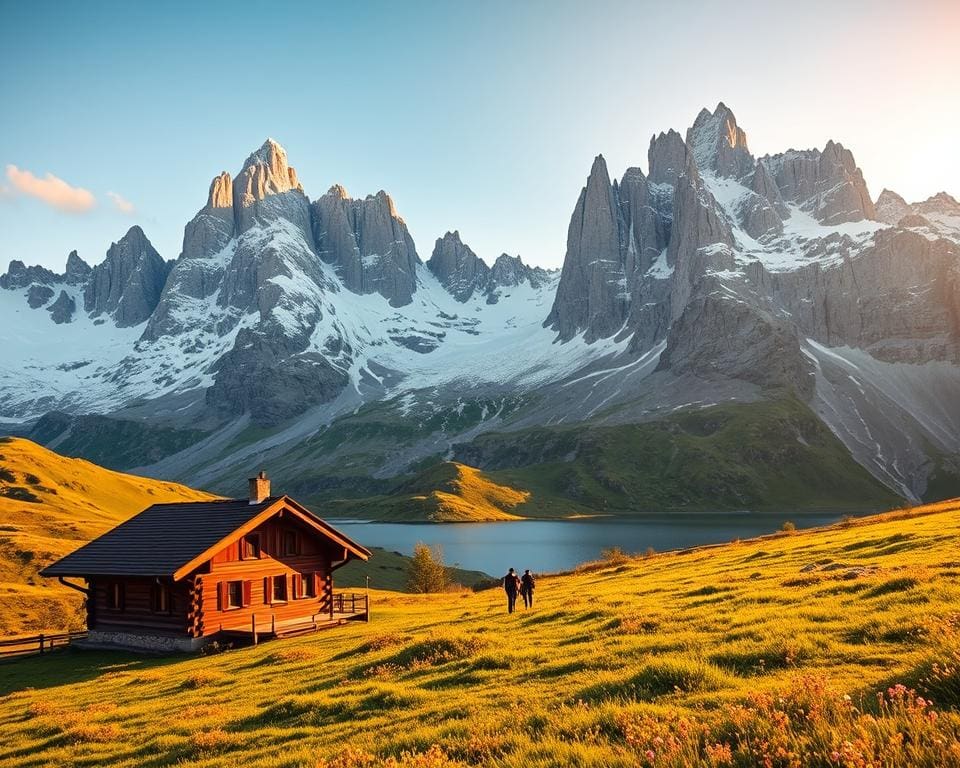
The Swiss Alps are a global symbol of natural grandeur and outdoor recreation, where Swiss mountain grandeur meets first-rate tourism. Stretching across eight countries, the range includes some of the most recognisable massifs, including the Matterhorn and the Mont Blanc massif on the Swiss–French border. This concentration of iconic peaks, together with excellent access and conservation efforts, helps explain Swiss Alps awe for travellers from the United Kingdom and beyond.
For British visitors, Alps travel inspiration often begins with practical ease: direct flights to Geneva, Zurich and Basel, or rail journeys via Eurostar and TGV from London and Paris. Typical travel seasons run from late autumn for early ski deals through to high alpine summers for hiking and trekking. Practicalities such as the Swiss franc, Schengen rules and appropriate travel insurance for activities are part of planning a safe and memorable trip.
This article adopts a product-review angle, assessing the services and goods that shape the visitor experience—resorts, scenic railways, guided adventures and essential equipment from brands such as Mammut and Salomon. It also highlights Switzerland’s commitment to conservation through federal and cantonal protected areas, and the cultural weight of multilingual mountain communities speaking German, French, Italian and Romansh. Together, these factors create a layered impression that makes the Swiss Alps so impressive.
In the sections ahead we explore immediate visual impact and geology, seasonal vistas, outdoor activities, alpine hospitality, accessibility and sustainability, and hands-on reviews of mountain products and essentials for visitors seeking genuine Alps travel inspiration.
What makes the Swiss Alps so impressive?
The Swiss Alps stun at first glance. Jagged summits rise above green valleys and bright lakes, creating scenes that lodge in memory. This section explores the visual, geological and cultural threads that make those views feel so powerful.
Immediate visual impact and iconic peaks
The Matterhorn visual impact is unmatched; its pyramidal form at 4,478 m has become a global emblem. Nearby giants such as the Eiger (3,967 m), Jungfrau (4,158 m) and Dufourspitze in the Monte Rosa massif (4,634 m) offer instantly recognisable silhouettes.
Sharp ridgelines, glacial seracs and high snowfields create strong contrasts with valley villages and turquoise waters like Lake Geneva and Lake Lucerne. Renowned viewpoints, for example Gornergrat for the Matterhorn and the Schilthorn for sweeping panoramas, make these scenes easy to photograph and share.
Geological history and dramatic formation
Alpine geology tells a deep story of tectonic collision. The African and Eurasian plates met over tens of millions of years, lifting rock, folding strata and exposing metamorphic cores. Those processes built the steep relief climbers and walkers now traverse.
Glacial sculpting during successive ice ages carved U-shaped valleys, cirques and moraines. Overdeepened basins now hold many alpine lakes. Contemporary glacial retreat, visible at places such as the Rhône Glacier, continues to reshape the landscape and visitor routes.
Geology affects more than form. Rock type and soil influence vegetation, trail difficulty and biodiversity. Climbers, geologists and photographers follow these features to understand the mountains and plan journeys.
Cultural symbolism in Swiss identity
Mountains are central to Swiss mountain culture and national identity. Alpine imagery appears on watch faces, chocolate packaging and tourism campaigns by Switzerland Tourism. That visual language shapes expectations and invites exploration.
Institutions such as the Swiss Alpine Club, REGA mountain rescue and the Swiss Alpine Museum in Bern preserve mountaineering history and local lore. Festivals, regional art and alpine gastronomy draw on mountain themes and reinforce emotional ties to the land.
Those cultural threads turn physical grandeur into shared meaning. Visitors sense an outer landscape and an inner story, each making the Alps feel more impressive.
Stunning vistas and natural beauty that inspire travellers
Few places rival the alpine vistas that unfold across the Swiss high country. Peaks, ridgelines and mirror-like lakes create scenes that draw photographers, walkers and nature lovers year-round.
Panoramic viewpoints offer instant rewards with minimal effort. Cogwheel railways such as the Gornergrat Bahn and Pilatusbahn put dramatic outlooks within reach. Cable cars to Klein Matterhorn and Titlis lift non-climbers to crisp vantage points that reveal sweeping ridgelines and valley carpets.
- Gornergrat, Zermatt — unforgettable Matterhorn panoramas.
- First and Birg, Grindelwald — rugged summits and alpine ridgelines.
- Pilatus and Rigi, near Lucerne — classic lake–mountain compositions.
- Jungfraujoch and Schilthorn — broad, cinematic horizons.
For photographers, timing and kit matter. Aim for the golden hour to warm peak faces. Use a polarising filter to deepen blue skies and heighten lake reflections. Seek long-exposure opportunities for silky streams and vivid star fields. These practical tips make the best photography spots Swiss Alps offer even more compelling.
Alpine seasons reshape the land and mood from month to month. Winter dresses peaks in pristine snowfields, freezes lakes into glass and sharpens low-angle light into dramatic contrast. Controlled avalanche work in resorts keeps routes safe while preserving that classic postcard aesthetic.
Summer opens a different world. Meadows burst with wildflowers such as edelweiss and gentian. Trails become accessible and thawed lakes mirror jagged summits. Exposed rock faces invite climbers and the palette shifts from winter white to vivid greens and blues.
Spring and autumn bring subtle, shifting beauty. Spring snowmelt feeds roaring waterfalls and fills rivers. Autumn turns larches golden around Zermatt and the Engadine, offering quiet, softer light and fewer crowds.
Protected landscapes underpin the sense of pristine beauty. The Swiss National Park in the Engadine, established in 1914, sets the standard for conservation. Regional parks such as Parc Ela and numerous cantonal reserves protect corridors of habitat and scenic integrity.
Regulations limit development, manage trails and impose seasonal restrictions to safeguard breeding sites and fragile alpine flora. These measures preserve habitats for ibex, chamois, marmots and golden eagles, enriching wildlife encounters for visitors.
Responsible conservation work keeps vistas intact for future generations. Clean air, regulated access and habitat protection sustain the visual drama that draws travellers to panoramic viewpoints Switzerland is famed for.
Outdoor activities and adventure experiences
The Swiss Alps offer a spine-tingling mix of adrenaline and calm. Every season brings a fresh way to move through the mountains, from groomed pistes to high ridges and quiet alpine meadows. Below are practical highlights and trusted providers to help plan genuine mountain adventures.
Skiing and snowboarding
Zermatt and Verbier lead on piste variety and lift networks, while St. Moritz serves luxury winter sport and events. Davos–Klosters is ideal for mixed terrain and cross-country trails. Snow-sure areas such as Matterhorn Glacier Paradise and Titlis stretch the season for visitors focused on skiing Switzerland.
Resorts maintain excellent piste quality and controlled off-piste access. Ski schools and rental outlets like SportXX and Intersport supply instruction and kit for families. Liftpass systems often integrate with national cards, and avalanche control teams keep runs safe.
Hiking routes, via ferratas and alpine trekking
Classic long-distance treks such as the Haute Route and the Tour du Mont Blanc start or pass through Swiss gateways. Day walks, including vantage paths around the Aletsch Glacier and the Five Lakes Walk in Zermatt, reward modest effort with dramatic views.
Via ferrata at Kandersteg and similar installations let non-technical walkers reach exposed sections with fixed cables and rungs. Climbers should use a harness and a certified via ferrata set. Hut-to-hut trekking benefits from Swiss Alpine Club huts that provide bunks and meals for staged hikes.
Mountaineering, paragliding and summer adventure sports
Technical ascents on the Matterhorn and the Eiger demand solid rope work and certified guides from organisations such as Swiss Alpine Guides. Standard kit includes crampons, ice axe and rope systems; guided parties follow established safety protocols for mountaineering Switzerland.
Interlaken and Lauterbrunnen are prime for tandem flights that showcase valleys and lakes beneath thermal lifts. Experienced pilots offer controlled thermalling and stunning aerial perspectives of the Alps, making paragliding Alps a memorable option.
Summer seekers can pick mountain biking in Verbier bike park, canyoning trips, rock-climbing sectors and varied via ferrata routes. Operators like Outdoor Interlaken provide equipment, local knowledge and guidance. UK visitors should check travel insurance for mountain activities before booking.
Cultural charm, alpine villages and hospitality
The Swiss Alps offer more than dramatic peaks. Their human stories shape the landscape. Visitors find cosy lanes, crafted buildings and lively local life that invite slow exploration.
Traditional architecture and picturesque towns
Wooden chalets with carved balconies sit on stone foundations across Valais and Graubünden. Painted facades and compact historic cores define places such as Zermatt, Grindelwald, Wengen and St. Moritz. Zermatt’s car-free policy keeps streets pedestrian and calm, making walks more pleasant.
Conservation efforts protect village character. UNESCO listings and cantonal heritage programmes support maintenance of roofs, frescoes and rural landscapes. This balance helps Swiss alpine villages stay authentic while welcoming guests.
Local cuisine, chalets and hospitality experiences
Alpine cuisine centres on shared, comforting dishes. Expect raclette, fondue and rösti, plus regional specialties like capuns in Graubünden. Local cheeses such as Emmental, Gruyère and Sbrinz pair well with wines from Valais.
Stay options range from cosy private chalets to mountain huts and prestigious hotels such as Badrutt’s Palace, Kulm and The Chedi Andermatt. Hosts focus on warmth and attention to detail. Mountain hospitality Switzerland often includes après-ski gatherings, spa treatments and personalised guides.
Dining follows local rhythms. Many restaurants open for set meal times, service is commonly included and small tips are welcomed. Basic German, French or Italian phrases smooth communication depending on the canton.
Festivals, customs and mountain folklore
Seasonal events bring villages to life. The Alpabzug celebrates cattle returning from high pastures in autumn. Spring markets mark the thaw. Cultural highlights include the Verbier Festival and the White Turf races in St. Moritz.
Folklore adds colour through yodelling, alphorn performances and traditional dress worn at feasts. Tales of mountain spirits and local legends appear in guided walks and museum exhibits. Tourist offices organise authentic experiences and can book workshops, concerts and guided village tours.
Accessibility, infrastructure and sustainable transport
Access to the high Alps feels effortless thanks to a dense, well-planned network that blends engineering with respect for nature. Swiss mountain transport links towns, resorts and trailheads so visitors can move with ease without a car. This network supports both leisure travel and low-impact exploration.
The country’s scenic railways Switzerland offer some of the most celebrated journeys in Europe. Iconic routes include the Glacier Express between Zermatt and St Moritz, the UNESCO-listed Bernina Express from Chur to Tirano and the Jungfrau Railway to Jungfraujoch. Panoramic carriages provide uninterrupted views. Reservations and seasonal timetables are common, so planning matters.
Mountain funiculars and cable cars add inclusive access. The Gornergrat Bahn, Pilatusbahn and Titlis Rotair carry families and non-climbers to high viewpoints. Many operators publish combined tickets and family offers. A Swiss Travel Pass and regional passes cut costs and simplify transfers between trains, buses and lifts.
Trails in Switzerland are clear and consistent. Wegweiser signs mark routes with walking times and kilometre markers. Digital tools such as SwissTopo and SwissMobility help plan each stage. Waymarked paths reduce erosion by guiding footfall.
Mountain huts Switzerland are run by the Swiss Alpine Club and private hosts. Huts offer bunk beds, evening meals and seasonal opening hours. Reservations are recommended in summer. Local visitor centres and multilingual guides enhance safety and enjoyment for UK travellers.
Emergency and support services are robust. REGA air rescue, local mountain rescue teams and trained guides ensure rapid response. Visitor centres supply maps, weather briefings and advice on trail conditions.
Regional authorities push for sustainable tourism Swiss Alps through practical measures. Resorts deploy electric bus fleets and invest in renewable energy for lifts and facilities. Protected areas limit visitor numbers to reduce habitat stress and fund restoration projects.
Visitors can support these efforts by choosing public transport, sticking to marked trails and respecting wildlife. Look for certified eco-friendly operators and accommodations that carry recognised Swiss sustainability labels.
Mountain products, gear reviews and recommended essentials
Choosing the right Swiss Alps gear makes the mountains more accessible and memorable. For winter-sport equipment, Salomon and Atomic skis perform well across varied terrain while DALBELLO and Scarpa boots deliver the fit and support needed for long days. Smith and POC helmets and goggles are reliable for safety and visibility in changing alpine light. These alpine equipment reviews often highlight balance between protection and comfort.
For hiking and trekking, Scarpa and La Sportiva boots are top picks for high-altitude routes, and Arc’teryx or Mammut waterproof shells cope with sudden storms. Osprey and Deuter rucksacks suit multi-day treks by combining load support with easy access. For technical mountaineering, Petzl and Black Diamond harnesses, crampons and ice axes remain guide-favourite choices, with Edelrid ropes recommended for durability and safety. This selection addresses common questions about what to pack for Swiss Alps trips.
Accessories shape daily comfort: Stanley thermos flasks, high-SPF sunscreens, polarised sunglasses from Ray-Ban or Julbo, and GPS devices such as Garmin inReach or Suunto watches. Practical packing tips include layered clothing, insulated gloves, an avalanche transceiver for off-piste outings and travel insurance with winter-sport cover. In summer, a waterproof jacket, trekking poles and a compact first-aid kit are essential items in any mountain essentials Switzerland checklist.
Decide between rental and purchase based on frequency: rent skis or heavy items from local retailers such as Intersport or SportXX, and buy personal items like base layers and sunglasses for hygiene and fit. Prioritise durable, repairable brands with sustainability commitments such as Patagonia and Vaude to respect alpine conservation. With high-quality optics, reliable footwear and weatherproof layering, visitors from the UK can fully enjoy the Swiss Alps; the right kit turns a great trip into an unforgettable one.