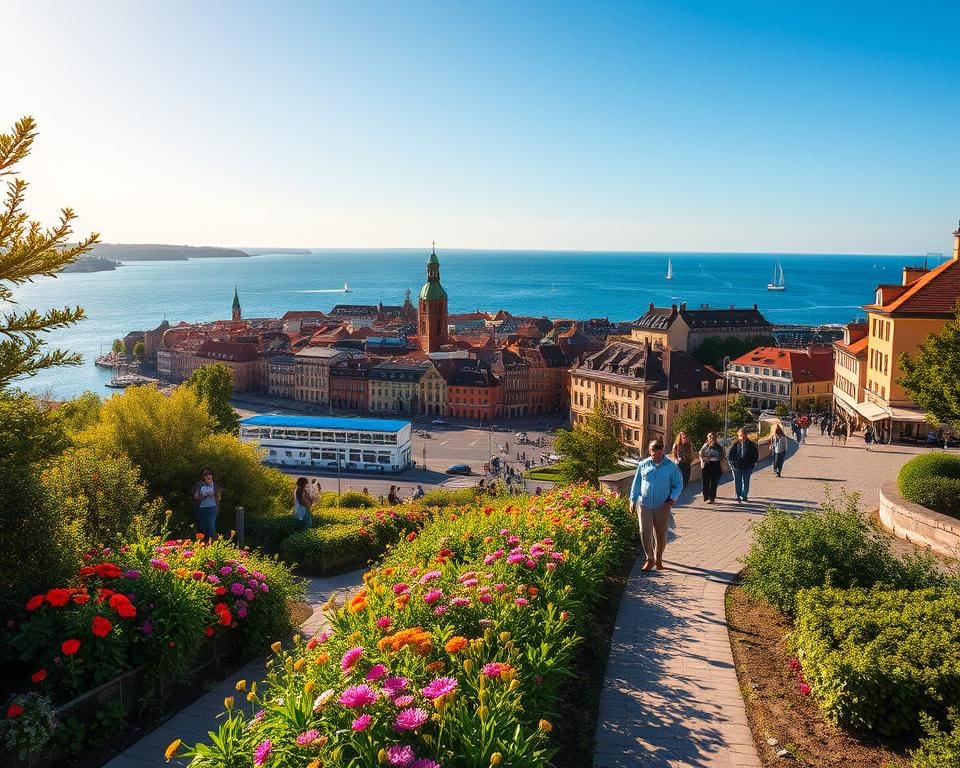
Stockholm’s appeal rests on a rare mix of culture, design and nature. The city spreads gracefully across 14 islands where the Baltic Sea meets freshwater lakes, creating a compact, island-studded layout that invites walking, ferry rides and easy exploration.
For UK visitors, the practical advantages are clear. Short flights from Heathrow, Gatwick, Manchester and Edinburgh make it an effortless weekend choice, while straightforward visa rules for short tourist stays keep travel plans simple. Widespread English makes navigating streets, cafés and museums smooth and reassuring.
Stockholm travel appeal also comes from its calm cosmopolitan energy. Neighbourhoods like Gamla Stan sit alongside contemporary districts, so you can enjoy lively restaurants and quiet waterfront promenades in the same day. Year-round events, long summer evenings and crisp winter light give Stockholm tourism a seasonal rhythm that suits both energetic city breaks and restorative, slower stays.
This article takes a product-review approach to the city: it evaluates experiential strengths — from design-led streets and Stockholm attractions to public transport efficiency and outdoor access — to explain why travellers consistently rate Stockholm highly and why many choose to visit Stockholm again and again.
Why is Stockholm so attractive to travelers?
Stockholm greets visitors with a striking mix of thoughtful design and easygoing charm. Streets and squares show a clear eye for detail, from café interiors that echo the heritage of Iittala and Svenskt Tenn to the muted modernism of Norrmalm. The result is a city that feels curated yet alive, where everyday scenes double as moments for photographers and design lovers.
Immediate impressions: design, cleanliness and urban charm
First impressions are often about Stockholm design and neat public spaces. Buildings in Gamla Stan display a warm palette of ochres and reds that contrast with the restrained glass and stone of newer districts. Clean streets, well-kept parks and visible recycling make the city feel calm and safe.
Urban charm is found in cobbled lanes, elegant bridges and small squares where light changes the mood across the day. Photographers prize the soft Nordic glow, while travellers enjoy the easy rhythm of cafés, galleries and shopfronts that show Sweden’s design legacy.
Accessible layout: islands, walkability and public transport
Stockholm’s archipelagic layout places distinct neighbourhoods within easy reach. Södermalm, Östermalm, Djurgården and Kungsholmen each offer a different mood yet lie a short walk or tram ride apart. That compact geography helps make walkable Stockholm a pleasure for casual exploration.
The SL network ties everything together. The Tunnelbana features artful stations, trams and buses reach many local streets and ferries link the archipelago. Tourists can use the Stockholm Card or SL tickets for flexible travel. Frequent services, English signage and lifts at major stations help families and less-mobile visitors access key sights.
Blend of old and new: historic Gamla Stan and contemporary districts
Gamla Stan remains the city’s historic core, with narrow alleys, Storkyrkan and the Royal Palace anchoring a lively old town. Historic cafés serve traditional pastries alongside stories of centuries past, creating a memorable living museum.
Modern districts offer a contrasting energy. Södermalm bustles with bohemian cafés and vintage shops, Östermalm hosts refined boutiques and the Östermalm Market Hall, and Hammarby Sjöstad shows sustainable urban planning in practice. Places such as the Moderna Museet and recent waterfront developments demonstrate how contemporary architecture can sit beside preserved heritage.
That layered cityscape—where heritage lanes meet modern plazas—gives Stockholm a balanced appeal. Visitors leave with a sense of place shaped by design, easy mobility and an inviting mix of past and present.
Cultural attractions and world-class museums to visit
Stockholm is a cultural capital where history and modern creativity sit side by side. A compact city layout makes it easy to move between museums, royal sites and lively neighbourhoods. Visitors come for the depth of collections and the variety of experiences on offer among Stockholm cultural attractions.
Vasa Museum
The Vasa Museum displays a 17th-century warship that sank on her maiden voyage and was salvaged in 1961. This remarkably well-preserved vessel dominates the hall, giving vivid insight into naval life in the 1600s. Guided tours and multimedia exhibitions explain the ship’s construction, the archaeology of its recovery and the social history of the era. Djurgården’s waterfront setting links the Vasa Museum to other maritime sites and boat-accessible routes around the city.
Moderna Museet
Moderna Museet is a magnet for lovers of modern and contemporary art. The collection includes works by Pablo Picasso and Salvador Dalí alongside leading Scandinavian artists. Temporary exhibitions rotate regularly, offering fresh perspectives each visit. The museum’s sculpture garden, design-led shop and café with harbour views enhance the visitor experience. Easy ferry or bridge access from the central districts makes Moderna Museet a convenient stop on any cultural itinerary.
Skansen
Skansen, founded in 1891, is the world’s first open-air museum and a living history landmark. Historic buildings from around Sweden have been relocated here to tell regional stories through craft demonstrations and costumed interpreters. Seasonal festivals, such as Midsummer and Lucia, bring folk traditions to life. Families value the interactive workshops, children’s zoo and Nordic animals, which create hands-on learning in a park-like setting.
Beyond these flagship sites, other highlights enrich the city’s cultural map. The Royal Palace offers tours and a ceremonial changing of the guard. Fotografiska provides cutting-edge photography and a rooftop café with views. Södermalm’s independent galleries and the Stockholm Concert Hall add depth to the mix of Stockholm museums and attractions.
Scenic nature and outdoor experiences around the city
Stockholm sits where city life meets sea and forest. Green corridors, long waterfronts and an immediate gateway to islands give visitors a blend of calm and discovery. Whether you prefer a gentle picnic or an all-day sailing trip, Stockholm outdoor activities are close at hand.
Archipelago excursions: islands, boat trips and day tours
The Stockholm archipelago stretches to the horizon with thousands of islands, from tiny skerries to inhabited spots such as Vaxholm, Sandhamn and Grinda. Scheduled ferries from Waxholmsbolaget suit short hops and return trips. Private charters, RIB safaris and kayak outings offer a personalised pace.
Day-trip highlights include Vaxholm’s fortress, Sandhamn’s sandy beaches and Grinda’s quiet bays and seafood inns. For flexible planning, many operators run half-day and full-day options that combine sightseeing with swimming and local dining.
Parks and waterfront promenades for cycling and picnics
Large green spaces and neat promenades invite easy exploration. Djurgården combines museums with broad lawns. Hagaparken has Haga Palace and English-style gardens. Tantolunden on Södermalm captures local summer life.
Cycle paths run along Strandvägen and Monteliusvägen, offering panoramic views and smooth routes. Bike hire schemes, including Styr & Ställ and private rental shops, make cycling simple. For a relaxed lunch, buy bread and cheese at Östermalm Market Hall and picnic by the water.
Water-based options include stand-up paddleboarding and swimming at public spots like Långholmen and Smedsuddsbadet. Public bathing areas are well maintained and include safety information for swimmers.
Seasonal opportunities: winter lights and summer midnight sun
Season shapes what you do in Stockholm. Long summer evenings invite late strolls, outdoor cafés and boat-based dining. Festivals peak in July and August when daylight lasts late into the night.
Winter brings crisp air, dramatic lighting and festive markets. Ice-skating appears on prepared rinks while Lucia celebrations and elegant decorations add warmth to short days. Practical tips: pack layered clothing and waterproofs year-round, bring sunscreen and insect repellent in summer, and choose winter boots and thermal layers for December to February.
Food, fika culture and where to eat in Stockholm
Stockholm has become a serious food destination where tradition meets innovation. Expect classic Swedish cuisine alongside inventive New Nordic plates in neighbourhood bistros and fine dining rooms. Visitors from the UK will find the city easy to navigate, with options to suit every budget and appetite.
Traditional dishes anchor the city’s culinary identity. Try köttbullar with lingonberries, gravlax, pickled herring and crispbread. Hearty stews warm winter days. In late summer look out for kräftskiva, a crustacean feast that locals celebrate with gusto.
For a modern take, explore acclaimed kitchens that champion seasonal, foraged and local produce. Restaurants such as Mathias Dahlgren exemplify the Nordic commitment to purity and provenance. Many Stockholm restaurants balance tasting menus with relaxed bistro plates, making it simple to sample the movement’s flavours without a heavy price tag.
Meal times follow a relaxed rhythm. Lunch often begins around noon and dinner from 18:00. Service charges are typically included, yet leaving small change is appreciated for excellent service. Expect higher prices at fine dining venues and fair value at casual cafés and market stalls.
Fika is a daily social pause built around coffee and a pastry. This ritual is a gentle invitation to slow down and connect with locals. Tourists can join in to experience authentic city life while savouring a kanelbulle or other sweet treat.
Seek out independent roaster cafés on Södermalm, classic konditori like Vete‑Katten, and lively coffee bars near Gamla Stan and Östermalm. When ordering, say what you want clearly, queue politely and take time to enjoy the moment rather than rush. Many cafés offer excellent plant-based options for varied diets.
Markets are ideal for hands-on tasting. Östermalm Market Hall offers exceptional seafood, charcuterie and fine produce. Söderhallarna presents local stalls and casual eateries where you can sample street food and regional treats.
Street food trucks and pop-up markets deliver creative spins on traditional fare and international dishes. Summer evenings bring night markets and food events that showcase seasonal produce and emerging chefs. Look for smoked salmon, cured meats, artisanal cheeses and cloudberry jam to take home, but check UK customs rules before packing perishables.
Practical tips: reserve tables during busy periods, ask about vegetarian and vegan options, and budget for a mix of markets, cafés and a special meal at a top Stockholm restaurant. Small choices lead to big flavours and a memorable taste of the city.
Practical travel tips, accommodation and getting around
For UK travellers, a short trip to Stockholm is straightforward. Direct flights from London, Manchester and Edinburgh land at Arlanda (ARN) or the smaller Bromma (BMA) in about 2–2.5 hours. Check the latest UK government and Swedish Migration Agency advice before you go; British passport holders normally do not need a visa for short stays. Pack smart using a Stockholm packing list: layers, a waterproof jacket and sturdy walking shoes work year-round.
Getting around Stockholm is easy with a reliable public network. Buy SL tickets or a travelcard through the SL app for use on the Tunnelbana, buses, trams, commuter trains and ferries. The Stockholm Card can be handy for tourists, combining transport with entry to many attractions. Taxis and ride‑hailing services such as Taxi Stockholm and Bolt are available but cost more than public transport. Cycling is popular in summer; respect cycle lanes and be cautious in winter when routes can be icy.
Choose accommodation to match your plans. Boutique hotels in Gamla Stan and Södermalm suit short cultural breaks, while luxury options on Strandvägen and in Östermalm offer classic comfort. Mid‑range and budget hotels cluster near Central Station, and apartment rentals are ideal for longer stays. Look for eco-conscious hotels and new waterfront neighbourhoods if sustainability matters to you. Book early for Midsummer and Christmas periods, and consider location — Djurgården for museums, Södermalm for nightlife and cafés.
Money and safety are simple to manage. Sweden uses the Swedish krona (SEK) and cards or contactless payments are widely accepted; locals prefer Swish for mobile transfers. Carry a small amount of cash for markets or boat trips to remote islands. Free Wi‑Fi is common, but a local SIM helps for longer visits. Stockholm is generally safe; take standard precautions and have travel insurance. For a first visit, plan 3–5 days to sample museums, an archipelago trip and neighbourhoods, with more time for deeper island exploration or day trips to Uppsala or Drottningholm Palace. Stockholm’s blend of design, nature and culture makes it an inspiring choice for short breaks or longer cultural holidays.