Lisbon rewards return visits. Sun-drenched hills, ochre façades and the broad sweep of the Tagus make a first trip memorable; a revisit Lisbon offers deeper pleasure. Recent Visit Lisboa data and coverage in The Guardian and The Telegraph point to rising numbers of repeat travellers and steady investment in cultural infrastructure, which means the city keeps unfolding for those who return to Lisbon.
This article sets out why a Lisbon repeat visit makes sense for travellers from the United Kingdom. Expect familiar comforts — historic tram lines, lively nightlife and easy day trips to Sintra and Cascais — alongside fresh experiences. Time Out Lisboa and Lonely Planet updates note restorations, new restaurants and transport upgrades that add new reasons to revisit Lisbon.
Think of this piece as travel inspiration and a concise review of Lisbon as an evolving destination. We will cover cultural riches, culinary developments, emerging neighbourhoods and practical tips to make your next trip richer. If you are wondering why should you visit Lisbon again, consider how the city balances the known and the new, inviting you to return to Lisbon with curiosity.
Why should you visit Lisbon again?
Lisbon rewards return visits with fresh discoveries around every corner. Streets you recall from a first trip reveal new details when you slow down. Seasonal shifts, restored sites and newly opened cultural spaces give repeat travellers reasons to plan another stay.
Rediscovering familiar neighbourhoods with fresh eyes
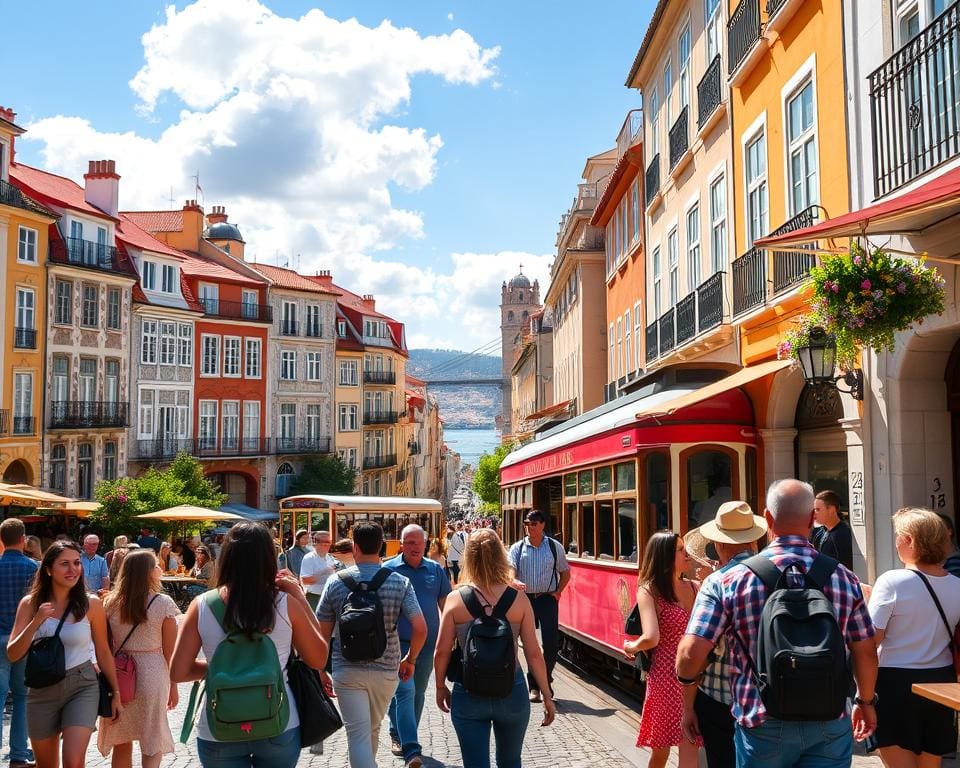
Walk Alfama at dawn to revisit Alfama’s labyrinthine lanes before the day begins. Quiet alleys open onto tiny squares and azulejo-clad façades you may have missed. Trams still rattle by; tram 28 remains a scenic route that nudges you to step off and explore adjacent streets on foot.
Mouraria offers a different mood on a second visit. Its multicultural pulse reveals artisanal shops, small eateries and informal music gatherings tucked behind everyday doorways. Chiado invites leisurely pauses in literary cafés where you can watch local life unfold from a street-side table.
Seasonal changes that transform the city’s atmosphere
Seasonal Lisbon changes its pace with the calendar. Spring brings jacaranda blooms and mild days that tempt long walks and rooftop breaks. Summer fills the streets with festivals, including the noisy charm of Santos Populares in June, and lively Bairro Alto nights that draw locals out late.
Autumn offers warm, golden light that flatters photographers and late-afternoon strolls. Winter is quieter, with lower prices and cosy restaurants serving seasonal dishes. Menus shift with the seasons, giving repeat visitors a fresh palette of flavours on each trip.
New experiences since your last visit — attractions, events and restorations
Lisbon’s cultural map keeps evolving. Recent expansions at MAAT have broadened contemporary programming, while restorations at São Jorge Castle precincts have improved access and interpretation. New cultural hubs in Belém and projects within LX Factory add exhibition spaces and imaginative cafés.
- Look out for refreshed viewpoints and miradouros that frame the Tagus in different light.
- Check the calendar for Lisbon events 2024, from contemporary art biennales to music festivals and food fairs that showcase local talent.
- Notice restored monuments Lisbon has prioritised; conservation work brings historical layers back into view.
Each visit reveals shifts in the city’s shape and spirit. Rediscovery, seasonal contrasts and fresh attractions combine to make Lisbon feel new again.
Enchanting culture and historic charm awaiting repeat visits
Lisbon rewards repeat visitors with layers of history, art and music that reveal themselves slowly. A second stay lets you move beyond quick photos and tourist routes to discover new stories behind familiar landmarks. Small museums, evening events and specialist tours bring fresh perspectives that make the city feel renewed each time.
Historic sites that reveal more on a second visit
Return visits give time to read deeper layers at Jerónimos Monastery, Belém Tower and São Jorge Castle. Guided archaeological and architectural tours explain construction techniques and social history, helping you see beyond the façades.
Evening openings and thematic walks illuminate different moods of these places. Smaller heritage sites such as the Convento do Carmo ruins and the National Pantheon often have new interpretative displays or specialist talks to catch on a later trip.
Museums and galleries with rotating exhibitions
Lisbon museums stage frequent changes in their displays, so the Museu Nacional de Arte Antiga, Museu Coleção Berardo and MAAT can feel different on each visit. Temporary shows put modern voices next to classical works, creating surprising dialogues.
Lesser-known institutions like the Museu do Fado and the Museu Nacional do Azulejo refresh exhibits and run workshops that invite repeat engagement. Plan time for rotating collections to make the most of your return.
Live fado and cultural nights off the typical tourist track
Fado nights in Alfama and Mouraria offer varied line-ups and more intimate settings when you go back. Smaller casas de fado and local bars showcase emerging singers and authentic performances away from the busiest venues.
Community cultural nights in bookshops, cultural centres and neighbourhood bars bring traditional music and contemporary practice together. Annual events such as Festas de Lisboa feature processions, street music and grilled sardines that feel like a city-wide celebration.
Culinary delights and food experiences to savour again
Lisbon invites repeat visits through its dynamic culinary scene. A return lets you taste familiar favourites with fresh perspectives and discover new spots shaping the city’s reputation. This short guide points you to ways of re‑experiencing Portuguese flavours and exploring the evolving Lisbon food scene.
Try bacalhau served in regional styles beyond the usual bacalhau à bras. Sample pastéis de nata at Pastéis de Belém and compare them with offerings from artisanal bakeries in Alfama. Order a bifana from a local tuck shop and pair petiscos with seasonal seafood in seaside tavernas. Seasonal produce alters texture and spice, so the same dish can seem new in summer or winter.
Emerging restaurants, food markets and chef-driven concepts
Neighbourhoods such as Príncipe Real, Santos and Cais do Sodré host bold chef-led venues. Michelin recognition and inventive menus keep Lisbon restaurants 2024 on the travel radar. Visit Mercado da Ribeira to see its stall roster refresh and head to LX Factory for contemporary street-food hubs. Reserve a table at spots praised by critics to taste why local chefs are redefining Portuguese cuisine.
Wine and port experiences around Lisbon and nearby vineyards
Book Lisbon wine tours that take you to the Setúbal Peninsula, Colares and the wider Lisboa wine region. Family-run quintas welcome visitors for tastings of castelão and arinto, plus fortified Moscatel styles in Azeitão. Day trips to Sintra offer tasting rooms and vineyard walks, letting you pair regional wines with petiscos for a fuller sense of place.
- Compare traditional and modern takes on classics.
- Explore new chef-driven dining in established neighbourhoods.
- Choose organised Lisbon wine tours for accessible vineyard visits.
New neighbourhoods and hidden gems to explore
Lisbon rewards repeat visitors with fresh corners to wander and fresh stories to hear. Small discoveries in evolving districts reveal a creative city beneath the familiar tiles. Follow quieter streets and you will find galleries, micro-roasteries and local makers that change the way you see the capital.
Up-and-coming districts and local hotspots
Alcântara and Marvila are rewriting Lisbon’s map. Former warehouses have become lively hubs for art, design and food. Marvila hosts craft breweries and tasting rooms where brewers compare recipes and welcome conversation.
Alcântara centres around LX Factory, a converted industrial complex filled with concept stores and weekend markets. Expect pop-up events, independent galleries and a buzzy atmosphere that feels new every visit.
Street art, boutique shops and independent cafés
Street art brightens Bairro Alto, Mouraria and Marvila with large-scale murals by Portuguese and international artists. These pieces add colour to afternoons spent exploring on foot.
Príncipe Real boutiques showcase Portuguese design, cork accessories and ceramics. You will find quiet shops with thoughtful curation beside cafés that roast single-origin beans on site.
Look for bookshop-cafés that invite slow mornings. They pair good coffee with local literature and a relaxed pace that suits repeat visitors.
Day-trip possibilities to lesser-known coastal towns
For a change from busy Cascais, consider quieter coastal day trips that offer surf, seafood and calm coves. Costa da Caparica stretches for miles of sand and a lively surf scene. Ericeira remains a world-class spot for waves with a traditional fishing-town feel.
Sesimbra serves fresh seafood in a sheltered bay where families picnic by the water. Regional trains and buses make these trips straightforward, and organised coastal tours can arrange returns without fuss.
- Explore local markets and weekend fairs for one-off finds.
- Plan half-day visits to Marvila breweries or LX Factory pop-ups.
- Combine a morning in Príncipe Real boutiques with an afternoon café stop.
Practical travel tips for returning visitors
Returning to Lisbon is about refining your plans and savouring the details you missed before. These practical Lisbon travel tips help you pick the right season, move around with ease and choose a stay that feels new. Small changes unlock fresh experiences on every visit.
Best times to visit for fewer crowds and better weather
The best time to visit Lisbon is during the shoulder seasons of April–June and September–October. Expect mild days, clearer skies and fewer tourists. Streets feel calmer, museums are easier to enjoy and terraces have pleasant temperatures.
Winter brings lower rates and a cosy city vibe if you prefer quieter stays and indoor culture. If you want lively street parties, plan for Santos Populares in June, when neighbourhoods like Alfama and Bairro Alto fill with music and colour.
Transport updates, tram routes and sustainable options
Lisbon trams remain iconic, with tram 28 drawing the biggest crowds. To avoid queues, try trams 12 and 24 or take the funiculars for steep climbs with fewer people.
City transport has seen recent investment in cycle lanes and the Gira bike-share scheme. Contactless payments and improved apps make journeys simpler. Carry a Viva Viagem card for multi-modal travel and favour walking between nearby neighbourhoods for unexpected discoveries.
For greener choices, prioritise sustainable travel Lisbon options: electric tuk-tuks, shared bikes and public transport reduce your footprint while keeping travel flexible.
Where to stay next: boutique hotels and alternative neighbourhoods
If you stayed in Baixa before, try spending nights in Príncipe Real for gardens and design stores, Alfama for historic lanes, or Belém for riverside monuments. Each area offers a distinct mood and new streets to explore.
Opt for boutique hotels Lisbon that focus on local craft, design guesthouses or renovated pousadas for authentic character. Look for quieter streets and easy links to the metro or ferries when booking.
- Choose accommodation that suits your group: romantic rooms for couples, larger suites for families, or compact design stays for solo travellers.
- Check proximity to transport hubs if you plan day trips to Cascais or Sintra.
These simple adjustments to timing, transport and lodging help returning visitors see Lisbon with fresh eyes and more ease.
Experiences that deepen your connection with Lisbon
Return visits invite more than sightseeing; they offer chances to learn, craft and contribute. Engaging in hands-on activities and small-group outings helps you see Lisbon beyond postcards. You meet artisans, hear neighbourhood stories and leave with skills or memories that last.
Hands-on workshops: cooking, ceramics and tile painting
Take cooking classes Lisbon style to master bacalhau recipes, pastéis and savoury petiscos. Local chefs at Cook in Lisbon and small culinary studios guide you through techniques that make Portuguese flavours sing. These sessions deepen cultural appreciation and sharpen your home-cooking repertoire.
Join a tile painting Lisbon workshop at the Museu Nacional do Azulejo or an independent studio to learn glazing and pattern work. Making your own azulejo connects you to centuries of craft and supports local craftspeople. Ceramic and cork workshops offer similar hands-on rewards and a take-home piece to remember the experience.
Guided walks that tell new stories — neighbourhood histories and culinary tours
Choose Lisbon guided walks that focus on maritime history, Jewish heritage in Alfama and Mouraria, or contemporary street art in Marvila. Small-group operators such as Context Travel and independent local guides provide richer interpretation and room for questions.
Evening food tours pair petiscos with Portuguese wines at intimate venues. These routes reveal hidden taverns and market stalls you might miss alone. A guided walk that combines history with tasting turns a familiar district into a fresh discovery.
Community and volunteer opportunities for meaningful travel
Volunteering Lisbon can be as simple as joining a beach clean-up at Costa da Caparica or helping community gardens in Lisbon neighbourhoods. Local NGOs and arts organisations offer short-term cultural exchange programmes and collaborative workshops.
Such activities create mutual benefit: travellers gain insight and connection, while projects receive practical support. Choosing community-led experiences ensures your time contributes directly to local resilience and cultural continuity.
Value-driven reasons to plan another trip to Lisbon
Lisbon rewards repeat visitors with clear, tangible savings and smarter experiences. Knowing where to eat, how to skip queues at Belém Tower or the Museu Nacional do Azulejo, and choosing shoulder-season travel all stretch your budget further. Frequent direct flights from London, Manchester and Edinburgh, competitive short‑haul fares and loyalty perks mean affordable Lisbon breaks are easier than many assume.
For many, the value lies in quality-to-price ratios that outshine other Western European capitals. Dining at family-run tabernas, boutique hotels in Alfama or Baixa and combined museum passes deliver high standards at reasonable cost. Lisbon value travel is practical: museum cards, tram passes and guided tours reduce per-visit prices while deepening your experience.
Beyond money, the intangible returns are compelling. A return trip brings deeper cultural connection, the quiet pleasure of recognising a street and seeing it anew, and creative sparks from Lisbon’s light, fado and food. These Lisbon return trip benefits reward time invested with richer memories and ongoing surprises as the city evolves.
Treat Lisbon as a living destination rather than a single checklist. Repeat visits unlock new restaurants, restored monuments and seasonal festivals, so each trip repays itself in discovery, inspiration and real value. If you are weighing why revisit Lisbon, consider both the immediate savings and the lasting cultural returns—there is always more to fall for.