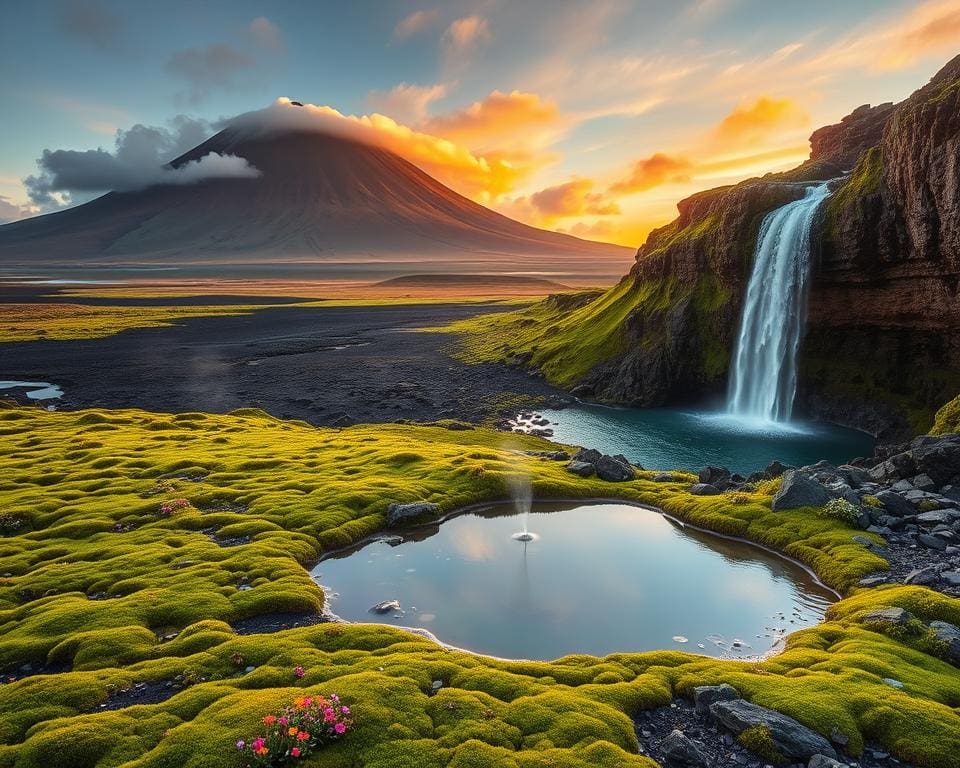
Iceland travel appeal rests on striking contrasts. Europe’s most sparsely populated nation pairs glaciers with steaming geothermal fields, black-sand beaches with green valleys, and remote highlands reachable from coastal towns. This combination of geological extremes and pristine wilderness creates an immediate, lasting impression for anyone who visit Iceland.
Visitors often describe a sense of awe and quiet renewal when they encounter the landscape. The hiss of geothermal vents, the thunder of waterfalls and the dance of the aurora leave strong emotional memories for photographers, wellness travellers and adventure seekers alike.
For UK travellers the practical benefits are clear. With 2–3 hour flights from London, regular Icelandair connections and straightforward self-drive routes, Iceland tourism manages to feel both remote and remarkably accessible. High-quality visitor infrastructure, from museums to guided tours and geothermal baths such as the Blue Lagoon, rounds out the offer and explains why Iceland attractions keep drawing repeat visitors.
Why is Iceland such a fascinating destination?
Iceland greets visitors with scenes that linger in memory. The sheer Iceland visual impact comes from vast ice caps, jagged lava fields and cliffs that meet a wild sea. Photographers flock to places like Diamond Beach where icebergs rest on dark shores to capture stark contrasts.
The landscape reads like a travel film. Snow and blue ice from Vatnajökull and Langjökull sit beside recent flows of blackened lava. Coastal platforms on the Reykjanes and Snæfellsnes peninsulas show basalt columns and towering sea cliffs that frame cinematic views.
Immediate visual impact: glaciers, volcanoes and dramatic coastlines
Glaciers and volcanic terrain create a dramatic backdrop for every journey. Vatnajökull’s ice sheets and Langjökull’s sculpted faces invite guided walks and photo stops. Nearby lava fields, fresh from eruptions, add texture and scale to the scene.
Coastal scenery is equally bold. Reykjanes Peninsula and Snæfellsnes offer sea stacks, black cliffs and pounding surf that define the glaciers volcanoes coastlines of the island.
Unique natural phenomena: geysers, geothermal pools and black sand beaches
Iceland sits on the Mid-Atlantic Ridge and above a volcanic hot spot, which explains its geothermal power. Haukadalur hosts Great Geysir and Strokkur, which erupts on a steady rhythm. Hot springs bubble across the island.
Bathing in thermal pools ranges from the world-famous Blue Lagoon to local pools and the Mývatn Nature Baths. These sites show the geysers geothermal pools energy that shapes daily life and tourism.
Coastal geology yields dramatic shores. Reynisfjara near Vík and stretches of black sand beaches are formed when basaltic lava meets cold sea, shattering into sand and stacks that draw visitors and photographers.
Cultural and experiential appeal: music, cuisine and design
City life in Reykjavík complements natural spectacle. The Reykjavík music scene pulses with live venues and festivals, offering indie acts and experimental performances that surprise visitors.
Icelandic cuisine blends tradition with innovation. Restaurants such as Dill champion seasonal seafood and lamb with modern New Nordic techniques that reflect the island’s flavours.
Design and craft are evident in everyday objects. From wool knitwear to contemporary furniture, Icelandic design marries minimalism with functional warmth. Museums, galleries and Hallgrímskirkja’s architecture add cultural depth to any stay.
Natural wonders that define Iceland’s appeal
Iceland’s landscape reads like a travel diary of extremes. Glaciers, volcanic plains and roaring falls sit within short driving distances of one another. Visitors come for dramatic views, close encounters with geology and the promise of unique outdoor experiences.
Glaciers and ice caps
Vatnajökull dominates as Europe’s largest ice cap by volume. Guided trips to Vatnajökull ice caves run in winter, when cold brings stable, blue-hued chambers. Ice caves form as meltwater carves tunnels and seasonal change alters colour and texture. Accredited guides supply helmets and crampons and pick the safest months for exploration.
Volcanic landscapes
Volcanic Iceland has shaped modern travel memories, from Eyjafjallajökull’s ash cloud in 2010 to the Reykjanes Peninsula eruptions between 2021 and 2023. Fissure eruptions and basalt plateaus create vast lava fields, such as Eldhraun, that visitors can view from marked observatory points. New lava flows sit beside green patches, offering stark contrasts that photographers prize.
Waterfalls and coastal scenery
Iceland waterfalls are among the country’s most visited sights. Gullfoss on the Golden Circle drops in two dramatic steps and often throws up rainbows on sunny days. At Seljalandsfoss you can walk behind the curtain of water for a rare perspective. Skógafoss presents a broad, thundering face with stairs to a panoramic viewpoint.
- Many falls lie close to the Ring Road and are well signposted, though access varies with weather and river flow.
- Coastal cliffs Iceland hosts vast bird colonies at Látrabjarg and Dyrhólaey, where puffins and other seabirds add wildlife interest.
Outdoor activities and adventure tourism in Iceland
Iceland offers thrilling outdoor experiences for every season. Visitors find a mix of gentle walks, serious alpine days and water-based tours that suit families and seasoned adventurers alike. Plan with safety and sustainability in mind to get the most from Iceland outdoor activities.
Hiking and glacier walks: accessibility, guided tours and safety considerations
Trails range from the multi-day Laugavegur Trail through colourful rhyolite mountains to day hikes on Snæfellsnes and Skaftafell in Vatnajökull National Park. Day routes suit casual walkers while longer treks demand planning and kit.
For glacier walks Iceland relies on certified operators such as Icelandic Mountain Guides and Arctic Adventures. These companies supply harnesses, crampons and trained guides who teach rope work and crevasse awareness before heading out.
Weather changes fast. Wear layers, waterproof footwear and a trusted rucksack. Use guided routes on ice and follow Icelandic Association for Search and Rescue (ICE-SAR) advice. Check that travel insurance covers rescue and mountain evacuation.
Winter pursuits: seeing the Northern Lights, snowmobiling and ice climbing
Aurora-chasing is best from September to April when clear skies and solar activity align. Tour operators read forecasts and lead guests away from light pollution to increase chances of seeing Northern Lights Iceland.
Snowmobiling on Langjökull offers adrenaline and wide glacial vistas. Ice-climbing on outlet glaciers provides technical challenge under supervised conditions. Bláfjöll near Reykjavík allows easier access to skiing for day visitors.
Seasonal limits apply. Book experienced guides and use specialist clothing and helmets. Tours brief you on emergency procedures and local safety protocols before you go out.
Water-based experiences: whale-watching, puffin cruises and blue lagoon dips
Whale-watching Iceland departs from Reykjavík and Húsavík, with Húsavík notable for high sighting rates and a dedicated Whale Museum. Choose operators who follow marine wildlife guidelines to reduce disturbance.
Puffin cruises run from the Westman Islands and Dyrhólaey during the breeding season. Boats allow close views of colourful seabirds while staff explain nesting behaviour and conservation needs.
The Blue Lagoon sits near Keflavík Airport as a flagship geothermal spa. Quieter options such as the Secret Lagoon and Mývatn Nature Baths deliver a more low-key soak. Pick responsible operators who protect natural resources while offering memorable experiences.
Cultural experiences, food and local life that captivate visitors
Reykjavík pulses with creative energy in a compact area that rewards slow exploration. Harpa Concert Hall draws attention for its glass façade and world-class performances. Close by, Hallgrímskirkja towers over the city and offers clear views of colourful streets below. Independent galleries, the Museum of Icelandic Sorcery & Witchcraft and lively festivals give a sense of place that feels both intimate and global.
Reykjavík’s nightlife and live-music scene keep the city awake long after dusk. Venues such as Kex Hostel and Kaffibarinn host local bands and visiting acts. Iceland Airwaves turns the city into a stage each autumn, attracting artists and visitors who come for the sound as much as the setting. Those seeking local perspective find staff and musicians keen to discuss Reykjavík culture and the city’s evolving arts scene.
Icelandic food has moved from curiosity to culinary draw in recent years. Menus focus on fresh seafood like cod, haddock and langoustine, plus lamb and rich dairy. Restaurants such as Dill lead New Nordic approaches that highlight seasonal produce and ethical sourcing. Coffee houses and craft breweries, including Einstök and Borg Brugghús, add warmth to long daylight hours and short winter afternoons.
Dining in Reykjavík often combines tradition with bold experiments. Sustainable fisheries and greenhouse-grown vegetables shape tasting menus and casual plates alike. Visitors notice how Icelandic cuisine respects local produce while pushing flavour and technique. Conversations with chefs reveal a strong interest in traceability and minimal waste.
Iceland’s past and present sit side by side in museums and day-to-day crafts. The National Museum and the Saga Centre at Borgarnes keep sagas Iceland alive for new readers and learners. Medieval narratives appear in exhibitions and local storytelling events, linking modern identity to long-standing tales.
Traditional skills remain part of everyday life in towns and markets. Wool knitting produces lopapeysa jumpers that visitors covet. Silversmithing and woodwork appear in boutique shops and studios where makers explain methods and meaning. Such objects show how Iceland craftsmanship combines utility with aesthetic care.
Environmental thinking informs lifestyle and tourism across the country. Iceland sustainability is visible in geothermal heating, hydropower systems and certified eco-hotels. Community-led tours and conservation projects invite visitors to share responsibility for fragile landscapes. These options allow travellers to enjoy culture and nature with quieter footprints.
Practical travel considerations and tips for UK visitors
Flight time from London, Manchester or Edinburgh is typically two to three hours, with Icelandair, easyJet and seasonal British Airways services arriving at Keflavík International Airport. From there, Flybus shuttle services, car hire or private transfers take you to Reykjavík. For UK to Iceland travel, check passport validity and post‑Brexit border procedures before you book; short tourist stays remain visa‑free for most British citizens.
Iceland is pricier than the UK, so plan your budget for food, fuel and activities. Save money by shopping at Bónus or Krónan, self‑catering in a guesthouse or farm stay, and booking tours early. Accommodation ranges from central Reykjavík hotels to remote mountain huts and seasonal glamping, giving options for different itineraries whether you seek comfort or wilderness.
Weather and safety are central to any Iceland practical advice. Conditions change fast: strong winds, sudden snow and road closures are common. Use updates from the Icelandic Meteorological Office and road.is, consider a 4×4 for F‑roads, and take comprehensive travel insurance that covers weather disruption and search‑and‑rescue. Pack layered clothing, waterproof outerwear and sturdy boots, and note emergency number 112.
Decide timing by interest: summer brings the midnight sun and accessible highlands; shoulder seasons offer fewer crowds and good aurora chances; winter is best for Northern Lights and ice caves. A long weekend suits Reykjavík and the Golden Circle, while 7–10 days works for the Ring Road. When comparing packaged guided tours versus self‑drive options, weigh local expertise and safety against cost and flexibility to choose the best fit for visiting Iceland from UK. These Iceland travel tips for UK visitors will help you enjoy the trip while leaving a light footprint and supporting local businesses.