Budapest greets visitors with two distinct halves: Buda’s green, rolling hills and Pest’s broad, elegant boulevards. This Budapest travel guide is written for UK travellers seeking a mix of culture, relaxation and value. It outlines a curated plan to explore Budapest highlights while assessing which experiences are worth your time.
Expect more than a list of Budapest attractions. The article takes a product‑review approach, evaluating how restorative a visit to Széchenyi feels, which stalls at the Great Market Hall deliver the best flavours, and which ruin bars still retain authentic atmosphere. Practical notes on flight times from London or Manchester, seasonal tips and budget pointers are included.
Use this short roadmap to shape your Budapest itinerary: iconic monuments and riverside panoramas; historic architecture in the Castle District; thermal baths and wellness; lively food markets and contemporary bistros; plus hidden neighbourhoods for evenings and quiet walks. Prioritise by interest—photography, gastronomy, heritage or relaxation—and find suggestions on where to stay for easy access to transport and top sights.
What should you explore in Budapest?
Begin with a short plan that balances famous sights and quiet corners. Use a clear Budapest sightseeing order to group riverside views, grand boulevards and hilltop panoramas into manageable chunks. A simple route saves time and lifts the overall experience.
Iconic landmarks to prioritise
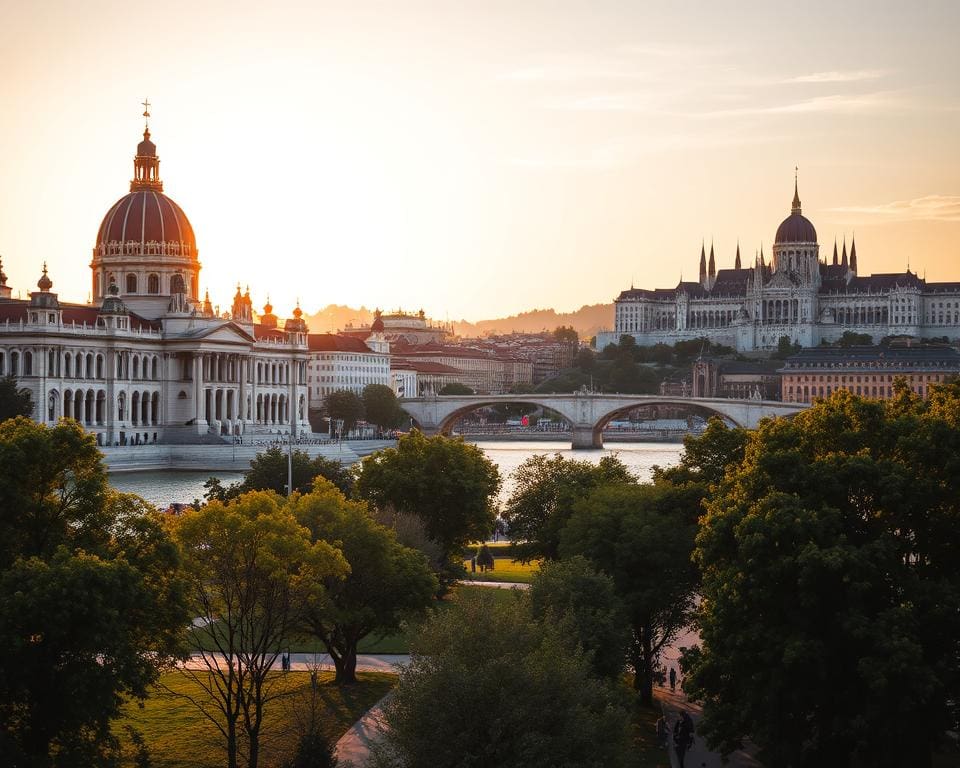
Focus on a handful of signature attractions for architectural merit and strong photo opportunities. The Hungarian Parliament Building offers guided tours and superb riverside shots; book timed entry in advance. Chain Bridge links the two sides and is striking by day and when lit at night.
St Stephen’s Basilica has a viewing platform and regular concerts that add cultural depth. In Buda, the Castle District and Buda Castle provide history and museums set on cobbled streets. Fisherman’s Bastion delivers sweeping panoramas across the Danube.
Finish with Széchenyi Thermal Bath for a relaxing, iconic spa moment. Check opening times and ticketing rules to avoid surprises and to fit these stops into Budapest itinerary planning.
How to plan your route between Buda and Pest
Decide whether to start in Pest for wide avenues and market halls or on the Buda side for quieter, elevated views. The choice often depends on where you are staying and your energy levels.
- Cross at Chain Bridge for atmosphere and easy photo stops.
- Use Margaret Bridge for a calmer passage and park access.
- Take tram 2 along the river for fast, scenic transit between key points.
For public transport, use metro lines M1, M2 and M3 and trams 4/6 to stitch walking segments into a half-day or full-day route. Consider Budapest Card or single tickets and align travel with museum and bath opening hours when you do Budapest itinerary planning.
Best times to visit major attractions to avoid crowds
Time your visits to avoid busy periods and to capture better light. Early morning is ideal for Parliament and St Stephen’s Basilica before tour groups arrive. Markets and cafés peak at midday, which is useful for a lively lunch stop.
Late afternoon suits the Castle District when the golden light is best for photos and the day-trippers thin out. Evenings are perfect for illuminated bridges and a riverside stroll.
Choose spring or autumn for milder weather and fewer tourists than summer. Winter has festive markets and warm baths but shorter daylight. When you must visit in high season, reserve timed tickets to avoid queues and to better avoid crowds Budapest.
Historic and architectural highlights of Budapest
Budapest reveals its past through grand façades, narrow lanes and hillside viewpoints. A short walk along the river and through the Castle District offers a compact tour of the city’s finest sights. Expect Neo-Gothic spires, baroque courtyards and panoramic terraces that reward both curious walkers and keen photographers.
Parliament Building and riverside views
The Hungarian Parliament Building stands as a Neo-Gothic statement on the Pest bank of the Danube. Guided Hungarian Parliament tour slots sell out quickly, so booking advance tickets is sensible. Inside, visitors see an ornate central staircase, opulent chambers and a replica of the Holy Crown.
For external views, cross to the Buda side for framed shots from the riverbank. The promenade on the Pest side gives long river vistas. Evening river cruises add a different angle, with the whole skyline lit up and the dome reflected in the water.
Buda Castle District and medieval streets
The Castle District contains layers of Buda Castle history set within UNESCO-listed precincts. The palace complex houses the Hungarian National Gallery and the Budapest History Museum, both worth a visit for period art and archaeology.
Wander cobbled lanes around Szentháromság Square, pause in quiet cafés and browse artisan shops. Ride the funicular for a sweeping ascent, then follow the old city walls to accessible terraces that frame the city below.
St Matthias Church and Fisherman’s Bastion for panoramic shots
St Matthias Church displays Gothic bones with later neo-Gothic decoration, vivid frescoes and intricate mosaics. Concerts take place periodically, offering an intimate way to experience the interior.
Nearby, Fisherman’s Bastion provides turrets and terraces ideal for sunrise and sunset views. Fisherman’s Bastion photography is popular for capturing the Danube and the Parliament dome across the river. Some towers ask for a modest entrance fee; reach them easily via the Castle district walkways or a short bus ride.
Thermal baths and wellness experiences
Budapest’s thermal culture is as much about social ritual as relaxation. A morning soak clears jet lag. An evening visit lifts the spirit after a day of sightseeing. Below are three focused notes to guide your choices and calm any first-time nerves.
Széchenyi: what to expect
Széchenyi is one of Europe’s largest medicinal bath complexes with outdoor pools, indoor thermal pools, saunas and massage services. The complex feels lively and sociable, especially at weekends and during the warm summer evenings when locals and visitors mingle.
Expect chess-playing groups by the outdoor pools, a mix of ticketing options and a choice between lockers and private cabins. In high season it is sensible to pre-book a cabin for privacy. Thermal waters are believed to aid circulation and ease joint pain, and the on-site spa menu offers targeted treatments from physiotherapy to aromatherapy.
Gellért’s Art Nouveau elegance
Gellért Baths present a refined experience with distinctive Art Nouveau interiors, mosaic tiles and stained glass that catch the light in the pool halls. The atmosphere is generally quieter and more elegant than Széchenyi’s busy vibe.
The baths are linked to the Hotel Gellért, so visitors can combine a thermal visit with hotel facilities and varied wellness treatments. Practicalities include standard opening hours and entrance fees that vary by season. Pairing a visit with a walk up Gellért Hill rewards you with panoramic views of the city.
Practical tips: bathing etiquette and what to pack
Respectful behaviour helps everyone relax. Budapest thermal baths etiquette asks you to shower before entering pools and to wear swimwear at all times. Some pools require a swimming cap, so check signs on arrival.
- Pack essentials: towel, flip-flops and a secure bag for valuables. Consider bringing a swimming cap and your own robe for extra comfort.
- Decide on locker or cabin: lockers are economical, cabins offer changing privacy. Many venues use cashless wristband systems for entry and purchases.
- Health notes: avoid long immersion if pregnant or managing certain conditions. If unsure, consult your GP before visiting.
For a quieter visit, aim for early morning or late afternoon on weekdays. Knowing what to pack for baths and following local rules ensures a smooth, restorative experience whether you choose Széchenyi or Gellért Baths Art Nouveau splendour.
Local food markets and culinary discoveries
Budapest invites you to taste its soul through markets, street stalls and intimate wine bars. Start with bustling markets, then follow with casual street food and a handful of contemporary bistros for modern takes on traditional fare. Finish with a tasting that showcases Hungary’s proud vineyards.
Great Market Hall: traditional Hungarian flavours
Nagyvásárcsarnok, the Great Market Hall Budapest, pulses with colour and scent. On the ground floor you will find stalls stacked with sweet paprika, cured salamis, fresh produce and lángos sellers frying dough to order. The upper level hosts small eateries and souvenir stands where you can sit for a bowl of goulash or a plate of pörkölt.
For authentic flavours, seek out the old-school meat vendors and pastry counters that serve pogácsa and kürtőskalács. The market opens early; peak times are late morning and early afternoon. Bargaining is polite for souvenirs but not common for packaged goods. Try small samples before buying to find the best quality.
Street food and contemporary bistros to try
Budapest street food mixes quick classics with inventive stalls. Lángos and chimney cake remain staples at markets and festivals. Street Food Karaván in the Jewish Quarter gathers a variety of vendors and is ideal for tasting many dishes in one visit.
Contemporary bistros Budapest-wide, especially in District V and District VII, reinterpret Hungarian cuisine with seasonal produce and international influences. Expect dishes that pair rustic flavours with refined plating. Budget to mid-range options are common, though reservations help for evening service at popular spots.
Wine bars and tasting: Hungarian varietals to sample
Hungary’s wine regions offer distinct profiles worth exploring during Hungarian wine tasting sessions. Tokaj gives you well-known sweet Furmint and Hárslevelű. Eger is home to Bikavér, the classic red blend. Villány produces full-bodied reds like Kékfrankos and Cabernet-driven blends.
Wine bars in the Jewish Quarter and near the Danube host tastings and small pours. Typical formats range from guided flights to casual by-the-glass samplers with price points for most budgets. Pair a sweet Tokaji with desserts or a fuller red with pörkölt. Organised tasting tours are available if you prefer expert guidance.
- Opening tip: visit markets early to avoid crowds and find the freshest produce.
- Street-food note: try small portions to sample more varieties without wasting money.
- Wine suggestion: ask for local recommendations when booking a tasting room.
Hidden gems and neighbourhoods off the beaten track
Budapest hides many surprises for curious travellers. Move beyond the main squares to discover creative corners, leafy retreats and local culture that reveal another side of the city.
Ruin bars and the creative ruin quarter
The ruin bars began in District VII when neglected buildings in the old Jewish Quarter were converted into lively social spaces. Szimpla Kert set the template with mismatched furniture, open-air courtyards and an informal, bohemian feel. Fogas Ház and Instant are other recognised venues that mix DJs, live music and theme nights.
Night-time here means eclectic décor, craft beers and cocktails at modest prices compared with international hotspots. Expect crowds late on weekends. Check opening hours before you go and mind your belongings in busy rooms for a safe night out.
District VII explorations: galleries and street art
By day, the neighbourhood reveals independent galleries, design shops and vintage stores that showcase contemporary Hungarian work. Look for pop-up exhibition spaces and art co-ops that highlight emerging artists and curators.
Walking routes that wind through courtyards uncover District VII street art and bold murals. Guided or self-led routes often pass local institutions such as contemporary galleries and creative collectives, offering a fuller sense of Budapest’s cultural pulse beyond the nightlife.
City parks and quieter promenades for reflection
Balance urban energy with green space. Margaret Island offers gardens, bike paths and small thermal pools ideal for cycling or a gentle stroll. Pack a picnic, hire a bike and enjoy the quieter rhythm away from the centre.
City Park (Városliget) features Vajdahunyad Castle, lakes and botanical sections for relaxed exploration. In summer, the boating lake draws families for paddleboats and sunlit rest. Riverside promenades along the Danube provide calm spots for reflection and skyline views near Gellért Hill and the Great Market Hall.
- Tip: Combine a morning in a Jewish Quarter galleries with an afternoon in one of the parks Budapest for a balanced day.
Practical travel tips for visiting Budapest
Plan your days with a mix of walking and public transport to make the most of Budapest’s compact centre. Short strolls along the Danube and through Castle Hill reveal hidden views, while the city’s network moves you quickly between districts. Keep these Budapest travel tips in mind to save time and enjoy the city with ease.
Getting around: public transport and walking routes
Budapest transport is efficient and varied. Use the M1, M2, M3 and M4 metro lines for quick cross-city hops. Trams are scenic and reliable; tram 2 runs a riverside route with great views, while trams 4 and 6 serve major corridors.
Buy tickets at official vending machines or via the BKK app, then validate single tickets before boarding. Walking is ideal in central Pest and around Buda Castle where many streets are best explored on foot. Cycle hire schemes and e-scooters operate seasonally for short trips.
Ticketing, passes and saving money on attractions
Compare single tickets with day or multi-day passes to match your itinerary. Budapest passes such as the Budapest Card include free public transport and discounts at museums and baths, which can reduce costs for active explorers.
Book major attractions and thermal-bath slots in advance to skip queues. Combination tickets that pair river cruises with guided tours offer good value. For meals, choose a lunchtime menü at local bistros to cut dining costs while sampling Hungarian cuisine.
Safety, accessibility and seasonal considerations
Budapest safety is high for most visitors, yet crowded places and public transport attract pickpockets. Keep valuables secure and use licensed taxis or trusted ride-hailing apps when late at night.
Accessibility Budapest varies by site. Many museums and modern venues have ramps and lifts, but older landmarks can have cobbles and steps. Check ahead for wheelchair access and accessible guided tours before booking.
Seasons shape your experience: summers bring heat and crowds, spring and autumn are mild and pleasant, winters shine with festive markets. Pack layers and an umbrella so you stay comfortable no matter the weather.
Where to stay and how to choose the best area in Budapest
Deciding where to stay in Budapest shapes the whole trip. For first-time visitors and short breaks, District V (Belváros/Lipótváros) offers centrality and grand architecture with easy chance to stay near Parliament and St Stephen’s Basilica. Its boutique hotels and converted historic buildings mean you can walk to major sights, riverside cafés and museums without a long commute.
If you prefer quiet views and history, opt to stay near Castle District in District I. The Castle District provides tranquillity, cobbled streets and panoramic outlooks over the Danube. Accommodation here tends towards atmospheric guesthouses and mid-range hotels, ideal for those who value scenic mornings and a slower pace away from busy nightlife.
For younger travellers and nightlife seekers, District VII, the Jewish Quarter, is the creative core. This area hosts ruin bars, independent eateries and budget hostels or design guesthouses. Be mindful of noise from bar courtyards; choose a room on a higher floor or on a quieter side street if you need sleep. District VI and the fringes of District VII around Andrássy Avenue suit culture lovers, with stylish addresses near the Opera and high-end bistros.
When booking, weigh transport links and extras as much as nightly rates. Apartments with kitchens work well for longer stays near the Great Market Hall, while central hotels save time when you want to stay near Parliament or move between attractions. Book early for peak seasons and events, check cancellation policies and verified reviews, and favour centrality and metro access unless strict budget limits you. In short: pick District V for convenience and grand architecture, District I for historic ambience, and District VII for nightlife and creative culture.