
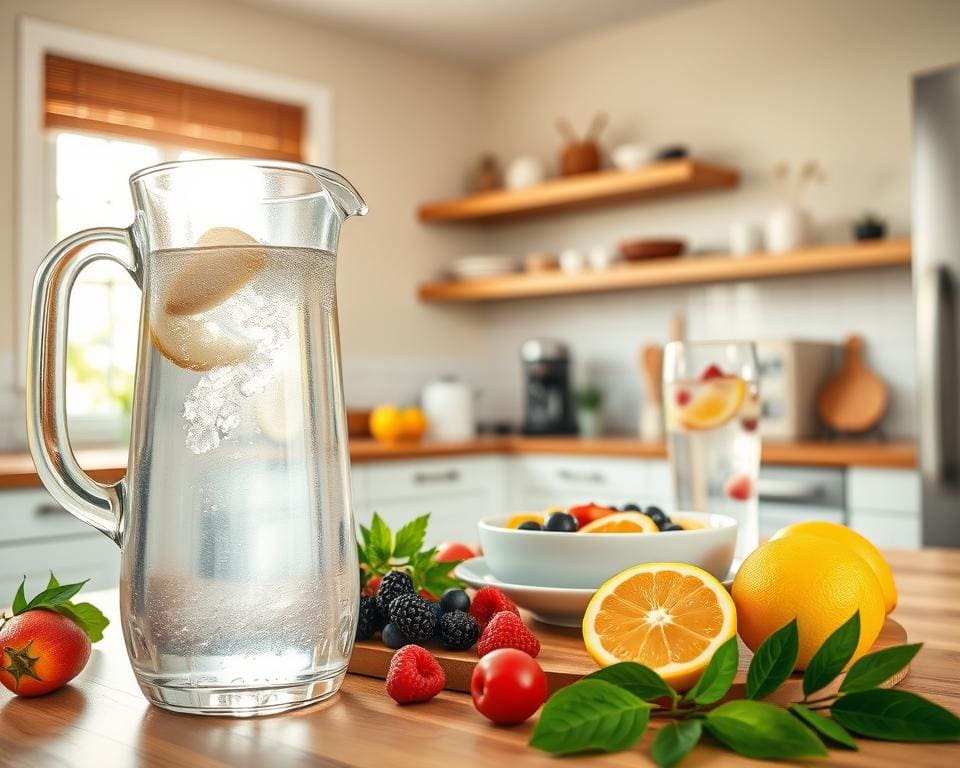
Hydration means keeping the body’s fluid balance steady so cells, blood and organs work well. The adult body is roughly 50–60% water, and that water is central to temperature control, digestion and circulation. Understanding the importance of hydration helps people make small choices that add up to big health gains.
For many in the UK juggling work, family and fitness, the question Why is hydration essential for a healthy lifestyle? matters every day. Daily water intake UK guidance from the NHS suggests most adults aim for about 1.2–2 litres of fluid a day from drinks, plus water in food. Needs vary with age, activity, climate and health, so these figures are a useful starting point rather than a strict rule.
Fluid balance depends on what you drink and eat, and on losses through urine, sweat, breath and stool. Clinical reviews on water’s role in physiology back up these facts, while consumer research in the UK shows that simple products and routines make it much easier to meet targets. This article adopts an inspirational product-review angle, pairing science with practical tips and recommendations for bottles, trackers and habit changes suited to a busy British lifestyle.
Why is hydration essential for a healthy lifestyle?
Water shapes how our bodies work every day. It keeps cells alive, moves nutrients, cushions joints and maintains blood volume that carries oxygen and energy. A steady focus on fluid balance supports health from the smallest cell to whole-body systems.
The core role of water in bodily functions
Fluid compartments inside and outside cells rely on water to drive metabolism and transport. Texts in physiology describe how water aids nutrient delivery, removes metabolic waste and lubricates joints to preserve mobility. Blood volume, regulated by fluid intake and kidneys, determines how well organs receive oxygen and fuel.
Osmoregulation keeps electrolyte levels like sodium and potassium in balance. That balance is essential for nerve signals and muscle contractions. Clinical sources show that disrupted electrolytes impair heartbeat and reflexes, so simple hydration supports complex physiology.
How hydration supports physical performance and recovery
Even small fluid losses of 1–2% of body weight reduce endurance, strength and heat tolerance. Sports medicine research and guidance from bodies such as the British Association for Sport and Exercise Sciences link hydration and exercise to measurable changes in performance.
For routine activity, plain water meets most needs. During long or intense sessions, drinks with electrolytes help maintain balance and prevent cramps. Thoughtful rehydration aids nutrient delivery to muscles and speeds repair, making performance recovery hydration a key part of training plans.
The connection between hydration and mental clarity
Research connects low fluid levels with poorer concentration, mood shifts, headaches and slower thinking. Trials in cognitive neuroscience and NHS guidance highlight the effects of mild dehydration on attention and reaction time.
Practical benefits matter in offices, lecture halls and night shifts across the UK. Regular drinking habits support hydration and cognition, helping people stay alert, productive and resilient through the working day.
Health benefits of staying properly hydrated
Good hydration delivers clear benefits for everyday wellbeing. Water helps regulate body systems, supports digestion, keeps kidneys functioning and can improve the look and resilience of skin. Small daily habits make a measurable difference.
Regulation of body temperature and metabolic processes
Water drives evaporative cooling through sweat, which helps preserve normothermia during activity and in warm weather. At a cellular level, water is central to hydrolysis and to moving metabolic by-products away from tissues. Adequate fluid intake supports basal metabolic processes and can modestly influence energy expenditure during daily tasks.
Support for digestion and nutrient absorption
Saliva, gastric juices and intestinal fluids depend on water to break food down and move chyme along the gut. Fibre works best when it is hydrated, reducing the risk of constipation and easing bowel movements. Foods and drinks with high water content, such as fruit, vegetables and soups, add to digestion hydration and promote comfort after meals.
Practical options for everyday hydration include plain water, herbal teas and fresh produce; see a short guide to healthy drinks at hydration tips.
Kidney function and toxin elimination
The kidneys filter blood, concentrate urine and balance electrolytes. Drinking enough fluid keeps urine diluted, lowers the chance of stone formation and supports regular voiding that reduces infection risk. Public health advice from the NHS and renal specialists highlights the role of sufficient fluid for long-term kidney health water management.
Skin health and hydration-related ageing effects
Skin turgour depends in part on hydration. While drinking water will not reverse deep lines, chronic dehydration can worsen dryness and emphasise fine lines. Topical care such as moisturisers and products containing hyaluronic acid complement internal hydration, especially in the British climate where cold, dry air can challenge the skin.
- Hydration health benefits include improved mood, cognitive clarity and reduced fatigue.
- Digestion hydration supports nutrient uptake and regularity.
- Kidney health water practices lower risk of stones and urinary problems.
- Skin hydration ageing strategies combine drinking water with targeted skincare.
Hydration and lifestyle: practical tips and product recommendations
Practical choices help turn good intentions into steady habits. Pick products that suit your day and your goals, then pair them with simple routines to drink more often. A commuter needs different solutions to a parent or an office worker.
Choosing the right water bottle for daily use
Compare popular types before you buy. Stainless-steel vacuum flasks from Stanley or Hydro Flask are sturdy and keep drinks hot or cold for hours. Tritan plastic bottles by CamelBak or Nalgene weigh less and resist shattering. Glass bottles with protective sleeves, such as Lifefactory, offer purity but need careful handling.
Think about mouthpiece shape, leakproof lids and dishwasher-safe parts. Wide mouths are easy to clean and add ice. Narrow spouts suit spill-free sipping on the move. Price and warranty matter; outlets like John Lewis and Amazon UK list specifications and customer reviews that help decide.
Features to look for in hydration products
- Insulation: double-wall vacuum flasks give reliable temperature control. Some models keep drinks hot or cold for 12–24 hours.
- Capacity: choose 350ml for a commute or 1–1.5L for all-day hydration to match your goals.
- Materials: stainless steel (18/8) resists flavour transfer and lasts; Tritan plastic is light and shatter-resistant; glass is chemically pure but fragile.
- Safety: look for BPA-free labelling, food-grade certifications and tested leakproof claims.
Consider environmental impact when comparing reusable bottle materials and recycling options. A robust stainless-steel flask repays its footprint over years of daily use.
Smart hydration trackers and apps to maintain consistency
Use technology to support habits. Apps such as WaterMinder and hydration features in MyFitnessPal team up with devices like HidrateSpark to log intake and send nudges. Syncing with Fitbit or Apple Health keeps data in one place.
Pros include timely reminders and clear progress tracking. Downsides include cost, battery life and data privacy. Set realistic targets, keep a visible bottle at your desk and tie drinking to routine actions like returning from the loo or before meetings.
For a broader view on healthy habits that include drinking enough water, see this helpful guide on healthy lifestyle choices: daily wellness habits.
Signs of dehydration and when to seek help
Recognising dehydration signs early lets you act quickly and prevent harm. Simple checks at home can pick up mild dehydration before it worsens. The NHS recommends watching fluid intake and urine colour as easy ways to monitor hydration.
Early symptoms to watch for in everyday life
Common early signs include thirst, a dry mouth and darker, concentrated urine. You may notice reduced urine output, light-headedness, headache, dry skin and persistent fatigue.
Thirst can be a late indicator for older adults, so rely on additional checks. Use a simple urine colour chart and keep a brief log of daily fluid intake to spot trends.
Older adults, athletes and children
Dehydration in elderly people often develops without obvious thirst. Age-related changes in kidney function and medications such as diuretics or some antihypertensives raise risk. Family carers and care homes should monitor drinks and offer fluids routinely.
Dehydration athletes face different challenges. High sweat rates call for planned fluid and electrolyte replacement before, during and after exercise. Watch for signs of heat illness, including heavy sweating followed by cold, clammy skin, dizziness and confusion.
Children have a higher surface-area-to-mass ratio, so they lose fluid faster. Look for irritability, fewer wet nappies and, in infants, a sunken fontanelle as serious warning signs. The Royal College of Paediatrics and Child Health provides clear guidance on assessing young children.
When to consult a healthcare professional
Seek immediate medical help for severe signs: confusion, fainting, very rapid heartbeat, very low urine output, persistent vomiting or diarrhoea, high temperature or seizures. Emergency care may require intravenous fluids.
Contact your GP or NHS 111 for persistent moderate symptoms or when dehydration coexists with chronic conditions such as diabetes, renal disease or heart failure. Ask about oral rehydration solutions for moderate dehydration; clinical protocols guide use in primary care.
Hydration habits that fit a busy UK lifestyle
Small, steady changes can transform wellbeing. Start by treating hydration as a simple daily ritual rather than a chore. Drink 250–500ml of water on waking and keep a bottle by the bedside or the kettle to make this habit easy to keep.
Make commuting and the working day part of your hydration routine commuting. Use a 750ml stainless-steel bottle for trains and buses, a spill-proof cup for crowded journeys in winter, and apps such as Refill to top up when out. At work, keep a marked 1–1.5L wide-mouth bottle at your desk and pair sips with routine tasks to stay hydrated at work.
With meals, sip water to aid digestion and choose sparkling water or herbal teas over sugary drinks—simple hydration tips UK that cut calories and refresh. Before and after runs, gym sessions or long countryside walks, plan fluids and consider electrolyte solutions for intense or sweaty activity. For families, colourful reusable bottles make drinking fun for children, and easy-reach carafes help older relatives drink more often.
Combine product and habit pairings: a smart bottle with reminders for those who need prompts, a large insulated bottle for commuters, and a desk bottle for all-day office use. Track progress weekly and celebrate small wins. Adapt intake by season and health needs, and pair routines with trusted guidance from NHS seasonal advice and sports-health recommendations to keep hydration a sustainable part of life in the UK.