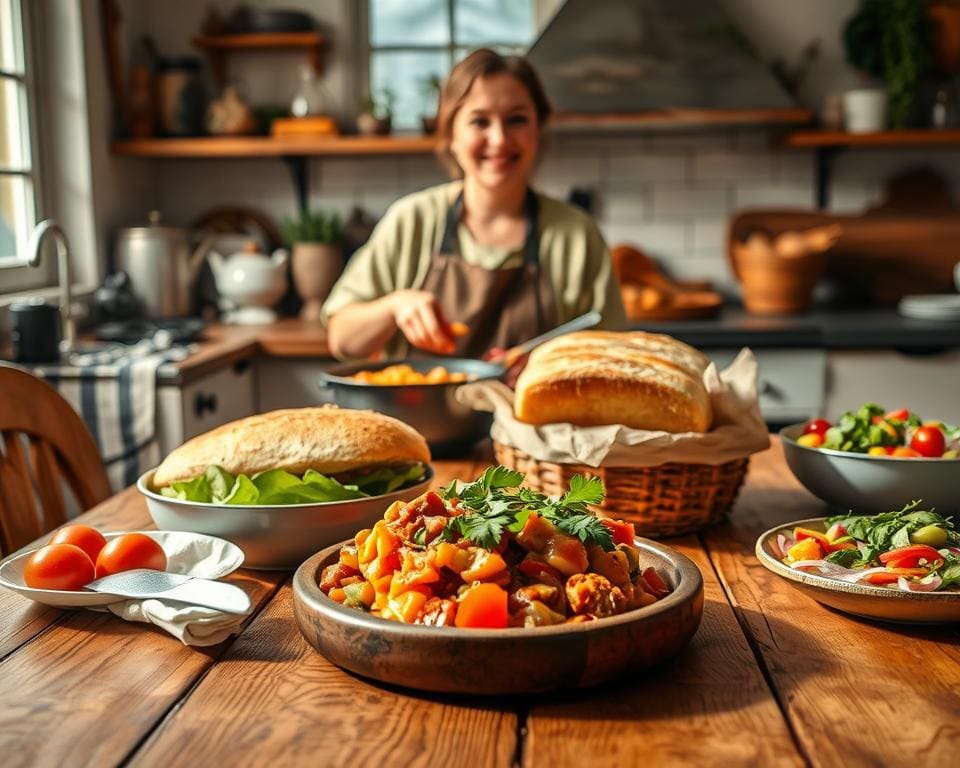
The question of why are homemade meals becoming more popular again has a simple beginning and a complex answer. Since the 2020s, the rise of home cooking in the UK has been driven by lockdown habits formed during the pandemic. Many households discovered home baking, batch cooking and recipe experimentation, and those practices have endured as routines rather than temporary pastimes.
Alongside cultural shifts, economic pressures and health concerns have reinforced the homemade meals UK trend. This article takes a product-review angle: we investigate the tools, meal kits and pantry staples that make the home-cooked food resurgence manageable and enjoyable. Expect practical recommendations grounded in why people are returning to their kitchens.
The piece is written for busy professionals, families, budget-conscious households, health-aware cooks and environmentally minded consumers across Britain. The tone is inspirational — home cooking is accessible, modern and rewarding, not a step back. The following sections explore cultural and economic drivers, health benefits, time-saving strategies, social and environmental motives, and finally, product reviews to help you sustain the rise of home cooking.
Why are homemade meals becoming more popular again?
Home cooking motivations are shifting as people seek more meaning from everyday meals. Short videos on Instagram, TikTok and YouTube have made technique clips and quick recipes part of daily life. TV chefs such as Nigel Slater and Tom Kerridge promote seasonal produce and simple skills. Many households find comfort in family recipes and learn to value the rituals of preparing food together.
The cultural return to home cooking
Social media has normalised amateur cooks sharing small wins. Bite-sized tutorials and approachable recipes make cooking less intimidating. Publications and broadcasters encourage using what is in season, which feeds a wider cultural return to home cooking. This trend ties nostalgia to modern practice, so people reclaim old recipes while adapting them for busy lives.
Economic pressures and budget-conscious choices
Rising grocery prices and the wider cost-of-living squeeze have pushed many families to cut back on eating out. Budget cooking UK strategies include buying in bulk, choosing cheaper cuts of meat and relying on pulses and frozen vegetables. Meal planning helps reduce waste and lower weekly spend, while supermarkets such as Aldi and Lidl sell value-ready ingredients and recipe bundles that support thriftier menus.
Health, nutrition and ingredient control
Home cooks want transparency about additives, salt and sugar. Cooking at home gives greater ingredient control and the ability to choose organic, local or seasonal produce. It also allows precise portion sizes and easier accommodation of dietary needs such as gluten-free, vegetarian or allergy-safe options. Farmers’ markets and specialist online suppliers make provenance and quality easier to access for those focused on health and nutrition.
Health benefits and nutritional advantages of cooking at home
Cooking at home brings clear rewards for body and mind. The health benefits of home cooking extend beyond calories to real control over ingredients, portions and cooking methods. Small changes in technique can cut salt, sugar and fat without losing flavour.
Lower salt, sugar and fat compared with ready meals
Many supermarket ready meals and pub dishes contain higher levels of salt, sugar and saturated fat than comparable home-cooked recipes. Making stocks from vegetables and bones, or using low-salt store-bought stocks such as Kallo, helps reduce sodium. Swap jarred sauces for fresh herbs like parsley, coriander and basil to lift taste while keeping salt and sugar to a minimum.
Choose lean proteins such as skinless chicken, cod or turkey and prefer grilling, steaming or roasting over deep-frying. Simple swaps, for example Greek yoghurt in place of crème fraîche, cut saturated fat and often improve texture.
Portion control and balanced meals
Preparing food at home makes portion control straightforward. Use a simple plate model: half vegetables, a quarter protein and a quarter wholegrains. This visual guide supports balanced meals for adults and children.
Batch cooking and freezing in single-portion tubs keeps serving sizes consistent and reduces the temptation to overeat. Label containers with dates and portions to help meet calorie or macronutrient goals without weighing every meal.
Mental health and the therapeutic value of cooking
Regular cooking can soothe stress and build routine. Many people report that baking sourdough or following a recipe gives them calm focus, a sense of accomplishment and a creative outlet. These benefits of cooking and mental health are backed by studies linking daily food preparation with improved mood and social connection.
Family meals prepared at home strengthen bonds and create predictable rituals. The act of chopping, stirring and plating offers small, structured tasks that support mindfulness and emotional well‑being.
- Lower salt and sugar through fresh ingredients and low-sodium stocks
- Portion control via plate models and single-serve batch cooking
- Cooking and mental health improved by routine, creativity and shared meals
Practical reasons: cost, convenience and time-saving strategies
Cooking at home saves money and frees up time when you plan well. Start with simple meal planning tips: set a weekly menu, write a clear shopping list and batch-portion meals for the fridge or freezer. Small steps like this cut waste and reduce reliance on takeaways.
Meal planning, batch cooking and freezing
Begin with a one-week plan that repeats two flexible dishes. Cook larger portions and divide them into meal-sized tubs. For batch cooking UK kitchens typically freeze cooked stews, casseroles and sauces safely for three to six months.
Batch-roast vegetables and prepare slow-cooker stews on weekends. Aim for 400–600g portions per adult when freezing. Preparing three to four lunches or dinners from one batch can save up to half the cost of individual ready meals.
Label jars and tubs with contents and date. Use freezer-safe containers and leave headroom for liquids to expand. Thaw in the fridge overnight or under cold running water for quicker use.
Using kitchen gadgets and time-saving appliances
Choose kitchen gadgets that reduce active time. An air fryer crisps faster and uses less oil than deep frying. Multicookers such as the Instant Pot combine pressure-cook, slow-cook and rice functions to cut meal times.
Slow cookers are ideal for cheaper cuts of meat, turning them tender with minimal hands-on work. Blenders and food processors speed up sauces and pestos, while a good kettle saves minutes with boiling water instantly available.
Affordable ingredient swaps and shopping advice
Simple swaps stretch budgets without losing flavour. Use canned tomatoes instead of passata, frozen veg when fresh is out of season and dried pulses in place of tinned varieties after soaking and cooking.
Buy cheaper cuts for low-and-slow recipes, bulk-buy store-cupboard staples and compare unit prices. Try supermarket own-brand ranges or local farmer’s markets for seasonal bargains. For quick inspiration on homemade sauces and condiments, consult a practical recipe guide like homemade sauces and condiments for every, then adapt with affordable ingredients.
Social and environmental motivations driving the trend
Cooking at home now carries clear social and environmental purpose. People choose recipes that reflect values as much as taste. This shift links everyday meals with broader efforts to live more sustainably and to rebuild community ties.
Sustainability through shopping choices
Home cooks favour bulk buying to cut single-use packaging and save money. Supermarkets such as Tesco and Waitrose offer refill stations and plastic-free aisles that make this easier. Seasonal veg boxes and local farmers’ markets support small producers and help reduce food miles.
Reusable storage, glass jars and beeswax wraps become standard in many kitchens. This small change reduces waste and strengthens a household habit of thinking about origin and packing when planning meals.
Community rituals and passing on family recipes
Family mealtimes are regaining importance as places to share skill and memory. Passing on family recipes fosters identity and keeps older techniques alive, from Irish soda bread to a proper Sunday roast.
Neighbourhood supper clubs, school cookery classes and community kitchens offer spaces for people to swap tips and learn together. These local gatherings turn cooking into a social act that builds trust and belonging.
Ethical choices and clear provenance
Consumers now demand proof of origin for staples such as eggs, fish and coffee. Labels like Free Range, RSPCA Assured and Marine Stewardship Council guide choices. Home cooking lets shoppers seek fair-trade and organic products and support brands with transparent supply chains.
Greater interest in food traceability UK pushes retailers and suppliers to disclose sourcing. When people prepare meals at home, they can prioritise certified ingredients and reduce reliance on opaque industrial systems.
- Buy seasonal produce to reduce food miles and support local farms.
- Use refill shops and bulk bins to lower packaging waste.
- Share family recipes to pass on skills and strengthen social bonds.
Product review focus: tools, meal kits and pantry staples that support homemade meals
When choosing the best kitchen gadgets UK home cooks rely on, apply a simple review framework: affordability, space efficiency for typical UK kitchens, multi‑functionality, energy use, durability and ease of cleaning. Start by comparing multicookers and pressure cookers from Instant Pot and Ninja for speed and batch size, then assess air fryers and Philips ovens for crisping with less oil. Slow cookers remain great for hands‑off dinners, while blenders and food processors cover everything from soups to nut butters. A quality chef’s knife and sturdy oven trays are essential, and lightweight stackable storage solves cramped cupboard problems.
In a balanced meal kits review, consider Gousto, HelloFresh and Mindful Chef for cost per portion, flexibility and waste produced. Mindful Chef often highlights seasonal produce and low‑waste packing, while HelloFresh and Gousto offer wide recipe variety and easy steps for beginners. Meal kits can be a useful bridge for busy households building confidence; try them for a few weeks, then mirror favourite recipes using storecupboard staples to save money over time.
Keep a short pantry staples for home cooking list that truly speeds up dinner: tinned tomatoes from Napolina, British rapeseed oil such as Carrington & Co., dried pulses and long‑grain rice like Tilda, wholewheat pasta, sea salt, dried herbs and low‑salt stock cubes. Recommend reliable appliance brands for UK buyers — Ninja, Instant Pot, Philips and Russell Hobbs — and affordable knife options from global stainless or high‑street ranges. For kitchen tools for easy cooking, prioritise one multi‑use appliance, invest in a good chef’s knife, maintain a compact freezer and a well‑stocked storecupboard, and view occasional meal‑kit deliveries as learning aids rather than a long‑term expense.