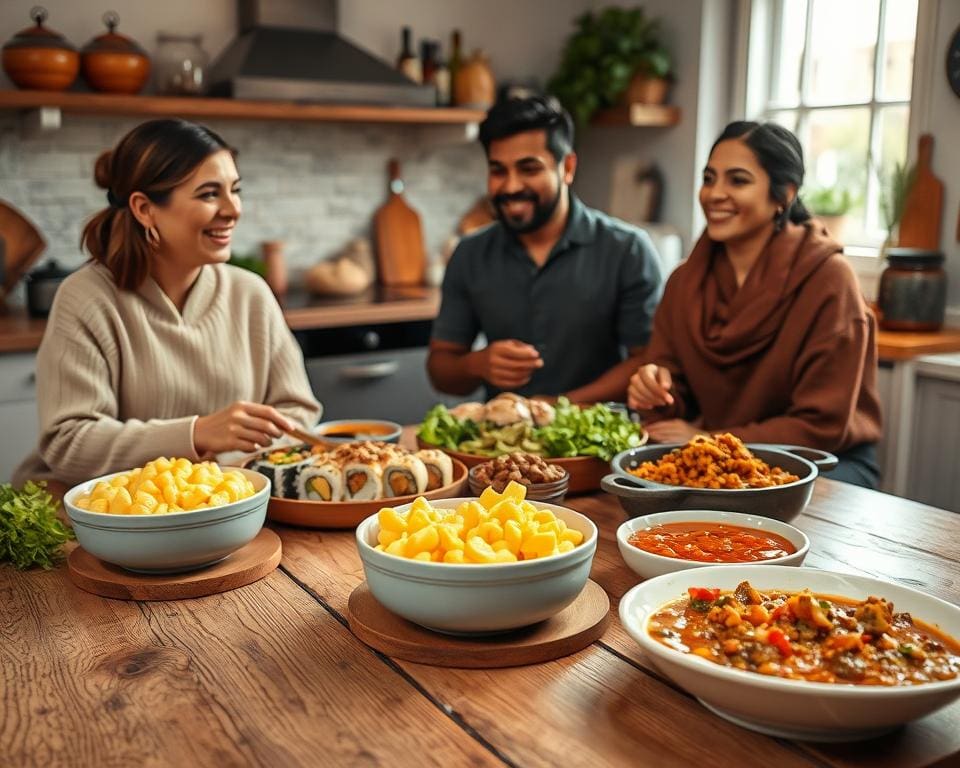
Comfort food meaning reaches beyond taste; it ties to memory, ritual and the body’s reward systems. Neurologists and food sociologists find that flavours linked to early life and family settings trigger strong recall and help regulate emotion. Research shows how a simple stew or bread can reconnect someone to a secure moment from childhood.
Food historians such as Bee Wilson and Mary Mellor note that many cross-cultural comfort dishes began as practical answers to scarcity—cheap, filling, locally sourced ingredients that became part of celebrations and daily routines. Over time, these pragmatic meals gained symbolic weight and shaped communal identity.
Public-health sources, including guidance from the NHS and insights from the British Dietetic Association, explain why people turn to nostalgic food reasons and emotional eating UK during stress. Familiar, energy-rich foods activate reward pathways and offer short-term relief, which helps explain their persistence across generations.
This article explores those threads: emotional resonance, cultural continuity, physiological mechanisms and modern commercialisation. Alongside historical and scientific context, we will assess contemporary products that market themselves as comfort food—judging authenticity, taste and value for British consumers.
Why are comfort foods timeless across cultures?
Comfort food reaches beyond taste. It binds memory, ritual and biology into familiar moments that feel safe. Across British homes and wider cultures, certain dishes act as anchors when life feels uncertain.
Emotional resonance and memory
Episodic memory links specific flavours to caregivers, celebrations and formative moments. The limbic system, which includes the hippocampus and amygdala, connects scent and taste with vivid recollections. A spoonful of porridge or a slice of Sunday roast can trigger a comfort food memory that returns the body to a calmer state.
In the UK, dishes such as shepherd’s pie, spotted dick or a family Sunday roast often carry stories of childhood. Those stories turn meals into cues for safety and belonging. People may seek out the same dishes when they are lonely, grieving or celebrating, because nostalgia and food act as emotional shorthand.
Cultural rituals and family traditions
Rituals embed dishes into yearly calendars and family cycles. Festivals, religious observances and weekly family meals create repeated occasions where recipes are shared and preserved. Anthropologists show how food can anchor cultural identity across generations.
British examples include mince pies at Christmas, hot cross buns at Easter and Coronation chicken at national celebrations. These ritual foods adapt over time while remaining recognisable. Family food traditions survive because recipes, techniques and stories are handed down, often with small changes that reflect new tastes.
Physiological responses to familiar flavours
Familiar flavours can reduce stress by altering chemistry in the brain. Meals rich in carbohydrates and fats can produce transient rises in serotonin and dopamine, which lift mood and calm nervous energy. Research links umami and savoury fats to greater satiety and a measurable boost in well-being.
Sensory predictability matters. Known textures, temperatures and flavour profiles lower cognitive load and offer sensory stability. That stability explains why certain textures, from creamy mash to crisp pastry, feel inherently soothing.
- Emotional comfort food often arrives with a story.
- Comfort food memory can be triggered by a single smell.
- Family food traditions ensure continuity across generations.
- Familiar flavours physiology explains the biochemical calm many people feel.
- Nostalgia and food remain central to communal and private rituals.
Historical roots and cultural continuity of beloved dishes
Comfort foods carry deep roots that stretch across centuries and continents. The history of comfort food is a patchwork of migration, trade and local tastes. That continuity makes certain dishes feel timeless in towns from Manchester to Mumbai.
Recipes travel with people. Migration recipes adaptation happens when families move and swap ingredients. Indian spices changed British dishes into familiar curries. Caribbean migrants after the Windrush brought stews and street snacks that reshaped UK dining. Trade and colonisation also spread techniques and staples, which local cooks then remade to suit soil and season.
Syncretism alters names, components and methods while preserving emotional meaning. A basic stew may gain coconut milk in one port city and suet pastry in another. Those shifts form part of the regional comfort food history that links origin and present.
How recipes travel and adapt through migration
- Migration moves people and recipes; diaspora communities act as living archives.
- Trade introduces new ingredients that lead to migration recipes adaptation in local kitchens.
- Colonial encounters create hybrid dishes that survive as beloved staples.
Preservation of technique: from home cooks to community kitchens
Home kitchens keep methods alive day by day. Community cooking preservation extends that practice into shared spaces. Church halls, food co‑ops and local community kitchens teach folding, slow simmering and preserving.
Cookbooks and TV chefs have codified many techniques. Mary Berry and Nigel Slater have put traditional approaches into domestic reach. Gordon Ramsay and others have spotlighted classic methods in modern restaurants. Social media and local movements such as Jam Clubs help document and pass on recipes.
Case studies: long-standing comfort dishes from different regions
- Beef stew and suet puddings (Britain): roots in peasant frugality; found in pub pies and frozen aisles at Marks & Spencer and Waitrose.
- Risotto and polenta (Italy): regional grains and stirring techniques turned into family rituals and restaurant staples.
- Miso soup and onigiri (Japan): simple, seasonal flavours that became daily comfort items across generations.
- Pozole and tamales (Mexico): communal preparation for festivals; street and home versions coexist.
- Khichdi and dal khichdi (India): nourishing, adaptable dishes that travel with migrants and appear in British kitchens and Indian grocers.
These traditional dishes case studies show how recipes move between home, market and industry. Retailers such as Greggs and national supermarkets sell modern takes, frozen renditions and ready meals that keep these flavours in everyday life. The result is a living archive where community cooking preservation meets commercial availability.
Psychology and neuroscience behind comfort eating
The pull of familiar dishes can feel instinctive. Research into the neuroscience of comfort eating shows how simple flavours and shared meals tap deep biological and emotional circuits. This section outlines key pathways and practical implications for cooks, makers and reviewers.
Role of neurotransmitters and reward pathways
Palatable foods trigger neurotransmitters food reward loops that shape choice. Dopamine reinforces seeking, serotonin lifts mood and endorphins ease pain. Oxytocin rises during shared meals, strengthening social bonds and making the same recipes more appealing over time.
Studies show brief mood elevation after eating favourite foods, creating reinforcement learning that leads people back to the same meals. Emerging work on the gut–brain axis suggests gut microbiota can influence cravings and emotional state, linking digestion to decision-making about comfort food.
Stress, nostalgia and the seeking of sensory stability
Stress prompts a search for predictability. Nostalgia food psychology explains why people reach for tea and biscuits or macaroni cheese during strain; those items provide continuity and a sense of control. UK surveys often list roast dinners and warm puddings among top choices when times are tough.
Nostalgic eating delivers psychological benefits such as increased social connectedness, meaning and optimism. Those positive effects feed back into choice patterns, shaping stress eating mechanisms that favour familiar textures and flavours.
Why texture and temperature matter to perceived comfort
Texture temperature comfort matters because sensory cues echo early feeding experiences. Creamy, soft textures and warm foods recall parental care and produce calming responses. Contrast in mouthfeel, such as a crisp topping over a soft filling, creates satisfying sensory journeys that strengthen emotional ties to a dish.
Product makers and reviewers should protect texture and warmth during storage and reheating. Preserving mouthfeel in frozen meals, clear reheating guidance and packaging that retains heat help maintain perceived comfort and meet consumer expectations.
For practical ideas on how simple meals deliver daily solace and cultural meaning, see this short piece on comfort and routine: how simple meals bring daily comfort.
Comfort foods in modern life: commercialisation and product reviews
Brands package warm memories into jars, cartons and tins. Retailers such as Heinz and Mr Kipling use heritage branding, retro packaging and storytelling to sell a sense of home. Celebrity chef endorsements and limited-edition seasonal lines amplify that feeling. This blend of marketing and craft helps commercial comfort foods reach busy households while promising a taste of simpler times.
How companies frame their products matters as much as recipes. Advertising leans on family, tradition and passing-down narratives to connect with millennial and older shoppers. Craft bakeries and artisan producers lean into provenance and small-batch claims to justify premium pricing and to stand apart from mass-market options.
How brands package nostalgia for today’s consumers
- Heritage and retro cues: limited runs from Heinz and Mr Kipling that echo original labels.
- Storytelling: family recipes, founder tales and seasonal drops create emotional purchase drivers.
- Endorsements: chef collaborations that promise authenticity while broadening appeal.
Evaluating mass-market comfort food products: taste, authenticity, value
Good product review comfort meals should judge fidelity to traditional recipes and ingredient provenance. Assessors check whether ingredients are locally sourced, how well flavours hold up and whether texture stays true to the original dish.
Reviews should weigh nutritional balance, portion size and price point. UK labelling rules, Food Standards Agency guidance and country-of-origin notes are vital for fair comparison. Allergens and clear nutrition panels guide purchase decisions for families and those with specific needs.
- Fidelity: does the item resemble the homemade version?
- Ingredients: quality, sourcing and clarity on labels.
- Sensory experience: taste, aroma and mouthfeel after reheating.
- Value: price versus portion and convenience.
- Sustainability: packaging waste and provenance impact.
Spotlight reviews: supermarket ready meals, artisanal versions and frozen options
A supermarket ready meal review UK might set Marks & Spencer against a store own-brand shepherd’s pie. Tests include reheating instructions, texture after warming and whether the topping retains crispness.
Frozen lasagne comparisons pit Aunt Bessie’s and other mass brands against premium frozen artisan producers. Reviewers look for depth of flavour, structural integrity once heated and how close the product comes to a homemade bake.
Ready-made soups from Heinz or Batchelors are contrasted with deli jars and independent makers. Key checks are aroma on opening, seasoning balance and whether a simple garnish or splash of cream elevates the bowl.
- Reheating notes: microwave versus oven results and tips to preserve texture.
- Freezing resilience: do sauces separate or stay cohesive?
- Authenticity: how nearly the product imitates a family recipe.
- Nutrition and cost: calories, salt and portion value per pound.
For UK shoppers, practical advice helps. Choose supermarket options for weekday convenience and premium or artisanal comfort food review choices for special occasions. Improve ready meals at home with fresh herbs, a squeeze of lemon, or a quick finish under the grill to restore texture and lift flavour.
In product review comfort meals critics balance convenience against authenticity and price against provenance. Shoppers gain more when they combine value-focused buys with simple at-home finishing tricks that echo homemade care.
Preserving authenticity while embracing innovation
Keeping comfort food true to its roots means recording recipes, sharing techniques and supporting community projects. Local history societies, cookery workshops and archives such as the British Library food collections help preserve food authenticity and pass traditions to new cooks.
Chefs and food writers play a vital role in modernising traditional dishes without erasing their soul. Voices like Nigel Slater and Yotam Ottolenghi show how to innovate comfort food respectfully, while brands such as Gosh! and Cauldron demonstrate viable fusion comfort cuisine and plant-based twists on family favourites.
Health and sustainability can sit alongside flavour. Techniques such as roasting to boost umami, using textured plant proteins, and careful salt and sugar reformulations keep sensory cues intact. Product advances — improved freezing, sous‑vide ready meals and sustainable packaging — help preserve texture and reduce waste, supporting sustainable comfort food goals.
Practical tips help both shoppers and producers. Consumers can look for transparent labelling, traceable sourcing and simple ways to elevate supermarket meals at home. Producers should invest in texture‑preserving processes, honest storytelling and responsible marketing to both preserve food authenticity and continue to innovate. For further ideas on turning simple meals into nourishing dishes see this guide.