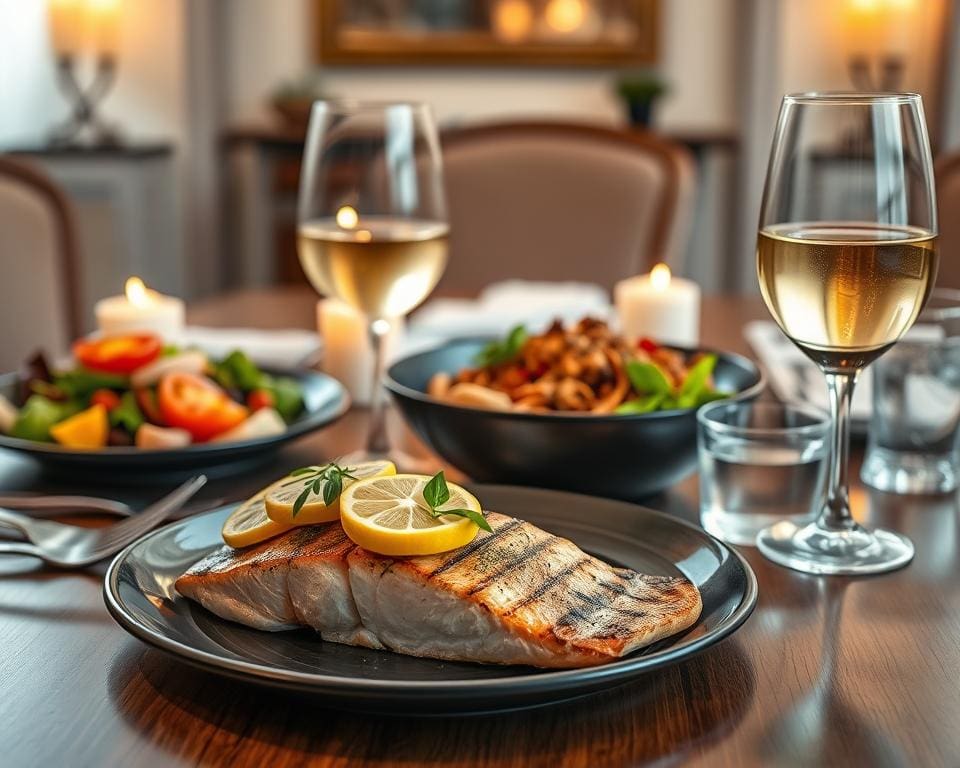
Knowing how do beverages complement different meals turns everyday dining into something memorable. A well-chosen drink can complement, contrast or cleanse the palate, changing how you perceive sweetness, acidity and aroma in a dish. This article offers practical drink pairing tips to help you elevate dining experience at home or when eating out in the UK.
We cover core beverage and food pairing principles alongside specific advice for wine, beer, spirits and non-alcoholic options. Expect guidance on matching weight and flavour, plus seasonal and regional ideas that suit British classics such as roast beef, fish and chips, and summer salads.
Our approach mixes authoritative sources and hands-on tasting notes from Waitrose Cellar, Berry Bros. & Rudd, Decanter and The Wine Society, with brewery insight from CAMRA, BrewDog and Fuller’s. Tea and coffee perspectives draw on Twinings and Union Hand-Roasted Coffee, so recommendations are rooted in expert opinion and real-world testing.
Read on for clear, actionable advice on how do beverages complement different meals, practical drink pairing tips and a product-review approach that helps you pick a dining beverage match that will truly elevate dining experience.
How do beverages complement different meals?
Pairing food and drink is about more than taste. It is about food and drink harmony that lifts each bite and sip. Start by spotting the dominant flavour and the cooking method, such as roasted, grilled or fried, to guide your choice.
Understanding flavour balance between drink and dish
Balance means the relationship between sweetness, acidity, bitterness, salt and umami in both the food and the beverage. A well-chosen drink can support a dominant flavour, as when an oaked Chardonnay complements a creamy lobster, or it can contrast it, as when a sparkling Riesling cuts through fried food.
Sensory interactions shape perception. Alcohol can raise warmth and sweetness, while carbonation boosts perceived acidity and crispness. Tasting with attention helps you sense how a drink alters texture and length of flavour.
Role of acidity, sweetness and tannin in pairings
Acidity refreshes the palate and reduces richness. High-acidity wines such as Sauvignon Blanc, sparkling wines and many ciders brighten salads, tomato dishes and oily fish.
Sweetness balances heat and salt. Off-dry Riesling sits well with Thai spices and Sauternes pairs with blue cheese to calm intense savoury notes.
Tannin binds with protein and fat, softening astringency. Robust reds like Cabernet Sauvignon or Malbec match well with steak and slow-roasted joints. Avoid heavy tannic wines with delicate white fish.
Examples of complementary and contrasting matches
- Complementary: roast beef with Bordeaux-style Cabernet blends; buttery lobster with oaked Chardonnay; oily mackerel with Sauvignon Blanc or unoaked Chenin Blanc.
- Contrasting: spicy Indian curry with off-dry Riesling or an IPA; fish and chips with sparkling wine or a crisp pilsner to cut grease; chocolate desserts with Tawny Port or espresso to intensify cocoa notes.
- British-specific: steak and ale pie with a robust porter or Fuller’s London Pride; Lancashire hotpot with an earthy Malbec or a brown ale; smoked kippers with a crisp lager or a smoky Islay whisky.
Use the ideas above as a starting point. Aim for flavour balance drink and dish and keep the principles of acidity sweetness tannin pairing in mind to discover complementary contrasting matches that create genuine food and drink harmony.
Principles of pairing: taste, weight and texture of beverages
Good pairing rests on clear, simple ideas about taste, weight and texture. Think of food and drink as partners that should support each other. Apply pairing principles taste weight texture to choose combinations that feel balanced on the plate and in the glass.
The first rule is matching intensity. Define intensity as the strength of flavour and aromatic concentration. Use matching intensity drinks and dishes by pairing light-bodied options such as dry Riesling, Vinho Verde or a pilsner with delicate dishes like poached white fish, salads and simple vegetables. These drinks lift rather than overwhelm.
For richer dishes choose full-bodied wines and beers. Syrah, Barolo, imperial stouts and robust coffees stand up to braised beef and slow-cooked stews. A rule of thumb: let both components be heard, not drowned.
Texture matters as much as flavour. Consider effervescence, body and mouthfeel when planning a menu. Sparkling wines, Champagne or a tonic from Fever-Tree cut through fried food and creamy sauces. This effervescence mouthfeel pairing refreshes the palate between bites.
Body and mouthfeel shape how flavours land. Creamy, oaky wines give a plush sensation with buttery dishes. Tannic reds produce a drying grip that complements fatty meats. Dessert wines with higher viscosity match dense sweets, while lighter beverages suit sorbets and airy puddings.
Temperature alters what you taste. Colder service tames sweetness and highlights acidity. Warmer service releases more aroma and increases perceived body. Keep white wines cool at 7–12°C and reds slightly cool at 14–18°C for best results.
Think practically about temperature flavour perception when serving. Chill sparkling wines and lagers well, and allow complex reds to warm a little to reveal deeper notes. Retail guides from The Wine Society and Majestic, plus brewery recommendations, help set the right service temps for pairing success.
Use these practical notes to refine choices: match weight to richness, use effervescence mouthfeel pairing for fried and creamy textures, and adjust temperature to shape flavour. Apply matching intensity drinks and dishes and the broader pairing principles taste weight texture to create satisfying, memorable combinations.
Pairing alcoholic drinks with courses
Choosing the right drink can lift a meal from pleasant to memorable. This short guide outlines practical pairings to help you match courses and alcohol with confidence, whether you are serving Italian ragù, a Sunday roast or an Asian curry.
Wine pairings by cuisine work best when you consider acidity, weight and cooking style. For Italian dishes with tomato sauces, try a medium-bodied Sangiovese or Chianti to mirror acidity and herbs. Rich risottos ask for a fuller white such as Chardonnay or a Nebbiolo or Barolo if the dish is meaty.
French classics with butter and cream suit an oaked Chardonnay. Shellfish shines with Chablis or Muscadet. Goat cheese finds balance in a crisp Sancerre. For Asian food that brings spice and umami, an off-dry Riesling, Gewürztraminer or a dry sparkling wine tames heat and refreshes the palate.
British dishes have their own logic. Roast lamb pairs well with Rioja or a Bordeaux blend. Fish pie responds to an unoaked Chardonnay or a fuller rosé. For versatile, everyday choices, shops such as The Wine Society and Oddbins offer accessible bottles that make wine pairings by cuisine easy at home.
Beer with British dishes proves its worth in pubs and at the dining table. Pale ales and IPAs cut through spicy and charred flavours, adding citrus lift to grilled meats. Bitter, ESB and brown ales complement pies, bangers and mash, and stews with their malt backbone.
Stouts and porters match oysters, chocolate desserts and hearty stews. A classic Irish stout like Guinness gives roast or braised meats extra depth. Crisp pilsners and lagers are ideal with fried fish and chips and lighter seafood, offering a clean, refreshing contrast.
Spirits cocktails with food are powerful tools when used with care. Smoky Islay whiskies stand up to charred or smoked meats. Lighter Speyside malt or bourbon complements pork dishes and grilled fruit desserts without overwhelming them.
Dry, botanical gins refresh herb-led salads and shellfish. Pair them with tonic waters such as Fever-Tree for lifted citrus notes. Low-ABV cocktails and aperitifs like an Aperol spritz or vermouth-based serve as palate openers before a main course.
Cocktails and spirits can overwhelm if too strong. Use small measures or lower-ABV serves when you want the drink to enhance rather than dominate. Consult tasting notes from established houses and breweries to select bottles that will reliably match courses and alcohol across a range of dishes.
Non-alcoholic beverage pairings for every meal
Discover new ways to lift dishes with thoughtful non-alcoholic beverage pairings. Choosing the right drink can sharpen flavours, soothe the palate and create harmony across a meal. Use strength, acidity and sweetness as your guiding points when matching drinks to food.
Crafted soft drinks and artisanal tonics
New-generation mixers from Fever-Tree, Fentimans and Franklin & Sons are built to partner with food rather than mask it. A citrus soda brightens grilled fish and green salads. Ginger ale or ginger beer calms the heat of Thai or Indian dishes. Tonic water is a smart foil for salty cheeses and charcuterie.
Try Fever-Tree Mediterranean Tonic with seafood or Fentimans Mandarin & Seville Orange alongside light puddings. Treat crafted soft drinks pairing like any wine match: balance sweetness and bitterness to support the dish.
Tea and coffee matchings for savoury and sweet dishes
Tea and coffee offer a wide palette for tea coffee with food. Robust Assam suits full English breakfasts and meaty stews. Sencha or delicate green teas lift white fish and sushi without overpowering them. Oolong and pu-erh handle umami-rich mains with ease.
Coffee can be just as versatile. Light and medium roasts accentuate breakfast pastries and fruit desserts. Dark roasts and espresso stand up to chocolate, caramel desserts and even strong blue cheese by cutting through sweetness.
British brands such as Twinings and Union Hand-Roasted Coffee publish tasting notes to help match brew strength and roast level to dishes. Small changes in infusion time or grind can alter the balance and improve pairing.
Alcohol-free wines and beers: tips for successful pairing
Recent alcohol-free wine beer pairing options from Noughty, Thomson & Scott and BrewDog’s alcohol-free range offer fuller body and clearer fruit character than earlier versions. Treat them like their alcoholic counterparts when pairing: match acidity, sweetness and body to the food.
Sparkling alcohol-free wines lift fried and creamy courses. Alcohol-free stouts pair well with chocolate desserts. Read labels for sugar content and favour lower-sugar options to balance rich, savoury plates.
For those interested in warming herbal afters, herbal teas such as peppermint and chamomile can aid digestion and relaxation. Learn more about comforting warm drinks and their benefits from this practical guide: herbal tea and wellness tips.
Seasonal and regional pairing ideas
Choose drinks that reflect the season and the local table. Thoughtful seasonal beverage pairings lift a dish and make meals more memorable. Below are practical ideas for lighter spring and summer fare, heartier autumn and winter menus, and classic British regional pairings.
Spring and summer beverage choices for lighter fare
Fresh, high-acid whites such as Albariño and Vinho Verde cut through citrusy salads and grilled fish. Dry rosé and sparkling wines like Nyetimber or Chapel Down work well for alfresco dining and celebratory plates. For low-alcohol options, try spritz-style cocktails or fruit-forward craft soft drinks and elderflower cordials.
Light beers such as Berliner Weisse, pale ales and crisp lagers suit barbecues and salads. Prosecco and Cava add lift to seafood while local lemonades refresh the palate during long sunny lunches. These summer light drinks bring balance without overpowering delicate flavours.
Autumn and winter drinks to complement richer dishes
Heavier reds such as Syrah, Malbec and Rioja Reserva stand up to roasts, stews and game. Fortified wines like Port or Madeira add depth alongside blue cheese or braised beef. Robust stouts and porters match well with slow-cooked dishes and chocolate desserts.
Hot beverages bring comfort on cold nights. Mulled wine, hot toddies and spiced ciders warm the senses and pair neatly with pies and roasted root vegetables. For stronger winter choices, single malt Scotch and well-aged barley wines add a satisfying finish. These winter rich drinks create a cosy, flavour-forward experience.
Regional British classics and ideal beverage partners
Fish and chips call for a crisp lager, pilsner or a sparkling wine to cut through oiliness. A British bitter offers a true pub-style match. Roast dinners suit medium-bodied reds like Pinot Noir or Syrah and English ciders work especially well with pork.
Regional cheeses demand thoughtful matches. Somerset cheddar pairs with a robust ale or Tawny Port, while Stilton finds a natural companion in full-bodied port or aged barley wine. Seek guidance from local producers and retailers such as Neal’s Yard Dairy and Westons Cider when selecting regional British pairings.
- Spring/Summer: Albariño, dry rosé, prosecco, craft lemonades.
- Autumn/Winter: Syrah, Port, stout, mulled wine, single malt Scotch.
- Regional: Lager or British bitter with fish and chips; cider with roast pork; port with Stilton.
Practical tips for choosing beverages at home and restaurants
Start with a calm plan before you open a menu. Learning how to read a wine list helps you pick wines by region, grape and style rather than by price alone. Look for descriptors like “crisp” or “full-bodied” and note the producer and vintage for clues about age and quality.
When dining out, ask the sommelier for suggestions by flavour profile. Request a wine that is acidic, fruity or tannic to match your dish. Suggest pairing flights or half-bottles if you want to taste without committing to a full bottle. If a young red needs air, ask for decanting.
Use simple tools to prepare. Apps such as Vivino and tasting notes from The Wine Society or Majestic offer quick background on labels. These resources speed up choosing beverages restaurants and boost confidence when ordering.
Follow a clear tasting order to protect the palate. Move from light to heavy, dry to sweet, and low to high tannin or ABV. This tasting order palate cleansing approach lets each course shine and prevents stronger wines from overwhelming delicate flavours.
Between courses, palate cleansers reset tastebuds. Sparkling water, plain bread or neutral crackers work well. For bigger shifts, a small lemon sorbet refreshes the mouth before a richer course arrives.
Serve and sip thoughtfully. Use appropriate glassware and offer smaller tasting pours for intense pairings. Pace the drinks so guests notice contrasts and textures rather than rushing through flavours.
Seek value without compromise when you want budget-friendly drink pairings. Portugal yields excellent Vinho Verde and approachable Douro reds. Spain offers Verdejo and Garnacha at fair prices, while Chile and South Africa deliver reliable New World favourites.
Look to UK supermarkets and independent merchants for dependable bottles. Many retailers stock tried-and-tested labels that appear on Decanter’s value lists. For beer and soft drinks, choose craft lagers or premium supermarket brands and quality tonics to impress on a budget.
Try a small tasting list at home. Test a selection of budget-friendly drink pairings with simple dishes to find what works. Note which combinations lift the food and which clash, then refine your go-to choices for confident entertaining.
Product review approach to selecting pairing-friendly beverages
A clear review methodology helps readers pick pairing-friendly bottles and cans with confidence. Start by rating acidity, sweetness, tannin, body, aroma complexity and finish, then test versatility across cuisines. Add practical filters for price, UK availability and label transparency to reflect real shopping conditions at Majestic, Waitrose Cellar and independent wine merchants.
Testing should include blind tastings where possible and multiple sample pairings: seafood, poultry, red meat, spicy dishes and desserts. Record sensory notes and matching results. Benchmark against respected producers and critics such as Château labels, Nyetimber and Chapel Down for English sparkling, Fuller’s and BrewDog for beers, plus scores from Decanter and Jancis Robinson to calibrate assessments.
Structure each entry as a concise tasting note, pairing suggestions, serving temperature, price band and where to buy. Use short “perfect match” callouts — for example, Perfect match: Nyetimber Classic Cuvée with crab and lemon mayonnaise — to give immediate, usable guidance. This beverage review pairing guide keeps recommendations practical and inspirational.
Include non-alcoholic options from Thomson & Scott, Noughty and BrewDog’s alcohol-free range, and mixers from Fever-Tree and Fentimans. Highlight innovations like sustainable and low-intervention wines. Summarise with encouragement to experiment: let product review pairing-friendly beverages and the best wines beers non-alcoholic for pairing guide your choices, but trust personal taste and creative instinct above rigid rules.