
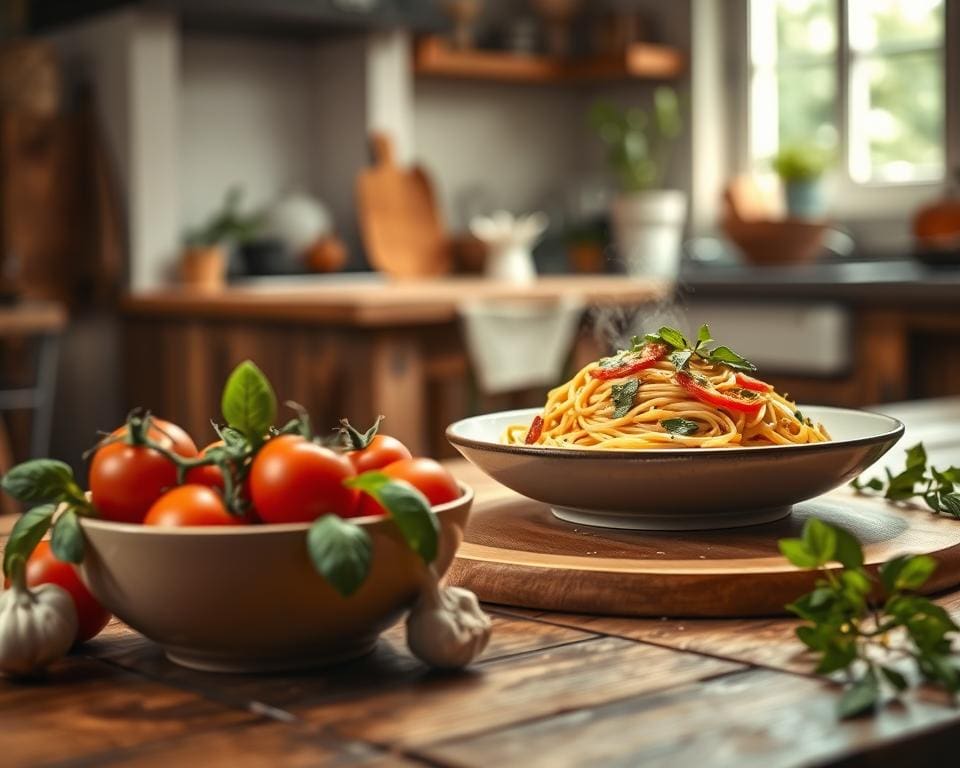
Simple cooking succeeds because it honours flavour without fuss. A few good ingredients, a clear technique and sensible timing often beat complexity. Think pan-fried fish with lemon and butter, cacio e pepe or roasted seasonal vegetables—these are the kinds of best-tasting simple recipes that win on weeknights, picnics and Sunday lunches.
This piece is an inspirational, product-review style exploration for a UK audience. It looks at pantry staples, minimalist recipes UK and minimal-ingredient kits sold domestically. We will assess everyday brands of olive oil, butter, sea salt and tinned tomatoes alongside chef guidance from Fergus Henderson, Nigella Lawson and Yotam Ottolenghi.
Expect practical insight on why simple dishes taste so good: the Maillard reaction, salt and acid balance, and the boost that seasonal British produce gives to flavour and nutrition. We also draw on research into how straightforward meals bring comfort and satisfaction; see one perspective here for context on comfort and simple meals.
The value proposition is clear: time savings, less waste, lower cost and a focus on taste. Over the next sections we will clarify the review approach, examine ingredient quality, explain technique and timing, explore the psychology behind flavour, and finish with a compact product round-up to help you create truly flavourful simple dishes.
Why do simple recipes often taste the best?
Simple dishes invite focus. When a meal has few components, each ingredient must carry weight. This section treats simplicity as the product attribute under review and explains how a simple recipe review and a minimal-ingredient review are carried out for everyday cooks across the UK.
Clarifying the question as a product review
We assess simplicity the way we assess olive oil or butter. Criteria include ingredient quality, flavour clarity, ease of execution, consistency, cost-per-serving and shelf-life. Both artisanal and mass-market items receive attention. Examples range from Filippo Berio and single-varietal extra-virgin oils to Anchor and Lurpak butter, Cirio and Napolina tinned tomatoes, and Maldon versus supermarket sea salts.
How simplicity becomes a feature to evaluate
Define simplicity with clear metrics: minimal steps, few ingredients, transparent flavour and reliable results. A product that performs well in a minimal-ingredient review shows how each component reveals itself. Packaging, clear instructions and brand trust add to perceived simplicity in meal kits and pantry items.
Scope of the review: everyday recipes, pantry staples and minimal-ingredient kits
Items covered include fresh British apples and root vegetables, seasonal greens, dairy and butter, good olive oil, sea salt, fresh herbs, tinned tomatoes, canned beans, cured meats such as Parma ham and British dry-cured bacon, simple spice blends and minimal-ingredient meal kits sold in the UK.
Evaluation methods blend blind tastings where feasible and cooked trials using identical simple recipes, for example roast carrots with butter and salt or spaghetti aglio e olio. Sourcing spans farmers’ markets, supermarkets and speciality shops such as Fortnum & Mason and Daylesford.
Readers can expect a product review simple cooking approach that favours ingredient quality and technique over complex recipes. Recommendations will aim to fit different budgets and access, highlighting the best pantry staples UK and practical choices for home cooks.
The role of high-quality ingredients in elevating simple dishes
Simple dishes demand attention to the ingredients. Each element has more influence when recipes are pared back. Choosing high-quality ingredients lets a single apple, a slice of sourdough or an extra virgin olive oil carry a dish rather than hide behind many flavours.
How single-ingredient quality impacts flavour intensity
When a recipe uses few components, volatile aromatics from fresh herbs and ripe fruit shape the whole plate. Scientific studies show herb oils and fruit esters evaporate quickly, so fresher items pack a stronger scent and taste. Fat plays a major role too: good butter and high-grade extra virgin olive oil add complex mouthfeel and aroma that transform simple dressings and finishing touches.
Practical examples make this clear. A free-range egg of superior quality lifts a carbonara, creating silkier sauce and richer yolk flavour. Premium tinned tomatoes often yield brighter, more balanced sauces than budget cans, because fruit picked and packed at peak ripeness retains more acidity and sweetness. That reduces the need for added sugar or heavy seasoning.
Seasonality and provenance: why British produce shines in simple recipes
Seasonal British produce offers concentrated flavour due to shorter storage and timely harvests. Early asparagus, summer heritage tomatoes, and winter brassicas taste distinct when eaten in season. Regional goods such as Cornish clotted cream or Scottish smoked salmon bring clear identity to minimal dishes through recognised ingredient provenance.
Chefs underline this approach. Fergus Henderson champions respect for each element, treating meat and offal so a few parts can define a plate. Yotam Ottolenghi emphasises vegetables and careful selection, showing how prime produce changes a simple salad into something memorable. Tasting comparisons routinely reveal that provenance-labelled items outshine anonymous alternatives.
Practical tips for sourcing and storing ingredients to maximise taste
Sourcing from farmers’ markets or local box schemes such as Riverford and Abel & Cole helps you find produce that’s fresher and often in season. Reputable supermarkets with clear provenance labelling, including Waitrose and Marks & Spencer, make good choices for pantry staples. Use fishmongers and trusted butchers for meat and fish; buying whole fish or a whole chicken often gives better value and freshness.
Store ingredients to retain their best qualities. Keep tomatoes at room temperature to preserve acidity and sweetness. Treat cut herbs like flowers: trim stems and stand them in a little water, wrapped loosely, or store wrapped in a damp paper towel. Store butter cold but bring it to near room temperature before use for spreadability and flavour. Keep olive oil in a cool, dark cupboard to prevent rancidity. Freeze ripe fruit and leftover bread in portions to lock in taste.
Spend where it matters. Prioritise budget for fats, salt and core produce: a good butter, olive oil or prime piece of fish will lift a simple recipe more than premium sugar or expensive packaging. Economise on neutral fillers and choose reliable, well-labelled brands when splurging is not feasible.
Technique, timing and minimal intervention: how skill highlights simplicity
Great cooking turns few ingredients into memorable dishes. A calm approach, sound technique and careful timing let each element shine. This section outlines practical methods that lift simple recipes without complicating them.
- Start with a hot, heavy-based pan to develop Maillard browning when searing steaks or vegetables. That crust brings deep flavour with a single step.
- Roast garlic or shallots gently to concentrate sweetness. Spread roasted garlic on bread or blend into a dressing for instant depth.
- Deglaze a pan with a splash of stock or wine to capture fond and make a quick pan sauce from jus. Emulsify with butter or olive oil for gloss and mouthfeel.
- Shallow-fry fish in minimal oil for crisp skin while keeping the flesh tender. Finish with lemon and parsley to preserve the main taste.
- Make simple reductions by simmering down stock, wine or vinegars to intensify flavour without adding many ingredients.
Heat control and resting
Mastering heat control changes results more than adding spices. Use high heat briefly to caramelise scallops or steaks. Choose low-and-slow for root vegetables and tougher cuts to break down connective tissue and create sweetness.
Let meat and fish rest after cooking so juices redistribute. Resting improves texture and makes simple seasoning more effective.
Seasoning timing
Think of salt as a process rather than a single step. Salt early for braises to help flavours develop. Reserve finishing salt for roasted vegetables and salads to give a bright, crunchy hit. Taste as you go and balance with acid like lemon or sherry vinegar and a touch of fat to round the palate.
Maldon sea salt flakes work well as a finishing touch. Use fine sea salt during cooking for steady seasoning.
When less is more
Restraint reveals the true character of an ingredient. Avoid piling on competing herbs, heavy spice blends or strong sauces that mask the centrepiece. A grilled fillet with lemon and parsley often beats one blanketed in many bold flavours.
Minimal intervention cooking rewards patience and a light hand. Trust simple contrasts—salt, acid and fat—to lift a dish rather than crowding it.
Skill-building and tools
- Practice searing on affordable cuts to learn how heat and timing affect crust and juiciness.
- Roast batches of vegetables to note how size and oven temperature change results.
- Run side-by-side trials swapping fats or salts to sharpen your palate for subtle differences.
- Equip your kitchen with a heavy-based frying pan such as Le Creuset or a carbon-steel pan, an oven thermometer, a sharp chef’s knife, a fish spatula and reliable kitchen scales to increase reproducibility without complicating technique.
Simple recipes gain power from practiced hands, patient timing and thoughtful restraint. Focus on these elements and you will find flavour grows, not from complexity, but from clear, confident choices.
Psychology of taste and the emotional appeal of simple recipes
Simple dishes reach us before the first spoonful. The psychology of taste links aroma and memory so that shepherd’s pie, fish and chips, or homemade soup can transport someone back to a family kitchen. Research on sensory memory shows that scent alone can trigger vivid recollections. When that happens, nostalgia food becomes tasting-room and timeline in one moment.
These memories shape how we judge flavour. A custard with stewed fruit might seem richer than a complex dessert because it carries childhood cues. Comfort food gains power from repeatable scenes: a parent stirring a pot, a shared loaf, a Sunday roast. Rituals embed emotion, making simple recipes feel more satisfying than their ingredient lists suggest.
Fewer components suggest honesty. When labels list olive oil, salt and tomatoes, shoppers sense provenance and trust. In product reviews, minimal-ingredient kits that emphasise recognisable items score well for perceived authenticity simple recipes offer clarity that brands such as Belazu and Duchy Originals have used to build credibility.
Expectation and presentation alter taste. A plain stew served in earthenware at a respected restaurant can beat a fancier plate from an unknown caterer. Branded products that state provenance on packaging often perform better in consumer tests. These effects show how perception can shift objective flavour assessments.
Small acts lift simple food into ritual. Warm plates, a drizzle of finishing oil, a scattering of parsley and the right serving vessel change perception instantly. Try lighting a candle or making a brief toast before a meal. Such food presentation ritual makes modest dishes feel deliberate and prized.
Current UK trends support this shift. Slow Food advocates, foragers and seasonal-focused chefs on BBC Food and in books by Jamie Oliver and Nigel Slater champion restraint. These voices encourage people to value technique, seasonality and the emotional ties that make simplicity sing.
Practical tips for amplifying emotional appeal:
- Keep steps repeatable so rituals form naturally.
- Use one visible finishing touch, such as a herb or oil, to signal care.
- Select tableware that suits the dish: earthenware for stews, white plates for vibrant salads.
- Label provenance for store-bought items to reinforce trust.
Product round-up and recommendations for simple-recipe success
This product round-up for simple recipes summarises practical picks chosen for flavour impact, provenance, value-for-money and availability across the UK. Selection favours items that lift minimal recipes: dependable everyday extra-virgin olive oil such as Filippo Berio or Bertolli for cooking, with a superior single-estate Italian or Californian monovarietal for finishing. For butter, Lurpak and Kerrygold give fuller flavour while Anchor or a local British farm butter serve well for routine use; reserve high-fat cultured butter for finishing. Maldon Sea Salt Flakes are the go-to for finishing and a standard British supermarket fine sea salt covers cooking needs.
Tinned tomatoes from Napolina or Cirio offer bright, consistent sauce bases; check provenance and choose Italian plum tomatoes where possible. Parmigiano-Reggiano works for grating and West Country cheddar for melting and comfort dishes. For cured meats and fish, Parma ham and quality British back bacon suit simple pasta or sandwiches, while Scottish smoked salmon makes effortless canapés. These recommended ingredients minimal recipes will consistently perform across a range of dishes.
For fresh produce, buy seasonally and locally: British asparagus in spring, Kent strawberries in summer and Norfolk potatoes in autumn and winter. Farmers’ markets, Riverford and Abel & Cole veg boxes, plus Waitrose and Marks & Spencer, are reliable for provenance labelling. When shopping, prioritise spending on fats (good butter and oil), salt and the main protein or produce; check best-before and harvest dates and favour local suppliers for peak freshness. These best pantry staples UK choices keep simple cooking both accessible and delicious.
Consider a few minimal-ingredient kit recommendations from well-rated recipe box services and supermarket meal kits that list clear ingredients, minimal preservatives and strong provenance claims. Essential tools include a heavy carbon-steel or cast-iron skillet, a microplane grater, small salt cellars and an oil cruet for finishing. With a shortlist of high-impact staples and one or two gentle techniques — such as mastering searing or a basic roast — you can use this product round-up simple recipes guide to elevate everyday meals and prove that simplicity often tastes best.