
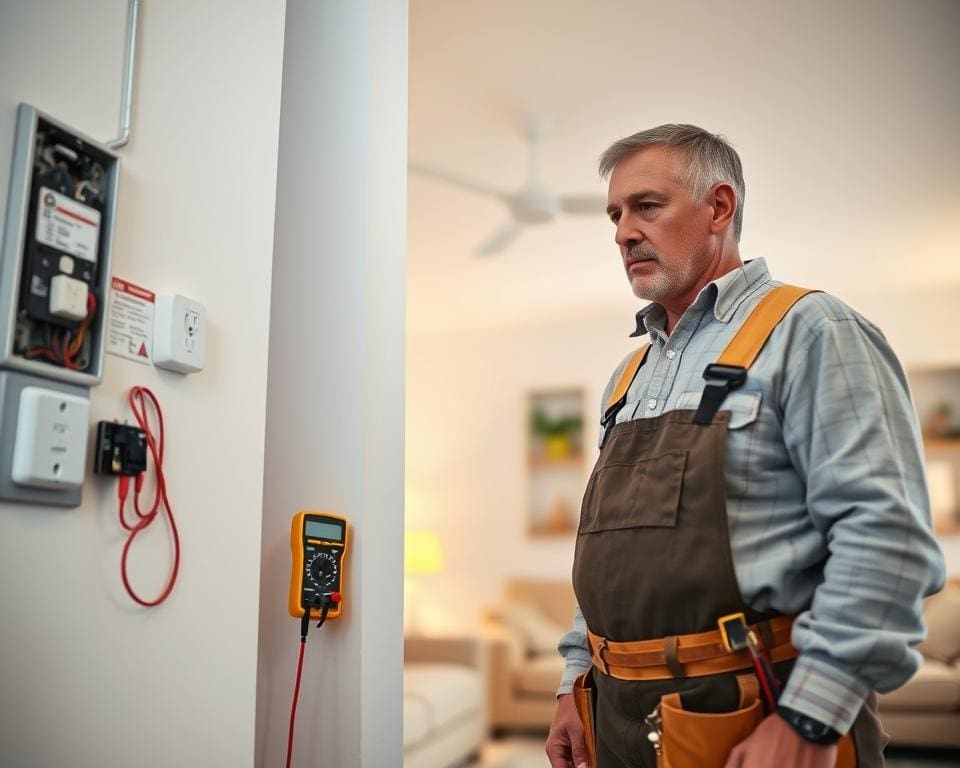
Hiring a qualified electrician UK is one of the most effective steps a homeowner can take to protect people and property. This article sets out to explain clearly why professional inspection, testing, installation, repair and certification matter for home electrical safety.
Qualified electricians work to British Standards such as BS 7671 and follow Building Regulations and Part P where work affects building control. Their role includes thorough inspection and testing, issuing an EICR for periodic checks and an Electrical Installation Certificate for new or altered installations. These documents form the record that installations meet legal and insurance expectations.
Typical safety outcomes include identification and correction of fire and shock hazards, a compliant consumer unit upgrade when needed, correctly sized circuits and protective devices, and RCD installation or other modern protections. These measures reduce the risk of electrical fires and fatal shocks.
Statistical context underlines the need for this care. Reports from UK Fire and Rescue Services and the Office for National Statistics show thousands of fires and hundreds of shock-related incidents each year linked to domestic electrics. Professional workmanship reduces those numbers by addressing faults before they escalate.
This piece adopts a product-review style. It evaluates services, qualifications and protective devices such as RCDs, arc fault detection, surge protection and modern consumer units, comparing how each improves safety, longevity and often insurance standing. Beyond compliance, a qualified electrician brings peace of mind and clearer evidence that a home is safe to live in.
How does a qualified electrician improve home safety?
A qualified electrician brings clarity and craft to the unseen risks in a home. They assess wiring, protective devices and installations with tools and methods that homeowners rarely have. This practical approach turns uncertainty into a clear plan that protects people and property.
Identifying common household electrical hazards
Overloaded circuits are a frequent cause of overheating and fire. A professional uses load calculations, thermal imaging and careful inspection to help with detecting overloaded circuits and to check for inappropriate fuse or breaker sizing. Underrated breakers or fused spurs that trip late, or not at all, create a high fire risk.
Damaged wiring and poor terminations are another threat. Copper conductor degradation, frayed insulation and rodent damage lead to arcing and heat. Unsafe DIY work such as incorrect splicing or improper use of junction boxes often fails visual or continuity checks and can hide faults that cause sparks.
Ageing consumer units and obsolete components reduce protection. Rewireable fuses and older enclosures often lack modern safety features. A skilled tradesperson will spot the need for consumer unit replacement where circuits serving kitchens, bathrooms or outdoors lack RCD protection.
Professional testing and certification
Periodic testing gives an accurate picture of a property’s condition. An electrical safety inspection UK commonly includes an EICR explained in detail to the homeowner. The EICR assesses each circuit and classifies findings as C1 (danger present), C2 (potentially dangerous), C3 (improvement recommended) or FI (further investigation required).
Frequency of inspection depends on use. Owner‑occupied homes often benefit from checks every ten years while rented properties demand shorter intervals. Reports distinguish minor faults from major or dangerous ones so priority repairs are clear.
Certification reduces insurance and safety exposure. Many insurers expect evidence of compliant work and may challenge claims if fires stem from uncertified electrical work. A professionally issued certificate documents condition and recommended remedial action.
Expect transparent reporting from a qualified electrician. Reports are itemised, include photographic evidence where needed, present costed remedial recommendations and give a practical timescale for repairs. They identify affected circuits so occupants know where to avoid use until work is done.
Tailored solutions to eliminate risks
Modern protective devices transform safety. Installation of RCDs and arc fault detection devices helps. RCDs reduce the risk of fatal shock by detecting earth leakage. Arc fault detection devices, or AFCIs, identify dangerous arcing before it starts a fire. Reputable manufacturers such as Schneider Electric and Hager produce devices that meet BS EN standards and are commonly recommended.
Upgrading wiring and carry‑out consumer unit replacement are common outcomes. A modern unit with MCBs and combined RCD or RCBO protection brings balanced safety and ease of maintenance. Electricians stage upgrades to reduce disruption while ensuring compliance with current regulations.
Dedicated circuits and correct cable sizing protect high‑load appliances. Ovens, showers and EV chargers need proper isolation and suitably rated cables. Smart integration can manage loads safely by coordinating supply rather than permitting uncontrolled load shedding that risks overheating.
How professional electrical services prevent accidents and fires
Professional electricians bring skill and standards that protect homes from hidden dangers. Good workmanship and compliant materials cut failure rates and help prevent electrical fires. A qualified tradesperson uses approved cables from brands such as Prysmian and Draka and fits accessories with Kitemark or UKCA markings, giving homeowners peace of mind.
Preventing electrical fires through correct installation
Correct cable sizing, routing and secure fixing stop overheating at the source. Undersized cables or runs placed near heat sources raise conductor temperature and degrade insulation. Electricians follow BS 7671 guidance on current-carrying capacity and derating factors to reduce that risk.
Proper earthing and bonding are central to fire prevention. Protective bonding in bathrooms and earthing arrangements for metallic services cut dangerous touch voltages and limit fault currents, lowering the chance that a fault will spark a fire.
Reducing risk of electric shock
Residual current devices protect people from lethal faults. A correctly chosen 30 mA RCD trips fast enough to shield against serious shocks. Regular user tests and periodic checks by an electrician keep devices reliable, while RCBOs offer combined overcurrent and residual current protection.
Safety checks on sockets, switches and outdoor fittings ensure IP-rated products are used where needed. In bathrooms, splashproof accessories follow zone guidance. Portable appliance checks and common-sense advice on extension leads and portable heaters help households avoid overloads and daisy-chaining risks.
Emergency response and fault diagnosis
Skilled fault diagnosis electricians use multimeters, insulation testers and thermal imagers to find hotspots and intermittent faults before they worsen. Early detection of degraded insulation prevents escalation and helps prioritise repairs.
During urgent situations, safe isolation procedures and temporary measures protect occupants while permanent fixes are arranged. When smoke, burning smells, persistent tripping or buzzing appear, prompt emergency electrical repairs and professional intervention are essential to reduce harm.
Choosing a qualified electrician to maximise home safety
Choosing a qualified electrician is the single most effective step a homeowner can take to protect family and property. Look for clear evidence of training such as a Level 3 NVQ in Electrotechnical Services or an equivalent qualification, and City & Guilds 2365/2382 grounding in wiring regulations. Continued professional development and up-to-date evidence of BS 7671 compliance should be shown before any work begins.
Check registration schemes like NICEIC electrician listings, NAPIT registration or ELECSA membership. These schemes vet competence, publish searchable registries and often offer guarantees on work. A registered electrician will supply electrical safety certificates UK where required and explain when building control notification or a Part P competent electrician declaration is needed for new circuits or fixed installations.
Insist on sight of current public liability and professional indemnity insurance, and request written estimates and references. Compare quotes fairly by scope, materials, timescale and whether testing and certification are included. Ask for examples of similar work such as consumer unit upgrades or EICR remedials, and check the length of workmanship guarantees and manufacturer warranties.
Agree a plan for periodic inspections and future-proof upgrades. Typical EICR intervals are ten years for owner-occupied homes and five years for rentals, with monthly RCD tests recommended. Discuss smart RCDs, whole-house surge protection and EV charger compatibility to improve resilience. Keeping documentation accessible supports insurance and resale, and choosing a trusted, registered professional turns safety spend into lasting value and peace of mind.