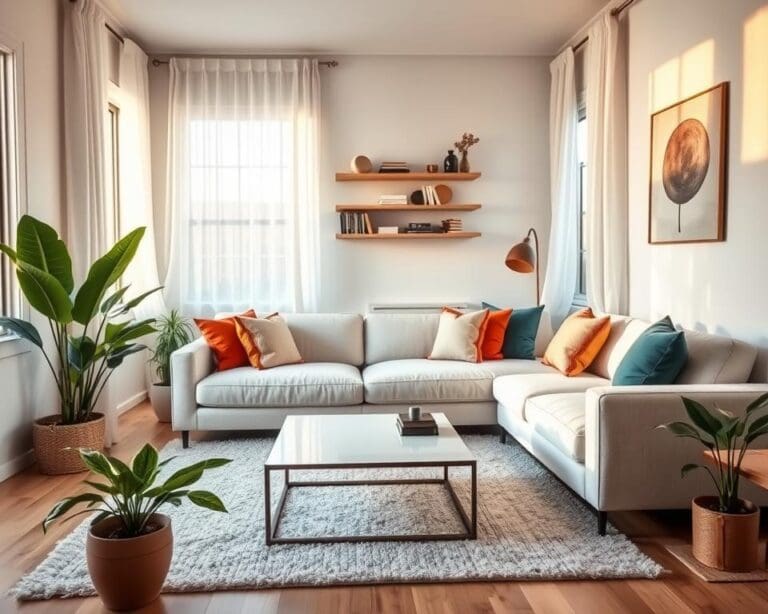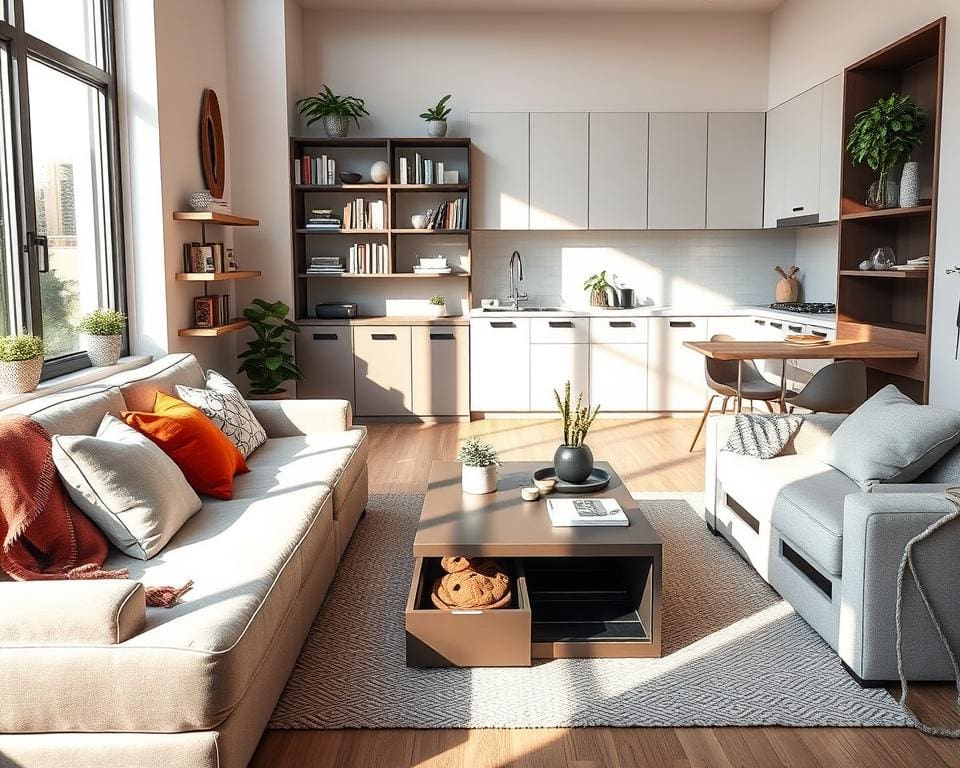
Living space in London, Manchester and Edinburgh is at a premium. Rising rents and smaller flats mean many households must rethink how they store belongings. This article asks a simple question: how do smart storage solutions improve small living spaces, and which options suit UK homes best?
Smart storage for small homes blends design with purpose. From multi-functional furniture to slim wall-mounted units, the right choices free floor space and create calm. These compact living storage ideas help residents keep essentials close while preserving a stylish interior.
Readers will get a practical product-review guide focused on storage solutions UK shoppers can buy today. Expect clear comparisons of durability, sustainability and value for money, plus real-life examples from British flats and studios. The goal is immediate, usable advice so you can choose solutions that match your space, budget and aesthetic.
How do smart storage solutions improve small living spaces?
Smart storage reshapes how compact homes feel and function. By using clever fit-outs and multifunctional pieces you can reclaim floor area, reduce clutter and lift the look of a room. This introduction outlines key ideas before we examine practical details.
Defining smart storage for compact homes
Defining smart storage means more than plastic boxes. It covers solutions that maximise usable space through multifunctional furniture, clever vertical systems, hidden compartments and modular adaptability. Examples range from sofa beds and ottomans to modular shelving such as IKEA BESTÅ and Muuto Stacked, plus bespoke built-in joinery and tech-enabled cabinets.
Key benefits: space-saving, functionality and aesthetic uplift
The benefits of smart storage begin with space-saving moves that convert under-bed voids, behind-door gaps and tall wall areas into useful drawers and shelving. Under-bed drawers can add around 20–30% extra storage compared with a bare bed base. Multifunctional pieces cut the need for duplicate furniture, improving daily flow and access.
Functionality links to time saved and less visual chaos. Well-designed storage makes items easier to locate and maintain. Aesthetic uplift follows when finishes like oak, matte colours or woven textures are chosen to suit modern British interiors. Less visual clutter can also reduce stress and make rooms feel larger.
Real-life examples in UK flats and studios
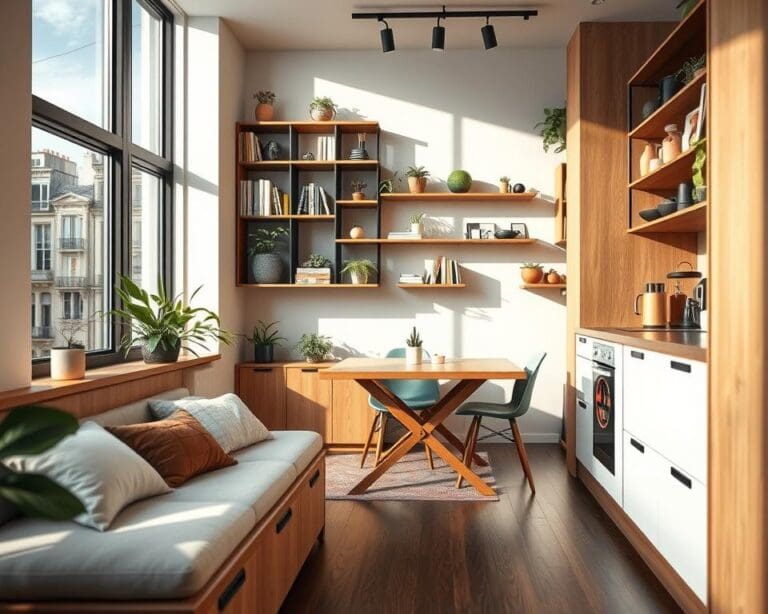
- Central London studio: a wall-mounted folding dining table, floor-to-ceiling shelving and a sofa bed combine living, dining and sleeping within 25–35 m².
- One-bedroom flat in Manchester: built-in wardrobes with integrated drawers and shoe racks plus an ottoman at the bed foot for linens and seasonal clothing.
- Student or rental rooms: stackable modular units and under-bed boxes provide flexible, temporary options that suit landlords and tenants alike.
Retailers such as IKEA, John Lewis & Partners, Made.com and Habitat supply many of these ideas, while bespoke joiners deliver seamless built-in solutions. These practical examples of compact home storage show how considered design unlocks more liveable, calm interiors.
Top smart storage products to consider for small spaces
Choosing the right pieces transforms a cramped flat into a calm, efficient home. Focus on items that combine form and function, suit your layout and match your budget. Below are practical options that perform well in UK homes and score highly among the best smart storage products.
Multi-functional furniture: sofa beds, ottomans and lift-top tables
Multi-functional furniture UK selections give more from less. Modern sofa beds from Habitat and Made.com use improved mechanisms for swift conversion and slimmer mattresses that still feel comfortable.
Look for easy-to-operate systems, mattress type such as memory foam or pocket sprung, and robust fabric with a good Martindale rub count. Weight capacity matters if you host guests regularly.
Storage ottomans hide blankets and toys while acting as seating. Gas-lift hinges add safety and durability, useful in family homes. Lift-top coffee tables add a raised work or dining surface and conceal chargers, remotes and stationery. Check load-bearing capacity and stability before buying.
Consider John Lewis & Partners storage ottomans, Habitat sofa beds and Made.com lift-top tables when shopping for versatile pieces.
Vertical storage systems: wall-mounted shelves and modular units
Vertical storage solutions open floor space and create display areas. Floating shelves or bracketed systems suit living rooms and kitchens alike. Anchor strength depends on wall type; plasterboard needs appropriate anchors or a screw into a stud for heavier loads.
Modular units such as IKEA PLATSA or Stolmen adapt to alcoves and odd layouts. They scale as needs change and allow a tailored fit. Pay attention to weight limits per shelf, ease of installation and finish options that match your palette.
For design-led choices, Muuto Stacked offers a refined look. For budget flexibility, explore IKEA wall systems to mix and match components.
Hidden and integrated options: under-bed drawers and built-in wardrobes
Hidden storage ideas help keep visible clutter to a minimum. Under-bed drawers or gas-lift ottoman beds provide generous space for bulky items like winter coats and extra bedding. Check bed frame height and mattress compatibility to ensure smooth operation.
Bespoke built-in wardrobes and alcove joinery make the most of awkward spaces under stairs and in eaves. Internal organisers, dovetail drawers and soft-close runners improve usability and longevity.
Prefabricated systems such as IKEA PAX and John Lewis fittings offer custom internal configurations with shelves, drawers and pull-out rails. Professional installation may be needed for full joinery; landlords’ approval is advised for rental properties.
How to evaluate and choose smart storage solutions
Deciding on the right storage calls for a clear plan and careful measurement. Start with a simple audit of what you own, where you use it and how often. This process of choosing smart storage will help you buy pieces that fit daily life, not just the room.
Assessing your space and storage needs
Make a list by category: clothing, paperwork, kitchenware and hobby equipment. Note frequency of use so essentials sit within easy reach. This habit of assessing storage needs prevents clutter and creates practical zones for work, rest and eating.
Map problem spots such as hallways, under stairs and above kitchen cabinets. Check door swing, window clearances and any awkward pipework. These observations guide whether to pick freestanding items or bespoke fitments.
Materials, durability and maintenance considerations
Choose materials with the room in mind. Solid wood and plywood last longer. MDF and particleboard save money but resist moisture less well. For kitchens and bathrooms, prefer moisture-resistant or melamine finishes.
Look at hardware quality and warranty lengths when judging storage materials durability. Soft-close hinges and runner ratings indicate long-term performance. Brands like John Lewis & Partners publish clear specifications that aid comparison.
Think sustainability. FSC-certified timber, low-VOC finishes and take-back programmes add value over time. Rattan and woven baskets introduce texture but need gentler care than metal or lacquered surfaces.
Measuring for fit and planning installation
Measure key dimensions: floor-to-ceiling height, wall-to-wall width and depth required for shelves or wardrobes. Allow for skirting, pipework and uneven floors by measuring at several points. Always measure twice.
When measuring for built-ins UK properties often require tolerance for old plaster and uneven joists. Leave room for trimming and ask whether the design needs professional installers. Bespoke joinery usually demands a carpenter; many retailers offer fitting services.
- Tip 1: Use a laser measure for greater accuracy.
- Tip 2: For modular pieces, check how units join and if extras are available.
- Tip 3: Prefer freestanding options if you expect to move home.
Styling and organising tips to maximise impact
Start with a restrained palette to make a room feel larger; light colours and reflective surfaces such as glass or mirrors increase perceived space. Match storage finishes to existing joinery for cohesion, or choose a single contrast piece to add interest. This styling storage solutions approach keeps the eye moving without cluttering the room.
Balance closed and open storage: hide everyday clutter in cupboards and baskets, and use curated open shelving for books, plants and a few decorative objects. Texture softens built-in units — woven baskets, a small rug or tactile cushions will make compact rooms feel warm rather than clinical. These organising tips small spaces help you maximise storage aesthetic while retaining personality.
Practical habits amplify good design. Categorise and label boxes or drawer organisers so items are easy to find, and rotate seasonal belongings into out-of-sight storage. Use hooks behind doors, rail organisers by the hall and slim furniture in entryways as simple small projects; retailers such as John Lewis & Partners, IKEA and Oak Furnitureland offer suitable pieces. Regularly declutter UK homes each quarter and use moisture absorbers in wardrobes to protect belongings.
Finish with a nightly tidy: clear surfaces before bed to maintain calm and reveal the full effect of your smart storage. Small maintenance choices — reupholstering cushions or replacing a hinge rather than the whole unit — extend product life and sustain the look. Thoughtful selection, correct measurement and considered styling turn compact flats into elegant, highly livable homes that maximise storage aesthetic and daily comfort.