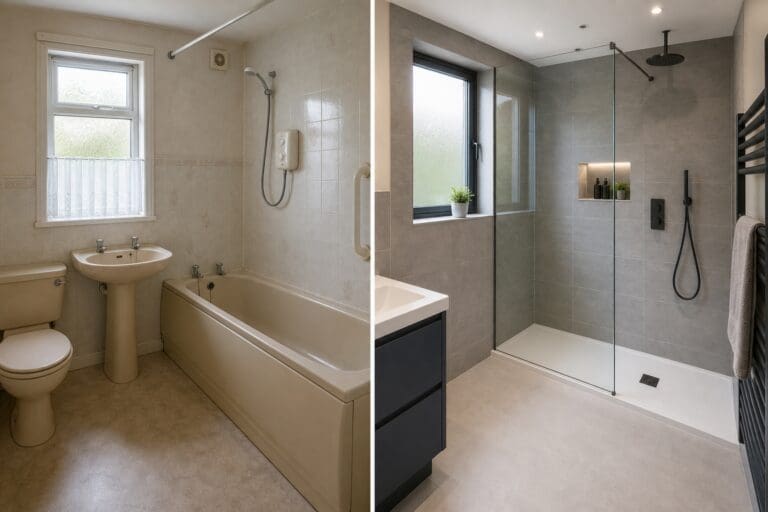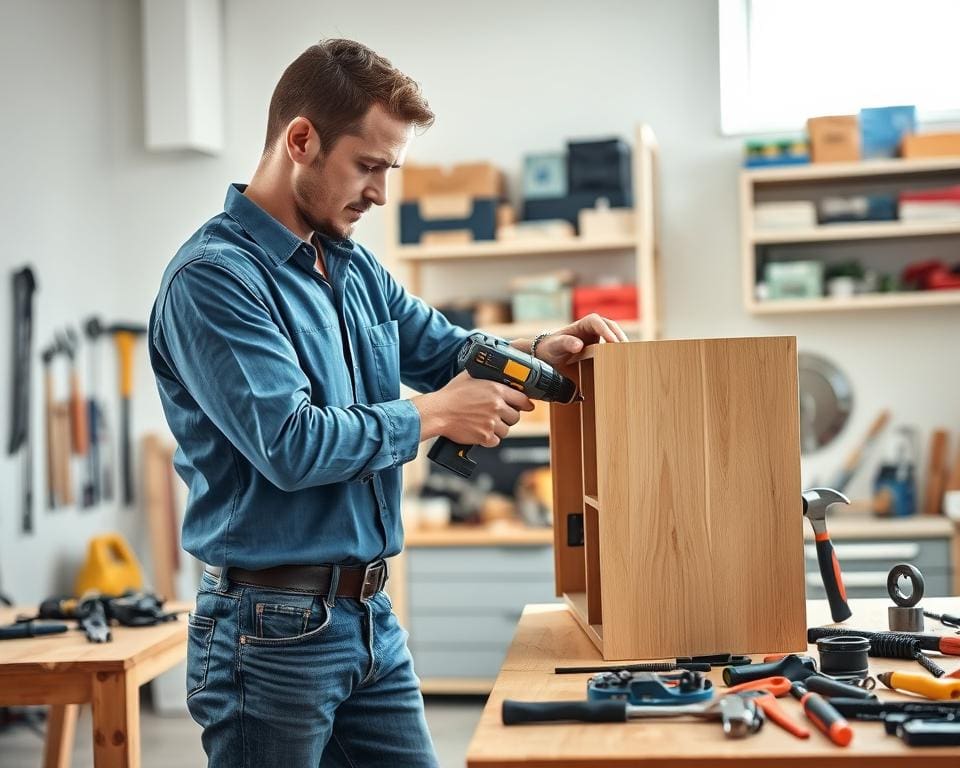
Deciding why use a professional handyman for home repairs starts with a simple truth: good work saves time and worry. For many homeowners and renters in the UK, from terraced houses in Manchester to semi-detached homes in Surrey or flats in central London, hiring a skilled tradesperson makes life easier and keeps properties in better shape.
A professional handyman in a UK context is a multi-skilled tradesperson who handles minor plumbing, carpentry, plastering, painting, flat-pack assembly and general maintenance. They are distinct from specialist tradespeople such as a Gas Safe engineer or a NICEIC-registered electrician, who must be called for certified gas or complex electrical work.
The immediate value of hiring a handyman is clear. Professional handyman benefits include faster turnaround, higher-quality workmanship and reduced stress. These home repair pros also help with safety and compliance and can prevent small issues from becoming costly, whether it is sash window repair, damp treatment preparation or post-storm fence repair.
This article will treat the act of hiring as a product to review. We will assess handyman services UK on cost, quality, safety and selection criteria so you can make an informed choice.
By the end you will know how to assess needs, budget for work, vet candidates, check insurance and guarantees, and decide when to hire a handyman for recurring maintenance versus one-off fixes. If you plan to hire a handyman, these steps will help protect your property and add to long-term comfort and value.
Why use a professional handyman for home repairs?
Choosing a professional for home repairs brings clear, practical gains. Skilled tradespeople combine experience and adaptability to tackle a range of jobs. That mix of reliability and speed is a core reason many homeowners prefer paid help over DIY.
Understanding the core advantages
Quality and experience matter. A trained operative delivers neater finishes and longer-lasting results than most DIY attempts. The benefits of a handyman include fewer return visits and reduced likelihood of hidden faults.
Versatility reduces hassle. One professional can cover several small-to-medium tasks in a single visit, cutting downtime and clutter. This is a principal handyman advantage for busy households.
Reliability and accountability give peace of mind. Many firms and local tradespeople supply written estimates, scheduled appointments and workmanship guarantees. That paperwork helps with budgets and insurance claims.
How professional skills save time and reduce stress
Accurate diagnosis prevents wasted effort. An experienced operative finds root causes, not just surface symptoms, so problems do not reappear weeks later.
Correct techniques limit waste. Professionals use appropriate materials and follow the right sequence of work, from plastering to decorating, which speeds completion and preserves quality.
Administrative ease is another gain. Handymen often provide receipts, handle minor paperwork and liaise with suppliers. Those services reduce time spent chasing parts or filing claims.
Homeowners benefit psychologically. Less worry about ongoing repairs means more time for family, work and rest.
Examples of common tasks a handyman handles in UK homes
Interior jobs typically include patching plaster, painting and decorating, repairing skirting boards, adjusting doors and windows, fitting shelves and curtain rails and assembling flat-pack furniture.
Exterior and maintenance tasks cover gutter clearing, minor fence and gate repairs, decking board replacement, shed repairs and exterior sealing and painting.
Basic plumbing and electrical work within safe limits is offered by many. Examples include replacing taps, fixing leaking toilets and fitting light fittings that do not involve the consumer unit. The benefits of a handyman include knowing when to call a Gas Safe engineer or a NICEIC-registered electrician for mains or gas work.
Garden and seasonal tasks often handled are jet-washing patios, staining fences, installing shed anchors and winter-proofing external pipes. These routine services lengthen the life of outdoor features and prevent costly damage.
Safety note: gas boilers, mains electrical work and structural alterations must always be referred to certified tradespeople for legal and safety reasons.
Cost, value and budgeting for professional handyman services
Understanding the true cost of home repairs helps households plan with confidence. This section lays out practical figures, hidden expenses and simple budgeting steps so readers can weigh handyman pricing against DIY efforts and see where genuine cost savings handyman work can bring value.
Comparing DIY costs versus hiring a professional
Typical UK rates give a quick guide when planning jobs. Hourly handyman pricing commonly falls between £25–£50 depending on region and skill. Many common tasks use fixed fees: flat-pack assembly might range from £40–£120, while a tap replacement often sits between £80–£200. These figures vary with complexity and parts.
DIY work appears cheaper at first. Hidden DIY costs change the picture: your time, repeated trips to stores, buying or hiring tools, wasted materials and the cost of rework can add up. A careful quality-adjusted view often shows professional workmanship lowers lifetime costs because repairs last longer and need fewer returns.
How professionals can prevent expensive mistakes
Small errors can create major bills. Poor tiling that lets water through can lead to rot under floors. Incorrect sealing invites damp. Unsafe electrical work raises fire risk. These issues often demand costly remedial trades, not just a quick redo.
Experienced tradespeople use the right materials and techniques. Proper waterproofing in bathrooms, correct fixings for masonry and suitable sealants prevent progressive damage. Professionals carry paperwork and invoices that support insurance claims after incidents. Many operatives hold public liability insurance which covers accidental damage during work.
Ways to estimate and budget for recurring and one-off repairs
Start with a repair fund you can access when needed. A common approach is saving a percentage of household income or aiming to set aside 1–3% of property value annually. Practical contingency funds often range from £500–£2,000 depending on property age and condition.
- Prioritise tasks: urgent (safety or structural), necessary (prevent more damage), cosmetic (low priority).
- Obtain at least two written quotes with itemised costs for labour, materials and call-out fees.
- Ask about fixed-price jobs versus hourly billing to control surprises in handyman pricing.
Plan seasonal maintenance to smooth spending. Routine jobs like gutter clearing and boiler checks scheduled annually reduce emergency call-outs. Treat these tasks as part of your budget for home repairs and they become predictable, not punitive.
Quality, safety and compliance benefits of hiring a handyman
Bringing a professional handyman into your home lifts standards, reduces risk and protects your investment. Trained tradespeople know when a job is straightforward and when it needs a certified specialist. They can explain paperwork, offer sensible product choices and leave you with clear next steps.
Standards, certifications and insurance considerations in the UK
Certain tasks must be passed to accredited teams. Gas work needs Gas Safe registration. Some electrical projects require NICEIC or inclusion on the Electrical Safety Register. Window replacements may call for FENSA certification.
Check documentation before work starts. Ask for proof of public liability insurance and written estimates. Typical public liability insurance cover ranges from £1 million to £5 million for domestic jobs. Request confirmation of handyman qualifications UK when relevant and look for TrustMark, Federation of Master Builders or Checkatrade membership for extra assurance.
Insist on certificates for electrical or gas work. Keep receipts and VAT invoices where applicable. DBS checks are sensible when anyone will be working in an occupied home for long periods.
Health and safety: reducing hazards and ensuring safe repairs
Experienced operatives follow safe practices. They guard sharp tools, set ladders securely and control dust when cutting or sanding. Correct disposal of hazardous waste, such as old paint, protects both householders and the environment.
Small improvements can cut household risk. Properly fixed handrails, secure shelving and well-fitted doors and windows reduce trips and improve home security. Ask about COVID-19 sensible measures if you prefer additional hygiene precautions.
Longevity of repairs and workmanship guarantees
Reputable tradespeople offer a workmanship guarantee. These are commonly short-term, from 30 days up to 12 months depending on the job. Obtain the guarantee in writing and check what it covers.
Professionals recommend reliable brands and materials to extend the lifespan of repairs. Choices such as Ronseal for wood treatments, Dulux or Farrow & Ball for paint and supplies from B&Q or Wickes often feature in their plans.
Aftercare advice matters. A handyman can explain repaint cycles, re-sealant schedules and maintenance steps that protect warranties. Confirm that your handyman has suitable handyman insurance UK and understand the scope of any workmanship guarantee before work begins.
Choosing the right professional handyman: tips and review criteria
When you choose a handyman UK, start with local references and verified profiles. Check Google Reviews, Trustpilot, Yell, Checkatrade or Rated People and ask neighbours or community groups for firsthand experience. Read several reviews to spot patterns: consistent praise for punctuality and workmanship matters more than a single five‑star note.
Use a simple vet a handyman checklist at the first contact. Ask for a detailed written quote, materials specification, estimated completion time, insurance details and guarantee terms. Question availability, lead times and cancellation policy, and request photos of past work or references for similar projects such as sash window draught‑proofing or gutter repairs.
When hiring, weigh value over the cheapest bid. Prioritise clear communication, punctuality and demonstrated craftsmanship. For small jobs prefer little or no deposit; for larger works insist on a written contract with milestones and a payment schedule. Local tradespeople often understand Victorian brickwork and common damp hotspots, and they can respond faster for follow‑ups.
After completion, use a completion checklist to confirm every item on the estimate is done, keep receipts and photos, and get guarantees in writing. Leave an honest handyman review to help others and encourage accountability. For ongoing care, consider scheduled maintenance plans, task bundling to reduce call‑out fees and eco‑conscious fixes such as draught‑proofing or LED upgrades to add value and cut bills.