Steel beam installation answers a simple but vital question for homeowners across the United Kingdom: how can internal spaces be altered safely without undermining the building? Steel beams — typically rolled steel I‑beams, universal beams (UB) or RSJs — are engineered members introduced to carry loads that were once borne by masonry or timber load‑bearing walls. This allows remodels such as open‑plan living while maintaining structural repairs and stability solutions.
At a high level, a correctly specified steel beam redistributes vertical and lateral loads to prevent progressive collapse. It reduces deflection and vibration, limits settlement‑related stress and improves long‑term building integrity and protection. These gains are crucial for older homes in Kent, East Sussex and beyond where masonry and timber frames need reinforcement.
Professional structural repairs with Fortify Construction and specialist contractors listed on fortifyconstruction.co.uk often combine steel beam installation with concrete repair services, foundation stabilisation services and structural strengthening and underpinning solutions. Together, these measures create durable, compliant outcomes that meet structural work safety standards in the United Kingdom.
How does steel beam installation support structural alterations?
Steel beam installation is a decisive step in many renovation projects. After a detailed survey and engineering design, teams introduce a new primary member to carry loads previously taken by walls. This work sits at the heart of structural works for residential properties such as loft conversions, basement openings and open-plan remodelling.
Defining steel beam installation within structural works
Steel beam installation is a structural intervention that follows calculations and drawings from a chartered structural engineer. Typical materials include structural steel grades S275 and S355 supplied by recognised manufacturers like British Steel and cut to length with protective treatments applied.
The process is more than fabrication. Certified installers, building control officers and engineers coordinate lifting, temporary propping and final connections to ensure compliance. This collaborative approach makes these works suitable for many structural repairs and stability solutions in domestic settings.
Role of steel beams in replacing or altering load-bearing walls
Load-bearing walls transfer loads from roofs, floors and upper storeys down to foundations. When such a wall is removed or altered, a horizontal replacement is required to accept those loads.
Common uses include creating open-plan living spaces by removing partitions between kitchen and lounge, supporting first-floor joists after removing internal walls, and installing moment or composite beams where hinge conditions demand rigidity.
Correct bearing details, end-plate design and support onto masonry pads, padstones or steel columns are essential to avoid overstressing foundations and to ensure reliable load-bearing wall repairs.
How steel beams distribute loads and improve long-term building integrity and protection
Beams carry bending moments and shear, transferring forces to columns or bearing walls which then convey them to foundations. Appropriate section selection controls deflection and stress levels so floors remain level and occupants stay safe.
Steel’s ductility and predictable mechanical properties reduce the risk of brittle failure. Buildings can accommodate some differential settlement with less visible damage than brittle masonry alone.
Combining steel beams with underpinning, foundation stabilisation services and concrete repair services addresses both superstructure and substructure needs. This holistic approach boosts long-term building integrity and protection from moisture, corrosion and progressive deterioration.
Corrosion protection such as hot-dip galvanising or robust paint systems, together with scheduled inspections, forms a simple plan to preserve performance and extend service life.
Planning and surveying for structural alterations and stability solutions
Good planning starts with detailed assessment. A clear record of existing construction, materials and site conditions helps teams and clients understand risks. Initial structural surveys look for cracks, sagging floors, bulging walls and foundation movement. They check ground conditions and drainage, noting nearby trees that may affect stability.
When signs of settlement, poor original foundations or newly imposed loads appear, underpinning or other reinforcement may be needed. A Charterered Structural Engineer should prepare calculations and a scope of remedial works, then liaise with building control for approvals. This approach ties initial structural surveys to long-term structural strengthening and underpinning solutions.
Calculating loads requires careful attention to dead loads from structure and finishes, imposed loads from occupancy and furniture, and any point loads. Span length, support conditions and temporary loads during installation all influence beam choice. Engineers follow BS EN 1993/Eurocode 3 and the UK National Annex when selecting sections and checking deflection limits.
Choice of beam type, whether universal beam, universal column or plate girder, must control bending stresses and avoid lateral‑torsional buckling. Calculations account for connections, end bearing and eccentricities. Fire protection needs are included where regulations or site risk demand extra measures.
Coordinating foundation stabilisation services with steel installation keeps load paths aligned. If underpinning is required, options include mass concrete underpinning, mini‑pile systems or resin injection, chosen to suit ground conditions and new beam loads. Sequencing works prevents overload of temporary propping and preserves stability.
Concrete repair services address corroded foundations, defective padstones and damaged ground beams. Repairs may use galvanised plates, grout reinstatement and careful preparation of bearing areas to ensure a durable interface with new steelwork. Selecting contractors experienced in combined interventions delivers smoother programmes and reliable structural repairs and stability solutions.
Clients in Kent and East Sussex can benefit from expert structural solutions in Kent and East Sussex that blend survey, design and remedial trades. Integrated teams reduce delays and give confidence that underpinning, foundation stabilisation services and concrete repair services match the requirements set out when calculating loads and designing strengthening works.
Installation process and compliance with structural work safety standards
A clear, safe installation process keeps projects on time and protects people and property. This section outlines practical steps for preparing the site, the key stages of steel beam installation and the regulatory checks needed for structural works for residential properties.
Preparing the site and temporary propping during load-bearing wall repairs
Erect safe access and dust containment before any work starts. Locate and protect services such as gas, water and electricity to avoid disruption and danger. Check for hazardous materials, including asbestos, and arrange safe removal if found.
Install temporary supports and acrow props with Strongboys where the opening will be formed. For any significant span or load, the temporary works design must be signed off by the responsible structural engineer. Monitor props daily and remove supports progressively under engineer supervision to avoid sudden load shifts.
Maintain exclusion zones and enforce PPE for everyone on site. Keep a written log of inspections and adjustments to temporary propping to demonstrate due diligence during load-bearing wall repairs.
Cutting, welding and bolting: practical steps in steel beam installation
Mark the opening to the engineer’s template and cut masonry precisely. Place bearing pads or padstones per the specification to transfer load onto the new support.
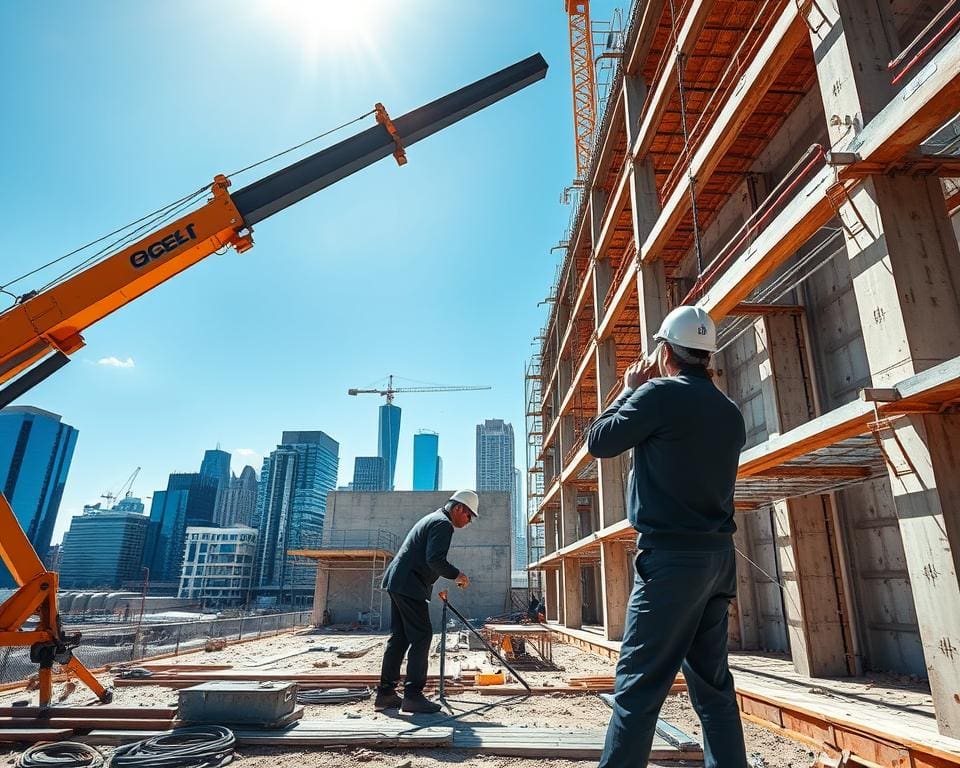
Move the beam into position using a mobile crane on larger sites or temporary jacks in confined residential spaces. Set the beam to the correct level and alignment before securing it.
- Use bolted end-plates where possible to reduce on-site hot work and speed installation.
- When welding is necessary, hire certified welders and arrange appropriate testing such as non-destructive testing if specified.
After connection, apply corrosion protection by priming, painting or galvanising. Add fire protection using intumescent paint or board encasement as required. Reinstate finishes so the work matches the property and leaves a neat appearance.
Meeting structural work compliance and safety standards in the United Kingdom
Follow Building Regulations in England, notably Approved Document A, and design to BS EN 1993 (Eurocode 3) for steel. Consult Health and Safety Executive guidance on demolition, cutting and hot work to reduce risk during cutting welding bolting operations.
Notify and obtain approval from local Building Control or an Approved Inspector before major structural alterations. Provide structural calculations, drawings and the competent person declaration when requested.
Choose contractors who supply full project documentation, CDM compliance and warranties. Professional firms such as Fortify Construction and similar specialists typically offer certification and guarantees that support long-term protection and demonstrate structural work compliance and safety standards.
Benefits of professional structural repairs and expert solutions
Engaging accredited contractors for structural repairs delivers clear safety and compliance advantages. Professional teams work to UK Building Regulations, Eurocodes and HSE guidance, reducing legal exposure and ensuring temporary works and permanent fixes meet required standards. That compliance underpins long-term building integrity and protection for homeowners and developers alike.
Accurate design from Chartered Structural Engineers ensures the right steel beam sections, connections and durability measures are specified. Corrosion protection and appropriate fire resistance extend service life, while correct calculations avoid costly remedial work. These factors define the core benefits of professional structural repairs and expert solutions.
Skilled contractors provide integrated structural repairs and stability solutions, coordinating beam installation with underpinning, foundation stabilisation and concrete repair work. This whole-building approach resolves both superstructure and substructure issues, minimises disruption and keeps costs under control by sequencing trades effectively and reducing on-site delays.
Local expertise matters. Choosing reputable local firms for expert structural solutions in Kent and East Sussex — including structural repairs with Fortify Construction — brings rapid response, knowledge of ground conditions and established relationships with Building Control. For practical outcomes, clients gain usable open-plan space, higher property value and peace of mind from warranties, documented inspections and ongoing maintenance advice. Commissioning a structural survey and consulting Chartered Structural Engineers is the next step to realise safe alterations and protect your investment.