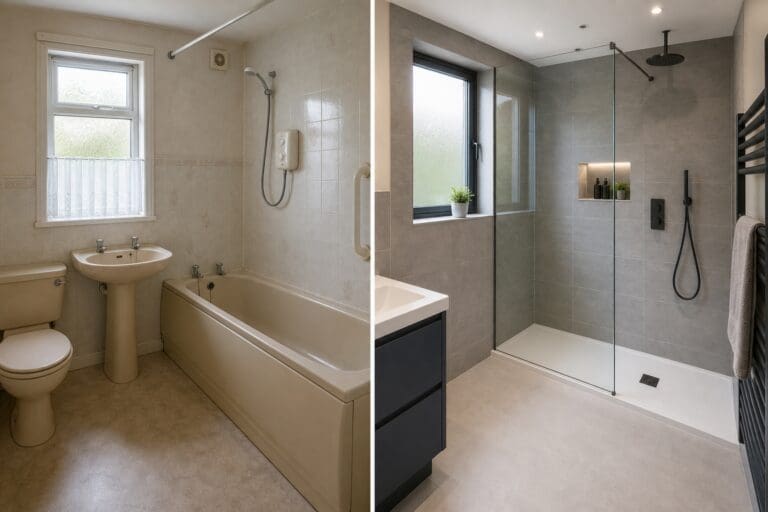
Reliable plumbing is the backbone of a safe home. Proper plumbing ensures delivery of safe potable water, removes wastewater promptly and controls drainage to prevent backflow. These functions reduce exposure to pathogens and chemical contaminants, directly supporting family wellbeing.
In the UK, the importance of plumbing is reinforced by regulation and public services. The Water Supply (Water Fittings) Regulations and building regulations set standards for sanitation and drainage, while water companies such as Thames Water and United Utilities play a key role in safeguarding supply quality and home water safety.
Beyond health, investing in healthy home plumbing makes economic sense. Sound systems cut long-term repair costs, protect property value and bring peace of mind to homeowners and tenants. Small upgrades and regular maintenance pay dividends over time.
This article will explore plumbing and health UK issues in more detail, covering water quality, mould and damp prevention, effective sanitation and waste removal, warning signs of failure and practical maintenance steps. With informed actions and professional support, proper plumbing can transform a house into a healthier, safer home.
Why is proper plumbing essential for healthy homes?
Good plumbing protects health, preserves buildings and gives peace of mind. Simple design choices and steady upkeep keep drinking water safe, stop leaks that feed mould and ensure waste leaves a property cleanly. This short guide explains practical plumbing actions that make homes healthier and more resilient.
Protecting water quality and preventing contamination
Correct pipe materials, sound jointing and pressure regulation reduce the risk of cross-contamination. Devices such as air gaps and certified backflow preventers provide backflow prevention UK homeowners can rely on to prevent contaminated water from re-entering supply lines.
When plumbing is faulty, sewage ingress, soil pollutants or bacterial growth can affect the taps. Poorly maintained hot-water systems may harbour Legionella. Routine safeguards include use of WaterSafe-registered plumbers, WRAS-approved fittings and regular testing for private water supplies.
Limescale and corroded pipework can harbour bacteria and leach metals into water. Installing softeners where appropriate and choosing corrosion-resistant materials such as copper or PEX reduces those risks and supports long-term plumbing and water quality.
Reducing health risks from mould and damp
Leaks, blocked wastes and failed seals drive persistent damp and higher humidity that encourage mould. Once present, mould can aggravate asthma, allergic rhinitis and increase respiratory infections, lowering indoor air quality.
Quick repairs of leaks, correct sealing around baths and showers and functional ventilation in bathrooms and kitchens help prevent plumbing mould damp. Clearing external drains and gutters avoids water pooling against walls that leads to rising damp.
Planned maintenance and prompt attention to damp signs protect occupants and fabric of the building. Accredited installers trained to British standards ensure repairs stop recurring problems rather than masking them.
Maintaining effective sanitation and waste removal
Proper gradients, trap seals and venting stop sewer gases from entering living spaces and ensure solids and liquids are carried away efficiently. These simple principles underpin good sanitation and waste removal across all property types.
Blocked sewers or broken drains cause foul odours, overflowing waste and contamination of gardens. Wastewater escapes can create environmental offences under UK regulation, so early action matters for public health and legal compliance.
Adopt correct disposal habits, install macerators or grease traps where needed and schedule maintenance such as drain rodding or CCTV inspections for older properties. Using accredited installers and following UK standards reduces risk and protects household health.
Signs of plumbing problems and their impact on home health
Spotting early plumbing problem signs can protect your home and health. A clear sense of what to watch for helps you act before damage spreads. Read the cues below and learn when to call for professional help.
Common warning signs to watch for
Visible staining on ceilings or walls, persistent damp patches, peeling paint and a musty smell are classic damp warning signs. These often point to hidden leaks or rising damp.
Slow-draining sinks, baths and showers, gurgling pipe noises and repeated blocked toilets show drainage issues. Sudden drops or spikes in water pressure should never be ignored.
Unexpected rises in water bills without extra use may signal hidden leaks. Discoloured water or a metallic taste at the tap can indicate pipe corrosion or contamination.
Outside, lush patches of grass, wet garden spots or sinkholes can reveal buried leaks. Such leaking pipes symptoms may be subtle at first, yet they spoil lawns and undermine paths.
Health and structural consequences if issues are ignored
Chronic damp and mould from unchecked leaks can worsen asthma, trigger allergies and disrupt sleep. Contaminated water risks gastrointestinal illness and serious infections for vulnerable people.
Persistent moisture weakens plasterboard, timber joists and floorboards. Structural damage from plumbing can lead to wood rot, settlement and costly rebuilding work.
Winter freeze-thaw cycles also stress pipes. A burst pipe can flood rooms and cause widespread loss of possessions and essential services.
Left untreated, small leaks can escalate into major repairs. The financial and environmental toll rises when sewage or contaminated water reaches drains and waterways.
When to call a qualified plumber
Call immediately for burst pipes, sewage backups, major flooding or any gas-related fault on water heaters. These situations need urgent, expert attention to keep people safe.
For recurring blockages, unexplained damp, water pressure problems or suspected contamination, choose a WaterSafe-registered plumber. If heating appliances are involved, seek a Gas Safe-registered engineer.
- Expect diagnostics such as pressure tests, leak detection and CCTV drain surveys.
- Seek clear cost estimates, safety-compliant repairs and any required certification.
- For complex installs, consult the Chartered Institute of Plumbing and Heating Engineering or contact local authority environmental health for private water supplies.
Practical steps to ensure proper plumbing for a healthier home
Regular checks form the backbone of any effective home plumbing checklist. Inspect visible pipes, look under sinks for damp or corrosion, and listen for slow drains. Keep an eye on boiler and cylinder service dates to reduce Legionella risk, and monitor water bills and meter readings to spot hidden leaks early.
Simple upgrades and protections deliver big benefits. Fit strainers to sinks, insulate exposed pipes against winter bursts, and consider WRAS-approved fittings, PEX piping and pressure-reducing valves to extend system life. Thermostatic mixing valves and well-maintained hot-water systems cut scald risk while keeping temperatures high enough to control bacteria. Certified carbon filters can help where taste or contamination is a concern.
Everyday habits matter as much as parts. Never flush wet wipes or pour grease down drains, and teach household members sensible water use to prevent blockages. Use bathroom and kitchen extractor fans during and after use to reduce humidity and help prevent mould UK. Promptly dry any areas affected by leaks to limit damp and mould growth.
When to hire a plumber and how to plan ahead: arrange annual boiler and heating inspections, periodic drain surveys for older properties, and servicing for pumps or macerators. Build a relationship with a WaterSafe-registered, insured local company and consider a maintenance contract for peace of mind. With regular care, informed upgrades and timely professional help, these plumbing maintenance tips show how to maintain plumbing as an investment in family wellbeing and long-term property resilience.