Waterproofing is the deliberate process of preventing water ingress into basements and below‑ground spaces. In practical terms, basement waterproofing UK work uses materials and design to keep these areas dry and safe for storage, living or utility use. The objective is simple: stop water before it damages structure, finishes or possessions.
For homeowners, landlords and builders in the United Kingdom, the stakes are high. Frequent rain, high seasonal groundwater in parts of the UK and older masonry, such as Victorian solid walls, make damp prevention basement a priority. Modern building regulations like Approved Document C also shape how we protect foundations and structural fabric.
Effective waterproofing protects the load‑bearing concrete and brickwork, preserves indoor air quality by reducing mould risk, and prevents the peeling, staining and decay that come with persistent moisture. Those benefits extend to the wallet: fewer costly structural repairs, less recurring remedial work and stronger resale prospects thanks to a clearly waterproof basement.
This guide is written for UK homeowners, property managers, renovators and tradespeople who need clear, authoritative advice. The following sections explain how waterproofing protects structure and health, how to spot warning signs, the solutions suited to different wall and soil types, and the maintenance routines that keep a waterproof basement working for years.
Why is waterproofing important in basements?
A dry basement is the foundation of a healthy, long‑lasting home. Effective structural damp protection stops water from weakening brickwork, concrete block and poured concrete. It reduces freeze–thaw damage, spalling and corrosion of steel reinforcement that lead to costly structural repairs.
Hydrostatic pressure from high groundwater or poor external drainage forces water through joints and cracks. Good waterproofing systems such as external membranes, internal tanking and drainage channels relieve that pressure and help to protect foundations from water over the long term.
Damp, mould and mildew flourish in cool, humid spaces. Common indoor fungi like Aspergillus and Penicillium spread on damp surfaces and can affect breathing, trigger allergies and aggravate asthma in children and sensitive adults. Waterproofing cuts humidity and condensation, aiding basement mould prevention and improving indoor air quality.
Rising damp and penetrating damp cause staining, timber decay and insulation breakdown. Left unchecked, they produce musty odours and ruin fixtures. Timely damp proofing preserves materials and reduces ongoing maintenance, which helps to reduce repair costs waterproofing removes repeated patchwork fixes.
Buyers and surveyors take note of historic damp. A well executed waterproofing programme can maintain property value damp proofing and increase usable living space. That improvement often reflects positively in RICS reports and Home Reports, making a property more attractive to mortgage lenders and purchasers.
For landlords and managers, planned waterproofing is a practical investment. Membranes and drainage installations can last decades with routine checks. Sump pumps need servicing, yet prevent repeated flood damage. Prioritising these measures will reduce long‑term repair and maintenance costs and limit tenant disruption.
Protecting structural integrity and foundations
Persistent ingress accelerates mortar loss and undermines foundations. Targeted measures stop movement and extend the building’s lifespan.
Preventing damp, mould and health hazards
Lowering humidity curbs mould growth and protects occupants’ health. Addressing moisture early keeps indoor air fresh and safe.
Maintaining property value and resale appeal
Professional damp proofing reassures buyers and insurers. A dry, usable basement lifts market appeal and supports higher valuations.
Reducing long-term repair and maintenance costs
One planned intervention beats repeated reactive repairs. Long‑lasting systems reduce lifetime costs and preserve the fabric of the building.
Signs your basement needs waterproofing and how to spot them
A wet basement does not always announce itself loudly. Small clues build into a clear picture if you learn to recognise them. This section guides you through visible and hidden warning signs and explains when to call waterproofing surveyor for a full assessment.
Visible indicators
Look for tide marks and dark patches on walls or the floor after rain. These water stains often show where moisture penetrates. You may notice flaking or blistering paint and plaster where damp has lifted finishes. Pooling water or persistent damp patches point to poor external drainage or failed membranes.
White, powdery deposits are a key sign. Efflorescence on basement walls appears when moisture carries soluble salts to the surface and leaves them behind as the water evaporates. This calcite dust often signals rising or penetrating damp at an early stage and should prompt closer inspection.
Hidden signs
A musty smell basement occupants describe as earthy or mouldy is a strong indicator of prolonged damp, even if water is not visible. Dehumidifiers may reduce that odour, yet they do not fix the source of moisture.
Check timber and stored items. Warped skirting boards, swollen doors and cupped floorboards show moisture has affected organic materials. Cardboard boxes, textiles and furniture that deteriorate in storage hint at chronic humidity problems.
Rising damp signs can include a horizontal tide mark up internal walls and salt deposits at skirting level. Damp plaster that stays wet and will not dry out may be a symptom. True rising damp is less common than often thought. A professional diagnosis is needed to confirm the cause.
When to call a professional for a survey
Contact a qualified damp and timber surveyor, structural engineer or waterproofing specialist if signs recur, spread rapidly or affect health. Seek help for active flooding, visible structural cracks, severe mould or when prior patch repairs have failed repeatedly.
Choose surveyors accredited by recognised UK bodies, such as the Property Care Association or the Chartered Institute of Building. Ask for a written report with cause analysis, photographs and recommended remedial actions. Professional surveys may include moisture mapping, thermal imaging, borehole inspections, drainage checks and laboratory analysis of samples.
Waterproofing methods and solutions for UK homes
Choosing the right waterproofing route can protect a basement for decades. Below is a practical outline of common approaches, where they fit best and what homeowners in the UK should expect for cost and time.
Internal waterproofing: tanking, sealants and sump pump systems
Internal waterproofing tanking means applying cementitious or polymer-based coatings to internal walls and floors. It suits properties where external excavation is impractical or when a faster repair is needed.
Specialist crystalline treatments penetrate concrete pores to reduce water passage. Epoxy or polyurethane injections seal hairline cracks and stabilise leaks without full excavation.
A basement sump pump forms part of a pumped drainage system that collects water and expels it away from the property. Regular checks are vital: annual servicing, test of check valves and a battery backup for outages help keep a sump reliable.
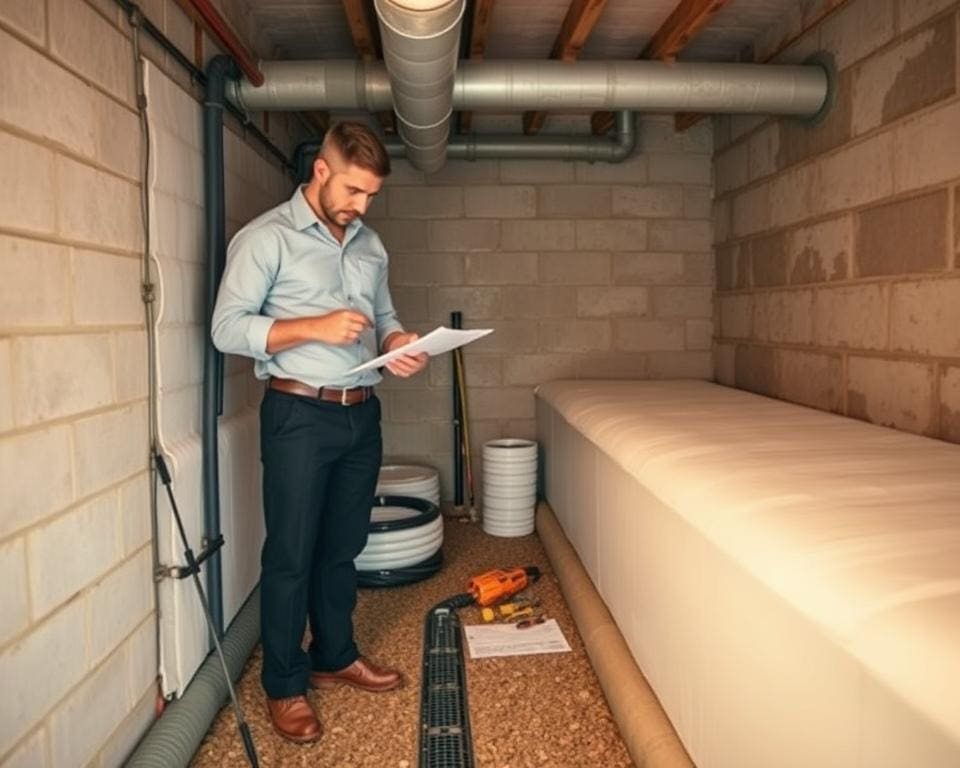
Cavity drain membranes and internal drainage channels capture water at the wall/floor junction and direct it to a sump. This approach works well when converting basements to habitable rooms and avoids major external disruption.
External waterproofing: membranes, drainage systems and excavation
External membrane waterproofing uses bituminous or polymeric sheets bonded to the outside face of the wall. This usually pairs with perimeter drains to reduce hydrostatic pressure.
Upgrading the external damp-proof course and installing French drains or land drains can divert surface water away from foundations. In many cases reinstating cavity insulation and improving ground falls are part of the scope.
Excavation and full external waterproofing are recommended for persistent external penetration or severe hydrostatic pressure. These works often come with warranties and may require local authority checks if connecting drains or installing soakaways.
Appropriate solutions for different wall types and soil conditions
For waterproofing for brick walls, choice depends on exposure and condition. Solid brick or stone walls may need external membranes when heavily exposed to ground moisture. Internal tanking can be sufficient for moderate damp.
Concrete walls respond well to crystalline treatments or bonded external membranes. Clay soils hold water and create strong hydrostatic pressure; they often require external drainage and robust membranes.
Sandy, free-draining soils pose lower subsurface risk, though poor surface water control can still cause issues. Coastal sites or contaminated ground may need specialised materials and environmental checks before work begins.
Cost considerations and typical timescales for works
Minor internal repairs and sealant work can be completed in a few days. Internal tanking or membrane installations typically take several days to a week, depending on room size and drying times.
Full external excavation with membranes and new drainage commonly takes several weeks. Timescales vary with access, weather and any required permissions.
- Basement drainage cost UK: minor internal fixes sit at the lower end of budgets; tanking and internal membrane systems are mid-range.
- Full external excavation ranks highest in cost because of labour, scaffolding and reinstatement works.
Always obtain multiple itemised quotes and allow budget for plaster replacement, floor finishes and redecoration. Planning permissions or party wall agreements can extend waterproofing timescales and may add to overall expense.
Preventative maintenance and best practice for a dry basement
A simple waterproofing maintenance checklist helps protect your home and keeps usable space healthy. Start with external checks: clear gutters, downpipes and drains so rainwater is carried well away from foundations. Ensure ground falls slope away from the property and avoid piling soil against external walls, which can hide damp and add pressure.
Inside, follow regular routines to prevent problems. Inspect sump pumps monthly and arrange a professional service annually; test battery backups and float switches and keep the pit free from debris. Monitor humidity with a hygrometer and aim for relative humidity below 60% — use mechanical ventilation, dehumidifiers and measured heating to prevent mould in converted basements.
Maintain coatings and finishes to extend performance. Repaint or repair internal tanking, sealants and breathable masonry products as manufacturers recommend. Store belongings in plastic boxes on shelving and avoid cardboard on the floor. When fitting out a basement, choose moisture-resistant plasterboard, treated timber and suitable flooring underlays to resist long-term deterioration.
Work with accredited professionals for major works and secure written guarantees for materials and workmanship; PCA-accredited contractors and Chartered surveyors offer recognised standards. Keep records of surveys, receipts and reports to support insurance or future sales. These basement maintenance tips form a standing plan to prevent basement damp, help keep basement dry UK, and protect investment, health and comfort for years to come.