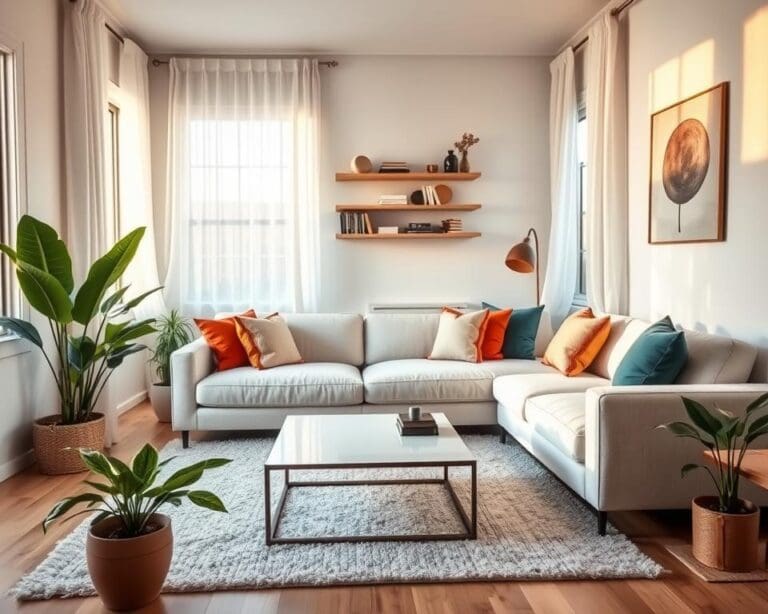
Integrated storage transforms how a home functions and feels. In the UK, where space in city flats and Victorian terraces is often limited, built-in storage advantages mean more than neat shelves: they create flow, free up floor space and offer a seamless storage solution that complements the room’s architecture.
By fitting wardrobes, under-stair cupboards, bespoke kitchen panelling and recessed niches, homeowners replace freestanding furniture that interrupts movement and sightlines. This approach helps declutter home surfaces, gives every item a designated place and speeds simple tasks such as dressing or unloading groceries.
The practical gains are measurable. Integrated storage benefits include quicker retrieval times for everyday items and fewer minutes spent tidying each week. For many families, that adds up to hours reclaimed for work, rest and play.
Beyond convenience, integrated storage can boost property appeal and usable square footage. Thoughtful storage solutions UK buyers value—particularly in compact London flats or period homes—often translate into higher resale interest and a stronger sense of long-term quality of life.
This article will explore definitions, psychological and practical benefits, design principles and clear steps to adopt integrated storage at home, so you can improve organisation with smart, stylish solutions that last.
How can integrated storage improve organisation?
Integrated storage is a design approach that weaves storage into the very fabric of a home rather than adding freestanding pieces. This method turns awkward gaps and alcoves into useful zones and makes day-to-day life feel smoother. The short paragraphs below outline what is integrated storage, the role of integrated storage in modern homes, the psychological and practical gains of a cohesive plan, and practical storage solution examples that lift order and calm.
Defining integrated storage and its role in modern homes
At its simplest, integrated storage is built-in furniture or fittings such as fitted wardrobes, built-in bookcases and kitchen pantries with pull-outs. It includes utility cupboards, under-bed drawers, window-seat storage, recessed bathroom medicine cabinets and in-wall charging stations. These elements become part of the layout rather than temporary additions.
There are three common approaches: bespoke joinery made by local joiners or specialist cabinetmakers, semi-custom fitted systems like PAX-style wardrobes, and modular integrated units that can be reconfigured. Retailers and makers in the UK range from fitted kitchen brands such as Howdens and Wren to John Lewis fitted services and premium names like B&B Italia for contemporary joinery. Contractors and carpenters often coordinate planning, site work and finishes.
Practical points matter. Most internal fit-outs do not need planning permission, but structural modifications can trigger building regulations. Think about ventilation for enclosed storage and moisture control in bathrooms to avoid damage or mildew.
Psychological and practical benefits of a cohesive storage plan
Well planned storage reduces mental clutter. The home organisation psychology here is simple: a predictable place for items lowers decision fatigue and creates calm. People report higher focus and less stress when routines are supported by clear storage zones.
Ergonomics plays a role. Storing frequently used items at waist-to-eye level reduces strain and speeds routines. That small change improves daily flow and raises satisfaction with how a space functions.
On the practical side, integrated storage streamlines chores and preserves possessions. Pull-out pantries and dust-free shelving keep goods accessible and in better condition. Family homes benefit from secure toy storage, cord management and safer circulation in narrow hallways. There are economic upsides too: a thoughtful storage scheme can boost property appeal and resale value while avoiding the cost of extensions.
Examples of integrated storage solutions that boost organisation
- Entryways: a built-in bench with shoe cubbies and coat hooks centralises outbound routines and reduces hallway clutter.
- Kitchens: integrated pantries with pull-out drawers, built-in appliance garages and in-cabinet waste sorting keep worktops clear and tasks efficient.
- Bedrooms: floor-to-ceiling fitted wardrobes with bespoke internal layouts, shoe racks and integrated lighting improve visibility and care for clothing.
- Living rooms: media walls with recessed cabinets and cable management, window-seat storage for linens, and built-in shelving with concealed cupboards for toys and games.
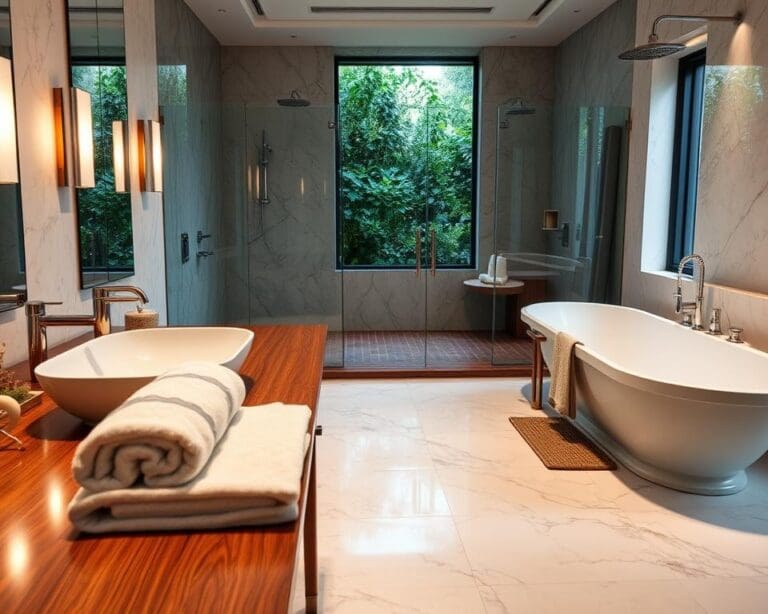
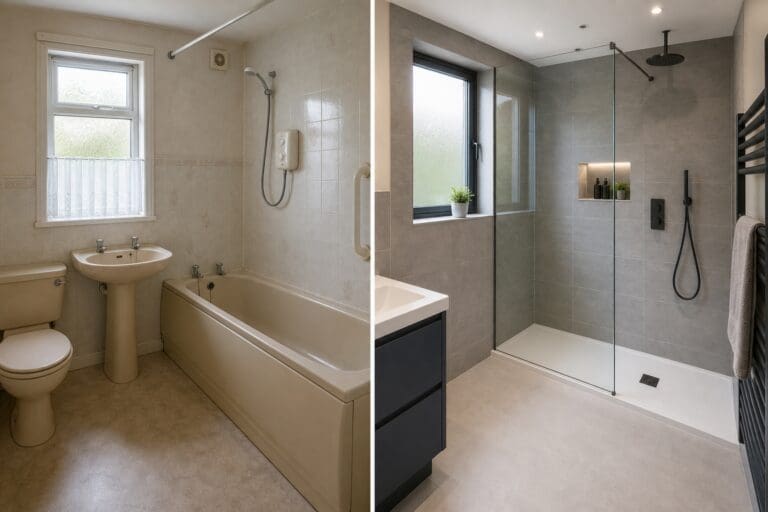
- Bathrooms: recessed mirrored cabinets and concealed cistern cupboards provide hidden space for toiletries without crowding the room.
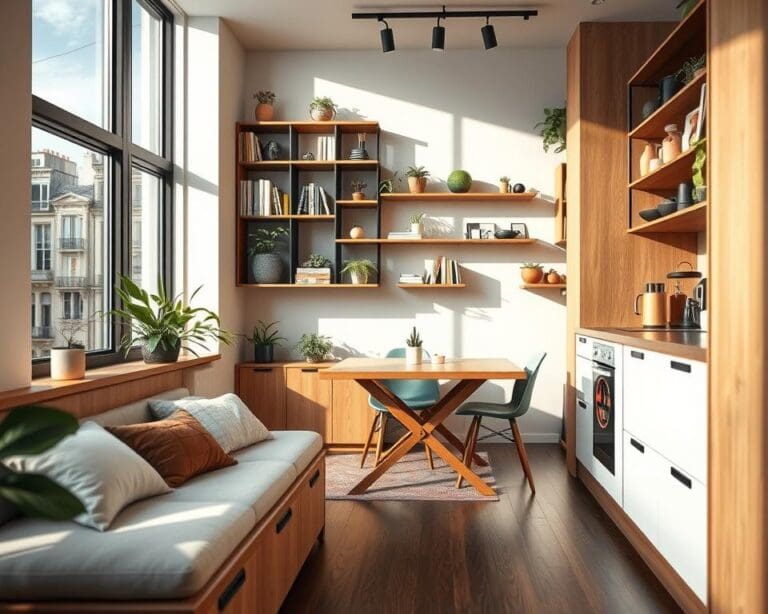
- Small-space fixes: under-stair cupboards, loft shelving and multifunctional furniture such as beds with deep drawers make every metre count.
UK-relevant storage solution examples include B&Q storage systems, Howdens and Wren kitchens, and John Lewis home organisation ranges. Converting an alcove in an Edwardian terrace into a fitted wardrobe or adding under-stair cupboards in a modern flat shows how integrated fittings adapt to period and contemporary homes.
Design principles for effective integrated storage solutions
Good integrated storage design begins with simple, practical thinking. A short spatial audit shows where storage will help most. Measure rooms, note daily routines and map traffic flows to decide placement that supports how you live.
Assessing space and flow to inform storage placement
Start by zoning each room for its main tasks: arrival, prep, relaxation and sleep. Place storage where it supports those tasks, such as laundry hampers near wardrobes and charging stations by beds or halls.
When you assess space for storage, mark doors, windows, radiators and services to avoid clashes. Think about sightlines so cabinets do not block natural light or visual flow.
Prioritise accessibility. Keep everyday items within easy reach and move seasonal or rarely used things higher or lower. Plan for ventilation and appliance clearances to stop costly redesigns later.
Maximising vertical and hidden storage without sacrificing style
To maximise vertical storage, use full-height cabinetry, floor-to-ceiling shelving or wall-mounted systems. These approaches raise capacity while keeping the floor clear.
Hidden storage ideas include toe-kick drawers, lift-up seating, false bottoms and inset cabinets with flush doors. Pocket or sliding doors save swing space and keep circulation free.
Style integrated storage through continuous panelling and uniform colours to make it unobtrusive. Mix open and closed units to balance display and concealment. Use concealed handles or push-to-open fittings for a sleek look.
Install LED strips inside cupboards and under shelves to improve visibility and set a calm ambience.
Material, finish and durability choices for long-term organisation
Choose storage materials UK homeowners trust: solid timber and veneered plywood for longevity, MDF lacquered for smooth painted finishes and melamine-faced boards for wet zones.
Select premium hardware such as soft-close hinges and heavy-duty runners. These small items have big impact on daily use and help maintain order over years.
Pick neutral, timeless colours for durable storage finishes while adding one accent to give character. For kitchens and bathrooms, prefer moisture-resistant surfaces like stainless steel or engineered worktops for hygiene and wear resistance.
Consider sustainability. Look for FSC-certified timber, low-VOC paints and recyclable options. Learn basic care for wood veneers, lacquers and metal fittings so your storage stays functional and good-looking.
- Audit, zone and place for use
- Build up, not out to maximise floor space
- Choose robust storage materials UK trades recommend
- Specify durable storage finishes and hardware for longevity
Practical steps to implement integrated storage in your home
Start with a clear plan: declutter each room and take an inventory by use, frequency and season. Sort items into keep, donate, recycle and store so you can define realistic objectives for every space — a tidier hallway, a quicker kitchen routine or a neater children’s play area. This initial audit forms the foundation of any storage planning guide and helps you set a budget and timeline for a home storage project UK.
Next, turn measurements into a specification. Draw simple sketches or hire a designer for complex layouts and list internal fittings such as drawer organisers, pull-out larders and shoe trays. Prioritise modular, adjustable solutions that can adapt over time; include lighting, hardware and ventilation in the brief. When obtaining quotes, compare fitted furniture retailers like Howdens, Wren and H&L, bespoke joiners and local carpenters and use a fitted storage checklist to ensure nothing is missed.
Prepare for installation by protecting floors and coordinating trades for electrical or plastering work. Follow clear storage installation steps: check joinery tolerances, door alignment and soft-closing mechanisms, test integrated lighting and ensure ergonomics are right for everyday use. Label internal organisers, add matching baskets or bench upholstery for a polished finish, and agree a simple maintenance schedule so the system endures.
If cost or disruption is a concern, adopt low-cost or phased approaches: use freestanding units that read as fitted, trial layouts with floating shelves or wall-mounted pegboards, and tackle one zone at a time. Finally, review the solution every 6–12 months. Implement integrated storage as both a physical upgrade and a behavioural change to sustain calm, improve daily flow and add lasting value to your home.