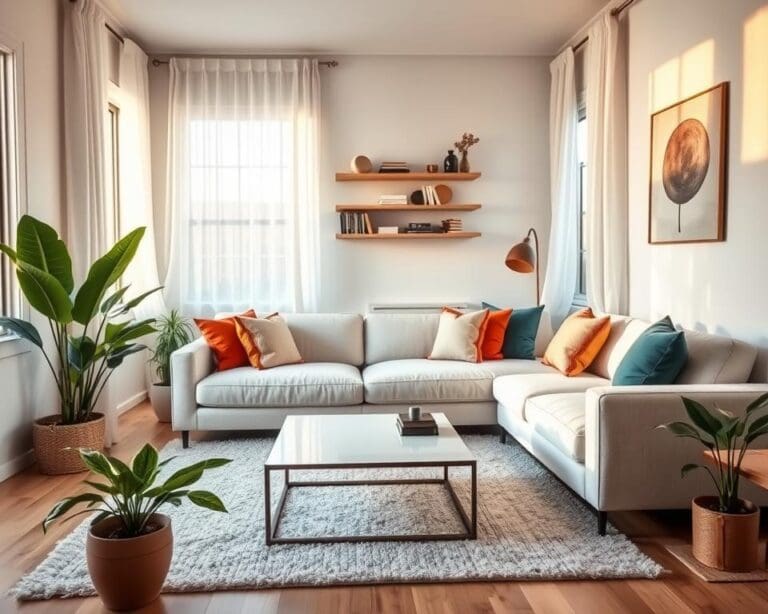
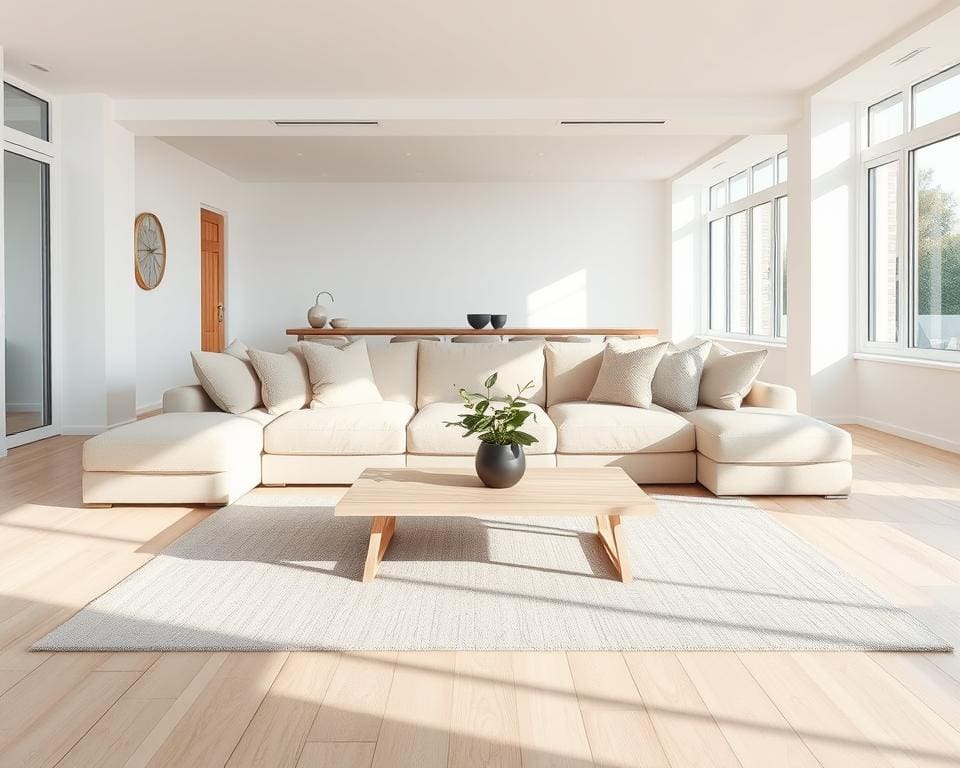
Minimalist interiors prioritise simplicity, purposeful objects, restrained colour palettes and uncluttered space. This approach places function and calm at the heart of a home, turning rooms into places for rest, work and clear thinking. The rise of modern minimalism asks a simple question: why are minimalist interiors trending in home design now?
In the UK, practical pressures help explain the surge. Smaller urban homes, hybrid working patterns and a need for flexible, multi-functional rooms make minimalist home trends a natural fit. Efficient storage, adaptable furniture and visual openness help households make the most of limited square footage.
There is also an emotional draw. Minimalist decor benefits include a sense of tranquillity, easier cleaning and a neutral backdrop for personal style. Platforms such as Instagram and Pinterest, together with features in Dezeen and Wallpaper*, have amplified sleek, pared-back looks and helped propel modern minimalism into mainstream taste.
Search interest and retail signals back up the feeling. Google searches for minimalist home terms have climbed, and UK retailers including Habitat and John Lewis report growing demand for Scandinavian and Japandi influences. These measurable indicators show that minimalist interiors UK is more than a niche trend; it is a widespread design shift.
This article will examine the history and cultural drivers behind the trend, offer practical tips to achieve minimalist interiors, and explore how this style affects wellbeing, property value and future design directions.
Why are minimalist interiors trending in home design?
The rise of minimalist interiors reflects a blend of artistic lineage, social change and practical need. This short survey traces the history of minimalism from modernist roots to the softer, human-centred looks seen today. It outlines the cultural forces driving adoption and the clear psychological benefits minimalist home owners report. It closes with the environmental and economic incentives that make minimalism attractive across the UK.
Historical context and evolution
The history of minimalism begins in early 20th-century movements such as the Bauhaus and De Stijl, which favoured form following function and pared-back geometry. Mid-century modern architects extended that language into housing, favouring clean lines and open plans. Minimalist art in the 1960s, through figures like Donald Judd and Agnes Martin, reinforced an aesthetic of purity and repetition that later shaped interiors.
Japanese concepts such as wabi-sabi and ma introduced a reverence for space and imperfection. Scandinavian design contributed functional simplicity and fine craftsmanship. These cross-cultural influences have merged into contemporary trends, including the Japandi fusion that balances warmth with restraint. The evolution of minimalist design moved from stark white environments to warmer palettes, natural textures and human-centred touches.
Societal and cultural drivers
Urban living pressures in cities such as London and Manchester make space efficiency essential. Smaller flats push people to think carefully about possessions and layout. Social media fuels a desire for curated, photogenic interiors that read well on camera and in feeds.
Movements like slow living and mindfulness prioritise experience over accumulation, nudging consumers towards fewer, better items. Conscious consumerism encourages long-lasting purchases rather than disposable goods. These cultural drivers minimalism have powered a broader shift in how people conceive home and lifestyle.
Psychological benefits of a minimalist home
Decluttered spaces reduce cognitive load and lower stress. Studies in environmental psychology link clutter to raised cortisol levels and reduced focus, which matters for the growing number of people working from home. A simple, muted bedroom can promote better sleep hygiene and calmer evenings.
Intentional organisation fosters a sense of control and mastery. Designers and wellbeing experts often recommend minimal arrangements to support concentration and emotional balance. Those psychological benefits minimalist home owners describe include clearer thinking, improved rest and a steady sense of calm.
Environmental and economic incentives
Minimalism aligns with sustainability by encouraging reduced consumption, durable materials and second-hand furniture. Eco-friendly interiors favour reclaimed timber, low-impact finishes and energy-smart layouts that make the most of natural light. Choosing fewer, high-quality pieces can reduce waste and lower lifetime costs.
Cost-saving minimalist design shows up in both purchase choices and ongoing bills. Thoughtful planning lowers heating and maintenance expenses. Brands such as Muji and MADE.com have pushed pared-back collections and durable collaborations, while independent makers promote repair and longevity. Policy shifts toward sustainable materials and circular practices reinforce a market momentum that rewards simplicity and resource efficiency.
Key elements and practical tips for achieving minimalist interiors
Minimalist design principles start with a focus on purpose, clarity and calm. Think function first, choose fewer pieces that perform well and look timeless, and leave space for the eye to rest. This short primer will act as a practical minimalist room guide to help you plan each area of the home and choose materials that last.
Core principles of minimalist design
- Functionality first: favour purposeful furniture and layouts that support daily use.
- Less is more: invest in quality over quantity and pick items with strong utility or aesthetic value.
- Visual clarity: keep negative space to create a calm atmosphere and reduce visual clutter.
- Consistency and cohesion: use a limited palette and restrained accessories to maintain harmony.
- Hidden storage and multipurpose furniture: include built-in cupboards, ottomans with storage and convertible pieces to stay organised.
Room-by-room guidance
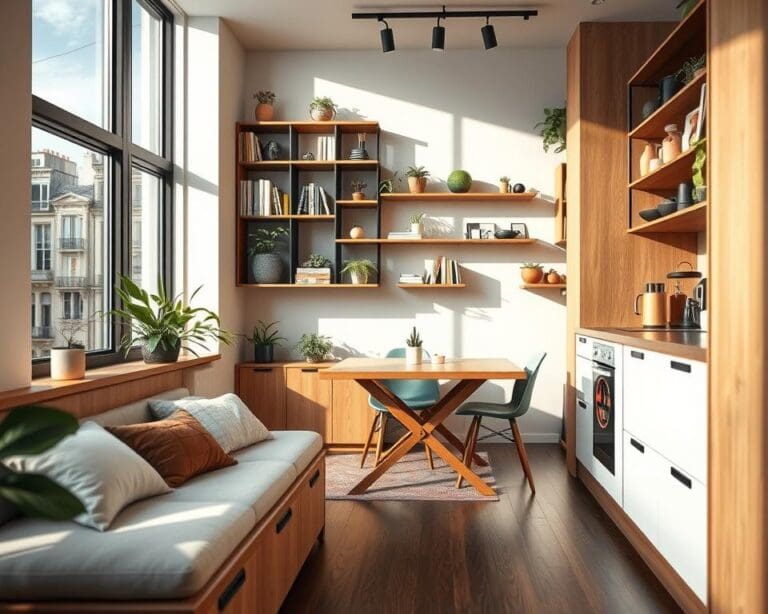
- Living room: choose a key seating piece, clear walkways, use low-profile storage and display a single statement artwork or plant. Define zones with rugs and layered lighting.
- Kitchen: opt for handleless cabinets, conceal appliances when possible, keep worktops pared back and assign spots for everyday items to avoid countertop clutter.
- Bedroom: limit furniture, use blackout blinds or simple curtains and store clothing out of sight to support restful sleep.
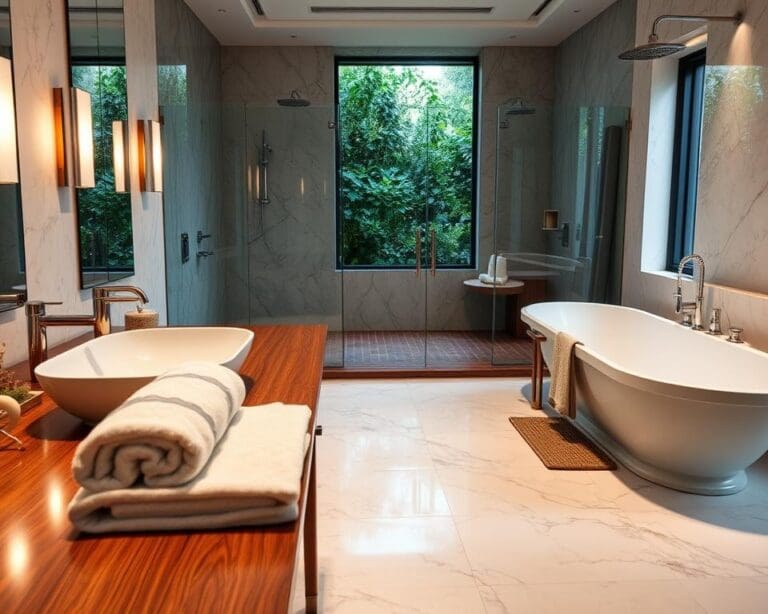
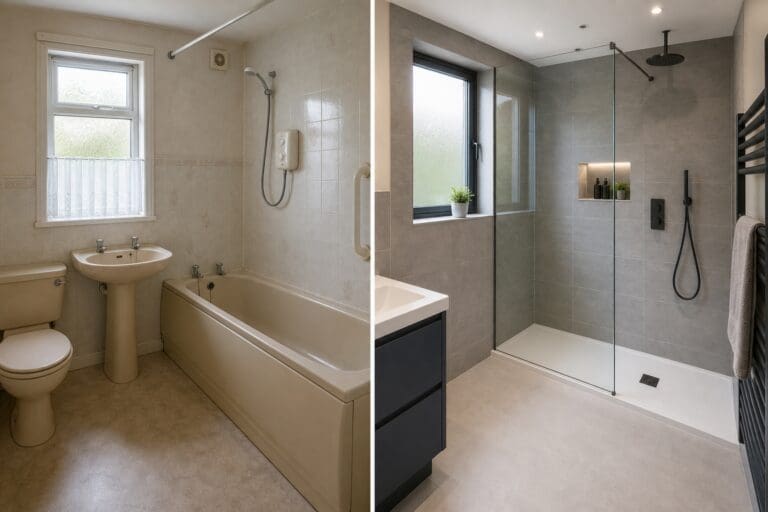
- Bathroom: favour minimal fittings, integrate shelving into walls and store toiletries to keep a spa-like feel.
- Home office: focus on ergonomic essentials, manage cables and select a small curated set of tools to boost concentration.
Decluttering strategies and maintenance routines
- Practical methods: try the KonMari approach of keeping what sparks joy, use the three-box system of keep, donate, discard and apply time-based purging for items unused after 12 months.
- Storage solutions: add modular shelving, drawer organisers, labelled containers and vertical storage to keep surfaces clear.
- Daily and weekly rituals: perform short daily tidy-ups, a weekly reset to clear surfaces and launder linens, and seasonal reviews to stop accumulation.
- Behavioural tips: practise mindful purchasing, wait 24–48 hours before buying non-essentials and pass on duplicates to friends or charity.
Choosing materials, textures and colour schemes
- Materials: pick natural, durable materials such as oak, birch, linen, wool, stone and brushed metal that age gracefully.
- Textures: use woven throws, visible timber grain and matt ceramics to add warmth and depth without clutter.
- Colour palettes: build on muted neutrals like warm whites, soft greys, beige and greige, with restrained accents in muted blues, sage or terracotta.
- Lighting and finishes: layer ambient, task and accent lighting and favour matte or satin surfaces to reduce glare and create a serene mood.
- Sourcing in the UK: look to Habitat, John Lewis & Partners, Rowen & Wren, independent furniture makers and second-hand platforms such as eBay, Gumtree and Facebook Marketplace for sustainable finds that suit Japandi and Scandinavian minimalism.
Use this practical roadmap when considering how to achieve minimalist interiors. Combine decluttering tips with a clear selection of minimalist materials and colours to create rooms that feel spacious, calm and purposeful.
How minimalist interiors influence value, wellbeing and design trends
Minimalist interiors often boost a property’s appeal because they offer a neutral, flexible canvas that helps buyers imagine their own life in the space. Estate agents across the UK note that uncluttered, well-organised homes attract broader interest; Rightmove reports and coverage in The Guardian and The Telegraph underline that modern, calm interiors tend to sell faster and command better prices. That said, the impact of minimalism on property value is strongest when restraint is balanced with warmth — avoid overly stark schemes that might feel too clinical for some purchasers.
The wellbeing and design effects of minimalism reach beyond marketability. Orderly rooms can reduce anxiety, improve focus and support restorative downtime for families juggling remote work and childcare. Physically, simpler layouts and fewer surfaces make cleaning easier, lowering dust and allergen build-up and supporting healthier routines. Over time, adopting minimalist habits encourages intentional consumption, better maintenance and an appreciation for quality craftsmanship, which compounds both lifestyle benefits and long-term property care.
Minimalism is also reshaping wider trends in the UK design scene. The minimalist trend UK has fused with Japandi, Scandi-hygge and biophilic approaches, adding natural textures and soft tones while keeping clarity of form. Brands are responding with sustainable, repairable and modular products, reflecting a push for circularity in manufacturing. Technology plays a role too: concealed smart solutions such as integrated speakers and wireless chargers preserve clean sightlines while increasing function.
For homeowners, the practical takeaway is clear. The combined benefits of minimalist interiors value, wellbeing and design mean that starting small—decluttering one room, investing in a few high-quality pieces and choosing neutral foundations with considered accents—yields tangible returns. Embrace a human-centred, warmer minimalism that supports resilience, sustainability and adaptable living to align with future design trends and improve both daily life and long-term marketability.