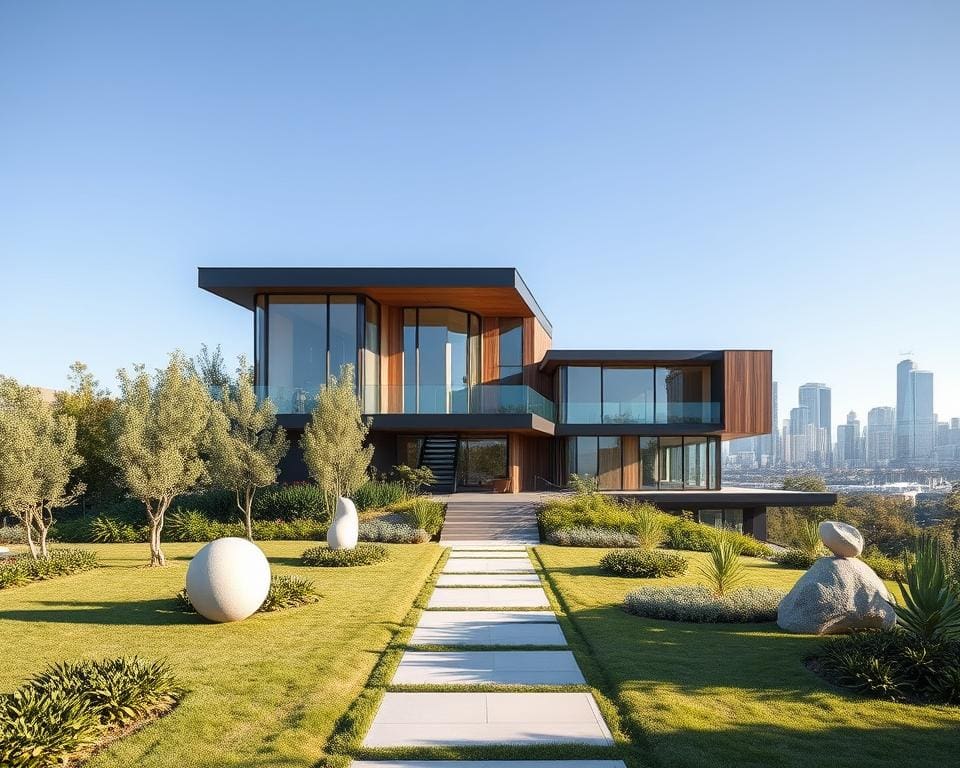
The way we live has shifted, and contemporary architecture is rewriting what a home can be. In the UK, architects such as Foster + Partners and Zaha Hadid Architects, alongside Caruso St John and Stanton Williams, shape a language of clean lines, material honesty and strong connection to site that influences modern house trends across cities and countryside alike.
Contemporary architecture for homes emphasises flexible plans, daylighting, and sustainability. It favours honest materials and simple forms that respond to context, whether a tight London plot or a sensitive rural site. This approach informs innovative residential architecture that balances privacy, wellbeing and adaptability.
Why now? Demographic shifts such as remote work and multigenerational living, climate urgency, advances in smart systems and materials science, and new lifestyle priorities make this a pivotal moment for home design. UK architecture trends are shaped by planning constraints, conservation areas, small urban sites and Building Regulations, including Part L and the growing uptake of Passivhaus standards promoted by organisations like the Passivhaus Trust.
This article will explore those shifts in depth. Section 2 examines spatial strategies and material choices that define open, connected living. Section 3 looks at sustainability and technology, from energy-efficient design to smart home systems. Section 4 considers the evolving design language and cultural influences that shape homes across the UK.
Contemporary architecture does more than solve practical problems; it elevates daily life through careful craft, landscape integration and considered experience, offering inspiring blueprints for the modern home.
How does contemporary architecture redefine home design?
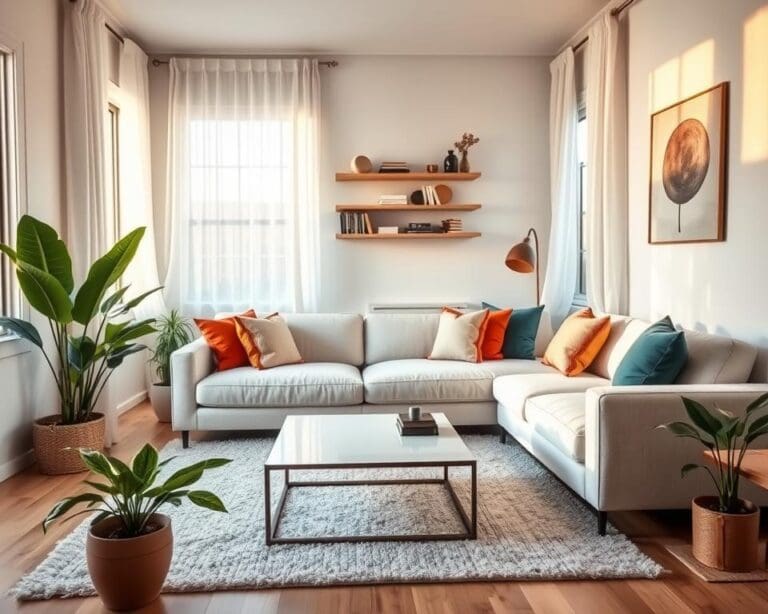
Contemporary architecture reshapes how we live by rethinking space, light and connection. It favours adaptable layouts and honest materials to craft homes that feel both practical and poetic. The following points show how spatial design, indoor-outdoor flow and a considered material palette come together in contemporary interiors UK.
Spatial innovation and open-plan living
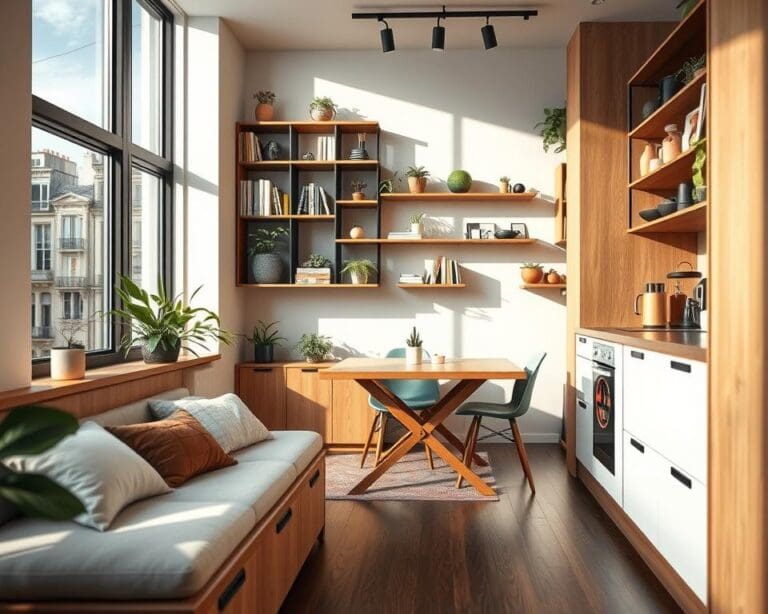
Design now prioritises flexible, multifunctional zones over fixed rooms. Open-plan living supports home working, socialising and family life without needing to increase footprint.
Architects use sliding partitions, operable walls and mezzanines to vary scale and privacy. Double-height voids and loft conversions lift daylight and improve sightlines while zoning with furniture, rugs and level changes keeps functions distinct.
Addressing acoustics is crucial. Sound-absorbing finishes, staged thresholds and pocket doors allow openness without losing comfort or privacy.
Integration of indoor and outdoor environments
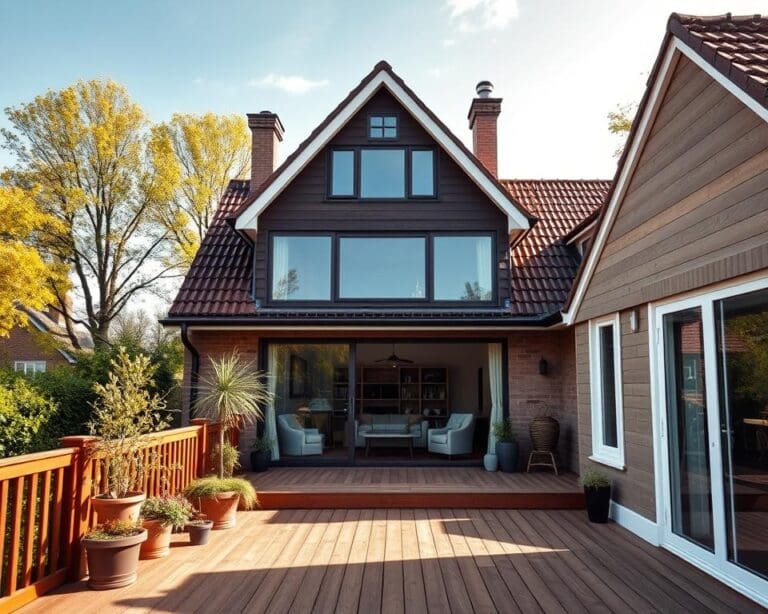
Blurring inner and outer limits makes homes feel larger and healthier. Large glazed sliding or folding doors, recessed terraces and courtyards create easy transitions and extendable living areas.
Continuity of flooring and considered landscape design strengthen the indoor-outdoor flow and promote natural ventilation. Green roofs and winter gardens add biodiversity and support wellbeing.
In the UK, designers balance solar gain for cooler months with shading and ventilation for summer comfort. Local planning rules influence boundary treatments and privacy solutions.
Materiality and texture choices
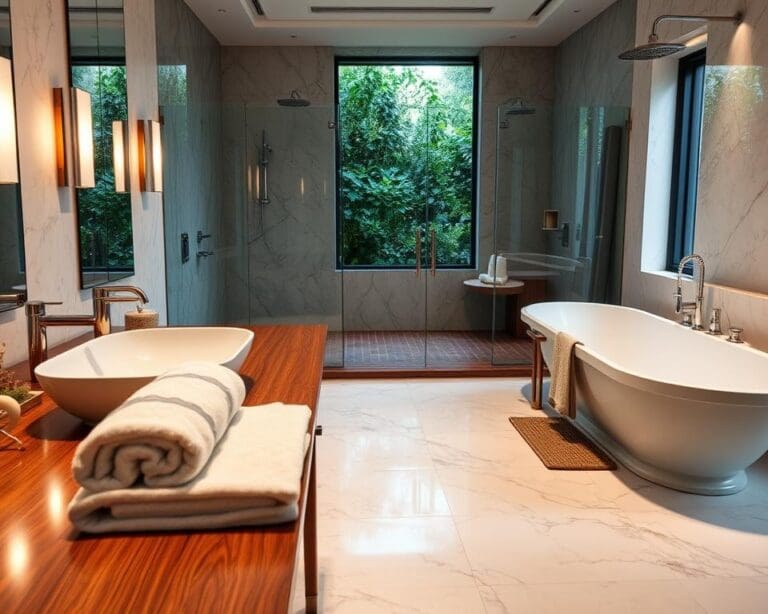
Material choices shape the character of contemporary interiors UK. Practitioners select authentic, high-performance options such as exposed concrete, engineered timber, Corten steel, natural stone and glass.
Texture matters for touch and longevity. Timber grain, brushed metal and matte ceramics add warmth and tactility while durable finishes suit British weather and daily use.
- Specify recycled or certified materials where possible, for example FSC timber and recycled glass.
- Work with UK suppliers such as Hanson for stone, Kingspan for insulated panels and Accoya for durable timber to ensure performance and compliance.
- Use lifecycle thinking and BREEAM assessment to reduce maintenance and environmental impact.
Sustainability and technology in contemporary home design
Contemporary homes in the UK are shaping a new balance between low-carbon living and everyday comfort. Designers pair energy-conscious planning with smart controls to cut bills, reduce emissions and improve wellbeing. This blend of sustainable homes UK thinking and careful tech choice defines modern, resilient housing.
Energy-efficient design strategies
Start with a fabric-first approach: high insulation, airtight details and correct orientation to harvest passive solar gain. Optimised window-to-wall ratios and thermal mass stabilise indoor temperatures and reduce reliance on heating systems.
Systems follow good design. Mechanical ventilation with heat recovery (MVHR), air-source and ground-source heat pumps, rooftop solar PV and battery storage work together for reliability. UK schemes such as the Boiler Upgrade Scheme and tighter building regulations nudge projects toward low-carbon heating and improved SAP and EPC ratings.
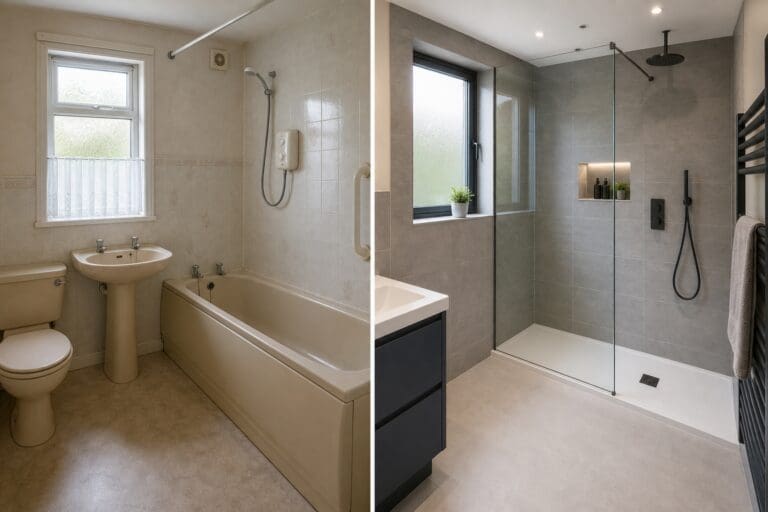
Passivhaus principles offer a clear performance target for new builds. For existing homes, practical retrofits include loft and wall insulation, draught-proofing, secondary glazing and microgeneration. These measures help make older stock closer to net-zero ready.
Smart home systems and responsive architecture
Smart home systems add comfort while trimming energy use. Smart thermostats, lighting controls, integrated shading and occupancy sensors let occupants tailor environments and cut waste. Domestic energy management platforms make use of real-time data to shift loads to cheaper or greener times.
Responsive architecture uses adaptive facades and automated systems that respond to sunlight, wind and occupancy. These features reduce demand for mechanical heating and cooling, boosting the effectiveness of energy-efficient architecture.
Interoperability matters for long-term value. Open protocols such as Matter improve device compatibility. Brands like Hive, Tado and Google Nest are active in the UK market. Privacy and simple interfaces should guide procurement to ensure systems serve all ages and abilities.
Low-impact materials and circular design
Circular design seeks to minimise waste and design for disassembly. Specify reclaimed timber and brick, hempcrete, sheep’s wool or low-carbon concrete alternatives where feasible. Request Environmental Product Declarations and use tools such as EC3 to compare embodied carbon.
Practical procurement includes working with local salvage yards, choosing modular systems to limit site waste and commissioning lifecycle assessments early in the design. RIBA and LETI provide guidance on material transparency and targets to help teams meet circular design goals.
When combined, careful material choice and integrated technology help create sustainable homes UK that are efficient, healthy and adaptable for decades of use.
Design language, aesthetics and cultural influences shaping modern homes
Contemporary design language in the UK blends pared-back minimalism with expressive form and a clear sensitivity to context. Architectural aesthetics now favour restrained palettes and material honesty — brick, timber and stone paired with crisp glazing — so that buildings read as both modern and rooted. Practices such as Studio Seilern Architects and David Chipperfield show how context-driven modernism can be sculptural yet deferential to place, offering a vernacular reinterpretation that respects local grain while introducing fresh composition and rhythm in fenestration.
Cultural influences profoundly shape modern British homes. Changing family patterns and multicultural communities inform layouts that support multigenerational living and adaptable rooms. Media and sustainability ethics steer homeowner preferences toward low-impact materials and visible technical rigour. Across regions, the same design language is adapted: Georgian terraces in central London can gain contemporary extensions that echo proportion and scale, while rural cottages are reimagined through subtle interventions that honour conservation rules and local identity.
Regulation and planning also shape architectural aesthetics. Conservation area controls, listed building consent and neighbourhood design guides constrain scale, massing and materials, prompting inventive responses that satisfy policy and enhance place. Designers use light as a compositional tool and create clear wayfinding and level access to support ageing-in-place and inclusive living. These choices make homes more accessible without compromising the sculptural geometry that gives modern British homes their character.
The result is an inspirational synthesis: a design language that pairs technical rigour with creative, place-responsive thinking. By balancing global trends with vernacular reinterpretation and attentive cultural influences, contemporary architecture elevates wellbeing, reduces environmental impact and reflects the rhythms of contemporary British life.