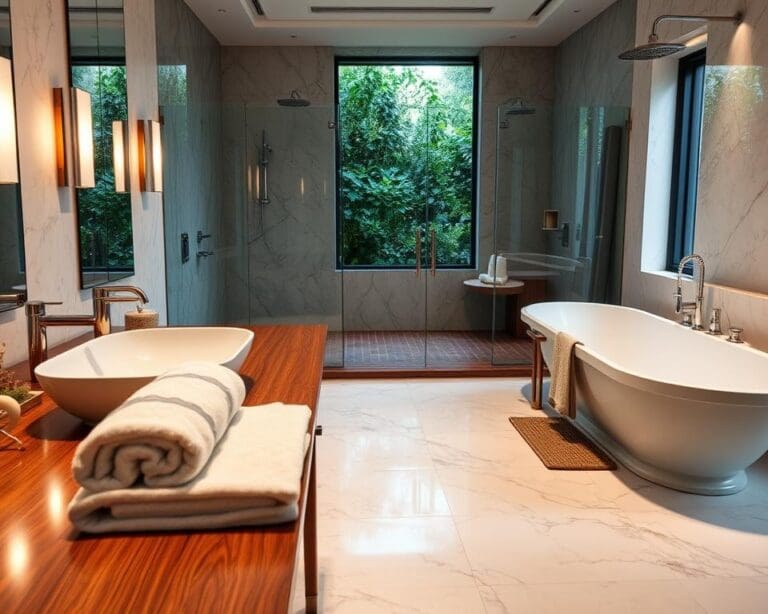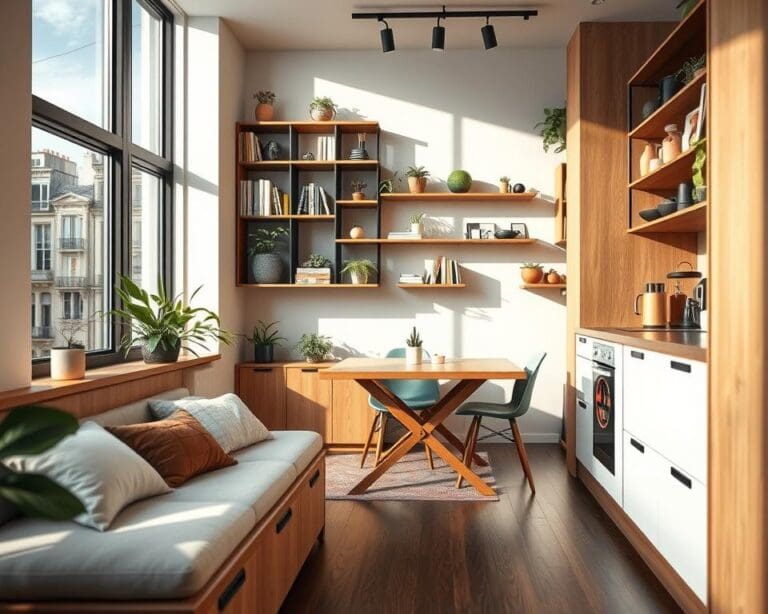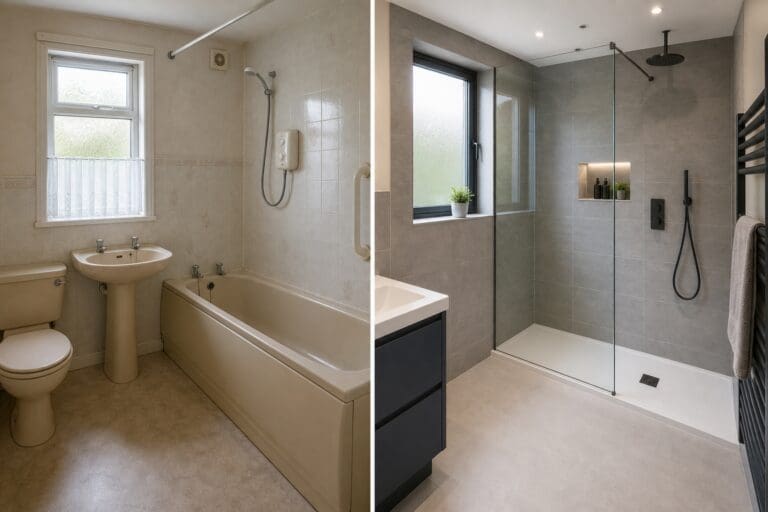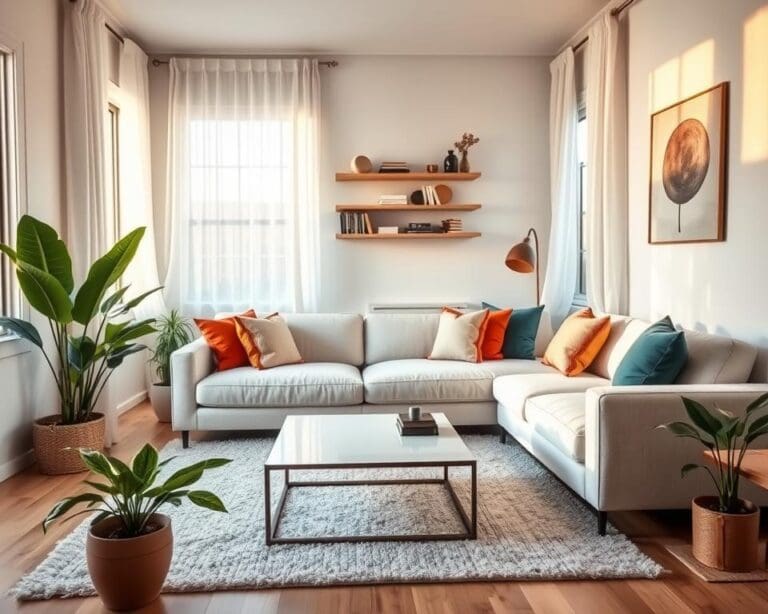
Across the United Kingdom, homeowners and interior designers are asking one question: why are hidden storage solutions trending? The simple answer mixes practical need with aesthetic taste. Smaller urban flats in London, Manchester and Birmingham, together with open-plan living, push people towards space-saving storage UK that keeps rooms feeling calm and uncluttered.
Retailers such as IKEA, John Lewis and Habitat now showcase concealed storage ideas in mainstream ranges, while bespoke joiners offer tailored solutions that slot neatly into contemporary layouts. These hidden storage solutions reflect modern storage trends that favour clean sightlines and multipurpose furniture over bulky cupboards.
Design movements like minimalism, Scandinavian style and Japandi have shaped expectations for pared-back interiors and natural materials. That influence makes concealed storage ideas feel both timely and enduring, because they deliver on form as well as function.
For homeowners the practical outcomes are immediate: better space efficiency, easier cleaning and a more considered look that can improve resale appeal. This article explores those benefits in depth and explains how modern concealed storage blends seamlessly with daily life.
Why are hidden storage solutions trending?
Hidden storage blends clever design with calm living. At its core the hidden storage definition is simple: design features, furniture or architectural solutions that conceal belongings from view while remaining readily accessible. This approach turns underused nooks into functional assets and supports clutter-free homes without sacrificing style.
Defining hidden storage in modern homes
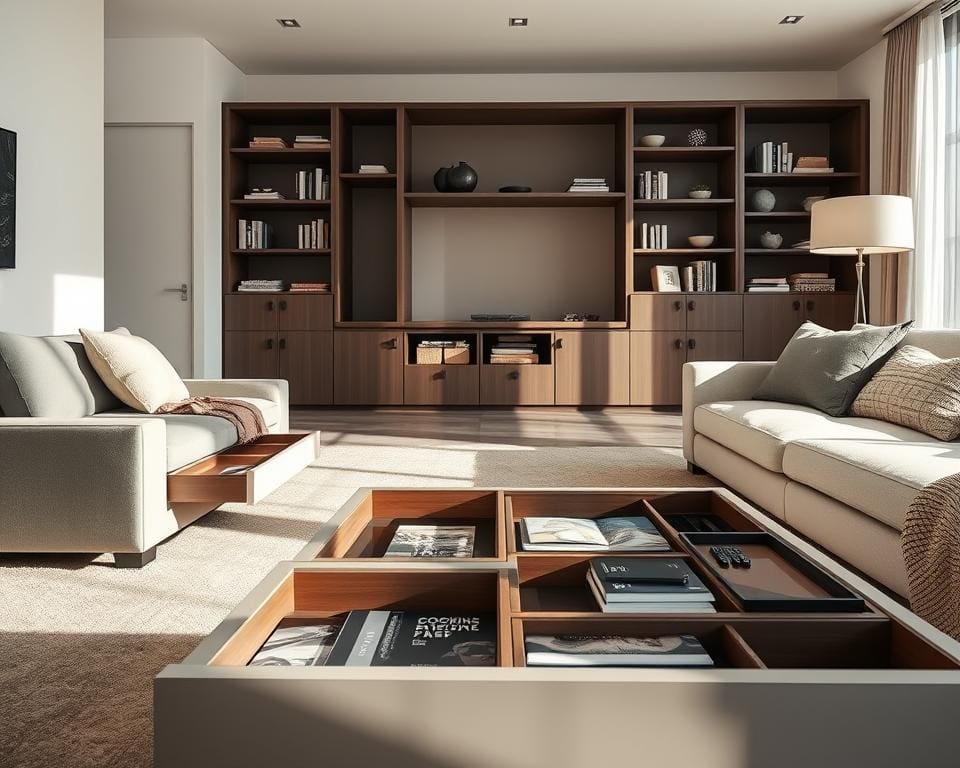
Hidden systems take many forms. Built-in storage solutions include under-stair cupboards and recessed shelving in alcoves. Furniture-based concealed storage covers ottomans, lift-top coffee tables and beds with compartments. Wall-integrated systems use sliding panels and bookcase doors. Appliance hideaways mask washing machines and fridges behind kitchen fronts.
These options differ from open shelving and visible storage. The aim is concealed organisation rather than display. The trade-off is less room for showing objects but a stronger sense of order and surface calm.
Practical benefits driving adoption
Space-saving solutions appeal in cities where storage for small homes UK is at a premium. Under-stair storage and recessed shelving reclaim overlooked areas in flats and terraced houses. Modular IKEA ranges and DIY options from B&Q offer affordable routes. Bespoke makers such as Howdens and Harvey Jones adapt designs for period properties and new builds.
Hidden storage boosts safety and security. Chemicals and sharp tools can be kept out of sight and reach. Multifunctional furniture helps rooms work harder; a sofa with storage or a dining table that stashes paperwork makes small homes more flexible.
Cost varies from flat-pack bargains to premium bespoke fits. Sustainable choices like reclaimed timber and durable finishes extend life and cut waste, aligning practicality with environmental care.
Emotional and lifestyle motivations
Many homeowners want calm and control. The emotional benefits of storage include reduced visual stress and a clearer mind. A decluttered room feels larger, which supports wellbeing and interiors that favour tranquillity.
Lifestyle trends hidden storage highlights a move to curated living and minimalism and storage that favours fewer, better items. Hidden solutions help people maintain a neat look while keeping possessions accessible for everyday life.
Entertaining and remote work also shape demand. Home-workers hide office kit at the end of the day. Hosts can quickly tidy tech clutter before guests arrive. Estate agents and designers report that thoughtful concealed storage can raise market appeal and resale prospects.
Design trends and aesthetics boosting popularity
Hidden storage has shifted from novelty to design staple. Seamless storage and integrated storage solutions now shape interiors across the UK, from compact flats to period terraces. The aim is simple: make possessions vanish into the background so rooms feel calm and intentional.
Seamless integration with interior styles
Designers match disguised cabinetry to room architecture so joinery reads as structure rather than furniture. Handleless kitchens and fitted furniture UK are central to this trend, delivering uninterrupted sightlines and a calm backdrop for living.
Full-height pantries in narrow kitchens, fitted wardrobes that reach the ceiling and concealed TV units are common UK implementations. Modular freestanding pieces can mimic bespoke built-ins to offer renters the same visual benefit without structural changes.
Material and finish choices that disguise function
Finishes play a major role in concealing seams and handles. Matt lacquer, veneer matching and consistent grain direction help disguise joins. Choices between matte vs gloss storage influence reflection and perceived depth.
Textured finishes and textured laminate hide wear in high-traffic zones. Moisture-resistant MDF, engineered wood and long-life storage finishes suit variable UK humidity. Sustainable options such as FSC-certified timber and low-VOC paints support eco-conscious buyers.
Creative disguises use mirrored doors, fabric-front storage and plasterboard recessed niches. Matching skirting and wall panelling across doors makes surfaces read as continuous, enhancing concealed storage styles.
Technology and smart storage solutions
Smart storage is changing what hidden means. Motorised storage and push-to-open systems let panels, lift-up cabinets and drawers operate at a touch. Sensor-operated drawers and electrically actuated sliding panels conceal workstations or televisions instantly.
Hidden charging stations and integrated lighting storage keep devices and illumination out of sight while remaining practical. Cable channels, pop-up outlets and discreet organisers make daily use effortless.
App and voice controls link motorised systems to Google Home or Amazon Alexa so storage can open on command. Security options such as RFID locks and discreet safes protect valuables without visible hardware.
When choosing technology, favour tested mechanisms from reputable UK suppliers. Reliable service and straightforward maintenance ensure novelty becomes long-term value rather than a short-lived trick.
Practical guidance for adopting hidden storage in UK homes
Start with a short audit of what you need to hide: children’s toys, chargers, spare linens and seasonal kit. Walk each room and note awkward voids — under stairs, loft eaves, alcoves, under-bed space and the top of built-in wardrobes. This simple map helps you decide how to add hidden storage in ways that suit daily routines and free up visible surfaces.
Match ambitions to budget. For quick, low-cost wins look to IKEA and Dunelm for flat-pack drawers and benches, or try slimline organisers and adhesive hooks as immediate fixes. If you need a more polished result, semi-bespoke modular systems from B&Q or Howdens offer flexibility without a full bespoke price. For full joinery, seek local cabinetmakers for bespoke storage UK solutions; consider added costs if you want motorised or smart fittings.
Owners of period or listed properties must plan carefully. Use reversible, non-invasive options and consult heritage advisers before altering structural elements. When installing concealed storage, check for necessary consents and choose reversible fixings to preserve original features. Working with kitchen designers, joiners and registered interior designers ensures compliance with UK building regulations and yields 3D visuals and detailed quotes to compare.
Practical installation matters: prioritise accessible heights, soft-close fittings and ventilation for hidden appliances. Keep fire safety in mind by not blocking escape routes and allowing airflow for heat-generating items. For longevity pick durable finishes and replaceable linings, and document hidden features like safes or keys for future owners. For inspiration and suppliers, visit trade shows such as Surface Design or Grand Designs Live, browse John Lewis, IKEA and Howdens, or search Houzz and local trade directories for skilled cabinetmakers and more hidden storage ideas UK.