Loft conversions offer a practical way to maximise usable space without increasing your building footprint. In many UK homes, the attic is an untapped asset that can become a bedroom, home office, bathroom or a leisure room when you convert loft UK with thoughtful design.
The loft conversion benefits go beyond extra floor area. You gain better natural light and ventilation, improved circulation and a more marketable property. A well-planned conversion can increase value while keeping the character of a Victorian terrace or a modern semi.
There are practical limits to consider. Typical headroom often needs to be around 2.2–2.3m to avoid major structural dormer work, and roof pitch plays a big role — steeper roofs usually offer more usable floor area. Existing timber rafters, insulation and access routes will influence what is possible.
Attic conversion space optimisation is about more than adding volume; it is about shaping usable, comfortable rooms. Creative layouts, built-in storage and careful positioning of rooflights or dormers can make sloping ceilings and low eaves feel spacious and intentional.
If you are thinking of how to convert loft UK, start with a survey and simple measurements. Consult a structural engineer or a reputable loft specialist to assess potential and constraints. The next sections will guide you through assessing your loft, choosing the right conversion type, and practical design strategies to get the most from your space.
How can loft conversions maximise usable space?
A successful loft conversion starts with a careful loft assessment. A measured survey that checks floor area, ridge height, roof pitch and clear headroom gives a realistic picture of what is possible. Structural checks on joists and party walls reveal whether strengthening is needed and where a staircase can be placed without hijacking the ground floor.
Assessing your loft’s potential
Begin with a simple measurement checklist: span, existing insulation thickness, chimney positions and the clear headroom across the usable floor. Note constraints like conservation area rules or listed‑building status that may limit roofline changes. Terraced, semi‑detached and detached houses bring different planning dynamics and neighbour considerations.
Commissioning a structural engineer or an architect for a measured survey pays dividends. Their input guides permitted development or planning submissions and clarifies whether existing joists can carry extra loads.
Choosing the right conversion type for space gains (dormer, mansard, hip-to-gable, rooflight)
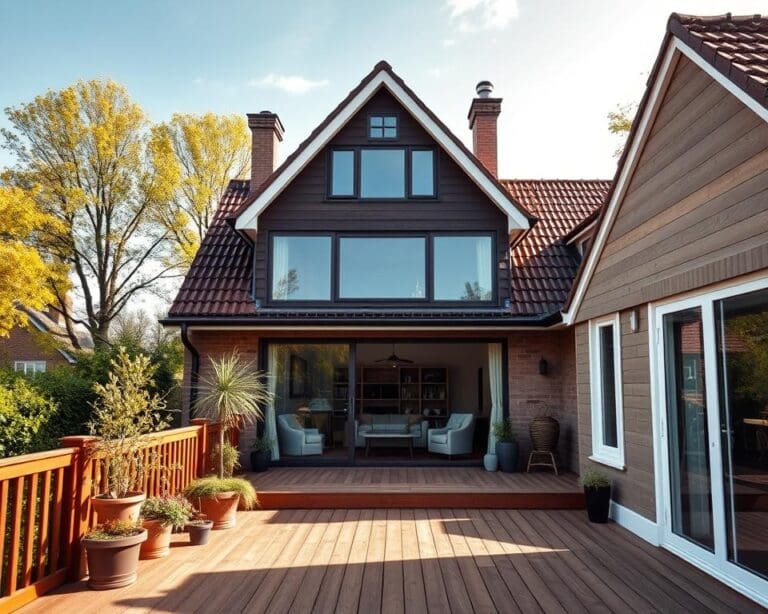
Compare loft conversion types against your goals. A dormer conversion adds near‑vertical walls to improve usable floor area and headroom. A mansard loft reshapes the roof for the largest volumetric gain where planning permits. Hip-to-gable conversions extend a hipped roof into a gable end to boost internal volume on semi‑detached and detached homes.
Rooflight conversion keeps the original roofline and brightens the space with minimal external change. Trade-offs include cost, planning likelihood and the balance between real floor area and perceived space.
Designing layouts to increase usable floor area
Effective loft layout planning focuses on usable headroom zones. Put circulation and storage where the ceiling falls, reserve the highest areas for beds or seating, and aim for rectangular room shapes rather than awkward triangles.
Stacking or centralising stairs over existing stairwells saves footprint. Locate wet rooms above existing soil stacks to simplify plumbing and reduce expense.
Integrating built-in storage to reduce clutter
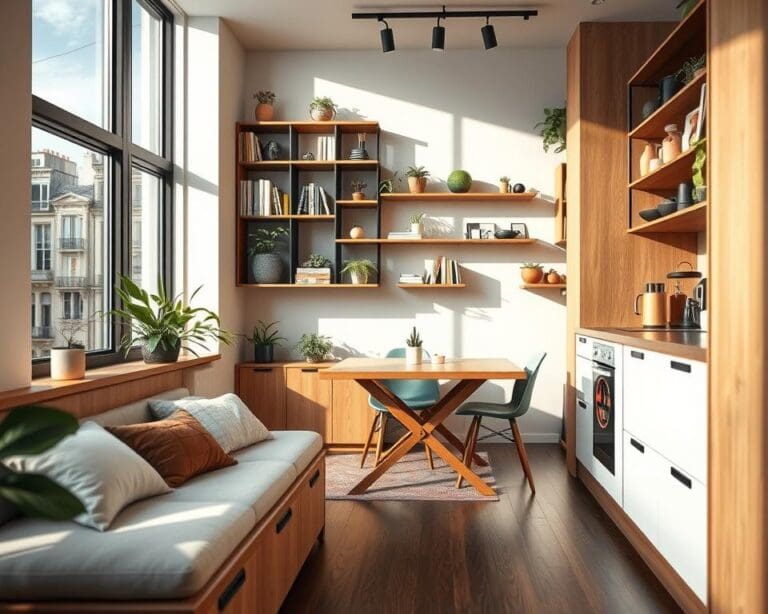
Built-in loft storage turns eaves and low‑height zones into practical cupboards and drawer banks. Bespoke wardrobes beneath sloping ceilings, window seats with drawers and boxed‑in radiators that double as storage keep rooms uncluttered.
Choose moisture‑resistant plywood or MDF with clean fittings to maintain a light, airy feel. Well‑crafted joinery can raise resale appeal while boosting everyday usability.
Maximising headroom and circulation for functional use
Address headroom requirements early. Options include introducing dormers or a mansard, slightly raising the roof or lowering ceilings below. Each option has different cost and planning implications.
Design stair flights and landings to meet Building Regulations with safe widths, handrails and clear escape routes. Use vertical finishes and tall joinery to enhance perceived height and keep circulation routes clear of furniture.
Design strategies to expand living areas and functionality
Good loft design strategies start with clear choices about layout, light and storage. A thoughtful approach lifts a cramped attic into a calm, usable room that adapts as needs change.
Open-plan versus partitioned layouts: balancing space and privacy
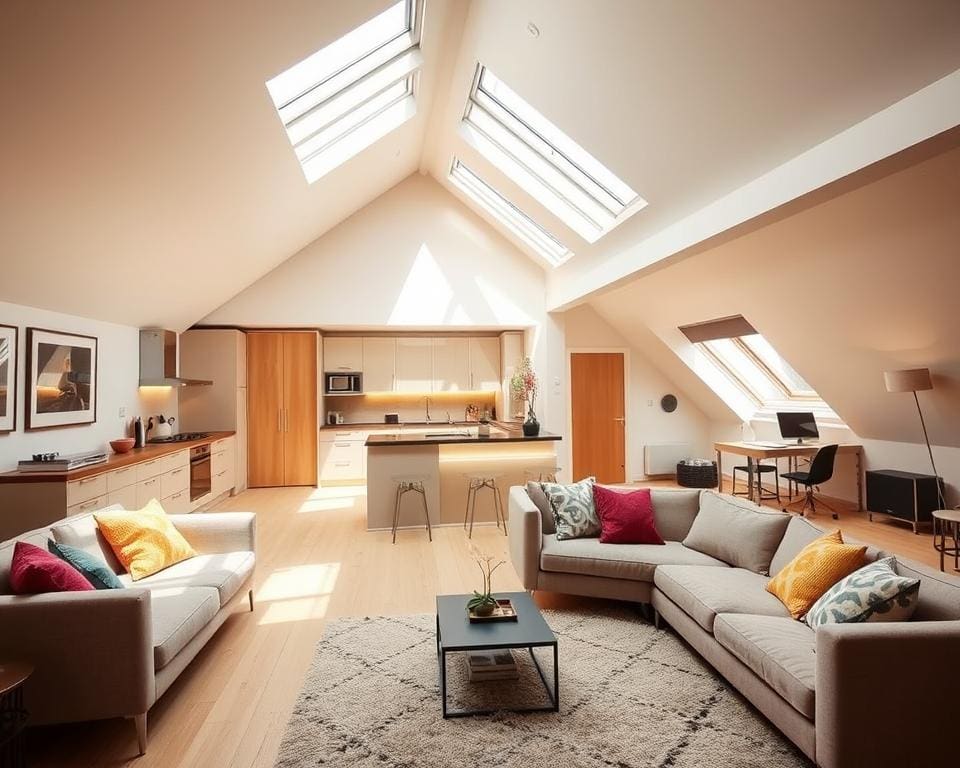
An open-plan loft maximises perceived space and spreads loft natural light from rooflights UK and dormer glazing. It suits studio bedrooms, home offices and play areas where flexibility matters.
Partitioned rooms deliver privacy and sound separation for en-suite bedrooms or dedicated workspaces. Hybrid options such as glazed screens, sliding doors or partial partitions let light pass while creating discreet zones.
Consider fire and acoustic regulations when installing full partitions. Use soft finishes and insulated doors to control heat flow without losing the benefits of an open-plan loft.
Using natural light to enhance perceived space (rooflights, dormer windows, skylights)
Strategic daylighting transforms a low-ceiling loft. Rooflights and skylights from brands like Velux bring direct sun and ventilation into compact areas. Dormer windows add usable floor area and better outward views.
Combine these openings with reflective paints, pale timbers and well-placed mirrors to push light deeper into the plan. Trickle vents or mechanical ventilation help manage condensation and maintain healthy air quality.
Smart storage solutions: eaves cupboards, under-stair equivalents and bespoke joinery
Eaves storage makes the sloped roof work for you. Custom eaves cupboards with pull-out shelving keep seasonal items tidy and accessible without eating floor area.
The stair run can hide drawers, coat storage or a utility cupboard. Bespoke joinery from Howdens or Wickes-style components yields fitted wardrobes, window seats and integrated desks that use every centimetre.
Choose durable surfaces in circulation zones and soft-close fittings to future-proof storage for changing household needs.
Multifunctional furniture and flexible zoning for small footprints
Multifunctional furniture keeps small space design practical and stylish. Think daybeds with storage, wall-mounted fold-down desks and Murphy beds that free up daytime floor area.
Flexible zoning uses rugs, lighting layers, ceiling treatments and slight level changes to define areas without building walls. Low-profile furniture and custom pieces under eaves avoid overwhelming sloped ceilings.
Design with future uses in mind so a child’s bedroom can become a teen study or a spare room becomes a rental. This approach increases long-term utility and appeal when selling.
Practical considerations, regulations and value optimisation for UK homeowners
Before work starts, check loft conversion regulations UK and whether your project qualifies as a permitted development loft. Many smaller rooflights or modest rear dormers fit permitted development rights, but limits apply—40 cubic metres for terraced homes and 50 cubic metres for detached or semi‑detached properties—and some councils withdraw these rights with Article 4 directions. If the scheme alters the roofline substantially, sits in a conservation area or affects a listed building, apply to the local planning authority early to avoid delays.
Complying with Building Regulations loft conversion rules is essential for safety and resale. Key areas include structural stability for new joists and steels, fire safety such as escape routes and interlinked smoke alarms, thermal insulation to Part L, ventilation to Part F and correct stair dimensions to Part K. Use a local authority building control or an approved inspector and retain completion certificates; these documents speed conveyancing and reassure buyers.
Party wall agreements and neighbour liaison reduce friction during works. Where work affects shared walls or party structures, serve a party wall notice and, if needed, arrange a party wall agreement and surveyor appointment under the Party Wall Act 1996. Clear communication on timescales, working hours and site logistics keeps relationships positive and helps avoid objections to planning or complaints.
Plan around loft conversion costs, timescales and how the scheme will increase property value. Rooflight conversions tend to be the most affordable and quickest, dormer and hip‑to‑gable sit mid‑range, while mansard builds cost more and take longer. Choose NHBC‑registered builders or reputable local specialists, collect written quotes and consider an architect or project manager for complex work. Design to local market tastes, invest in insulation and glazing to improve EPCs, and keep all warranties and building control paperwork to maximise resale appeal and return on investment.