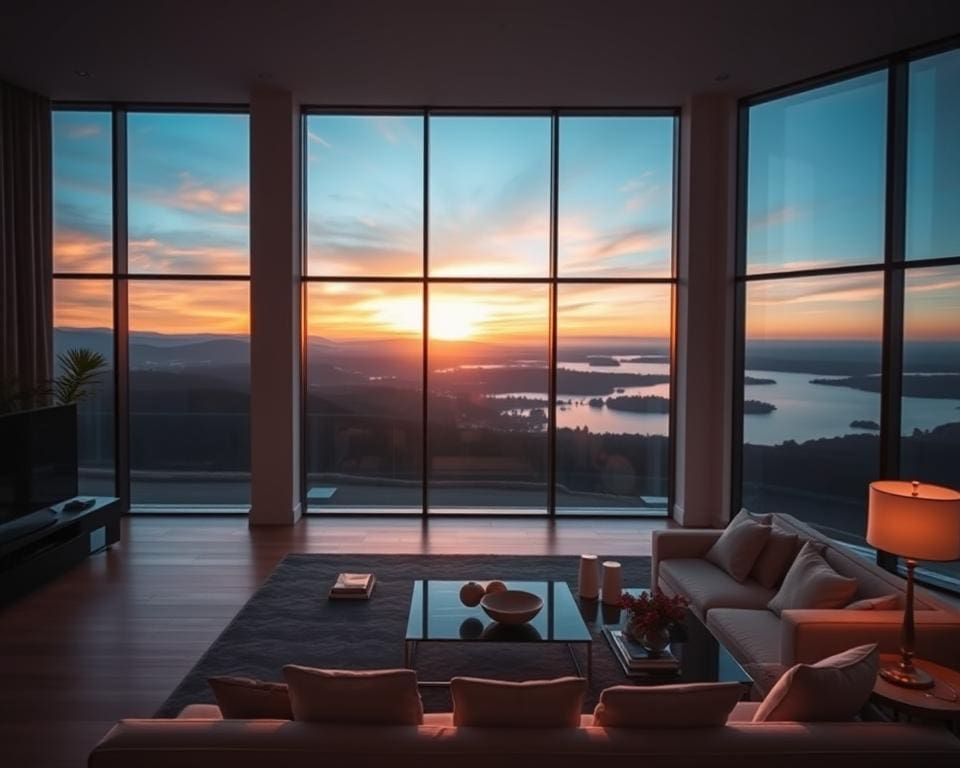
Panoramic glazing can transform a home in ways that go beyond simple appearance. Large windows home aesthetics benefit from enhanced views, amplified natural light and a stronger indoor–outdoor connection that makes rooms feel larger and more inviting.
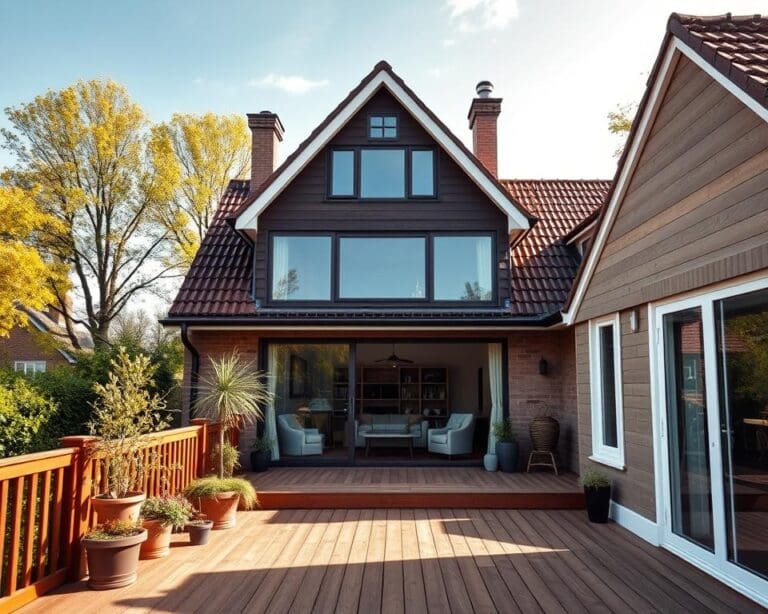
In the UK, homeowners renovating Victorian and Edwardian terraces, suburban detached houses or new-build contemporary schemes increasingly specify floor-to-ceiling windows to modernise façades and frame gardens, parks and coastal outlooks. The glazing impact on design is immediately visible: a modest living room can become a light-filled focal space with clear sightlines to the outside.
Beyond looks, panoramic windows offer practical gains. Thoughtful use of panoramic glazing can improve mood, highlight interior colours and increase perceived property value when done well. Yet suppliers and installers such as Schüco, Reynaers, Velfac and Origin are often needed to deliver the finishing details that make the change feel premium.
Planning and compliance should not be overlooked. In conservation areas or listed buildings, planning permission may be required, while Part L and safety rules govern thermal performance and glazing safety. Structural assessment for large openings is essential to ensure a confident and lasting home transformation with windows.
Read on for design guidance, staging tips and maintenance pointers that will help you balance the inspirational appeal of panoramic windows with the technical realities of installation and long-term performance.
How do panoramic windows impact home aesthetics?
Panoramic windows can change a house’s feel in moments. They redraw sightlines, invite light and frame views so that interiors feel larger and more connected to the garden or street. The impact of panoramic windows goes beyond scale; it shapes atmosphere, circulation and how rooms are lived in.
Immediate visual transformation and sense of space
Replacing a solid wall with wide panes delivers an instant visual transformation. Rooms that once felt enclosed gain depth as sightlines extend to the outside.
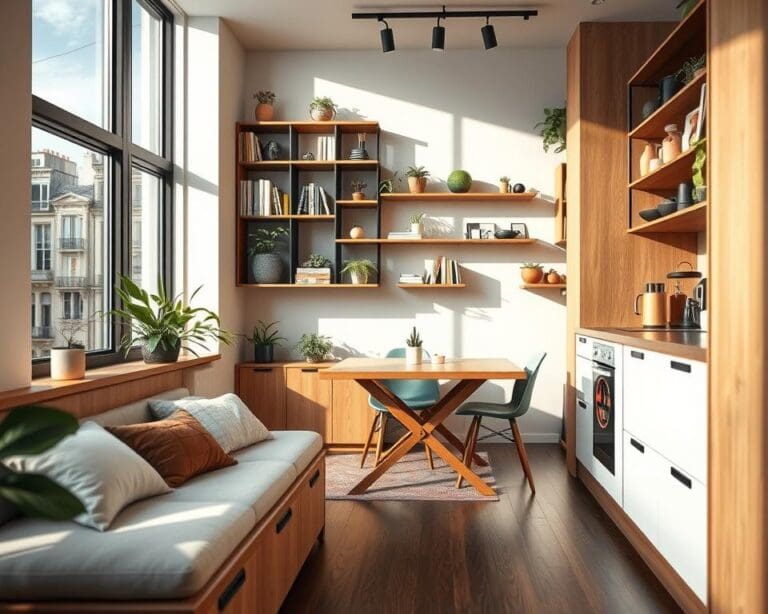
Floor-to-ceiling and corner glazing lift perceived ceiling height and rebalance proportions in open-plan kitchens and living areas. Minimal frames reduce clutter, offering a clean, expansive aesthetic that reads as both modern and calm.
Creating a seamless indoor–outdoor connection
Well-detailed panoramic glazing creates a true indoor–outdoor flow. Slim-framed sliding doors, lift-and-slide systems and frameless corners blur the boundary, making terraces and patios feel like room extensions.
Level thresholds and careful weatherproofing matter. Integrating decking or paving with the internal floor finishes cements the visual link and supports outdoor living trends across the UK.
Influence on natural light, mood and colour perception
Increased daylight from large windows changes mood and rhythm. Natural light and mood are closely linked; brighter interiors support well‑being and reduce daytime reliance on artificial lighting.
Daylight alters hues and textures. Paints, fabrics and timber take on new depth, so colour schemes may need adjusting to avoid glare or harsh contrasts. Orientation and solar control are key to year‑round comfort in variable British light.
Architectural harmony with contemporary and traditional homes
In glazing in contemporary architecture, panoramic solutions pair naturally with slim aluminium frames and open plans. They reinforce minimalist, Scandinavian and industrial design cues.
When used sensitively in glazing in traditional homes, wide panes can respect period character. Slim sightlines, suitable finishes and discreet positioning—often at rear elevations or in single‑storey extensions—help maintain heritage value while unlocking modern benefits.
Design considerations to enhance style and atmosphere
Careful design choices turn panoramic glazing into a signature element of a home. Consider how framing for panoramic windows, glazing materials and window proportions by room will shape sightlines and aesthetics. These choices guide mood, daylight and how rooms will be used.
Framing, sightlines and choice of materials
Select frame materials to match style and performance. Aluminium gives slim sightlines and the strength to span wide openings. Engineered timber brings warmth and can be paired with aluminium exteriors for low maintenance. uPVC is budget-friendly yet can be bulkier, which may interrupt sightlines.
Minimise visible frame width to boost the glass-to-frame ratio. Slim frames create seamless views. Deep frames can be used as a deliberate design feature or to house seating and storage. Choose minimalist hardware and corrosion-resistant fittings for coastal homes.
Glass types, tinting and thermal performance
Double- or triple-glazed units improve comfort and reduce condensation. Specifying low-E glass and argon or krypton fills enhances insulation and meets Part L requirements. Consider laminated glass where safety and acoustic control are priorities.
Solar control glazing and tinted options reduce glare and overheating on south- and west-facing facades. Look to established manufacturers such as Pilkington, Saint‑Gobain or AGC for specialist products that balance light, heat and view. Ventilators or opening panels maintain airflow without breaking the continuous glazing aesthetic.
Window proportions and room function
Match window proportions by room to intended use. Living and dining areas benefit from floor-to-ceiling glazing for drama and connection to the garden. Bedrooms often require controlled openings for privacy and thermal comfort.
Apply simple proportion rules when planning: leave wall space for furniture and circulation, use low sills for seating and higher sills where radiators or storage are needed. Orient glazing to make the most of natural light while planning shading strategies for south and west exposures.
Practical aesthetic benefits for interior design and resale value
Panoramic glazing can lift a room’s mood and value at once. Thoughtful use of panoramic windows interior design makes living spaces feel calm, spacious and connected to the garden. The right treatment turns a view into a living backdrop that changes with the seasons.
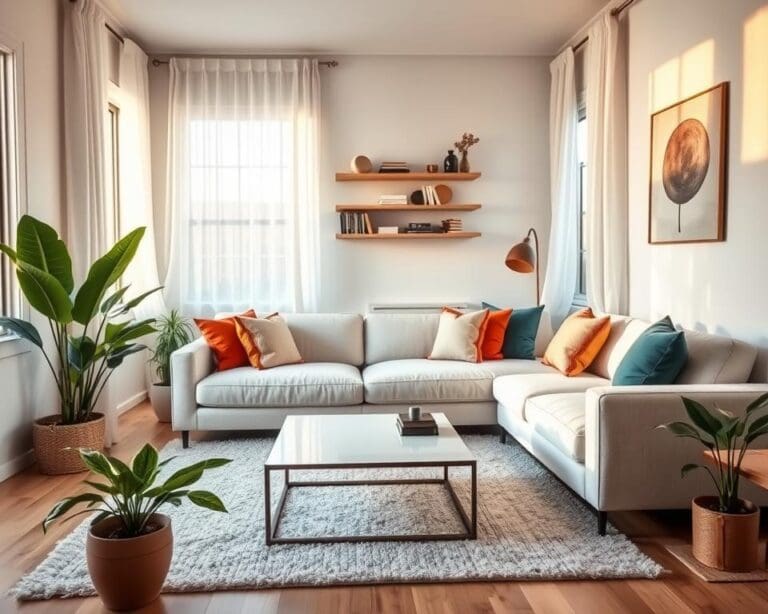
Keep furnishings low and textural to avoid blocking sightlines. Timber chairs, linen sofas and stone surfaces pair well with large glass expanses. Position seating to face the view and use rugs to anchor zones without competing with the window.
Layer artificial lighting so rooms remain inviting after dusk. Dimmable ceiling lights, task lamps and subtle wall-wash fittings preserve emphasis on the aperture while providing practical illumination. Choose motorised blinds or recessed curtains for privacy that stays neat and minimal.
Perceived value: curb appeal and marketability
Well executed glazing boosts curb appeal glazing by signalling modern updates and abundant light. Estate agents often highlight generous glass in listings because buyers value airy, open-plan rooms and bright extensions.
Mind the context. Glazing and resale value rise when designs respect the street scene and local character. In conservation areas, sympathetic proportions and materials secure better reception than overly assertive glasswork.
Staging tips to showcase expansive glazing
- Declutter window zones. Keep surfaces tidy and avoid tall plants or furniture that interrupt views.
- Use neutral walls and reflective finishes, such as pale stone or mirrors, to amplify daylight and make rooms read larger.
- Arrange key pieces so the sofa or dining table frames the view in photographs and during viewings.
- For evening viewings, light both interior and exterior. Garden uplights and internal accents make glazing appear warm and inviting.
- Hire a professional photographer who times shots for soft daylight or overcast conditions to capture true ambience and the marketability of glazed extensions.
Challenges, privacy and maintenance for panoramic glazing
Panoramic window challenges are real but manageable. Large glazing can lead to overheating on south- and west-facing façades; solar-control glass, external shading such as awnings or louvres, and deciduous planting provide seasonal relief. For glare and UV fading, choose solar-control coatings and consider internal blinds to protect fabrics and artworks.
Privacy is often a concern and glazing privacy solutions should be planned from the start. Frosted sections, privacy films and motorised blinds give flexible visual screening, while hedging or fencing can soften sightlines outdoors. For glazing security, specify laminated glass, multi-point locking systems and robust sliding or folding hardware to meet or exceed Secured by Design guidance.
Window maintenance large glazing requires foresight. Larger panes need regular cleaning; tilt-and-turn vents, external access platforms or self-cleaning coatings such as Pilkington Activ reduce effort and risk. Frame care matters too: timber needs periodic treatment, while aluminium and uPVC benefit from inspections of seals and drainage channels to avoid water ingress.
Condensation prevention and long-term costs must be balanced with aesthetics. Use thermal-break frames, high-performance or triple glazing and correct insulation to limit internal condensation and thermal bridging. Choose accredited manufacturers and installers, check warranties, and consider maintenance agreements to protect investment and ensure panoramic glazing delivers its design promise for years to come.