A cosy bedroom is a sanctuary for rest, relaxation and wellbeing. The right bedroom furniture cosy choices—form, material, scale and placement—do more than fill a room; they shape mood and comfort alongside colour, textiles and lighting.
In the UK, homes range from compact flats to Victorian and Edwardian houses with lofty proportions. Practicality matters: choosing cosy bedroom furniture that fits room size and circulation keeps a space snug rather than crowded. Sources such as Ideal Home, Grand Designs and House & Garden champion layering, human scale and uncluttered storage as reliable principles for warm bedroom ideas.
Durable, sustainable materials like solid oak and natural fibres not only read as comforting but age well, making them smart long-term picks for bedroom furniture UK shoppers. This article will guide you through core pieces, storage solutions and finishing touches so you can create a cosy bedroom setup that improves flow, reduces visual clutter and feels emotionally uplifting.
Creating a cosy bedroom: core furniture pieces and layout tips
A cosy bedroom begins with a clear plan that balances comfort and scale. Choose pieces that anchor the room, leave space to move and layer textures to invite rest. The guidance below helps you pick a bed frame cosy enough to set the tone, bedding that holds heat without weight and compact bedroom furniture that keeps the space feeling calm.
Selecting the right bed frame and headboard
The bed is the room’s anchor; size, finish and material shape mood. An upholstered headboard in linen or velvet adds softness and absorbs sound, while a solid oak or walnut frame gives warmth and long life. Look at Sofa.com for upholstered options or Feather & Black for tactile designs.
Pick a bed proportionate to room dimensions. In many UK rooms a double or king works well. Aim for at least 60–75 cm of clearance for circulation where possible. For smaller spaces, a low footboard and slatted base keep the profile light and airy.
Consider sprung slats or a divan for storage and comfort. These choices support posture and free up floor space, especially when you need compact bedroom furniture without compromising on sleep quality.
Matteress and bedding choices that enhance warmth and comfort
Choose a mattress for warmth that combines support with pressure relief. Pocket-sprung, memory foam or hybrid models suit most sleepers. Hypnos is a reputable UK maker known for durable, supportive mattresses.
Layer bedding for flexible comfort. Start with natural-fibre sheets, add a breathable duvet and finish with a wool or cashmere throw for insulation. Follow tog guidance: 10–13.5 for lighter seasons and 13.5–15+ for colder months.
Protect and prolong your mattress with a good protector, air and rotate regularly. These habits keep the bed feeling fresh and warm over time.
Bedside tables and lighting for a layered, inviting atmosphere
Choose bedside tables at or just below mattress height for ease of reach. Mix-and-match pieces give a collected look while keeping surfaces functional. Keep one area clear for water and phone and use a small tray for loose items.
Layer lighting with a warm colour temperature (2700–3000K). Combine ceiling light with bedside lamps and a low-level accent to create depth. Wall sconces save surface space and work well with compact bedroom furniture.
For bedside table styling, balance utility and mood. A book, a small plant and a scented candle make the space feel lived-in without clutter.
Optimising layout for flow and intimate scale
Plan circulation first. Where possible leave 70–90 cm of walking space. In tighter UK rooms reduce this thoughtfully and use slimmer furniture to keep pathways clear.
Position the bed so it is visible on entry and avoid placing it directly beneath windows if drafts or noise are an issue. Use rugs, lighting and furniture placement to create a small seating or dressing zone and keep the sleeping area distinct.
Check plug sockets, radiators and door swings before finalising the layout. These practical details preserve comfort and make a cosy bedroom layout feel intentional rather than crowded.
How to choose storage that supports a cosy aesthetic
Storage shapes the feeling of a room. Thoughtful choices keep a bedroom serene while making daily routines easier. Aim for pieces that hide clutter, add texture and fit the scale of your space.
Built-in versus freestanding wardrobes
Built-in wardrobes UK are excellent for awkward alcoves and small rooms. They use every inch of space, create a seamless wall and reduce visual noise. Many UK makers offer shaker-style doors or matt painted finishes that feel warm and calm. Expect higher costs and longer lead times than ready-made options. Proper ventilation matters in damp climates; a good installer will advise on vents to prevent mould.
Freestanding wardrobes suit renters or those who like to rearrange. Vintage freestanding wardrobes bring character and warmth when made from solid wood such as oak or pine. They tend to be more affordable and easy to replace. Match finishes to other furniture to anchor the scheme and keep the bedroom feeling cohesive.
Chest of drawers and dressers
Choose proportions that reflect what you store. Wider, shallower drawers work well for knitwear. Deeper drawers suit bulky jumpers and seasonal bedding. Use organisers and dividers to keep small items tidy and accessible.
Warm wood tones and muted matt paints help a chest of drawers cosy blend with soft textiles. Keep surfaces simple: a small lamp, a mirror and a tactile bowl or woven basket for jewellery. British makers such as Ercol, Heal’s and Barker & Stonehouse offer pieces that marry craft with comfort.
Under-bed storage and multi-purpose furniture
Under-bed storage ideas are vital in compact UK homes. Consider divan drawers, shallow rolling boxes for linens and vacuum bags for occasional duvets. Lift-up beds free up large volumes without visible clutter.
Multi-purpose bedroom furniture makes small spaces more liveable. An ottoman with storage, a desk that doubles as a dressing table or a bench with hidden compartments adds function without fuss. Label boxes and rotate seasonal items to keep the room calm and easy to maintain.
Prioritise solutions that reduce visible clutter and support a tactile, lived-in look. The right mix of built-in wardrobes UK, well-chosen freestanding wardrobes and clever under-bed storage ideas will enhance comfort while keeping the room feeling intimate and organised. Multi-purpose bedroom furniture and a considered chest of drawers cosy approach complete the scheme.
bedroom furniture cosy
Create a bedroom that feels like a warm embrace by choosing materials and finishes that invite touch. Warm timbers such as oak, walnut and beech add natural grain and patina. Opt for FSC-certified pieces where possible to combine beauty with responsibility. For painted surfaces, pick matte or eggshell finishes to diffuse light and reduce glare, helping cosy furniture finishes read as soft rather than shiny.
Textiles make a room feel lived in. Use wool, cotton, linen and cashmere for upholstery, throws and cushions to add insulation and layered texture. Introduce brushed brass or aged iron sparingly for character. These metal touches should accent rather than dominate so the overall effect remains warm and tactile bedroom accents feel inviting.
The scale of furniture matters for comfort. Choose pieces that match human proportions: armchairs with comfortable seat heights, low-profile beds that ease access, and bedside tables within arm’s reach. Balance visual weight by pairing a solid wardrobe with slim-leg tables or an open shelving unit to keep the space feeling snug, not cramped.
Rugs define a bedroom’s footprint. Pick an area rug that extends 50–90 cm beyond the bed sides to create a soft landing and a sense of enclosure. This simple rule helps dimension the room and supports a cosy colour palette UK that flatters natural light in British homes.
Mixing old and new gives a room personality. Pair a modern upholstered bed with a vintage oak chest or an Art Deco mirror to create a vintage modern mix that reads as curated rather than cluttered. Hunt at local antiques markets, auction houses and platforms like Etsy or eBay for authentic finds that bring history to your scheme.
To keep cohesion, repeat a material or colour across both vintage and contemporary pieces. A warm wood tone echoed in picture frames or a lamp base ties diverse items together. Small, repeated motifs help the vintage modern mix feel intentional and harmonious.
Choose a cosy colour palette UK suited to local light. Warm neutrals such as cream and oatmeal work well as bases. Add soft sage, muted terracotta or deep navy as accents to lift the scheme without overpowering it. Swap throws and cushion fabrics seasonally: linen for cooler summer evenings, wool and chunky knits for winter warmth.
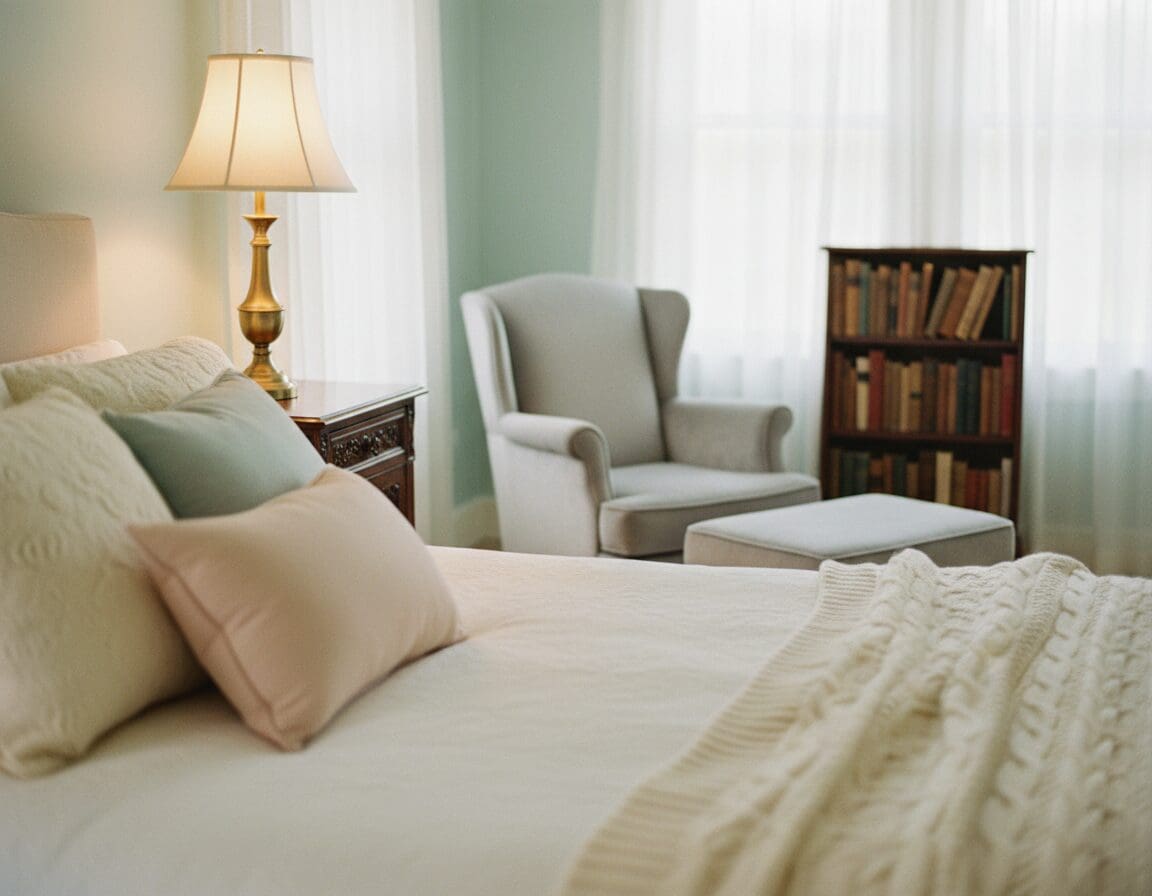
Finish with tactile bedroom accents that invite touch: knitted throws, sheepskin rugs, layered cushions and textured lampshades. Vary sizes and patterns but keep a coherent tone so the room reads as calm and lived-in. These details make bedroom furniture cosy materials sing together and help create a welcoming, human-centred sanctuary.
Accessories and seating to complete a warm bedroom sanctuary
Choose seating that invites lingering. A bedroom armchair cosy in boucle or velvet creates a reading nook beside a window when paired with a small side table and a lamp. For tighter rooms, a compact slipper chair or a cushioned window seat offers bedroom seating ideas without overcrowding the floorplan.
A bench or ottoman at the foot of the bed adds function and form. A padded top gives comfort for dressing and a hollow base hides blankets or shoes. Check proportions so seating height and depth suit reading or dressing, and keep visual balance with the bed to sustain the warm bedroom sanctuary vibe.
Cosy bedroom accessories are the small touches that deepen mood. Layer rugs in wool or jute for warmth and sound damping. Add cushions, throws and a bed runner in knit, bouclé or faux fur to create texture. Introduce low-maintenance plants such as snake plants or an orchid and hang a mirror to bounce light and create depth.
Finish with thoughtful bedside accessories UK shoppers can find easily: a dimmable bedside lamp, a reed diffuser or soy candle with lavender or cedar, washable cushion covers and a neat tray for nightly essentials. Prioritise mattress and bedframe first, then layer seating, storage and accessories, and consider local British upholsterers or carpenters for bespoke, sustainable touches that keep the room feeling lived-in and restful.