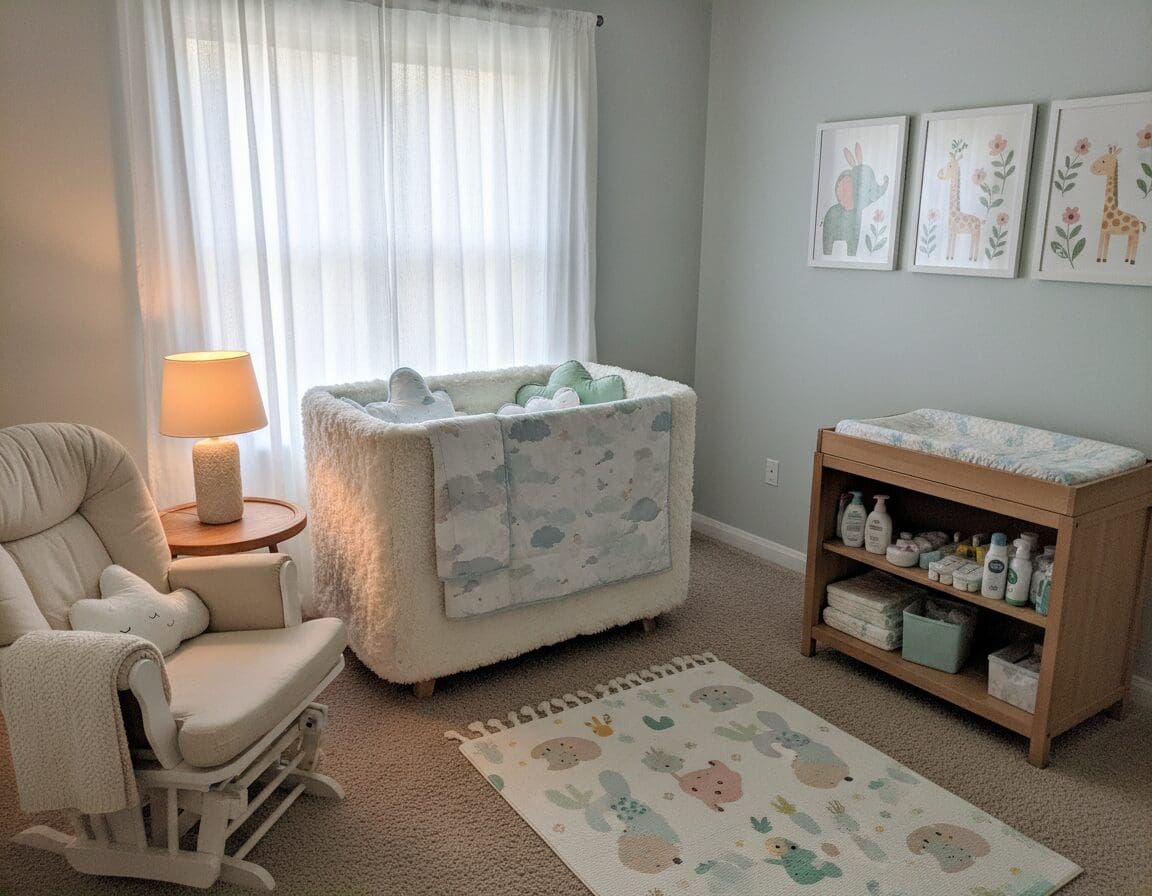
Designing a comfortable baby room blends practical care with a calm aesthetic. This guide helps expectant parents, new parents and carers in the UK plan a cosy nursery that supports sleep, safety and daily routines. We will reference NHS guidance and British Standards for nursery furniture to keep baby room comfort at the heart of each decision.
First, consider functionality for night-time care: cot placement, clear sightlines and space for a nursing chair make late-night feeds easier. Cot safety and fire-retardant textiles are essential factors as you choose furnishings and soft furnishings that meet British Standards.
Next, think about a soothing environment that aids development. Simple baby room design ideas—calm colours, soft lighting and layered textiles—create a cosy nursery without overwhelming sensory input. Practical elements such as ventilation, temperature control and smart storage boost long-term usability.
The article will move from planning and safety to creative nursery design UK ideas, then to lighting, temperature and storage, and finally to personal touches that support growth. By the end, you will have actionable advice and product categories to design a comfortable baby room that adapts as your child grows.
Essential planning for a cosy and safe nursery
Good nursery planning begins with clear measurements and a calm mindset. Start by mapping floor area, window and door positions, radiators and sockets so you know the usable space. This makes it easier to plan sleeping, changing, storage and a small play or feeding area without crowding pathways for night-time care.
Assessing room size and layout
Measure the room accurately and note clearances around a cot; aim for at least 60 cm to allow easy access. Check how natural light moves through the day and avoid cot placement in strong late-afternoon sun. Look for alcoves or chimney breasts that can become cosy nooks.
Plan vertical solutions when floor space is tight. Wall-mounted shelves and slim storage free up a play zone. Consider circulation so you can move a nappy bin, rocking chair and laundry basket without obstruction.
Choosing a reliable safety checklist
Use trusted guidance from NHS cot safety advice, British Standards such as BS EN 716 and RoSPA tips when forming your nursery safety checklist. Focus on firm mattresses, fitted sheets and removing loose bedding from the cot.
Inspect window locks, safe blind cords and smoke and carbon monoxide alarm placement. Secure tall furniture to walls and keep heaters and sockets out of reach. Plan age-related transitions so stairgates or bed guards can be fitted when needed.
Budgeting for long-term use and growth
Set a sensible baby room budget that prioritises safety and sleep essentials: cot, mattress and a reliable baby monitor. Choose convertible items that become bed or dresser pieces to spread cost over years.
Save where possible by buying high-quality second-hand for non-safety items from reputable sellers. Allocate budget lines for safety & sleep, furniture & storage, textiles, lighting & heating and decor. Invest in adaptable nursery furniture as neutral base pieces that accept small, affordable updates as your child grows.
baby room design ideas
Creating a calm, practical nursery begins with simple choices that last. Think about how colour, furniture and soft fabrics will work together. Small decisions now save time later and make daily routines feel effortless.
Choosing a calming colour palette
Select muted, low-stimulation hues to encourage rest and focus. Soft greys, warm beiges, sage green or muted blues help settle a baby and suit many styles.
Use the 60-30-10 rule: dominant neutral, secondary mid-tone and a small accent. Choose low-VOC emulsion paints for indoor air quality. Brands such as Farrow & Ball, Dulux and Earthborn offer calmer nursery colours and safer finishes.
Introduce accents with removable wallpaper panels or decals placed high on the wall. Keep features out of reach once the baby starts to stand.
Selecting multi-purpose furniture
Pick pieces that adapt as your child grows. A cot that converts to a toddler bed and a changing unit that becomes a dresser reduce waste and future expense.
Look for compact, space-saving options: wall-mounted changing surfaces, fold-away nursing chairs and chests that double as changing stations with secure tops. Choose timber from sustainable sources and items that meet European safety standards.
Retailers such as Ikea and John Lewis & Partners stock modular systems and convertible designs that suit modest budgets and small rooms. Multi-purpose nursery furniture lets you keep the room flexible.
Incorporating soft textiles for comfort
Layer breathable, washable fabrics to create a cosy bed and a calm play area. Cotton or bamboo sheets, a waterproof mattress protector and hypoallergenic blankets make care simple.
Choose low-pile or natural-fibre rugs with a non-slip underlay for a warm play surface that reduces dust build-up. For windows, blackout curtains or Roman blinds with thermal linings support nap time and temperature control.
Check fire-safety details and manufacturer guidance when selecting nursery textiles. Secure cords and pick materials that are easy to launder.
Designing flexible zones for sleep, play and changing
Lay out separate areas to keep routines clear. Place the cot in a quiet corner away from doors and direct draughts. Position the changing area near storage for nappies and creams to cut trips across the room.
Create a comfy feeding nook with a chair and side table. Make a soft play spot with toy storage that can be reconfigured as needs change. Use baskets and labelled drawers to rotate toys and limit overstimulation.
Plan nursery zoning so items are reachable at the right stage. Low shelves for baby-safe toys and adaptable shelving systems help the room evolve with your child.
Practical considerations: lighting, temperature and storage
Creating a calm, safe nursery depends on a few practical choices. Think about how light, heat and storage work together to support sleep, feeds and play. Small adjustments to nursery lighting, nursery temperature and nursery storage solutions make a big difference to daily life.
Optimising natural and artificial lighting
Maximise daylight to help the baby’s circadian rhythm, while using blackout blinds for naps. Choose window treatments that give both privacy and good light control. Layer artificial light with an overhead ambient fitting, task lamps for changing and a low-level night light for feeds.
Warm-colour LEDs in the 2700–3000K range reduce blue light at night. Fit dimmable switches or plug-in night lights with a soft amber glow. Secure fixtures and conceal cords to keep the cot area safe.
Maintaining a comfortable temperature and ventilation
Keep the nursery temperature between 16–20°C as recommended by NHS guidance to lower the risk of overheating. Use thermostatic radiator valves for steady control. Avoid portable fan heaters in the room for safety reasons.
Provide regular fresh air with safe window opening and restrictors to prevent accidents. Position the cot away from draughts. Consider mechanical ventilation in very airtight modern homes and monitor humidity to prevent mould. A hygrometer and an air purifier can help maintain good baby room ventilation and air quality.
Smart storage solutions to reduce clutter
Use vertical storage such as tall units and wall shelves to free floor space. Label stackable boxes for seasonal clothes and rotate toys to keep the room calm. Under-cot boxes and drawer organisers make it easier to access nappies and small items.
Choose dual-purpose furniture like storage benches or ottomans with soft-close lids for seating and containment. Anchor tall pieces to walls with anti-tip kits and keep small objects out of reach to reduce choking hazards. Thoughtful nursery storage solutions keep essentials handy and visible.
Noise reduction and creating a soothing sound environment
Absorb sound with heavy curtains, rugs and upholstered furniture to improve nursery noise reduction. Add acoustic panels if traffic or neighbour noise is a problem. Place the cot away from walls shared with noisy rooms where possible.
Use white-noise machines or apps to mask sudden sounds, keeping levels below 50–60 dB near the cot. Keep the door slightly ajar for quick access and fit soft-close hardware on drawers to avoid startling the baby. Those small steps help create a reliably soothing sleep environment.
Personal touches and developmental elements to nurture baby
Add gentle personal touches to make the room feel like home. Secure family photos in sturdy frames and display an heirloom blanket or soft toy where it cannot fall into the cot. Simple name plaques, growth charts and removable decals give a personalised nursery charm without permanent changes, and careful fixing keeps items safely out of reach.
Design with developmental nursery elements that support sight, touch and movement. Start with high-contrast mobiles and black-and-white cards for newborn visual stimulation, then introduce muted colour patterns as vision matures. Provide varied textures in cot-safe toys and soft books, plus knitted blankets and different fabric finishes to encourage tactile exploration.
Create a small play corner with a low-level shelf holding grasp-and-stack toys and simple cause-and-effect items to foster motor skills. Include a soft floor area for supervised tummy time with mirrors and tactile toys. A consistent feeding corner, bedtime lighting ritual and a dedicated changing station help babies learn cues and feel secure.
Keep the room adaptable with replaceable wall art, modular shelving and toy rotation to maintain interest without overstimulation. Choose durable, ethically made furniture and toys where possible, such as FSC-certified timber or brands offering take-back schemes. Thoughtful nursery decor ideas and sensory nursery touches can turn baby room design ideas into a nurturing, long‑lasting space for both child and family.