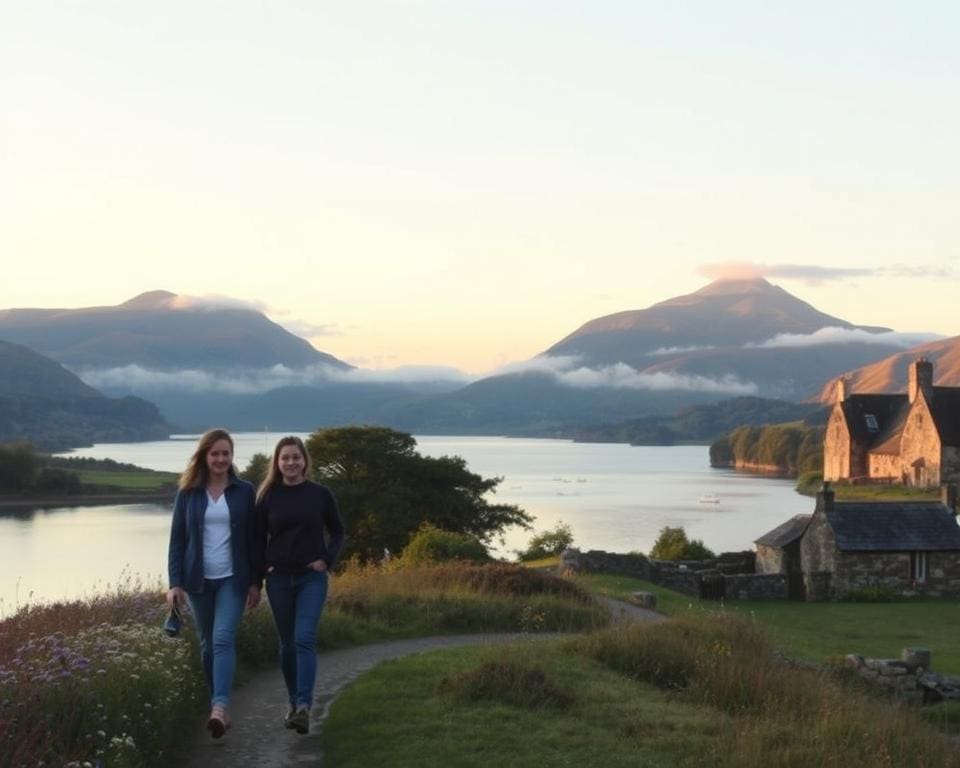
This Lake District travel guide helps you plan a Lake District holiday that centres on rest and calm. You will find straightforward advice to build a relaxing Lake District getaway rather than a rush of attractions.
The region’s UNESCO World Heritage cultural landscape, large lakes such as Windermere, Ullswater and Derwentwater, and tranquil valleys like Coniston and the Western Lakes make it ideal for a peaceful Lake District break. Picturesque villages including Ambleside, Grasmere and Hawkshead, along with historic houses like Hill Top and Dove Cottage, favour slow travel and gentle pacing.
In the sections that follow you will learn how to choose the best season for your needs, pack for changeable weather, select quiet accommodation and craft a realistic itinerary. Practical tips cover lakeside picnics, gentle walks, boat trips and spa time so your holiday stays restorative from start to finish.
Preparing for your Lake District holiday
Planning ahead makes a calm holiday possible. Start with a quick look at Lake District seasons so you match weather and mood to your aims. A clear idea of when to visit Lake District helps you avoid crowds and pick the right rhythm for relaxation.
Choosing the best time to visit
Spring (March–May) brings blooms, quieter paths and rising daylight, which suits gentle exploration. June offers milder temperatures and long evenings for dawdling by the water. July and August are warmest but busy around Windermere and major fells. September and October give crisp air and dramatic colours with fewer people. Winter (November–February) is peaceful with lower prices and possible snow, though services can be limited and days are short.
Think about your goals when deciding when to visit Lake District. For tranquillity pick late spring or early autumn. For longer daylight choose June. For solitude and lower costs consider January or February but expect some closures.
Setting a relaxing pace and realistic itinerary
Slow travel Lake District works best if you base yourself in one or two villages. That reduces unpacking and long drives on narrow lanes. Build short daily plans with one or two meaningful activities to keep energy high and stress low.
Try a leisurely Lake District schedule: a gentle morning walk or lakeside breakfast, a restful midday, an afternoon boat trip or house visit and an early evening pub or spa. For a week alternate active and rest days, for example: a low-level ridge walk, a village exploring day and a spa or rest day.
Realise travel times can be slow. Allow extra time for narrow roads and tourist traffic. Book key experiences in advance but keep plans flexible so rest stays the priority.
Packing for comfort and variable weather
Follow a Lake District packing list built for changeable conditions. Use a layering system: base layers, a fleece mid-layer and a waterproof breathable shell such as Gore‑Tex. Bring sturdy waterproof walking shoes for wet terrain and comfortable trainers for village walks.
Include accessories: a waterproof daypack, compact umbrella, warm hat and gloves for cooler months, sunhat and sunscreen for summer. Add a reusable water bottle, binoculars and a camera. For long journeys pack a travel pillow and slippers for cosy evenings.
Think about tech and maps. Download offline OS Maps or ViewRanger, local timetables and vouchers. Carry a power bank and adaptors. Roll clothes and use packing cubes to stay organised and keep an accessible waterproof layer for sudden rain.
Budgeting and booking tips
Start with the main cost areas: accommodation, travel, meals, activities and parking. Lake District holiday costs vary by season and location. You can cut expenses with a budget Lake District break by visiting off‑peak, choosing self‑catering cottages or guesthouses and using local bakeries and pubs.
Book early for peak months and prefer flexible rates if plans may change. Compare direct booking with platforms such as Booking.com and independent cottage agencies like Sykes or Holidaycottages.co.uk. Read recent reviews and check noise and tranquillity comments.
Save on travel by booking advance rail fares with Avanti West Coast, Northern or TransPennine Express to Oxenholme, Windermere or Penrith. Consider park‑and‑ride and local buses to cut parking charges. Set a daily spending limit to avoid frantic rushing and to keep your relaxed Lake District itinerary on track.
Where to stay for a peaceful Lake District holiday
Choosing Lake District accommodation shapes the tone of your break. Think about how much privacy you want, whether you prefer to cook, and which tranquillity amenities matter most. Smaller properties often promise restful nights; larger hotels can offer relaxation facilities Lake District visitors value, such as pools and treatment rooms.
Comparing accommodation types
Self-catering cottages give you independence and a slow pace. You can cook, linger outdoors and avoid strict check-in times. Agencies like Sykes Cottages and Hoseasons list many options; local owners appear on VisitLakeDistrict for unique finds.
Boutique hotels and country houses suit guests seeking service and style. If you want a spa Lake District stay, look for hotels with treatment suites and heated pools. The Samling, Gilpin Hotel & Lake House, and Linthwaite House are known for high standards; check availability and reviews before booking.
Bed and breakfasts and guesthouses provide homely comfort and local tips. They work well for short stays when you prefer breakfast included. Use Tripadvisor and Booking.com to confirm quiet rooms and host responsiveness.
Glamping and campsites offer nature immersion without heavy planning. Consider woodland pods, shepherd’s huts or established sites such as Low Wray and Castlerigg Farm for a calm, outdoorsy base.
Best areas for tranquillity
For fewer crowds, aim for western and southern lakes. Coniston and the Duddon Valley offer gentle scenery and quieter lanes than busier Windermere shores. You will find secluded Lake District spots ideal for long walks and slow days.
Northern and central fells around Ullswater and the Eden Valley give access to scenic lakes with lower visitor density outside peak hours. Villages like Pooley Bridge and Glenridding feel peaceful on weekdays.
Smaller, lesser-known villages such as Hawkshead, Bouth, Elterwater, Kentmere and Caldbeck provide local pubs and footpaths without the hustle. Look for peaceful villages Lake District listings when you want calm evenings.
Certain lake-adjacent areas are quieter than main hubs. The west shore of Windermere, including Far Sawrey and Claife, and select Derwentwater shores offer lakeside tranquillity away from ferry crowds.
Facilities to prioritise for relaxation
Prioritise ensuite rooms, private outdoor spaces and comfortable beds for better rest. Private gardens, terraces or hot tubs enhance solitude. Check for blackout curtains and underfloor heating for extra comfort.
If pampering is your goal, focus on relaxation facilities Lake District hotels provide. Spa treatments, saunas and massage services help you unwind. Quiet lounges with views and in-house dining reduce the need to drive after a long day.
If you want a digital break, seek places that promote a “digital detox” vibe. Fast Wi‑Fi helps for occasional streaming, but an accommodation that encourages switching off supports deeper relaxation.
Accessibility and transport considerations
Think about Lake District transport and getting around Lake District plans before you book. Remote cottages bring peace at the cost of fewer shops and infrequent buses. If you do not drive, choose a base with good connections to Stagecoach or Fellrunner services and rail links at Windermere, Oxenholme or Penrith.
Driving gives freedom but expect narrow, single-track lanes, seasonal traffic and limited parking at popular spots. Opt for properties with private parking to reduce stress on arrival and departures.
Accessibility Lake District needs vary. Many National Trust sites and larger attractions offer ramps and adapted toilets. Contact hosts in advance to confirm step-free access, ground-floor bedrooms or mobility aids when required.
To minimise travel, pick accommodation near gentle walking routes, lakeside promenades or cycle hire hubs. That reduces reliance on cars and lets you savour peaceful cottages Lake District and quiet areas Lake District without long journeys.
Planning relaxing activities and experiences
Choose low-impact options that link you with the Lake District landscape and culture. Slow activities Lake District visitors praise include lakeside picnics, mindful photography and gentle strolls. Pick short routes like Tarn Hows circular walk, the Grasmere shore, Rydal Water near Dove Cottage, or Orrest Head above Windermere. Check gradients and distances with OS maps or book with guided gentle-walk providers to match your pace.
For calm experiences Lake District boat cruises offer a restful way to see the fells without effort. Book a Windermere cruise or an Ullswater Steamers trip for serene water time. Mix in visits to Hill Top, Dove Cottage, Rydal Mount and Levens Hall gardens in quieter midweek slots to avoid crowds and savour the atmosphere.
Food and wellness add depth to slow activities Lake District holidays. Enjoy tearooms and local produce like Cumberland sausage, sticky toffee pudding and cream tea, and visit Keswick or Ambleside markets for artisan treats. Many hotels and independent therapists in Ambleside and Bowness provide spa days, short massages or yoga classes. Dawn and dusk are best for wildlife watching; bring binoculars and check reserves such as RSPB Leighton Moss for guided events.
Plan low-effort days: lakeside breakfast, a late-morning cruise, lunch at a village pub, an afternoon in a garden or gallery, then an early-evening soak or a quiet read. Pre-book popular activities in peak periods but keep flexibility for weather; confirm cancellation and rescheduling terms. Carry water, waterproofs and a map, stick to marked paths, and follow the Countryside Code to protect habitats and enjoy truly calm experiences Lake District offers.