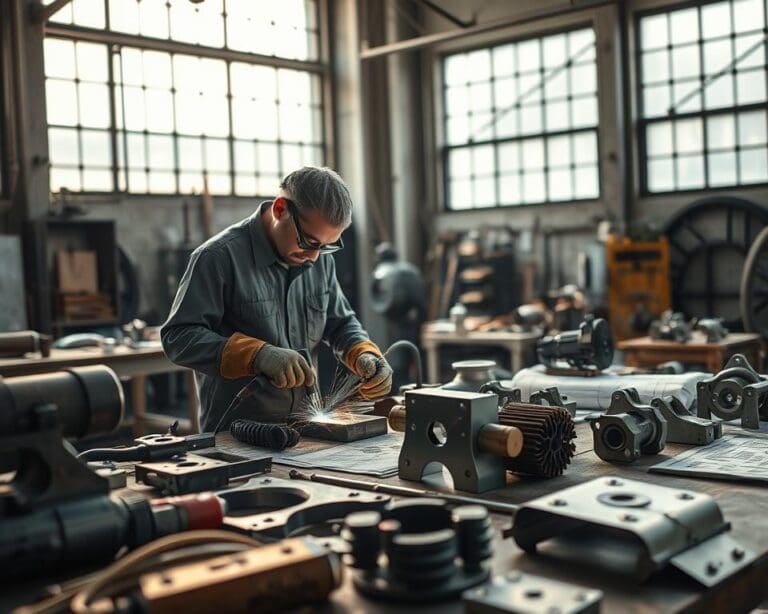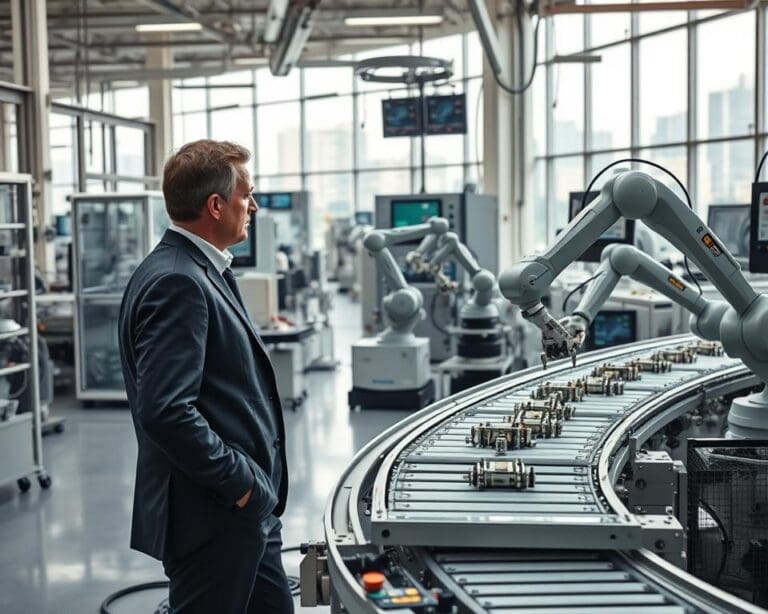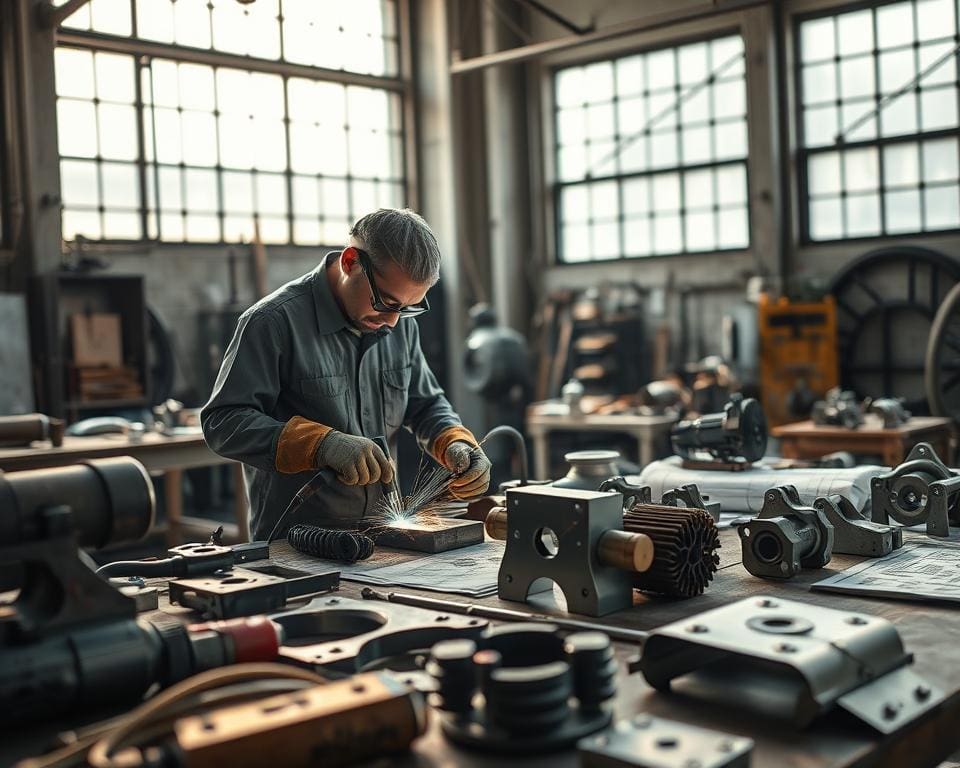
Custom metal fabrication is the process of designing, cutting, shaping, assembling and finishing metal components to meet your precise project needs rather than relying on off‑the‑shelf parts. In the UK, bespoke metalwork covers a wide range of services, from cutting using laser, plasma or waterjet to forming with press brake bending and rolling.
Joining and machining are core steps: welding methods such as MIG, TIG and arc are used alongside CNC milling and turning to achieve accurate tolerances. Finishing choices like powder coating, galvanising or anodising protect parts and extend service life.
Metal fabrication has clear fabrication advantages: you get a precise fit to specifications, improved structural integrity and the flexibility to scale from a single prototype to high‑volume production. Complex geometries and assemblies that standard components cannot provide are readily achievable with custom metal fabrication.
For projects in construction, architecture, automotive, marine, rail, industrial machinery and bespoke furniture, UK metal fabrication also means compliance matters. Adherence to BS EN standards, ISO 9001 certification and CE/UKCA marking where applicable gives you quality assurance.
When you commission local fabrication, practical outcomes include better performance, lower long‑term maintenance and potential cost savings through design optimisation. Using repairable, recyclable metals such as steel and aluminium can also reduce lead times, transport costs and environmental impact compared with many composites or plastics.
Why choose metal fabrication for your project
When you weigh options for structural work, custom pieces or event furniture, understanding why choose metal fabrication helps you pick the right route. Metal offers long life, predictable performance and flexibility that suits many industries in the United Kingdom. You can pair practical function with strong brand presence when you select bespoke metal solutions.
What metal fabrication involves
To know what is metal fabrication, think of it as an end-to-end workflow that begins with consultation and specification. You define function, load-bearing needs, tolerances, surface finish and timescales. Design and engineering follow with CAD modelling and, when required, finite element analysis to predict stresses and refine technical drawings.
Preparation and cutting use CNC laser for precision parts, plasma or waterjet for thicker or specialist materials. Forming and shaping include press brake bending, rolling and stamping to achieve the required geometry. Joining and assembly employ welding techniques such as MIG for speed, TIG for precision and arc/stick for heavy sections, plus riveting, bolting and adhesives where suited.
Surface treatments and quality checks complete the process. Typical finishes include shot blasting, galvanising, powder coating and anodising for aluminium. Nondestructive testing and dimensional inspection ensure components meet the specification and perform as intended.
Benefits of using metal for durability and performance
Discussing benefits of metal brings clear, factual advantages over many alternatives. Metals give high strength-to-weight ratios; steel fabrication supplies high tensile strength and fatigue resistance, while aluminium fabrication delivers light weight with good corrosion resistance when anodised. Stainless steels resist corrosion without extra plating in harsh or hygienic environments.
Metals show better fire resistance and dimensional stability under heat than many plastics. Their predictable mechanical behaviour makes engineering calculations straightforward. You gain recyclability and strong sustainability credentials because steel and aluminium have established recovery streams across the UK.
Whole-life value is important. Initial costs may be higher, yet long service life, weldable repair options and lower maintenance frequently produce superior long-term savings. For trade stands and repeat-use items, durability reduces replacement cycles and budget pressure.
Materials commonly used in fabrication
Common fabrication materials cover a broad spectrum to match performance needs. Mild or low-carbon steel suits structural frames and brackets; it is weldable, cost-effective and often supplied by British Steel or Tata Steel to BS EN standards. Stainless steel grades 304 and 316 serve corrosion-sensitive or food environments with hygienic finishes.
Aluminium alloys such as 6061 and 6082 are common for lightweight structures, cladding and transport parts; aluminium fabrication is popular for ease of machining, forming and anodising. Tool and alloy steels provide wear resistance for dies and specialised components.
Copper and brass appear where conductivity or decorative finishes matter. For outdoor structures, galvanised steel and weathering steel (Corten) deliver long-term protection or controlled patination. For bespoke seating and event furniture, partnering with a specialist can ensure brand cohesion and durable performance, as shown in examples of branded seating solutions found in recent industry projects that highlight practical benefits.
Custom metal fabrication advantages for businesses and designers
When you choose tailored fabrication solutions you gain parts and assemblies made to exact needs. Custom work lets you meet functional, dimensional and regulatory requirements without compromise. UK firms often ask for bespoke architectural balustrades and façades that satisfy building control and planning constraints.
You can specify machine frames that slot into existing plant and housings for healthcare equipment that meet strict hygiene standards. The process supports iterative development: prototype, test and refine through rapid prototyping and low-volume runs before moving to larger production.
Design for manufacture matters. Collaboration between designers, structural engineers and fabricators resolves manufacturability issues early. This ensures welds, joints and assemblies are optimised for cost, strength and ease of installation.
Custom fabrication also brings measurable savings across a product’s life. Tailored parts reduce the need to adapt off-the-shelf components or perform frequent replacements, cutting downtime and maintenance labour.
Design optimisation can lower transport and handling costs by using lighter materials. You can integrate multiple functions into a single fabricated assembly to reduce part count and simplify installation. Thoughtful surface finishes extend recoat intervals and save long-term upkeep.
Local UK fabrication helps guard against supply volatility and long logistics chains. For many buyers you will weigh capital expenditure against operational expenditure. Fabrication cost-effectiveness often appears in total-cost-of-ownership calculations and may influence eligibility for capital allowances on fabricated assets.
Bespoke metalwork for designers plays a big role in visual identity. Precision CNC work creates seamless joints. Decorative perforation patterns and laser-cut signage add distinct character to façades and interiors.
Finishes matter to user perception. Bespoke powder-coating in brand colours, brushed or mirror-polished surfaces and protective coatings help preserve looks in coastal or polluted urban environments. Manufacturers and architects use these techniques to craft signature looks for retail, hospitality and corporate spaces.
Balancing aesthetics with durability is crucial. Selecting suitable materials and protective treatments ensures the visual impact you want endures under UK weather and operational demands.
Practical considerations when commissioning custom metal fabrication
Before you approach a fabricator, prepare a concise brief that sets out functional requirements, load and safety criteria, sketches or concept images, preferred materials and surface finishes, a realistic timeline and a budget range. Note any applicable standards such as Building Regulations, BS EN 1090 for structural steelwork and ISO 3834 for welding quality. These details help during pre-qualification and make initial discussions more productive when commissioning metal fabrication.
When choosing a fabricator, carry out checks on accreditations like ISO 9001, welding qualifications such as CSWIP or equivalent, examples of previous work and client references. Ask about health and safety records and site capabilities. Request detailed quotes that separate design, materials, labour, finishing, testing and delivery so you can compare fabrication costs UK fairly. Clear, itemised quotes also reduce the risk of later variations.
Plan for realistic fabrication lead times by factoring in material availability, complexity, surface finishes and current shop workloads; build contingency into your schedule. Agree quality assurance steps up front: engineering drawing approval, dimensional checks, weld inspection reports, nondestructive testing where needed, and final sign-off procedures. Coordinate logistics early — site access, delivery windows, lifting and rigging needs and how installation will link with other trades.
Control costs by consolidating parts into assemblies, standardising components where practical and specifying off-the-shelf fasteners. Consider batch production to lower unit rates. Ask fabricators about recycled-content steel or aluminium, local sourcing and energy-efficient processes to improve sustainability and reduce transport emissions. Finally, confirm aftercare in the contract: warranties, maintenance schedules for protective coatings, inspection regimes for structural elements and availability of replacement parts or refurbishment services after handover.