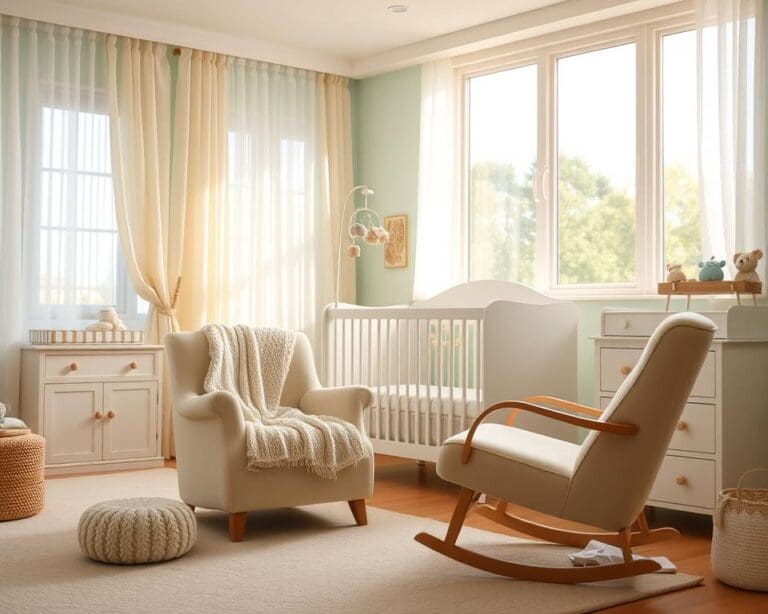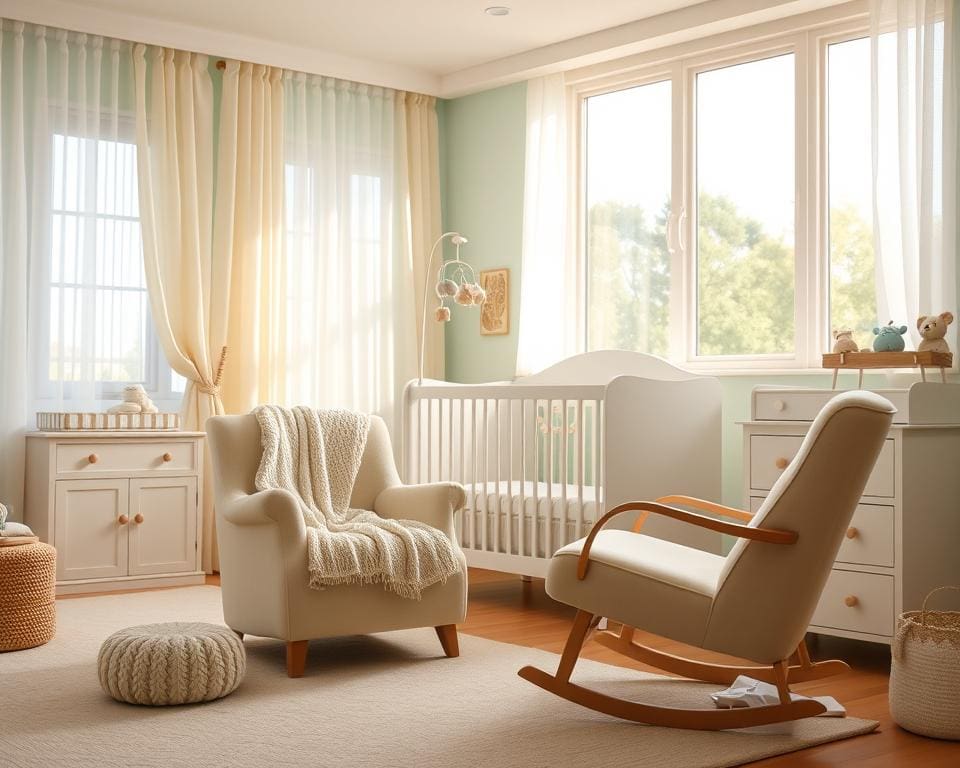
This short guide helps you create a stylish nursery that feels calm and practical. You’ll find simple nursery design ideas tailored to homes across the UK, whether you live in a compact flat, a cottage or a Victorian terrace.
A calm nursery matters for baby and caregiver wellbeing. Reduced stimulation supports sleep, lowers stress and helps you build routines. Clear zones, consistent colour tones and minimal visual clutter are core principles you can use right away.
Advice here suits new parents, those refreshing a toddler’s room and carers preparing a guest baby room UK. You’ll learn how to adapt layout and storage to smaller rooms and varied light, keeping style and function in balance.
Safety underpins every decision. Later sections revisit cot safety, mattress firmness, blackout curtains and safe storage. Always choose products that meet British safety standards and buy from trusted retailers such as John Lewis & Partners, Mamas & Papas, Stokke or Silver Cross for quality and compliance.
Quick checklist of what’s ahead:
– Planning zones and maximising light
– Soothing colour palette and calming accents
– Cot and mattress selection, clever storage and comfy seating
– Breathable textiles, rugs, blackout curtains, lighting and finishing touches
Designing a calming nursery layout
Start with a clear plan so your nursery layout feels calm and useful. Think about how you move through the room, where you will feed, change and encourage play. A considered plan reduces night-time disruption and makes daily tasks quicker and less stressful.
Planning zones for sleep, play and changing
Divide the room into distinct nursery zones: a sleep zone with the cot, a changing area with nappies and wipes nearby, and a play/interaction area. Place the sleep zone away from radiators, doors and busy hallways so sound and heat do not disturb naps.
Keep the changing area close to storage and a laundry hamper to speed up routines. Put the play area near windows on soft flooring to cushion tumbles and benefit from daylight.
For smaller UK homes, choose modular furniture, vertical shelving and dressers with convertible changing tops. Use rugs, open shelving or lightweight room dividers to mark boundaries in shared rooms.
Safety matters by zone. Secure tall furniture to walls with anti‑tip fittings, avoid cords and blind loops near the cot, and keep small toys only in the play zone to reduce choking risks.
Optimising natural light and window treatments
Design for a natural light nursery that supports wake and sleep rhythms. Preserve morning light for daytime activity while ensuring strong darkness for naps and nighttime sleep.
Layer window coverings: sheer curtains let in soft morning light and blackout curtains or linings create sleep-friendly darkness. Look to Dunelm, John Lewis & Partners or Made.com for robust blackout options that suit UK homes.
Choose cordless or motorised blinds to meet child safety guidance and lower strangulation risk. Follow the UK’s recommendations for corded window coverings and check RoSPA advice when installing blinds.
For older, draughty houses consider thermal-lined curtains or secondary glazing to improve insulation and sleep comfort while cutting energy loss.
Choosing a soothing colour palette and accents
Select a nursery colour palette built from neutrals and muted tones. Soft greys, warm beiges, sage greens, dusky blues and pastel terracotta calm the eye and reduce stimulation.
Bring interest with subtle accents: a cushion here, removable wallpaper there, or a small feature wall. Use brands like Farrow & Ball, Dulux or Little Greene for low‑VOC eggshell or matte finishes to avoid glare and fumes.
Keep finishes and textiles coordinated so the room reads as one calm space. This steady visual flow helps both you and your baby relax and feel at home.
nursery furnishings that blend style with comfort
Choose nursery furnishings that balance looks with practical care. Your room will feel calm when each piece meets safety standards and suits daily routines. Focus on a few quality items and clever storage to keep the space peaceful and usable.
Selecting a comfy cot and mattress for safe sleep
Pick a cot and mattress that follow UK safety rules, such as BS EN 716 compliant models. Consider solid wood cots from Stokke, Mamas & Papas or John Lewis & Partners for lasting quality. Convertible cots save space and money by adapting as your child grows.
Choose a firm, well-fitting mattress to lower SIDS risk. Look for breathable, hypoallergenic options from Silentnight or mesh-style designs where available. Avoid bumpers, loose bedding, heavy duvets or soft toys in the sleeping space. Use a fitted sheet and a suitable sleep sack for the season.
Adjustable base heights make lifting safer and easier. Lower the base when your baby starts to sit or stand to prevent accidents.
Nesting and storage solutions to reduce clutter
Mix open shelving with closed cupboards and baskets to balance display and concealment. IKEA Stuva or Platsa systems, Habitat units and John Lewis & Partners options work well in UK homes. Use under-cot drawers and wall-mounted shelves to free floor space.
Label baskets or use clear boxes for nappies, wipes and muslins. Rotate clothing sizes and keep seasonal items under the bed. Hang organisers on door backs for small items you need close at hand.
Pick furniture with rounded edges and non-toxic finishes. Anchor tall units to walls with anti-tip kits and follow advice from the Office for Product Safety & Standards to keep your nursery furniture UK choices safe.
Comfortable seating for you: rocking chairs and nursing seats
You need a supportive chair for night feeds and soothing. Ergonomic seating eases back and shoulder strain during breastfeeding or bottle-feeding. Look for a high back, good arm support and easy-to-clean upholstery.
Compare rocking or reclining chairs, gliders and armchairs with ottomans. Neptune, John Lewis & Partners and Mamas & Papas offer well-reviewed options across price points. Removable covers help with spills and stains.
Place nursery seating in your feeding zone with a side table for essentials and a soft task lamp to create a calm routine. Proper positioning makes feeds more comfortable and keeps your nursery seating practical day to day.
Soft textiles and materials to create warmth
Start with a few well-chosen nursery textiles to set a gentle, cosy tone. Natural fibres such as organic cotton, bamboo, linen and merino wool give breathability and a soft touch. Look for Oeko‑Tex or GOTS certification to avoid harsh chemical residues and pick items labelled for baby use when you can.
Choosing breathable, hypoallergenic fabrics
For bedding, favour cotton muslins for swaddling and fitted cotton sheets for the cot. Sleepsacks with appropriate tog ratings are a safe alternative to loose blankets. Brands like Aden + Anais for muslins and Gro Company for sleep sacks are widely available in the UK, and retailers such as John Lewis & Partners stock many nursery textiles.
Wash new items before first use with a fragrance-free detergent and avoid fabric softeners to cut residue. Choose hypoallergenic fabrics and machine-washable covers where possible to make upkeep easier for busy parents.
Be aware that some fabrics carry flame-retardant treatments. Whenever possible, select naturally flame-resistant fibres or nursery-specific sleepwear that meets UK safety standards.
Area rugs and blackout curtains for better sleep
Low-pile nursery rugs create a soft play surface and help reduce noise. Use non-slip underlays and pick washable or stain-resistant options from well-known retailers like RugVista, Wayfair UK or John Lewis & Partners.
Blackout curtains are key to consistent nap routines. Choose fully lined options or add a blackout lining to existing curtains, measure carefully and fit child-safe fixtures. Brands such as Dunelm and Silentnight supply effective blackout curtains nursery solutions.
Layer soft furnishings or fabric wall panels to improve acoustic comfort in rooms with hard floors. Regular vacuuming and spot-cleaning will keep rugs hygienic; consider professional cleaning for deep stains.
Layering with cushions and throws for texture
Cushions and throws add visual depth and tactile warmth to seating and play corners, but remove them from the cot before sleep. Mix woven cotton throws, knitted blankets and velvet cushions to build a cosy scheme without over-stimulating the space.
Choose cushions and throws nursery options with machine-washable covers and hypoallergenic fills. Avoid small buttons or tassels that could pose a choking risk. The White Company, John Lewis & Partners and Next offer practical, stylish choices that fit seasonal swaps.
Rotate cushions seasonally: lighter linens in summer and wool blends in winter. Fluff cushions regularly, spot-clean when needed and store spare soft furnishings in a cool, dark place to prevent fading and preserve shape.
Decorative cushions for a cosy living
Decor, lighting and accessories for a serene atmosphere
Start with a layered lighting plan that gives you control over mood and function. Fit ambient overhead lighting, a task lamp for feeds and nappy changes, and an accent source for gentle night-time glow. Use warm-toned LEDs (2700K–3000K) and install dimmable fittings or plug-in dimmer switches so you can soften the room for night feeds without startling your baby.
Choose safe, low-lumen options for a night light baby setup and place lamps so cables are out of reach. Smart bulbs from Philips Hue let you program gradual scenes from dusk to dawn, while B&Q and Screwfix sell affordable dimmers if you prefer a simpler approach. Keep a bedside lamp or plug-in night light for quick checks without switching on bright overheads.
For nursery decor, pick calming, minimalist pieces that don’t overstimulate. Choose subtle nursery wall art, monochrome prints or delicate illustrations, and add a mobile over the cot for early visual tracking; remove it once your baby can push up. Introduce non-toxic houseplants such as a spider plant or Boston fern for a natural feel, or use preserved foliage for low maintenance.
Round out the scheme with practical nursery accessories: a reliable baby monitor from Philips Avent, a Tommee Tippee nappy bin, a humidifier from Vicks or Crane if needed, a laundry basket and a stocked changing caddy. Anchor furniture securely, keep blind cords tied up, check alarms and register product recalls. Curate a few toys and books on low shelves, keep surfaces clear and build the room gradually—start with cot, mattress, blackout curtains and a comfy chair, then layer textiles and calm nursery accessories over time to personalise the space.