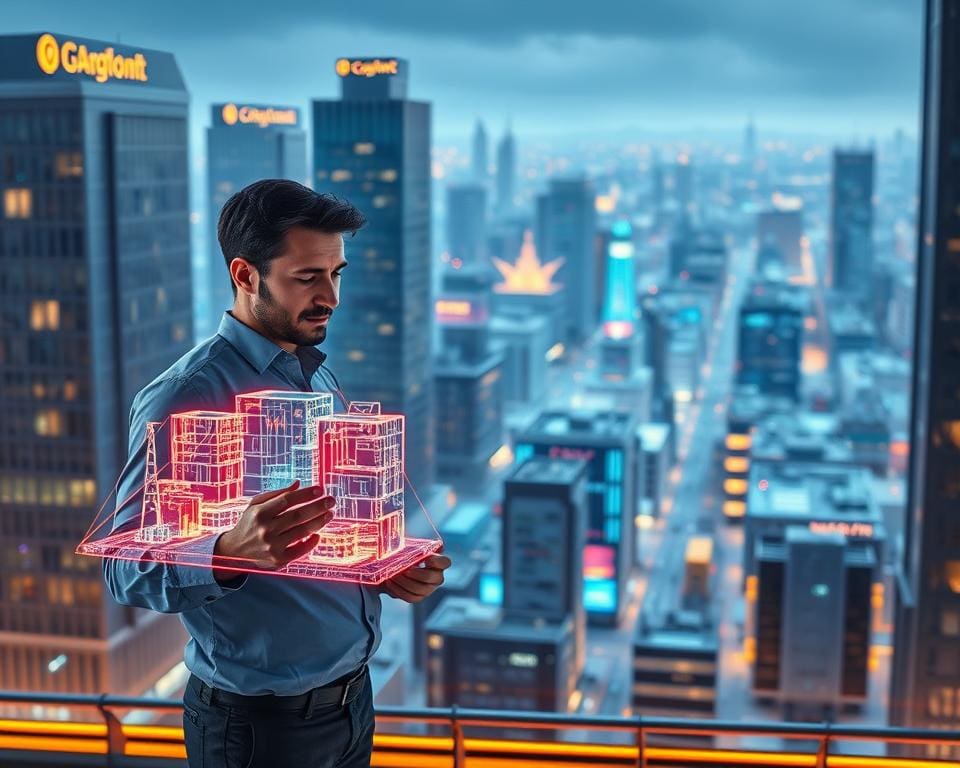
Digital twins are dynamic digital representations of physical buildings, machines, infrastructure and processes. They connect the physical and virtual worlds by using data collected from real-world assets.
A digital twin may represent one wind turbine, a heating system or a production line. It can also cover a whole factory, transport network, commercial building or construction site. Unlike a static computer model, a virtual model can receive current data and reflect changing conditions.
This gives you a clearer view of building performance, equipment health and wider operations. You can monitor assets, spot developing problems, test possible changes and make better decisions before acting in the real world.
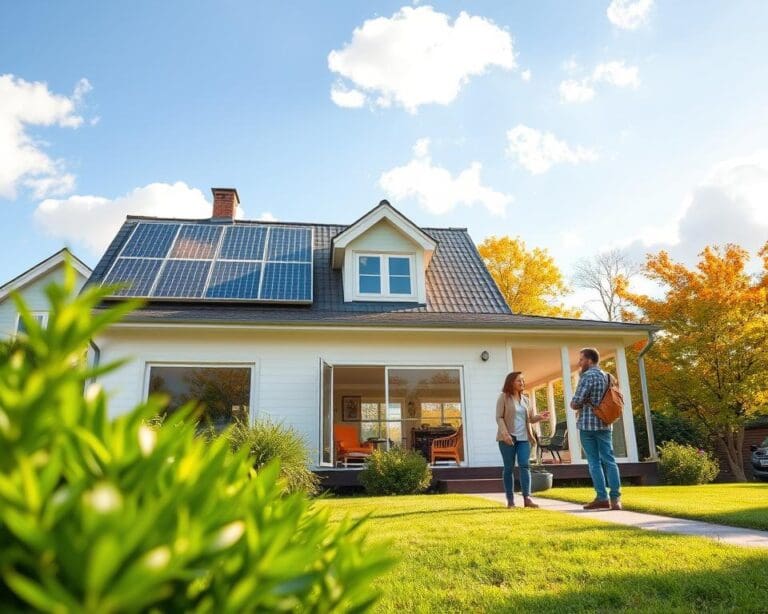
Across the United Kingdom, digital twin technology supports smart buildings, manufacturing, energy, transport and facilities management. It also has growing value in construction and infrastructure, where connected buildings and connected machines must work safely and efficiently.
The International Organization for Standardization’s ISO 23247 framework describes a digital twin manufacturing system as one that observes a manufacturing element, processes data and provides information for decision-making. IBM similarly describes digital twins as virtual representations that mirror a physical object or system through sensor and connected-device data.
The UK National Digital Twin Programme promotes connected digital twins and better information sharing across the built environment. Its aim is to support safer, more sustainable and more efficient decisions. However, the value of any twin depends on accurate, timely data and effective links with existing systems.
How digital twins connect buildings, machines and the real world
A digital twin links a real asset with useful information about its condition and performance. Before asking what is a digital twin, it helps to see it as a living connection between the physical world and a virtual environment. The system can represent a building, machine, production line or wider infrastructure network.
This connection supports design, construction, commissioning, operation, maintenance, refurbishment and decommissioning. Your digital twin should change when equipment is replaced, a room is altered or operating conditions shift.
What is a digital twin and how does it work?
A practical digital twin definition is a data-driven virtual representation of a physical asset, process, system or environment. It is more than a static digital model. It stays linked to the asset through sensors, records and software.
To understand how digital twins work, you can follow a clear operating cycle:
- IoT sensors and connected devices collect information from the physical asset.
- A communications network sends this information to software platforms.
- The twin stores, organises and displays the data in a useful form.
- Analytics, artificial intelligence and engineering rules identify patterns or risks.
- You use the insight for asset monitoring, maintenance, control or improvement.
Some twins mainly support observation. A more advanced live digital twin can support two-way interaction. For example, a building twin may use information from building sensors to guide heating, ventilation and air-conditioning controls.
The twin may combine operational technology, information technology, maintenance records, geographic information systems and enterprise software. It can connect building information modelling, known as BIM, with digital engineering tools and live operational data.
ISO 23247 provides a framework for digital twins in manufacturing. It describes links between observable manufacturing elements, data acquisition, data processing and user-facing applications. The National Institute of Standards and Technology recognises their role in observing, predicting and optimising manufacturing systems.
The UK Government’s Gemini Principles stress that information about built assets should have a clear purpose and be trustworthy. These principles help you create a twin that supports better outcomes across an asset’s full lifecycle.
How sensors, the Internet of Things and real-time data create virtual models
The Internet of Things gives a twin its connection to the real world. IoT sensors can measure temperature, pressure, energy use, movement, air quality and vibration. Building sensors track rooms and systems, while machines produce machine data about speed, load and wear.
These connected devices send real-time data through networks, databases and cloud platforms. You can explore more about the technology behind these systems in cloud computing, artificial intelligence and connected.
Data from many sources can create a clear view of current conditions. A building twin might combine occupancy readings, heating data, maintenance history and floor plans. A factory twin might combine machine data, production rates, stock records and quality checks.
Cloud computing provides flexible storage and processing for large data streams. Artificial intelligence and machine learning can find changes that may be hard to spot by eye. Data analytics can turn raw readings into warnings, forecasts and practical actions.
Some systems use 5G for fast data exchange between assets and platforms. Digital platforms can share information between teams, while secure databases and application programming interfaces help systems work together. Blockchain may support data provenance when several parties need to trust the same record.
The difference between digital twins, simulations and 3D models
A 3D model shows the shape, layout or appearance of an object or place. Building information modelling can add materials, dimensions and construction details to that model. BIM is valuable for planning, yet a model may remain unchanged after the building or machine is in use.
A computer simulation tests a condition inside a set of rules. It can show what might happen if you change speed, load, temperature or demand. A simulation does not need a live link to a real asset.
The key difference in digital twin versus simulation is the ongoing flow of information. A digital twin uses current operational data to reflect a real asset. It may include a 3D model, yet its value comes from the link between the model, the asset and its changing condition.
A virtual environment can bring these elements together for design reviews, training, maintenance planning and control. You can compare a planned change with current performance before applying it to the physical asset.
How digital twins improve performance and predict problems
Digital twins help you move from reactive repairs to condition-based care. Instead of waiting for a machine to fail, you can track signs of wear, overheating, imbalance or stress. This approach supports predictive maintenance and gives your team more time to act.
Condition monitoring uses live data from sensors, machines and building systems. Digital twin analytics compares current readings with normal operating patterns. A rise in vibration, temperature or energy use can point to a developing fault and support early fault detection.
Early action can prevent unplanned stoppages and reduce repair costs. It can improve asset reliability, increase equipment availability and support better planning for spare parts. Maintenance teams can schedule work with less disruption, while engineers can carry out tasks in safer conditions.
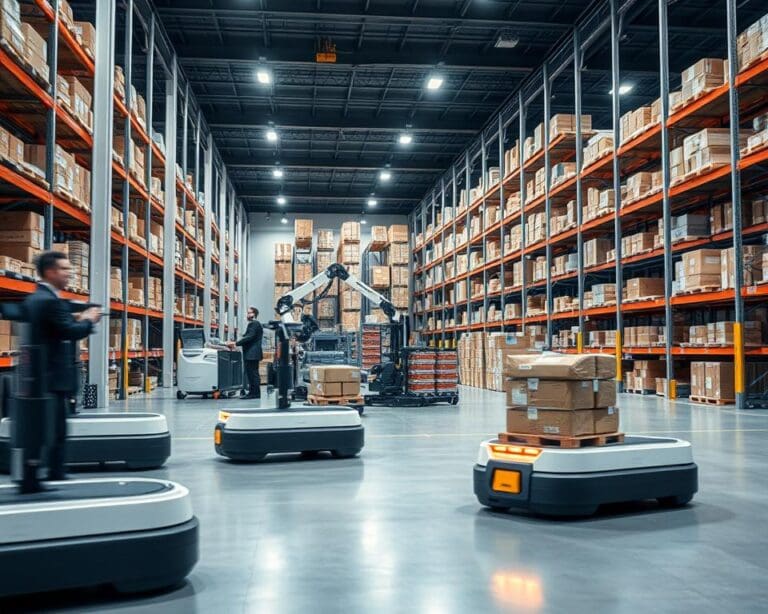
In manufacturing, you can use the twin to test how a machine responds to different loads or production schedules. You can assess a component change before fitting it. This helps you support performance optimisation without placing live equipment at unnecessary risk.
Digital twins can improve the operation of buildings, too. By linking energy meters, occupancy data, weather conditions, air-quality sensors and building-management systems, you gain a clearer view of how a site performs.
You can use this information to identify inefficient heating or cooling, underused rooms and unusual energy consumption. The model can show when equipment runs outside its intended range. This creates practical opportunities to improve energy efficiency across offices, hospitals, factories and other smart buildings.
Scenario testing lets you compare possible changes before work begins. You can assess new equipment settings, improved insulation, altered production times or renewable energy systems. The results can guide investment decisions and help you estimate effects on energy use, carbon emissions and operating costs.
- Measure energy use across individual assets and whole sites.
- Find waste caused by poor settings, leaks or unused capacity.
- Plan maintenance around occupancy, production and weather conditions.
- Improve the use of materials, equipment and available space.
NIST identifies monitoring, prediction and optimisation as important uses of digital twins in manufacturing and complex systems. UK Government net zero work places strong value on energy data and accurate building performance information. The Carbon Trust highlights energy monitoring, data analysis and operational improvements as useful ways to cut energy use and carbon emissions.
Predictions are not automatically accurate. Results depend on representative data, suitable models, calibrated sensors and clear measures of performance. Gaps in data or poor sensor readings can create misleading alerts.
Human oversight remains essential. Engineers, operators and facilities teams should review each alert, understand the reason for a recommendation and confirm that an action is safe. Expert judgement helps you balance digital evidence with site conditions, workplace needs and the actual state of an asset.
Using digital twin technology to make smarter decisions
Start your digital twin strategy with a clear business problem, not the technology itself. You might aim to cut energy costs, reduce unplanned downtime, clear maintenance backlogs or improve production efficiency. Set measurable targets, such as better indoor air quality, longer asset life or more accurate maintenance planning. These goals help you judge the digital twin benefits and support smart decision-making.
At an operational level, your twin can flag faults, adjust controls and schedule maintenance. At a tactical level, it can guide staffing, spare-parts planning, energy upgrades and capital works. At a strategic level, you can compare investment choices, test resilience and plan changes to connected infrastructure. This makes digital transformation more practical and links asset management to wider business aims.
Good digital twin implementation depends on reliable information. Identify the assets, data sources, users and decisions that the twin must support. Set clear rules for data governance, including asset IDs, ownership, access, updates, quality checks and retention. Connect the twin with building-management, maintenance, BIM, geographic and industrial control systems. Involve facilities managers, engineers, IT, cyber security, sustainability teams and senior leaders.
Build security and resilience into the design. Protect devices and networks, limit access by role, monitor unusual activity, keep backups and plan for service outages, as advised by the National Cyber Security Centre. Start with one building, machine or process, then expand after testing its value. The UK National Digital Twin Programme’s Gemini Principles and ISO 55000 also support purpose, trust, security and lifecycle-focused asset management. Review financial, operational, environmental and safety results often, and ensure your teams can question recommendations and act on them.