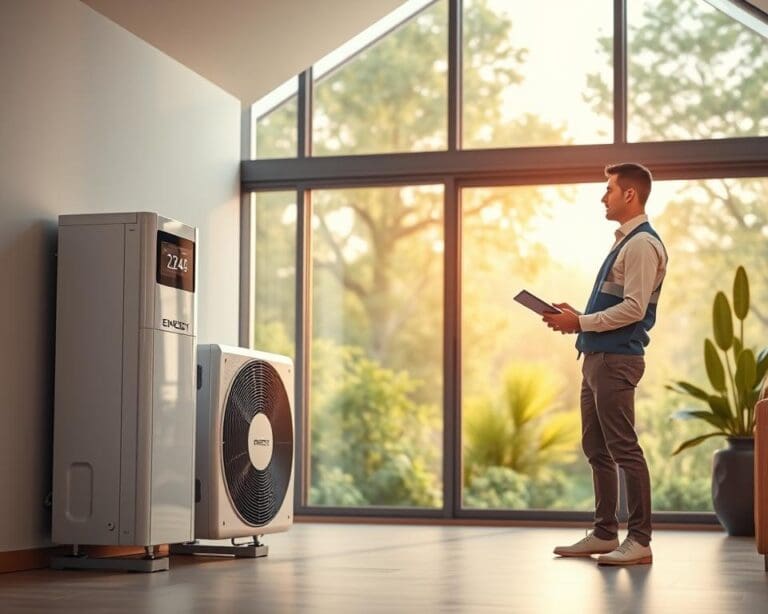
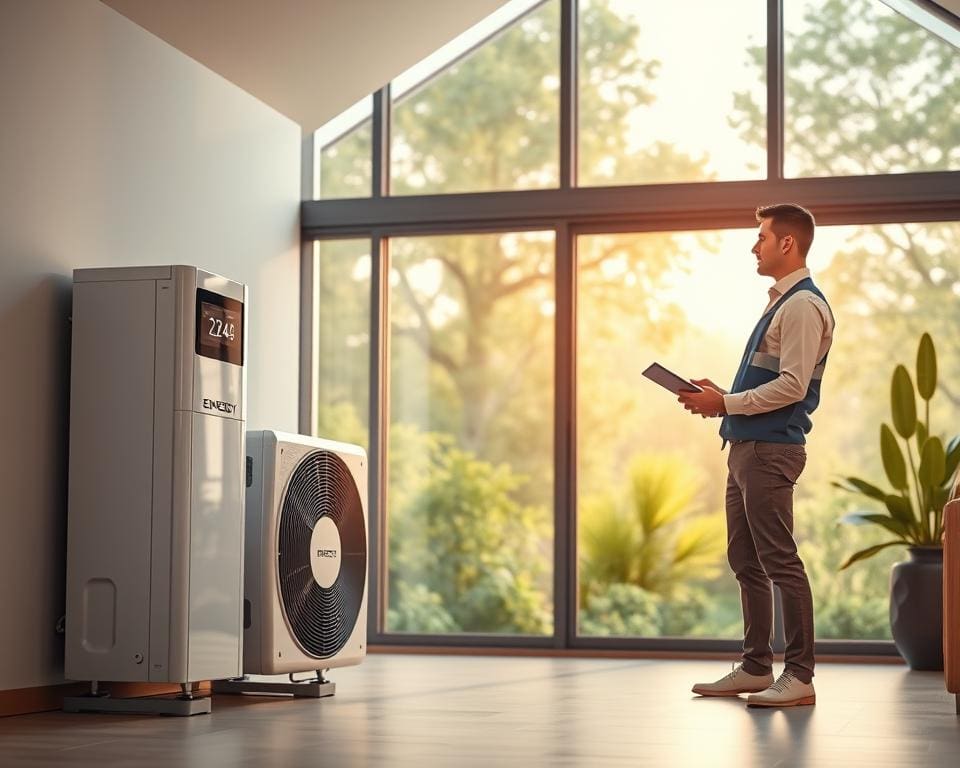
Modern heat pump technology offers an efficient alternative to gas and oil heating in many UK homes. Instead of burning fuel, a heat pump transfers heat from one place to another. An air source heat pump takes warmth from outdoor air, while a ground source heat pump draws it from the soil.
These energy-efficient heat pumps can support low-carbon heating and reduce energy use. However, results depend on more than the appliance. Your insulation, radiators, heating controls, flow temperature and installation quality all affect domestic heating efficiency.
Heat pumps usually work best at lower flow temperatures for longer periods. This is different from the rapid, high-temperature heat provided by many boilers. Good insulation and correctly sized radiators help maintain a steady indoor temperature with less electricity.
The coefficient of performance, or COP, compares the heat produced with the electricity used at a particular moment. Seasonal performance is often more useful for you, as it reflects changing outdoor temperatures and operating conditions across a full heating season.
Every property needs an individual assessment. Older homes may need insulation improvements or larger radiators before renewable heating systems can perform at their best. Guidance on improving your home’s energy rating can help you plan these upgrades.
The following sections examine how controls, compressors and system design are improving UK heat pumps. You will also learn how they may lower energy bills, which system suits your home and how advanced designs support comfort throughout the year.
How heat pump technology is improving home efficiency
Modern heat pumps use better components and more responsive controls to deliver efficient home heating. To judge performance fairly, you should look beyond one laboratory result. Seasonal data gives a clearer view of how a system may work through a typical UK winter.
Higher seasonal efficiency ratings and improved performance
The seasonal coefficient of performance, known as SCOP, measures efficiency across different outdoor temperatures and heating demands. A SCOP heat pump with a rating of 3.5 can provide about 3.5 units of heat for each unit of electricity used over the season.
SCOP is more useful than a single COP figure because outdoor conditions change. Actual results depend on insulation, system design, flow temperature and how well the property retains heat. Lower flow temperatures, such as those used with underfloor heating, can support stronger heat pump efficiency.
Modern heat exchangers, fans, refrigerant circuits and defrost controls help air source systems collect heat from cold air. An air source heat pump can operate in low temperatures, though its efficiency tends to fall as the gap between outdoor and indoor temperatures grows. Learn how heat pumps move heat through a home and why system design matters.
Variable-speed compressors for more precise heating and cooling
An inverter-driven compressor changes its output to match the heat demand in your home. It does not need to switch fully on and off each time the temperature changes. This approach can reduce start-stop cycles and help maintain a steadier indoor temperature.
In suitable systems, variable-speed operation can lower peak electricity demand and reduce noise. Variable-speed fans and pumps can run only as hard as needed. This can reduce their electricity use during periods of light demand.
Correct sizing remains important. An oversized heat pump may cycle too often, while an undersized model may struggle during cold weather. Good hydraulic balancing, suitable pipework, clean filters and regular servicing help preserve performance over time.
Smart controls that adjust energy use automatically
Smart heat pump controls can adjust operation to suit the weather, your home and your routine. Weather compensation changes the flow temperature when outdoor conditions shift. Load compensation responds to the temperature inside the property.
Room thermostats, zoning and app-based monitoring give you closer control of heating schedules. The system can reduce output when rooms reach the chosen temperature or when the property is unoccupied. Well-set schedules can support lower flow temperatures and improve heat pump efficiency.
Controls cannot correct poor installation or weak system design. A badly placed sensor may read the wrong temperature. Excessive zoning may cause uneven comfort or frequent cycling. Your installer should commission the controls and explain schedules, room settings, hot-water programmes and temporary boost functions.
Simple operation often supports efficient home heating. Regular maintenance, clean filters and balanced water flow help the system respond as intended throughout the heating season.
How modern heat pumps can lower your energy bills
Heat pumps move heat from the air or ground into your home. They do not create all their heat by burning fuel. Electricity powers the compressor, fans and pumps, allowing the system to deliver several units of heat from each unit of electricity under suitable conditions.
This can support heat pump energy savings and lower heating bills. The result depends on seasonal efficiency, property heat loss, heating habits and the system being replaced. Replacing old oil, LPG or direct electric heating may offer a different outcome from replacing a modern, well-maintained gas boiler.
When you compare home heating costs, use annual delivered heat and realistic seasonal efficiency. A heat pump may use more electricity than a small appliance, yet deliver far more heat than the electricity it consumes. Gas and electricity prices, standing charges and boiler efficiency affect the financial result.
Lower flow temperatures often improve heat pump performance. Adequately sized radiators or underfloor heating can help the system work at this level. Demanding very high temperatures may increase electricity use and raise heat pump running costs UK households face.
Steady, low-temperature heating often suits a heat pump better than short bursts of intense heat. You may need to adjust your thermostat schedule because the system can respond more gradually than a boiler. Good insulation and sealed draughts reduce heat loss, as explained in this guide to keeping your home warm efficiently.
Hot water must be included in any bill estimate. Heating domestic water can require higher temperatures and periodic high-temperature cycles. These steps may affect seasonal efficiency and your total electricity use.
Some suppliers offer time-of-use plans or electricity tariffs for heat pumps. Compare the full tariff before switching. Check unit rates, standing charges, eligibility rules and time restrictions. A lower night rate may not reduce your bill if the daily charge is high or your heating schedule does not match the tariff.
Government support can reduce installation costs, with schemes such as the Boiler Upgrade Scheme in England and Wales subject to current rules. Support may differ across Scotland, Wales and Northern Ireland, with local authority programmes changing over time. Check current eligibility before including a grant in your budget.
An accurate heat-loss survey, suitable system design and professional commissioning are vital for reliable estimates. Manufacturer figures are useful guides, not promises of household savings. After installation, monitor energy use, review control settings and maintain the system. Comparing similar weather periods gives a clearer view of low-carbon heating savings than comparing two short bills.
Choosing an efficient heat pump for your UK home
Choosing the best heat pump for UK home use depends on your property, budget and heating needs. The right design must suit your land, insulation, radiators, hot-water demand and electrical supply. A detailed assessment will help you avoid poor performance and unexpected building work.
Air source, ground source and hybrid heat pump systems
An air source heat pump takes heat from the outdoor air. It is usually fitted beside or outside your home. This option suits many properties, but the unit needs clear airflow and enough space. You should check noise levels, planning rules and its visual effect before installation.
A ground source heat pump uses buried loops or boreholes to collect heat from the ground. Ground temperatures are stable, which can support steady performance. You need suitable land or specialist drilling, and installation costs are often higher than those for an air source system.
A hybrid heat pump combines a heat pump with a boiler or another heat source. Controls can select the most suitable source based on outdoor temperature, heating demand, energy prices or your chosen settings. This can help where a full heat-pump conversion is difficult. A gas or oil boiler retains a fossil-fuel element.
Your choice should reflect the property, not a single headline efficiency figure. Ask each installer to explain expected seasonal performance, running conditions and the work included in the quotation.
Matching heat pump capacity to your property
Accurate heat pump sizing starts with a room-by-room heat-loss calculation. You should not match the unit to your existing boiler output. Boilers are often oversized, while an incorrectly sized heat pump may cycle too often, use more electricity or fail to keep rooms warm.
The calculation should consider:
- room dimensions and the building’s construction
- wall, roof and floor insulation levels
- glazing, ventilation and air leakage
- the local design outdoor temperature
- your preferred indoor temperature
The chosen system should meet the property’s design heat load without heavy reliance on immersion heaters or other backup heating. An oversized unit may cost more and create control problems. An undersized unit may struggle during cold weather.
Hot-water needs require careful planning. Many heat pumps work with a suitably sized cylinder because they heat stored water in a different way from a combination boiler. Ask about cylinder space, recovery time and the controls used to manage hot-water demand.
The importance of insulation, radiators and underfloor heating
Good home insulation for heat pumps can reduce heat loss and lower the required output. Loft insulation, cavity-wall insulation, suitable solid-wall measures, draught reduction and efficient glazing can improve comfort. Older homes need careful planning, since some traditional walls require breathable materials and specialist advice.
Existing radiators may be suitable, but heat pumps often operate at lower flow temperatures than boilers. You may need larger panels or higher-output heat pump radiators. An installer should check each room rather than assume that every radiator can remain unchanged.
Underfloor heating can work well with a heat pump. Its large surface area spreads warmth at a lower flow temperature. Installation depends on the floor structure, insulation, floor height and the amount of building work required.
Before work begins, check the outdoor unit location, noise, permitted development conditions, planning requirements, condensate drainage and pipe routes. You should assess electrical capacity, service access and any rules set by your local authority, landlord or property management company.
Choose an appropriately qualified installer. MCS certification may be relevant when you apply for certain Government schemes. Request the heat-loss calculation, design details, performance estimates, warranty terms, maintenance plan, control guidance and commissioning records.
Obtain more than one detailed quotation. Compare the system design, seasonal performance, included building work and aftercare rather than comparing headline prices alone.
Why advanced heat pump systems support year-round comfort
Modern heat pumps deliver heat gradually and continuously, rather than through short, high-temperature cycles. This supports a more consistent indoor temperature and creates year-round home comfort. Low-temperature heating also works well with correctly sized radiators or underfloor heating in a comfortable UK home.
Variable-speed compressors and weather-compensation controls adjust output as outdoor conditions change. The system can respond to mild autumn weather and colder winter periods when it is correctly designed and commissioned. Good insulation and airtightness reduce draughts, while sealing gaps and improving insulation helps rooms warm more evenly.
Many air source and ground source systems include a domestic hot water heat pump setup with a dedicated cylinder. You can schedule hot-water production, but the cylinder must suit your household size and usage. Hot-water cycles may use more electricity than space heating, and an immersion heater may provide periodic higher-temperature cycles under the manufacturer’s guidance.
Some reversible models offer heat pump heating and cooling in warmer weather. Cooling depends on the equipment, emitters and controls, and may work best with underfloor systems or fan-assisted units; condensation risks must be managed. Quiet operation, suitable placement, balanced hydraulics, accurate sensors, regular servicing and effective controls all matter, while solar power, efficient appliances and available grants can further reduce running costs.