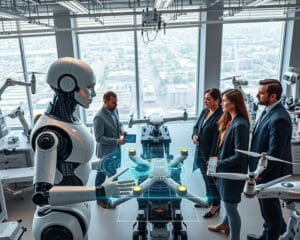
What innovations are shaping the future of robotics?
Robotics is shifting from factory floors to our hospitals, farms and high streets. This opening section frames the central question: which robotics innovations will define

Robotics is shifting from factory floors to our hospitals, farms and high streets. This opening section frames the central question: which robotics innovations will define

System integration sits at the heart of modern engineering. In the UK, sectors from aerospace and rail to offshore wind and defence rely on integrated
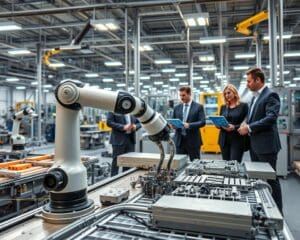
Machine autonomy in industry means equipment, robots and systems that can sense their environment, make decisions and act with minimal human intervention. This shift from
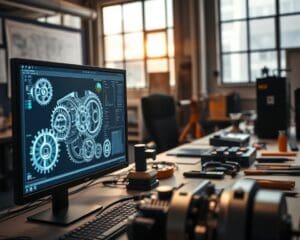
Digital simulation importance has become central to modern engineering as companies seek faster, safer and more cost-effective ways to develop machines. For UK engineers and
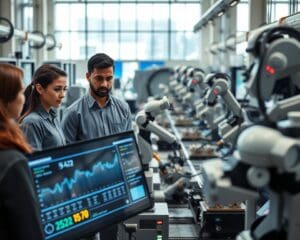
Smart factories are redefining how British industry competes and grows. At their core, smart manufacturing and digital manufacturing combine automation, robotics, IoT sensors, cloud platforms,
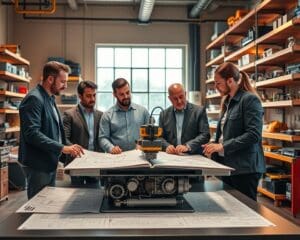
Engineers face a clear challenge: lift output while cutting waste. At its heart, productivity in machine design means output per unit time — throughput —

Industry 4.0 is the convergence of digital, physical and biological systems that creates smart factories and data-driven value chains. In the UK this shift matters

The Provision and Use of Work Equipment Regulations 1998 (PUWER) places clear duties on employers, controllers and the self‑employed to keep machinery safe. PUWER compliance
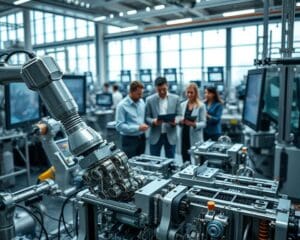
Advanced robotics are reshaping how British factories and distribution centres operate. Leaders at ABB, Fanuc, KUKA and Universal Robots report growing demand as companies seek

This article explains how digital PUWER tools streamline inspections and strengthen work equipment safety compliance across UK businesses. PUWER (Provision and Use of Work Equipment