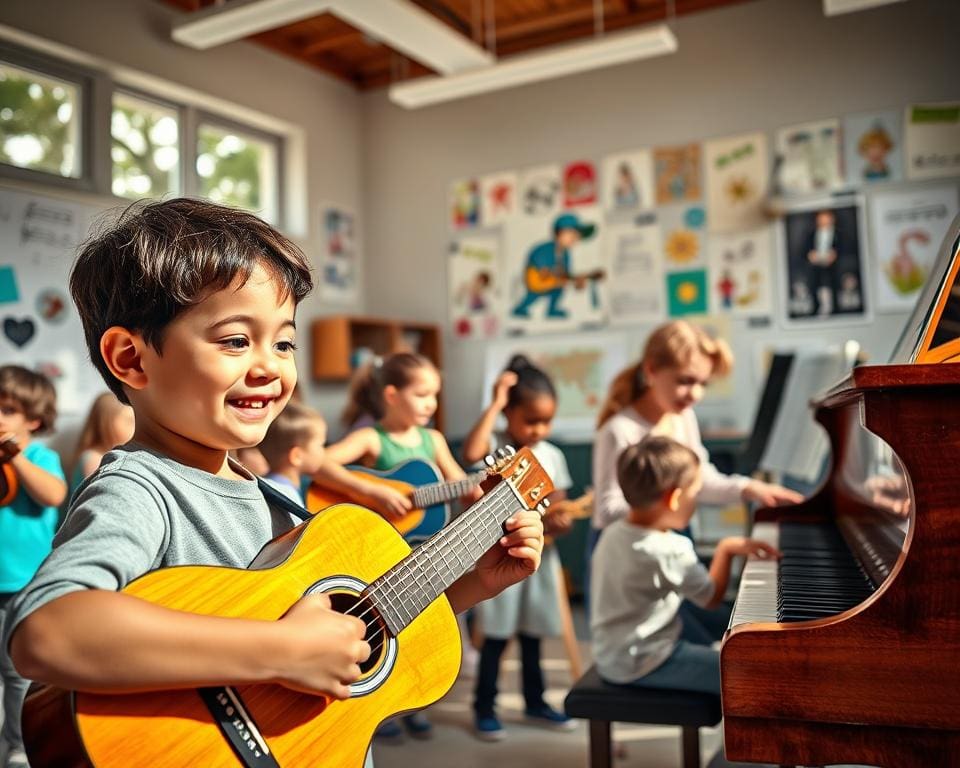
In the realm of music education, the influence of a music teacher is profound, shaping not only the skills but also the creative potential of children. Music teachers play a pivotal role in nurturing children’s creativity, enabling them to explore their imaginations through sound and rhythm. By providing a supportive environment, they encourage young minds to express themselves freely and artistically. This foundational support is crucial, as it paves the way for future creative endeavours and enhances overall cognitive development. As we delve into the various strategies that music teachers can employ, we will discover how to unlock the creative potential within every child.
The Importance of Creativity in Childhood Development
Creativity serves as a vital component in childhood development, shaping how children perceive the world and articulate their feelings. The importance of creativity extends beyond mere artistic expression; it is fundamental for emotional and social well-being. Through engaging activities, children learn to navigate their emotions while developing essential skills for life’s challenges.
Understanding the Role of Creativity
Recognising that creativity is not limited to the arts is crucial. It encompasses various forms of expression, allowing children to explore their thoughts and experiences. By fostering creative skills, educators and parents can create environments that encourage self-expression and emotional intelligence. Children who engage in creative endeavors often find it easier to articulate what they feel, enabling better communication and interpersonal relationships.
Creativity and Cognitive Growth
The connection between creativity and cognitive growth is evident in numerous studies. Engaging in creative activities enhances problem-solving abilities and critical thinking. Children learn to think outside the box, approach challenges from multiple angles, and devise innovative solutions. Research demonstrates that participation in creative pursuits positively influences academic performance, suggesting that nurturing a creative mindset is essential for overall development.
How can a music teacher support children’s creativity?
A supportive and engaging atmosphere plays a pivotal role in cultivating creativity in music. It is essential for music teachers to create a stimulating learning environment, rich in resources and opportunities for exploration. By designing classrooms filled with various instruments and art supplies, teachers set the stage for discovery and innovation.
Creating a Stimulating Learning Environment
A vibrant learning environment serves as the foundation for encouraging creativity in music. When children feel at ease, their ideas can flourish. Setting up zones where students can experiment with different instruments or sound tools creates a sense of excitement. Incorporating elements such as:
- Diverse musical instruments
- Visual art supplies
- Interactive technology tools
promotes hands-on engagement and exploration. In such spaces, music teachers can offer invaluable support that enhances self-expression and imaginative thinking.
Encouraging Experimentation and Expression
To fully develop creativity in music, teachers must encourage children to experiment and express themselves freely. Specific techniques, such as improvisation sessions and composition exercises, empower students to voice their ideas without fear of criticism. Creating opportunities for:
- Free improvisation where students explore sounds and techniques.
- Group projects that foster collaboration and shared creativity.
- Personal reflection time, allowing students to articulate their musical thoughts.
By nurturing an environment where students are supported to take creative risks, music teachers play a critical role in helping children encourage expression and develop their artistic identities.
Utilising Diverse Teaching Methods
In today’s music education landscape, employing diverse teaching methods stands as a crucial factor for fostering creativity among students. This approach caters to different learning styles, ensuring that each child can connect with music in a manner that resonates with them. By incorporating a variety of musical genres, educators can enhance engagement and broaden their students’ horizons.
Incorporating Various Musical Genres
Introducing students to a range of musical genres—be it classical, jazz, rock, or folk—enriches their learning experience. Exposure to different styles encourages students to explore and appreciate the uniqueness of each genre. This exploration not only deepens their understanding of music but also inspires creative expression in their own music lessons.
Integrating Technology in Music Education
Technology in music education plays an invaluable role in enhancing the overall learning experience. Tools such as music software and apps allow students to experiment with composition and sound in innovative ways. These contemporary methods of music-making captivate students’ attention and motivate them to engage with their lessons actively. By merging technology with diverse teaching methods, music educators can create a dynamic environment that promotes creativity and collaboration among learners.
Building Confidence Through Music
Creating an environment where students can build confidence is essential in music education. Music provides a unique platform for self-expression, allowing children to embrace their individuality and showcase their talents. Through music performances, students gain a sense of accomplishment that significantly enhances their overall self-esteem.
Promoting Positive Self-Expression
Engaging in music offers students a valuable outlet for positive self-expression. Children are encouraged to explore their emotions and create music that reflects their experiences. This process not only nurtures creativity but also fosters a sense of belonging, as students connect with others who share similar interests. This method of self-discovery plays a fundamental role in building confidence among young musicians.
Encouraging Performance Opportunities
Regular music performances serve as an excellent way to boost student confidence. Participating in concerts, recitals, or even small showcases allows students to demonstrate their skills in front of an audience. These experiences can transform anxious beginners into confident performers over time. Encouraging participation in such events offers invaluable lessons in resilience and poise, reinforcing the idea that every performance is a step towards strengthening their student confidence.
Collaborative Music Activities
Engaging in collaborative music activities opens up new dimensions for creativity among students. When children participate in group compositions, they discover the power of teamwork and the importance of communication skills in music. Such activities not only enhance their musical abilities but also promote essential social interactions.
Fostering Teamwork and Communication Skills
Through collaborative music-making, children learn to cooperate, share ideas, and resolve conflicts. They develop strong communication skills that are vital in a musical setting and beyond. In these environments, listening becomes an active part of their learning, fostering an atmosphere of mutual respect and understanding.
Engaging in Group Compositions
Group compositions serve as a wonderful platform for students to express their creativity collectively. By encouraging them to contribute their unique ideas, music educators can cultivate a sense of ownership and pride in their collaborative projects. The process of creating together not only builds impressive musical pieces but also promotes lifelong friendships and a strong sense of community.
Encouraging Student Autonomy
Fostering student autonomy in music education is essential for nurturing creativity and self-expression. When children are given the opportunity to make choices in projects, they tend to take ownership of their learning experiences. This sense of ownership is crucial for cultivating a passion for music and developing personal artistic voices. Providing avenues for individualised learning paths allows students to focus on their unique interests and capabilities, leading to more engaged and motivated learners.
Allowing Choice in Musical Projects
Allowing students to have a say in their musical projects enhances their connection to the learning process. By empowering children to select themes, instruments, or styles they are passionate about, music educators create an environment where students feel valued and inspired. This choice in projects not only fuels creativity but also encourages deeper exploration of the music itself.
Supporting Individualised Learning Paths
Each child possesses distinct abilities and interests, underscoring the importance of tailored approaches in music education. Supporting individualised learning provides students with the flexibility to pursue musical paths that resonate with their personal experiences. This personalised attention cultivates a love for music and promotes self-directed learning, which is vital for long-term engagement in the arts.
Parental Involvement in Music Education
Parental involvement plays a pivotal role in enhancing children’s music education. By engaging actively in their child’s musical journey, parents can significantly enrich the learning experience. Teachers can facilitate this by offering suggestions for home-based learning opportunities, making music a shared family interest.
Creating Home-Based Learning Opportunities
Creating a nurturing environment for music at home can open up countless avenues for children. Parents can introduce various musical activities such as:
- Listening to different genres together to broaden musical exposure.
- Setting up informal jam sessions to encourage creativity and expression.
- Using musical games to make learning enjoyable and interactive.
Such home-based learning practices provide a robust support system for children, greatly enhancing their educational experiences and fostering a lasting appreciation for music.
Engaging Parents in Musical Activities
Engaging parents in classroom activities, such as performances or workshops, fortifies the connection between home and school. This collaboration supports a unified learning environment and inspires children to thrive. When parents participate actively, it creates a community that champions children’s musical growth.
Encouraging such partnerships not only benefits the children but also empowers parents, allowing them to play an essential role in their child’s music education journey.
Monitoring and Assessing Creativity Development
In the realm of music education, effective creativity assessment is vital for nurturing a child’s artistic growth. By employing a variety of tools, teachers can engage in continuous monitoring of creativity, gaining invaluable insights into each student’s unique journey. Innovative methods such as performance reviews, peer assessments, and reflective journals allow educators to evaluate not only the end results but also the creative processes that foster individual expression and musical exploration.
Focusing on monitoring creativity ensures that assessments are not merely about the final product but emphasise the experiences and discoveries made along the way. This perspective invites a culture of experimentation, encouraging students to view challenges as opportunities for growth. By utilising a holistic approach to music education evaluation, teachers can tailor their strategies to better support the evolving needs of their students, facilitating their artistic and personal development.
The significance of constructive feedback in this process cannot be overstated. Research suggests that by prioritising the journey of creativity development, children gain both the confidence and skills necessary to thrive in their musical endeavours. Thus, a strategic emphasis on nurturing creativity through thoughtful assessments not only tracks student progress but also cultivates a vibrant, dynamic learning environment that inspires young artists to flourish.