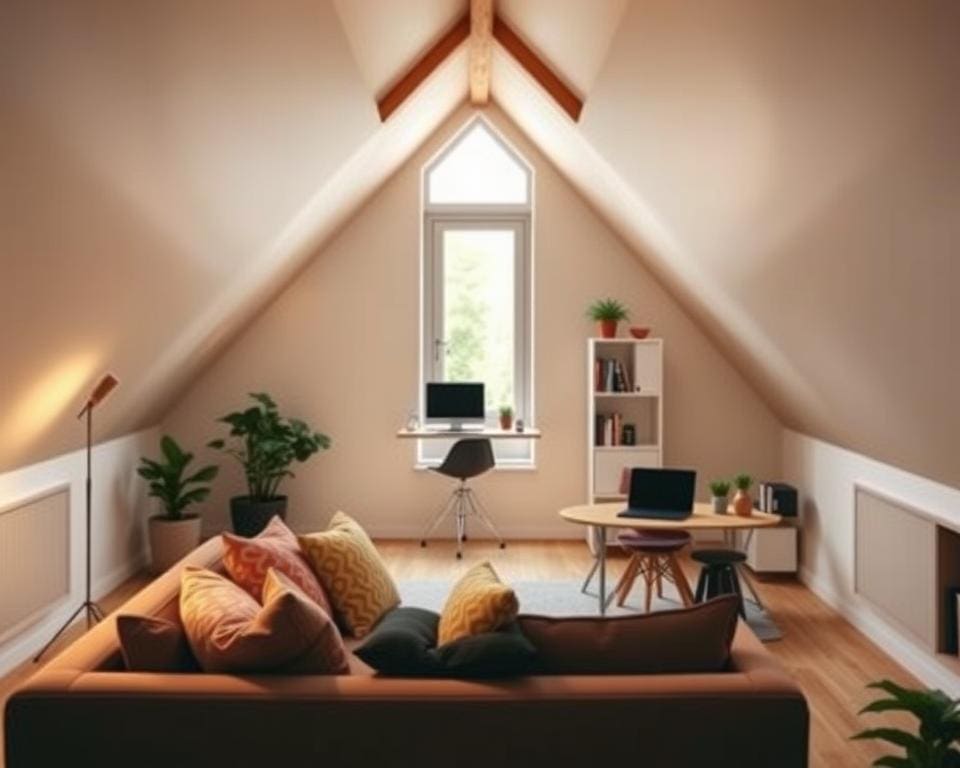
An attic conversion can unlock the hidden potential of your roofspace and create living space that feels both practical and elegant. By reworking an underused loft, homeowners can add bedrooms, bathrooms, home offices or studios without extending the building footprint. This approach often costs less and completes faster than a ground-floor extension while helping to increase home value.
Pitched roofs with adequate headroom — generally around 2.2–2.3 metres at the highest point once joists and insulation are in place — are well suited to loft conversion. Traditional rafter roofs are usually easier to adapt, though trussed roofs can be modified with professional input. The shape of the floor plan and roof slope will guide whether dormers, rooflights or other solutions make the most sense.
Across many UK towns and suburbs, families choose to convert attic space to avoid moving and to tackle housing shortages. Estate agent reports and building-industry guidance show that well-executed attic conversions deliver strong loft conversion benefits and improved marketability. The practical outcomes range from independent suites for teenagers to rental opportunities and bespoke family spaces that truly increase home value.
How can attic conversions create valuable living space?
Transforming an unused attic unlocks real loft potential for growing families and investors. A clear assessment at the start helps you decide what is feasible. Measure headroom and floor area, check whether the roof has rafters or trusses and inspect access. Consider stair placement and whether the floor needs strengthening to meet Building Regulations.
Legal and ownership checks come next. Confirm freehold or leasehold terms and any covenants that might restrict works. If your home adjoins others, consult party wall requirements early to avoid delays. Note technical constraints such as chimneys, loft tanks or services that may need rerouting.
Understanding the potential of unused loft space
Sloping ceilings reduce usable floor area, yet clever design can reclaim most of it. Dormers and roof alterations boost headroom and make rooms feel larger. Expect usable area to vary depending on roof pitch and the type of conversion chosen.
Assess insulation and thermal bridging points to meet regulations. Improved insulation adds comfort and value. Plan for ventilation and heating so the space performs year-round as a bedroom, study or ensuite bathroom.
Types of attic conversions and what they deliver
Conversion types range from minimal to transformative. A rooflight conversion is the least invasive. It keeps the roofline intact, lets in generous light and often needs no planning permission. This option suits modest budgets and tight planning zones.
A dormer conversion adds vertical walls and significant headroom. It is ideal for terraced and semi-detached homes and can create double bedrooms or large studies. Single or double-dormer arrangements change the exterior but add clear, usable floor space.
A mansard conversion alters the roof to near-vertical side walls with a flat top. It yields the greatest extra space. Expect higher costs and a greater chance of needing planning consent, yet the payoff is substantial in internal area and flexible layouts.
Hip-to-gable changes extend width on hipped roofs and work well where side space is limited. Hybrid approaches mix Velux rooflights with dormers to maximise light and headroom, tailored to planning constraints and roof structure.
Typical costs and return on investment in the UK market
Conversion costs UK vary by type and location. A basic rooflight conversion sits in the lower-cost band. Dormer conversions fall into a mid-range bracket. Mansard conversions represent the premium end. Central London prices tend to be higher than in northern regions.
Major cost drivers include structural work, a new staircase, windows or dormers, insulation, plumbing and bespoke joinery. Obtain several detailed quotes and a clear scope to limit cost creep.
Estate agents and building guides suggest a healthy ROI loft conversion can lift a property’s value substantially when well executed. Exact returns depend on the quality of finish, how much living space is added and local demand. Financing options include remortgaging, home improvement loans or staged payments with builders.
Design considerations to maximise comfort and value
An attic conversion must balance regulations, comfort and style to add real value. Early planning saves time and cost. Consult local authority guidance on a planning permission loft conversion and review building regulations loft requirements before committing to designs. If your property shares walls with neighbours, check the party wall act and serve notices where structural work affects shared roofs or walls.
Many loft projects sit within permitted development, but limits vary by council. Exceeding those limits or working on a listed building will trigger full planning applications. Submit Full Plans or a Building Notice to satisfy building regulations loft needs for structure, fire safety and sound insulation. When works affect a neighbour’s property, appoint a surveyor under the party wall act to agree a party wall award.
Insulation, ventilation and heating for year-round comfort
Good loft insulation prevents heat loss and meets Approved Document L. Use continuous insulation and breathable membranes to reduce cold bridges. Combine loft insulation with effective loft ventilation to control moisture and prevent condensation.
Heating must suit the new space. Extend central heating or add electric radiators if the boiler has capacity. Underfloor heating works well with tiled ensuites. Consider MVHR for tight envelopes to balance fresh air with heat recovery.
Natural light solutions: dormers, rooflights and skylights
Rooflights are a cost-effective way to increase daylight and provide views. Position rooflights to capture morning or afternoon sun without overheating. Dormer light additions create upright walls and give space for larger glazing and storage.
Skylights and tubular daylighting help narrow areas such as corridors and bathrooms. Specify low-E glass and solar control coatings to manage solar gain. Include acoustic glazing on busy streets for comfort and privacy.
Layout ideas: bedroom suites, home offices and flexible living
Plan attic layout ideas that place beds where headroom is highest and use ensuites where plumbing runs are near. Home offices benefit from daylight by rooflights and clear power and data provision. Design flexible rooms with sliding partitions or foldaway furniture to switch uses easily.
Circulation matters. Stairs must meet headroom and width standards to comply with building regulations loft rules while keeping the landing useful for storage or a reading nook.
Storage-smart solutions to retain floor space and reduce clutter
Use eaves for built-in storage loft solutions such as cupboards and drawers beneath knee walls. Bespoke joinery turns awkward voids into orderly storage. Underfloor or loft-bed platforms with integrated drawers free floor area.
Route services discreetly so plumbing and wiring do not intrude on storage runs. For durable, tailored outcomes, work with reputable British carpenters and joiners who specialise in fitted storage for lofts.
Practical steps to deliver a successful attic conversion
Begin with a measured survey by a chartered surveyor or RIBA architect to establish headroom, structural form and access options. This early feasibility check sets an accurate budget and an outline project timeline loft, so you understand how long each phase might take and what costs to expect.
Define the brief clearly: decide whether the space will be a bedroom, home office or rental unit, and list must-haves such as an ensuite, built-in storage or rooflights. Appoint an architect loft conversion designer and a structural engineer for calculations in line with IStructE guidance, and choose a reputable loft conversion contractor with public liability and employer’s liability insurance.
Obtain multiple fixed-price quotes, check past projects and use a written contract such as JCT or documented terms that set scope, payments and change-order procedures. Submit any required planning applications, Building Regulations notices and party wall notices early, and keep neighbours informed to avoid delays during the build phase.
Follow a staged construction plan: temporary protection and strip-out, structural reinforcement and joists, stair installation, dormer or rooflight works, then services, insulation and finishes. Arrange staged inspections by building control and the structural engineer, compile a snagging list before final payment, secure completion certificates and plan furnishing to maximise value once the conversion is finished and you can demonstrate how to convert attic space into a comfortable, lettable or saleable room.