Modular design in homes means using prefabricated or repeatable components, standardised connections and systems made for easy assembly, disassembly and reconfiguration. This approach turns building elements into flexible building blocks — from flat-pack systems and panelised walls to modular kitchen units and plug-and-play service modules used by UK manufacturers and installers.
The core promise is simple: enable homes to evolve with household needs rather than force costly rebuilds or moves. Modular design adaptability helps households cope with smaller household sizes, urban living pressures, remote working and the rise of multi-generational living across the UK.
Readers can expect practical takeaways: clear principles of modular design, real-life residential examples that show flexible home design in action, guidance on preserving style and sustainability, and a look at UK-specific implementation, regulation and budgeting. The article moves from foundational ideas to practical strategies so you can imagine adaptable interiors that last.
Section 2 explores the principles and examples that make modular living UK effective. Section 3 discusses how to balance aesthetic continuity with sustainability. Section 4 covers implementation, suppliers and regulatory considerations for successful modular home projects.
How can modular design adapt to changing lifestyles?
Modular design offers clear paths to homes that change as life does. This section outlines practical principles, shows real UK examples and highlights benefits for different life stages and household compositions. Read on to see how modular adaptability principles turn rigid layouts into flexible, future-ready spaces.
Principles of modular design that enable adaptability
Interchangeable components form the backbone of adaptable housing. Standardised fixings, brackets and connection interfaces let owners swap or upgrade parts without major disruption. British kitchen manufacturers use common carcass widths and depths so modular kitchens remain compatible across generations of fittings.
Scalable living spaces rely on structural and service foresight. Designers plan foundations, load-bearing supports and service risers so modules can be added or removed. This makes it simple to expand an extension or downsize a room with minimal invasive work.
Future-proofing depends on planned upgrade paths. Designers leave slots for extra insulation, improved glazing and new wiring runs. That approach permits later installation of smart services and modern appliances without tearing out finishes.
Practical examples in residential settings
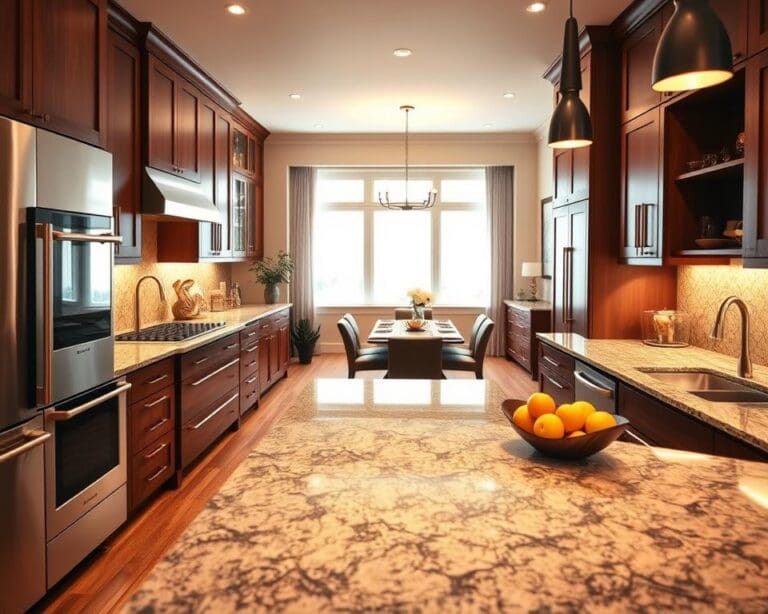
Modular kitchens show how interchangeable components and practical detailing change daily life. Adjustable shelving, plug-in appliance bays and tall pull-out units improve accessibility. Manufacturers such as Howdens and IKEA offer modular systems that fit a range of household needs.
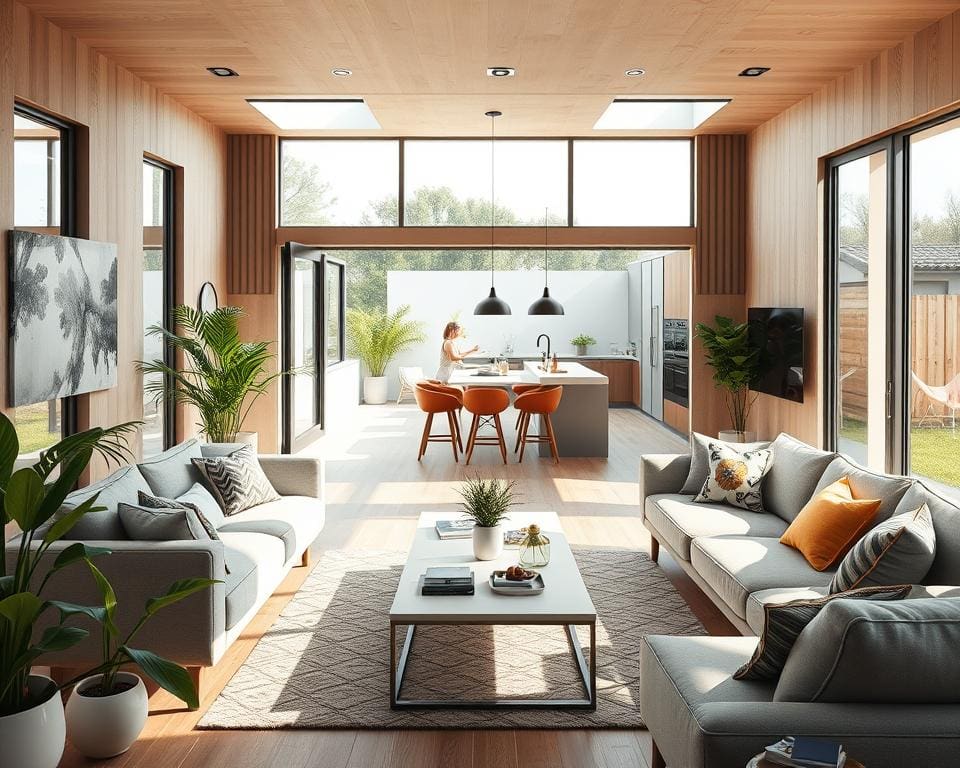
Convertible pieces and adaptable furniture transform single rooms into multi-use spaces. Wall beds, foldaway desks and modular sofas let a room serve as bedroom, office and lounge. Gas struts, hinges and sliding tracks make transitions quick and safe.
Movable walls and demountable partitions permit rapid reconfiguration. Sliding and folding systems create temporary rooms, home studies or en-suite spaces. Track-based installations keep acoustic and fire-safety needs in mind while allowing easy change.
Benefits for different life stages and household compositions
Growing families benefit from modular additions that introduce extra bedrooms or storage. Pre-designed connection points for loft conversions or plug-in modules speed installation and lower disruption for occupied homes.
Young professionals and hybrid workers gain from compact office pods and convertible furniture that support remote work without a full renovation. Modular options make it possible to create quiet, ergonomic workspaces within limited footprints.
Ageing-in-place becomes less daunting with modular ramps, adjustable-height surfaces and accessible bathroom pods. Modular bathrooms and accessible kitchen modules often cut cost and upheaval compared with bespoke rebuilds.
- Fast installs reduce on-site time and waste.
- Modular approaches keep disruption low in occupied UK homes.
- Clear upgrade routes lengthen a home’s useful life.
Design strategies to maintain style and sustainability
Good design keeps its style as spaces change. Thoughtful choices let a home adapt without losing character. This section explores practical strategies that blend modular aesthetics with lasting performance for UK homes.
Balancing aesthetic continuity with modular flexibility
Choose a coherent palette of finishes so swapped modules look intentional. Timber veneers, powder-coated metal trims and neutral surfaces create unity across different elements. Consistent junction details and a simple trim system hide seams when modules are added or removed.
Adopt a restrained design language: simple lines, calm proportions and repeated profiles. For example, modular kitchen fronts that share a single handle style or a handle-less groove keep the look seamless when units change. Such choices support modular aesthetics while letting function shift over time.
Sustainable choices within modular systems
Select durable, low-impact materials that perform well and can be reused. Certified timber such as FSC, engineered timbers, recycled metals and low-VOC finishes reduce environmental harm. These materials fit into sustainable modular design and extend the life of components.
Off-site fabrication cuts waste and raises quality control. High-performance insulated panels, double- or triple-glazed modular windows and pre-wired service pods reduce energy use. Mechanical ventilation with heat recovery (MVHR) modules can be fitted or upgraded to lower running costs and emissions.
Design for disassembly from the start. Use standardised fixings, clear labelling and simple connections so components can be dismantled in a few steps. This approach speeds reuse, boosts recycling and supports the use of recyclable materials at end of life.
Cost considerations and long-term value
Modular systems often require a higher upfront investment. The trade-off comes through reduced on-site labour, less material waste and faster delivery. These factors help improve lifecycle cost modular homes and reduce total ownership expense.
Adaptability adds market appeal. Buyers in the UK increasingly want homes that can grow with them. The ability to add rooms, introduce accessibility features or reconfigure space with minimal disruption raises resale value. Estate agents now highlight flexible, low-maintenance homes as a key selling point.
Consider whole-life budgeting when specifying modules. Assess energy savings from better insulation and efficient services against the initial cost. This view clarifies how sustainable modular design and thoughtful material choices deliver value over time.
Implementation and real-world adaptation in the UK context
Modular design in the UK sits within a clear regulatory framework that homeowners must respect. Building Regulations cover structure, fire safety, thermal performance, ventilation and accessibility, while local planning authorities decide when planning permission is needed. Early contact with building control helps confirm whether a proposed modular extension, loft pod or outbuilding falls under permitted development modular changes or requires full planning consent.
Permitted development modular changes commonly cover single‑storey rear extensions, some loft conversions and garden outbuildings, but limits apply. Larger additions, changes of use, works in conservation areas and interventions to listed buildings normally need approval. For peace of mind, check dimensions, materials and site constraints against local guidance before committing to prefabrication.
Successful projects use collaborative workflows. Engage an architect, structural engineer and building control early, then follow a phased approach: needs assessment, modular system selection, digital modelling (BIM or CAD), prefabrication planning and on‑site assembly. For ageing‑in‑place schemes, involve occupational therapists or accessibility consultants to ensure modules meet mobility and safety needs and to avoid costly retrofits later.
Choose UK modular suppliers and installers with proven track records, warranties and evidence of compliance with British Standards and CE/UKCA marking where applicable. Check memberships of trade bodies such as the Federation of Master Builders or the Chartered Institute of Building, request multiple quotes and visit completed projects. Typical market options include kitchen manufacturers with modular ranges, bespoke joiners for convertible furniture and modular bathroom pod specialists.
Modular home case studies in Britain show common successes: rapid‑fit extensions that add bedrooms, loft pods creating en‑suite bathrooms, compact flats using fold‑away workstations, and ground‑floor modules that enable ageing in place. Lessons learned include planning services early, prioritising durable finishes, testing physical mock‑ups and keeping full documentation for future owners.
When budgeting for modular homes, carry out a needs audit that covers household size, likely future changes and intended lifespan. Prioritise adaptable investments—kitchens, bathrooms, heating, insulation and partition systems—and set aside contingency for unforeseen service upgrades. Maintain modular elements with regular checks on seals and fixings, timely servicing of MVHR units, boilers or heat pumps, and by keeping spare connectors where practical.
Finally, contact local building control at the outset, document all modular changes for subsequent owners, and weigh the environmental benefits of reduced waste and disruption. With thoughtful planning, adherence to UK building regulations modular guidance and careful supplier selection, modular design can deliver homes that evolve gracefully over decades.