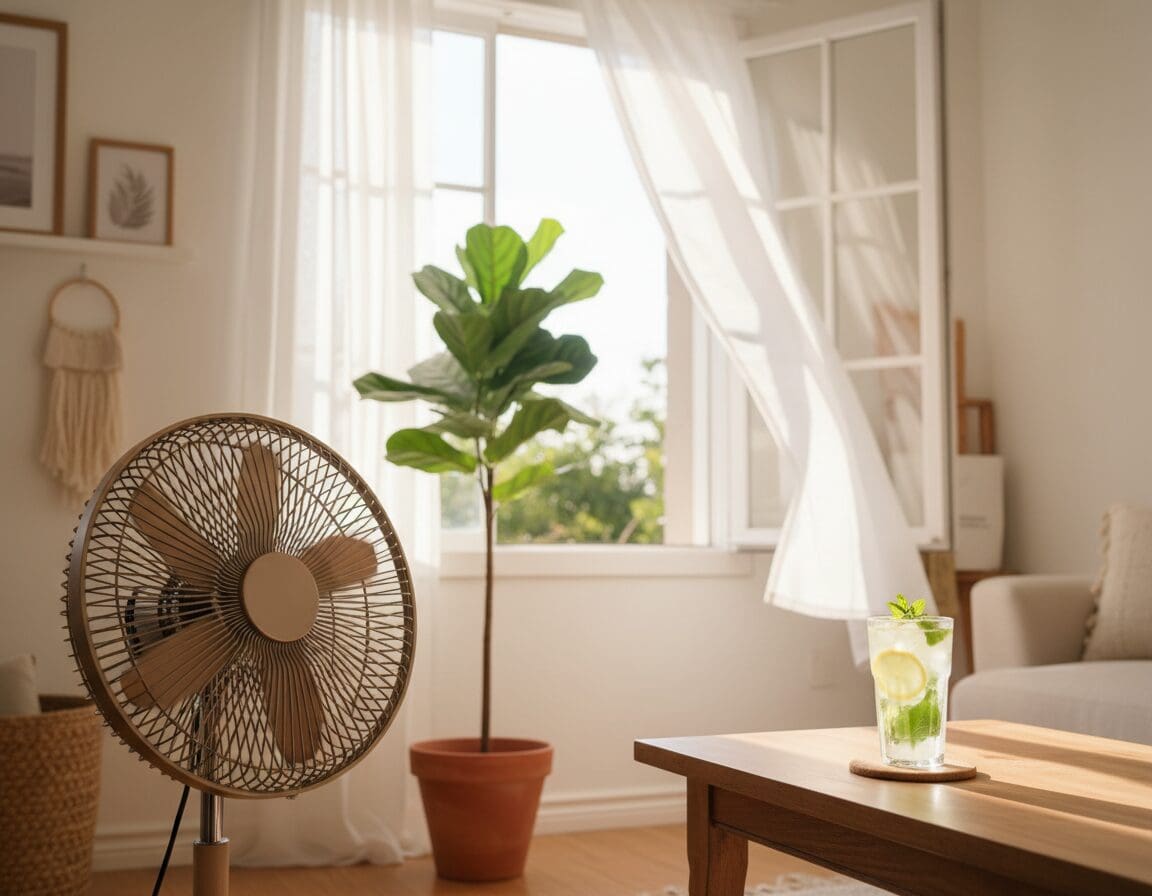
Summer heat in the United Kingdom is arriving more often, and many homes are not built for sustained high temperatures. This short introduction sets out why practical, energy-wise home cooling tips summer matter for wellbeing, better sleep and reduced heat-related risks. It also highlights cost and carbon savings from sensible measures.
Older houses, terraced properties and flats with solid walls, loft spaces and sash windows tend to trap heat. Understanding basic terms helps when planning cooling the home. Heat gain describes the rate a building absorbs warmth. Thermal mass is how materials store heat through the day. Ventilation rate measures how quickly fresh air replaces indoor air. For glazing, the solar heat gain coefficient (SHGC) shows how much sun enters through a window, while U-value indicates insulation performance. Lastly, cooling lowers temperature, while dehumidifying removes moisture — both affect comfort in different ways.
This article balances immediate relief and longer-term retrofits. You will find practical summer cooling strategies such as optimising airflow, using fans and shading. It also offers guidance on insulation, energy-efficient windows and roof or wall finishes, plus smart technologies like correctly sized air conditioning, timers and dehumidifiers. Finally, expect easy lifestyle changes and low-cost hacks to help you stay cool at home UK, whatever your budget.
Practical home cooling tips summer for immediate relief
When heat builds up, a few simple steps give fast, comfortable results. Use immediate cooling tips that work with your home, not against it. Small changes to airflow, shading and night routines can cut indoor temperatures and make the house feel fresher.
Optimise natural ventilation and airflow
Cross-ventilation is the quickest way to move warm air out. Open windows at opposite ends of a room or property to create a through-draught. In flats and houses with multiple floors, use the stack effect by opening higher windows or roof vents so hot air can rise and escape while cooler air enters low down.
Keep windows closed during the hottest part of the day to stop heat coming in. Open them early morning and late evening when the outside air is cooler. Fit window restrictors on upper-floor windows for safety and consider secure trickle vents or ventilators on ground-floor rooms.
Use extractor fans in the kitchen and bathroom to remove warm, humid air at source. These small mechanical aids support natural ventilation and reduce lingering heat after cooking or showering.
Use fans effectively: positioning and types
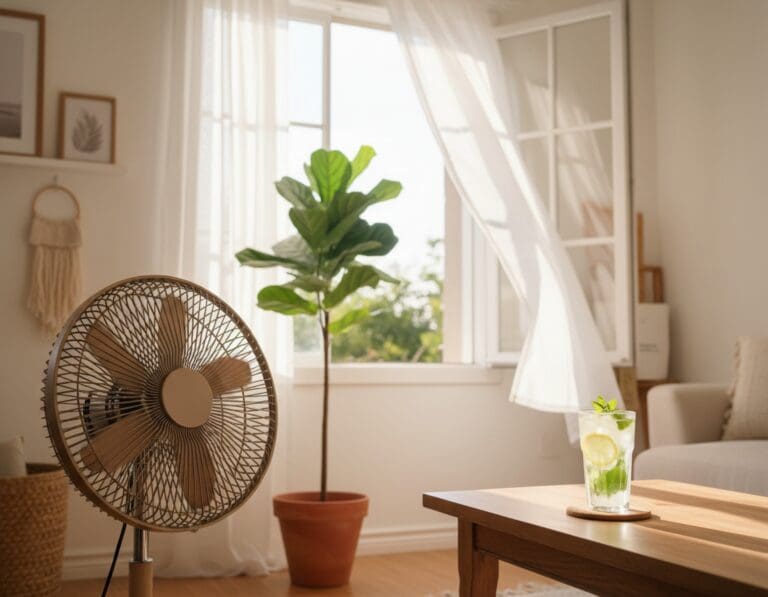
Fans are cheap to run and offer rapid relief. Choose from pedestal, tower, ceiling, box or window-mounted fans depending on room size and layout. Ceiling fans do not lower air temperature. They improve comfort by increasing skin evaporation; set them anti-clockwise in summer for a cooling breeze.
Place fans to create a cross-breeze. Point a fan out of a window on the sunny side to push hot air out and point one in on the cool side to draw fresh air through. For short-term relief, place a bowl of ice or cold water in front of a fan to boost evaporative cooling.
Fans use far less electricity than air conditioning. Run them only when rooms are occupied and choose energy-efficient models to keep bills down.
Temporary shading solutions: curtains, blinds and reflective films
Control solar gain with layered shading. Heavyweight, thermal-lined curtains and blackout blinds with reflective backing reduce heat entering through glazing. Close them during the warmest hours for best effect.
External shading such as awnings, shutters or external blinds block heat before it reaches the glass and work better than internal coverings. If you live in a listed building, check planning rules before fitting external fixtures.
Reflective and solar-control films help reduce glare and solar heat gain. They alter visibility and light levels, so test a small area first. Use potted plants, pergolas with climbers or trellises to add green shade; grapevine and wisteria suit the UK climate and soften harsh sun.
Night-time cooling strategies to purge heat
Open windows after sunset to pull cooler night air through the home. Combine night cooling UK tactics with fans to speed up heat transfer and flush warm air out before morning.
Use thermal mass to your advantage. Cool heavy floors and brick walls overnight so they absorb heat the next day. Draw cool night air through rooms with high thermal mass to lower daytime temperatures.
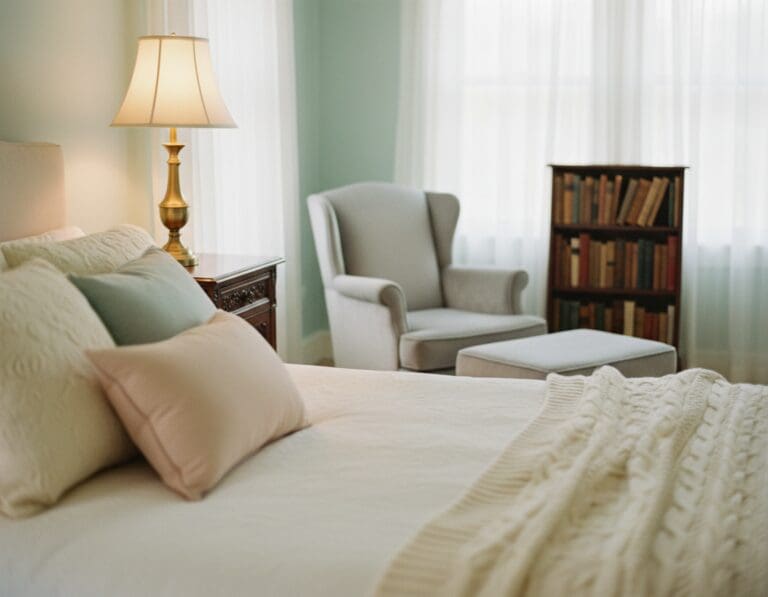
For sleeping, choose light bedding and breathable cotton sheets. Use a fan or an energy-efficient portable evaporative cooler in the bedroom if humidity is low. Close windows and blinds early morning to keep the cool air inside and prevent rapid reheating.
Long-term improvements to keep your house cool
Making sustained changes to your home cuts indoor heat and lowers energy use. These long-term cooling improvements focus on fabric, glazing and the roof. Small upgrades now give steady comfort through many summers.
Insulation and loft ventilation upgrades
Insulation for summer works by slowing heat transfer into living spaces on hot days while still keeping warmth in winter. Continuous insulation in lofts, walls and roofs flattens peak indoor temperatures and reduces reliance on active cooling.
Loft insulation should meet current UK guidance for depth and material. Combine proper insulation depth with good loft ventilation to avoid moisture build-up. Ridge vents, soffit vents and breathable membranes help expelled hot air rather than let the loft act as a heat source.
Older properties benefit from a professional inspection before adding insulation or venting. Cavity wall insulation is effective where suitable, but correct installation is vital to prevent damp. Solid-wall solutions, either internal or external, can also cut heat flow when chosen appropriately.
Energy-efficient windows and secondary glazing
Choosing double or triple glazing with low-e coatings and argon fills improves thermal performance across seasons. Some products reduce solar heat gain while boosting insulation, so select based on orientation and winter needs.
Solar-control glazing offers lower SHGC values for south- and west-facing rooms that suffer from strong sun. For period and listed homes, secondary glazing UK systems provide a cost-effective way to boost thermal performance without replacing original frames.
Draught-proofing around frames reduces unwanted hot air infiltration and complements glazing upgrades for a cooler, more efficient home.
Roof and wall colour or material choices that reduce heat absorption
Cool roof options include light-coloured finishes and reflective coatings that lower heat absorption. Reflective roof paints and specially designed tiles increase albedo and cut the amount of heat transferred indoors.
Green roofs, whether sedum or biodiverse systems, add summer insulation, help urban heat islands and manage rainwater. Confirm structural capacity and maintenance needs before installation.
External wall treatments matter too. Lighter-coloured renders and breathable external insulation reflect solar radiation while allowing moisture to escape. For brick facades, use shading, planting and shutters as complementary measures.
Always check local authority and conservation area rules before changing external appearance, particularly on historic properties.
Smart cooling technologies and energy-wise appliances
Choosing modern systems can cut bills and keep rooms comfortable. Start by weighing types of units: split systems, portable air conditioners, multi-split arrays and reverse-cycle heat pumps that heat in winter and cool in summer. When you choose air conditioning UK, consider the home layout, insulation and solar gain so the system matches real needs.
Look at efficiency ratings closely. SEER and EER indicate seasonal and instant performance. Seek A++ AC efficiency or the best current UK/EU label you can afford. Higher ratings mean lower running costs and less carbon output.
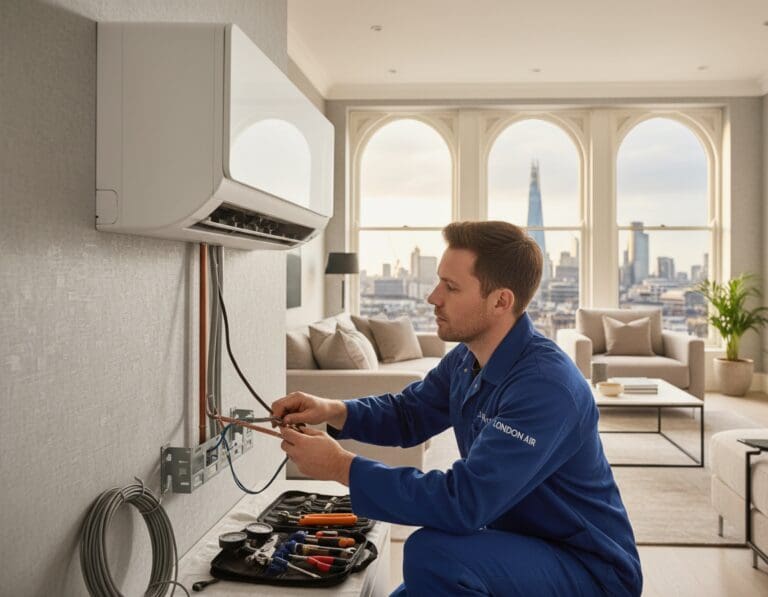
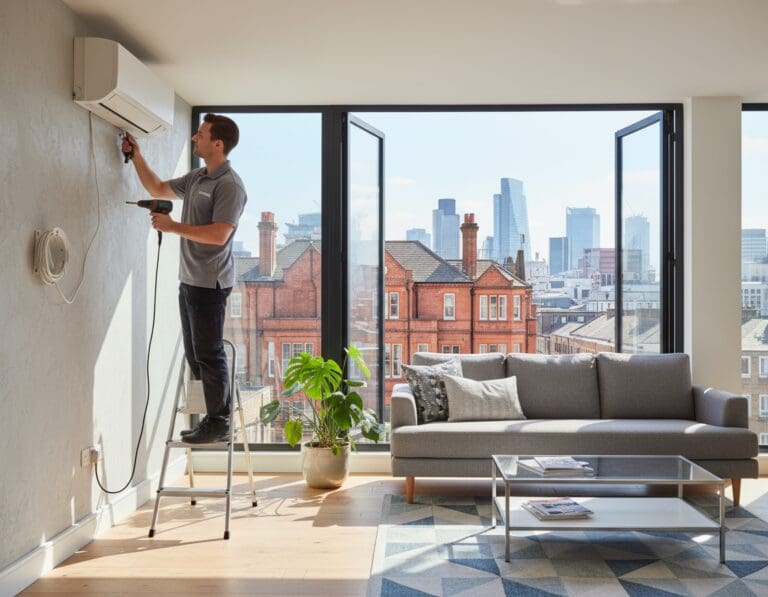
Correct sizing matters as much as efficiency. Oversized units short-cycle and waste energy. Undersized units strain and fail to cool. Ask for professional sizing from MCS-certified or trusted installers and get multiple quotes. Think about placement of indoor and outdoor units and whether planning permission applies in flats or conservation areas.
Smart thermostats and timers bring precision to the way you cool. They let you pre-cool rooms during off-peak hours and avoid blasting air into empty spaces. Use smart thermostats to schedule comfort for waking and sleeping, and to limit unnecessary run time.
Zoned cooling reduces waste by targeting occupied rooms. Use thermostatic controls or multiple smaller units so bedrooms stay cool at night without chilling the whole house. Integrate devices with systems such as Nest or Hive for remote control, but keep a simple manual override and check data privacy settings.
Energy monitoring helps you spot high use and change habits. Smart plugs and whole-home monitors show how much each appliance consumes. Small changes guided by data can produce noticeable savings.
Deciding between a dehumidifier vs evaporative cooler depends on local conditions. Dehumidifiers lower indoor humidity and make air feel fresher during humid spells on the south coast and estuaries. They work best when humidity exceeds about 60%.
Evaporative coolers use less electricity but perform well only in dry conditions and where there is good ventilation to expel moist air. In humid parts of the UK they add unwanted moisture and lose effectiveness.
For many UK homes a modern heat pump or air conditioner with a dehumidification mode is the most reliable option. Ask a professional for tailored advice and factor in running costs, refrigerant global warming potential and long-term serviceability when you choose air conditioning UK.
Lifestyle changes and low-cost hacks to beat the heat
Adapting daily routines delivers big gains without big bills. Schedule ironing, heavy laundry and oven cooking for cooler mornings or evenings, and use an outdoor clothesline or a microwave and slow cooker to cut internal heat. These low-cost summer hacks reduce peak indoor temperatures and energy use while keeping kitchens and living spaces calmer.
Choose breathable clothing and bedding to stay comfortable. Natural fibres such as cotton and linen wick moisture and feel cooler next to the skin. Swap thick duvets for lightweight sheets and consider cooling pillows or breathable mattress protectors to improve sleep. Practical sleep tips hot weather include a lukewarm shower before bed, ventilating bedrooms at night and using fans to move cooler air.
Small changes in the home lower heat gain. Replace incandescent bulbs with LEDs to reduce warmth from lighting and favour salads, barbecues or casseroles cooked in a slow cooker to avoid oven heat. Simple DIY air conditioners—like a tray of ice or frozen water bottles in front of a fan—or damp sheets across an open window can add evaporative cooling when humidity is low. Reflective window film or temporary reflective blinds are cost-effective ways to cut solar gain.
Mindful hydration, plants and community support matter. Keep a jug of cool water to encourage regular drinking and add indoor plants such as peace lilies, ferns and spider plants to boost perceived comfort through transpiration. Draught-proofing strips and basic sealant for doors and windows help prevent warm air ingress. Check local council heatwave plans, community cooling centres and energy supplier schemes for support—these energy-saving cooling tips UK can protect vulnerable neighbours and reduce household bills while keeping you cool.